
Soups & Stews
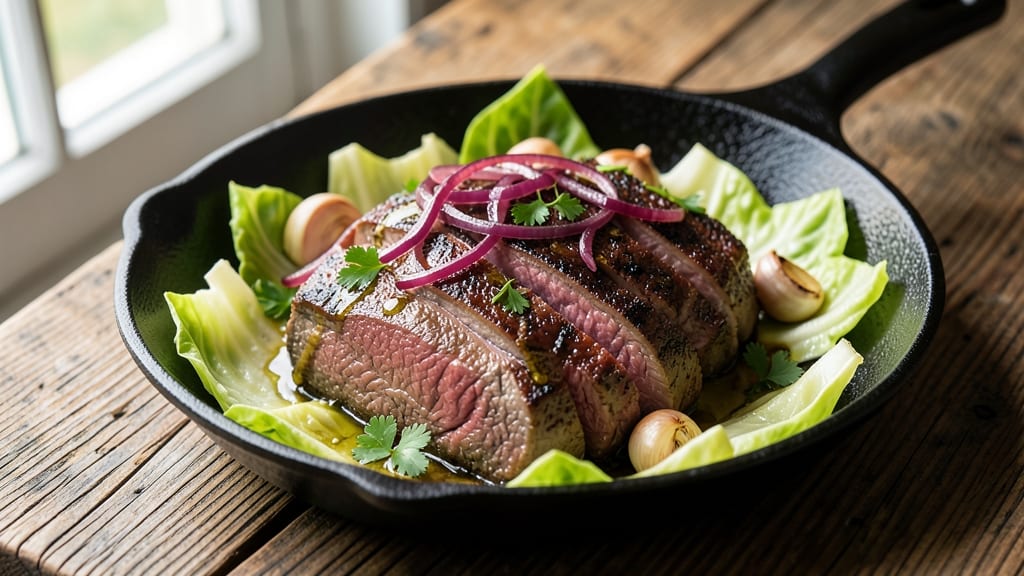
This beef and green cabbage recipe delivers one-pot heartiness with deep savory flavors that transform simple ingredients into a satisfying meal. The secret lies in slow-browning the beef to develop rich caramelized notes while the cabbage softens into tender, slightly crisp edges—perfect for weeknight dinners or meal prep.
What makes this dish special is how the cabbage’s natural sweetness balances the beef’s robust flavor, creating a harmonious bite that’s both comforting and elegant.
The beauty of this recipe is its simplicity: just a few ingredients and 30 minutes of hands-on time, followed by an hour of simmering that lets flavors meld together effortlessly.
The cabbage retains its vibrant green color and satisfying crunch, while the beef becomes fork-tender, absorbing the aromatic spices and herbs. This isn’t just a stew—it’s a restaurant-quality dish that feels like a home-cooked hug.
By the end, you’ll have a rich, one-pot meal with layers of texture and flavor—tender beef, crisp-tender cabbage, and a sauce that’s just thick enough to coat every spoonful. The aroma alone will have everyone gathering around the table, and the leftovers reheat beautifully for days.
It’s the kind of dish that proves hearty meals don’t have to be complicated.
Pair it with crusty bread to soak up the sauce or serve over buttery mashed potatoes for extra indulgence. The versatility of this recipe makes it perfect for any occasion—whether you’re feeding a family or treating yourself to a cozy solo dinner. Let’s get cooking!
Ingredients for beef and green cabbage
A symphony of beef and cabbage where tender meat meets vibrant greens in one aromatic pot.
| Ingredient | Amount | Notes |
|---|---|---|
| Chuck Roast 🥩 | 2 lb | Pre-cut into 1.5-inch cubes for even cooking |
| Green Cabbage 🥬 | 1 whole | Core removed, cut into 2-inch wedges |
| Yellow Onion 🧅 | 1 whole | Medium size, thinly sliced |
| Garlic Cloves 🧄 | 4 cloves | Minced for aromatic depth |
| Extra-Virgin Olive Oil 🫒 | 2 tbsp | For initial searing |
| Dry Red Wine 🍷 | 1 cup | Bold variety like Cabernet Sauvignon |
| Beef Broth 💧 | 2 cups | Low-sodium preferred |
| Tomato Paste 🍅 | 2 tbsp | Smooth texture for richness |
| Fresh Thyme 🌿 | ¼ cup | Leaves only, finely chopped |
| Fresh Rosemary 🌿 | 1 tbsp | Needles only, finely chopped |
| Diamond Crystal Kosher Salt 🧂 | 1 ½ tsp | Adjust to taste |
| Freshly Ground Black Pepper 🌶️ | ½ tsp | Coarsely ground for texture |
| Bay Leaves 🌿 | 2 whole | For subtle aromatic depth |
| All-Purpose Flour 🌾 | 1 tbsp | For thickening sauce |
The chuck roast is the foundation—its marbling ensures rich flavor and fork-tender texture. Look for well-marbled cuts at your local butcher or the meat department's pre-cut chuck roast section. If buying whole, trim excess fat but leave some for flavor. Costco's pre-cubed chuck is my go-to for convenience, though any reputable grocery store carries it. For the cabbage, choose heads with crisp, vibrant green leaves and a firm core—local farmers markets often have the freshest selections. The thyme and rosemary should be fragrant when rubbed between fingers; Penzeys Spices carries excellent dried options if fresh isn't available.
No red wine? Substitute with additional beef broth—just reduce the tomato paste slightly to balance acidity. Fresh herbs unavailable? Dried thyme at one-third the amount works, though texture differs. The tomato paste can be replaced with 1 cup crushed tomatoes if preferred, though it adds moisture. For a deeper flavor, add 1 tsp smoked paprika to the initial sear. The flour is purely functional—if you're avoiding gluten, cornstarch works equally well for thickening. Always use low-sodium broth to control seasoning better.
This dish develops best when made ahead—flavors deepen overnight. Store in an airtight container in the fridge for up to 5 days, or freeze portions for 3 months. The cabbage will soften further upon reheating, so leave it slightly undercooked initially. For meal prep, portion into individual containers with extra sauce—microwave 2-3 minutes covered to restore moisture. The beef continues tenderizing when reheated, making it even more satisfying the next day.
Why You'll Love This Recipe
- One-Pan Magic: I swear by this—just brown the chuck roast, toss in sliced cabbage and onions, add garlic, and let it slow-cook. No extra pots, no fuss. The cabbage softens right in the pan while the beef gets tender, and honestly? I’ve never cleaned up less for something this satisfying.
- Garlic-Cabbage Love: That crisp-tender cabbage with caramelized onions and a punch of garlic? It’s the kind of flavor combo that makes you pause mid-bite. The chuck roast stays juicy but melts in your mouth, and the olive oil ties it all together like a warm hug. (Yes, even on a Tuesday night.)
- Meal Prep MVP: Between us, this is my go-to for lunches all week. The beef shreds easily, and the cabbage holds up perfectly—just reheat and serve. Pack it in containers, throw it in a wrap, or eat it straight from the pot. It’s the kind of leftovers that actually get eaten.
- Budget-Friendly Feast: A whole chuck roast and a head of cabbage stretch for days, and the onions and garlic are practically pennies. I’ll be real: my grocery bill stays low, but my family’s happy. Plus, the cabbage’s crunch and the beef’s richness make it feel like a fancy meal without the price tag.
Step-by-step instructions for beef and green cabbage stew
This one-pot method delivers deep flavor and tender beef with minimal cleanup.
Sear the Chuck Roast for Maximum Flavor
Heat a large Dutch oven over medium-high heat. Add the 2 lb chuck roast in a single layer and sear undisturbed for 4-5 minutes per side until deeply browned. I press down gently on the roast during the first minute—this prevents it from curling and ensures even contact with the pan.
The goal here is to develop a rich, caramelized crust that will form the flavor base for your stew. If your pan isn't large enough to sear all pieces at once, work in batches but don't reduce heat—consistent high heat is crucial for proper browning. Transfer the seared roast to a plate once it releases easily from the pan.
Build the Aromatic Base with Vegetables
In the same Dutch oven, add the 2 tbsp extra-virgin olive oil and swirl to coat the bottom. Add the 1 whole yellow onion and 4 cloves garlic cloves, cooking for 5-6 minutes until softened and golden. The onions should caramelize slightly—this adds sweetness that balances the rich beef flavors.
Add the 2 tbsp tomato paste and stir for 1 minute until it darkens slightly. This step removes the raw taste from the tomato paste and creates a deeper, more complex flavor foundation. Here's where it gets fun—toss in the 1 whole green cabbage cut into wedges and stir to combine with the aromatics.
Deglaze and Simmer with Wine and Broth
Pour in the 1 cup dry red wine and scrape up all the browned bits from the bottom of the pan—this deglazing captures all the concentrated flavor. Let it simmer for 3-4 minutes until the wine reduces by half and becomes syrupy. The alcohol will cook off, leaving behind just the rich wine flavors.
Return the seared chuck roast to the pot along with the 2 cups beef broth, 1.5 tsp diamond crystal kosher salt, 0.5 tsp freshly ground black pepper, 2 whole bay leaves, 0.25 cup fresh thyme, and 1 tbsp fresh rosemary. Bring to a gentle boil, then reduce heat to low and cover partially. The key here is maintaining a gentle simmer—not a rolling boil—which prevents the cabbage from turning mushy.
Cook Until Fork-Tender and Flavor-Infused
Simmer uncovered for 2.5-3 hours until the beef is fork-tender and easily pulls apart. I check doneness by piercing the largest piece with a fork—it should slide in easily with no resistance. The cabbage should be tender but still hold its shape, and the liquid should have reduced slightly to create a rich sauce.
About 30 minutes before the stew is done, sprinkle the 1 tbsp all-purpose flour over the top and stir gently. This helps thicken the sauce slightly without making it gluey. Taste and adjust seasoning—you might need a pinch more salt, especially if you used low-sodium broth.
Rest and Serve with Crusty Bread
Remove the stew from heat and let it rest for 10-15 minutes before serving. This resting period allows the flavors to meld and the juices to redistribute throughout the stew. Skim off any excess fat that has risen to the surface if desired—it's optional but creates a cleaner presentation.
Ladle the stew into bowls, making sure each serving gets a generous portion of beef and cabbage. The cabbage should be tender yet still hold its structure, and the beef should be falling-apart tender with rich, meaty juices. Serve immediately with crusty bread to soak up every last bit of that flavorful sauce. The one-pot method ensures all the ingredients work together harmoniously, creating a comforting dish that's perfect for any occasion.
Pro Tips For Making Beef And Green Cabbage
- SEAR THE ROAST HARD: Chuck roast loves a good crust, so don’t be shy—get that pan screaming hot and let the meat sit untouched for 3-4 minutes per side until deep brown. I used to rush this, and the beef ended up tough; now I wait, and the flavor? Worth it.
- SHRED THE CABBAGE THIN: Skip the thick wedges—core the cabbage, slice it paper-thin (a mandoline helps), and toss it in the pan while the beef rests. Thin slices cook faster and soak up flavors better, plus they look way more impressive. (Yes, even if you’re impatient like me.)
- SWEAT THE ONIONS LOW: Medium heat, not high—you’re making a base, not burning a sacrifice. Let those onions melt into the pan for 8-10 minutes until translucent and just starting to caramelize. I learned this the hard way when my batch tasted bitter from charred bits.
- USE GARLIC LIKE A BOSS: Smash those cloves with the flat of your knife before adding them to the pan—this releases more flavor. And don’t skip the olive oil: toss the minced garlic in a cold spoon first to bloom the aroma, then stir it into the onions. (Your future self will notice the difference.)
Wine and beer pairings for these flavors
Red Wine Pairings
The rich, savory depth of this beef and cabbage stew pairs beautifully with a bold Cabernet Sauvignon from Napa Valley. Its dark fruit notes and firm tannins complement the caramelized beef and earthy cabbage perfectly.
I always reach for a 2018 Robert Mondavi Reserve—its balance of blackcurrant and spice mirrors the stew’s complexity. 🍷
For a lighter but still robust option, try a Syrah from the Rhône Valley. The peppery notes in a Crozes-Hermitage cut through the stew’s richness while enhancing the rosemary and thyme flavors. Look for a bottle with 12-14% ABV to match the dish’s heartiness.
Beer Pairings
A malty Belgian Dubbel like Westmalle Trappist brings caramel and dark fruit notes that harmonize with the stew’s caramelized onions and beef. The beer’s slight sweetness balances the stew’s acidity, creating a perfect marriage. Pour it chilled to 55°F for optimal flavor contrast. 🍺
For beer lovers, a German Dunkel offers a crisp, slightly bitter profile that cleanses the palate between bites. Weihenstephaner Dunkel is my go-to—its roasted malt notes echo the stew’s thyme and rosemary while its effervescence refreshes the rich flavors.
Unexpected Pairings
If you’re feeling adventurous, try a Portuguese Vinho Verde with its bright acidity and citrus notes. The wine’s crispness cuts through the stew’s richness, making each bite feel lighter. I’ve found Casa Ferreirinha to be a crowd-pleaser for this dish. 💛
For a non-alcoholic option, a sparkling apple cider like Martinelli’s adds a festive touch. Its slight tartness and effervescence mirror the stew’s depth while keeping the meal refreshing and approachable.
Nutrition facts
Frequently asked questions
Can I use a different cut of beef instead of chuck roast?
Yes! For a quicker cooking time (1.5 hours instead of 3 hours), try chuck shoulder or stew meat. For leaner options, sirloin tips work well but may need 1 extra hour of simmering. Avoid tender cuts like ribeye—they'll turn tough.
How do I prevent the cabbage from turning mushy?
Simmer uncovered at a gentle bubble (not a rolling boil) and reduce heat if needed. Cut cabbage into 2-inch wedges with the core intact to maintain structure. For extra crispness, add cabbage only in the last 45 minutes of cooking.
What's the best way to reheat leftovers?
Reheat covered in a pot over low heat for 10-15 minutes with 1-2 tbsp water to restore moisture. Microwave in 1-minute intervals on medium power, stirring between each. The cabbage will soften further—this is normal!
Can I make this dish vegetarian?
Swap beef for mushrooms (cremini or portobello) or lentils. Use vegetable broth and add 1 tbsp soy sauce for umami depth. Cook mushrooms for 5 minutes before adding other ingredients. The cabbage will still shine!
Why does my stew taste bland?
Check your seasoning—beef broth often needs extra salt (try 1 tsp more). Deglaze thoroughly to capture browned bits, and simmer uncovered in the last 30 minutes to intensify flavors. A splash of red wine vinegar (1 tsp) can brighten the sauce.