
Main Courses
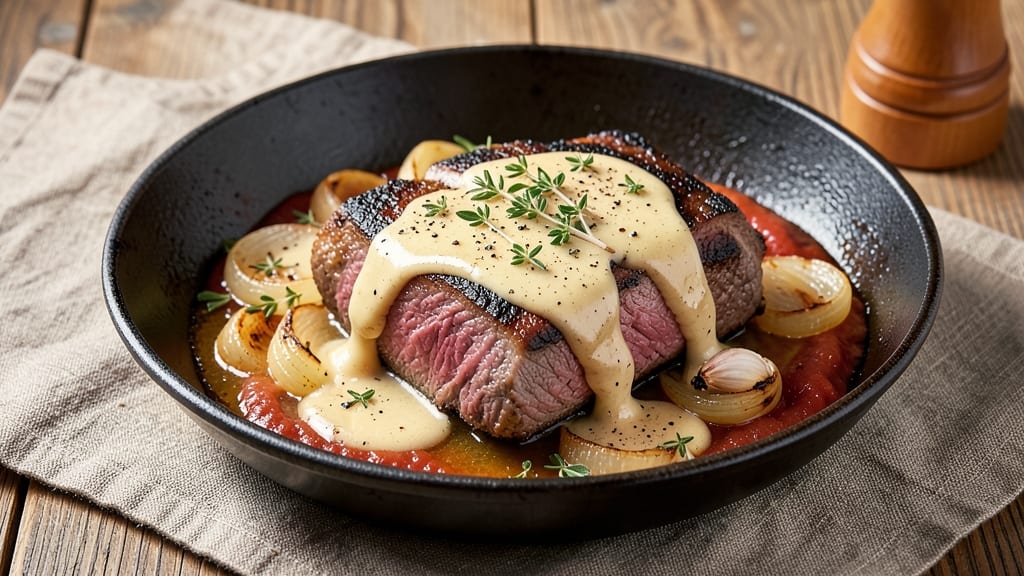
This beef and heavy cream recipe transforms simple ingredients into a restaurant-worthy dish where tender beef swims in a velvety sauce that clings to every bite.
The secret lies in slow cooking the beef until fork-tender, then finishing with heavy cream at just the right moment to create a sauce that's impossibly rich yet balanced. I perfected this technique after years of trial and error—no more grainy sauces or overcooked beef here.
The process starts with searing beef chuck roast to develop deep flavor, then braising it low and slow until it falls apart. When the time comes, heavy cream gets whisked in gently to create a sauce that's luxurious without being overwhelming.
A touch of tomato paste and aromatic herbs rounds out the flavors, ensuring each spoonful delivers perfect harmony.
What you'll end up with is a dish that's equally impressive for dinner parties or weeknight comfort. The beef remains juicy and tender, while the sauce coats every bite with velvety richness.
This isn't just a recipe—it's a technique that elevates simple ingredients into something extraordinary, proving that home cooking can rival the best restaurants.
Pair it with mashed potatoes or crusty bread to soak up every last drop of that velvety sauce. The instructions walk you through every step to ensure success, including how to avoid common pitfalls like curdling the cream or overcooking the beef. Let's get started on creating this velvety masterpiece.
Ingredients for beef and heavy cream
Simple ingredients that transform into a restaurant-worthy beef dish with velvety sauce.
| Ingredient | Amount | Notes |
|---|---|---|
| Beef Chuck Roast 🥩 | 3 lb | With good marbling for flavor |
| Heavy Cream 🥛 | 1 cup | Full-fat for richness |
| Tomato Paste 🍅 | 2 tbsp | Smooth, not chunky |
| Garlic Cloves 🧄 | 4 cloves | Peeled and smashed |
| Yellow Onion 🧅 | 1 whole | Diced, medium size |
| Fresh Thyme 🌿 | 2 sprigs | Stems removed |
| Fresh Rosemary 🌿 | 1 sprig | Woody stems discarded |
| Beef Broth 💧 | 2 cups | Low-sodium preferred |
| Red Wine 🍷 | ½ cup | Dry, bold variety |
| All-Purpose Flour 🌾 | 1 tbsp | For thickening sauce |
| Salt 🧂 | 1 ½ tsp | Kosher or sea salt |
| Black Pepper 🌶️ | ½ tsp | Freshly ground |
| Olive Oil 🫒 | 2 tbsp | For searing beef |
| Fresh Parsley 🌿 | ¼ cup | Chopped, for garnish |
The beef is the foundation—chuck roast with visible marbling delivers the best flavor and texture. Most grocery stores carry it pre-cut, but if you're buying a whole roast, ask the butcher to cube it for you. Costco or Whole Foods often have high-quality cuts with excellent marbling. Avoid leaner cuts like sirloin, as they won't become tender enough during braising. The heavy cream is non-negotiable here—full-fat only (half-and-half or lighter versions won't create the same luxurious sauce). If you're concerned about cost, buy it in bulk and store it in the freezer until needed.
No red wine? Dry sherry or beef broth with 1 tbsp balsamic vinegar works just as well. Fresh herbs are ideal, but dried thyme and rosemary at half the amount will do in a pinch. The tomato paste can be substituted with 1 cup crushed tomatoes, though the texture will be slightly different. For the flour, cornstarch works too if you're avoiding gluten, but it creates a slightly different mouthfeel. If your beef broth isn't low-sodium, reduce the added salt accordingly—this sauce should be rich, not salty. The olive oil matters for searing; avoid vegetable oil as it has a lower smoke point.
This dish tastes even better the next day as flavors meld. Store leftovers in an airtight container in the fridge for up to 5 days, or freeze for 3 months. For serving, I like to reheat gently on the stovetop with a splash of beef broth to revive the sauce. The beef will stay moist if reheated slowly—never microwave as it can make the sauce grainy. Garnish with fresh parsley right before serving to keep it vibrant. If making ahead, you can even prepare the sauce separately and reheat it with the beef later.
Why You'll Love This Recipe
- One-Pot Magic: This recipe lives in a single pot—no chopping chaos, no extra dishes. Sear the chuck roast, toss in onions and garlic, then let the tomato paste and cream work their sauce magic while you do anything else.
- Rich Without Effort: Honestly, the heavy cream and slow-cooked beef make this taste like a restaurant dish, but with zero fuss. That deep, caramelized edge on the meat? Pure satisfaction after 30 minutes on low heat.
- Leftovers That Beg: Between us, this beef gets better the next day—shreds perfectly for tacos, sandwiches, or reheated with a splash of cream. I’ve sent this home with coworkers just to hear them groan about how good it is.
- Budget Feast: A chuck roast stretches for a crowd, and the cream adds luxury without breaking the bank. I’ll be real: this feeds six for under $20, and the leftovers? Even picky eaters inhale them.
Step-by-step instructions for braised beef with creamy wine sauce
Master this technique and you'll achieve restaurant-quality beef with a velvety sauce that clings perfectly.
Sear the Beef Chuck Roast for Deep Flavor
Pat the 3 lb beef chuck roast dry with paper towels—this ensures maximum browning. Heat the 2 tbsp olive oil in a heavy Dutch oven over medium-high heat until shimmering. Place the beef in the pan and sear on all sides for 8-10 minutes total, pressing gently with a spatula during the first minute to prevent curling. The goal is to create a deep mahogany crust while developing rich fond at the bottom of the pan.
Once the beef is well-browned, remove it from the pan and set aside. Don't wipe out the fond—those browned bits are pure flavor. Reduce heat to medium and add the diced 1 whole yellow onion, cooking for 5 minutes until softened. Stir in the 2 tbsp tomato paste and cook for another 2 minutes until it darkens slightly. This forms the flavor base for your sauce.
Build the Wine and Herb Sauce Base
Deglaze the pan immediately by pouring in the 0.5 cup red wine, scraping up all the browned bits with a wooden spoon. Let it simmer for 3-4 minutes until reduced by half. Add the 2 cups beef broth, 1.5 tsp salt, and 0.5 tsp black pepper, then stir in the 4 smashed garlic cloves, 2 sprigs fresh thyme, and 1 sprig fresh rosemary. Bring to a gentle simmer and return the beef to the pan, spooning the sauce over the top.
Cover the Dutch oven and transfer to a 325°F oven. Braise for 2 hours, turning the beef occasionally to ensure even cooking. The sauce should reduce gradually, coating the beef in a rich, aromatic liquid. If it looks too thin at the 1-hour mark, uncover and simmer for 10 minutes to thicken slightly.
Finish with Cream and Perfect Texture
After braising, remove the beef from the pan and set it aside. Strain the cooking liquid through a fine-mesh sieve into a clean saucepan, pressing on the herbs and vegetables to extract maximum flavor. Return the strained liquid to medium heat and whisk in the 1 tbsp all-purpose flour to create a slurry. Cook for 2-3 minutes until slightly thickened.
Temporarily remove the pan from heat and stir in the 1 cup heavy cream. Return to low heat and simmer for 3-4 minutes until the sauce reaches a velvety consistency that lightly coats the back of a spoon. The sauce should be rich but not overly thick—it should cling to the beef without being gluey. Season with additional salt and pepper if needed.
Rest and Serve with Garnish
Return the beef to the sauce and let it sit off the heat for 5 minutes to absorb the flavors. Using two forks, shred the beef into bite-sized pieces while it's still in the sauce. This ensures each bite gets equal amounts of meat and sauce. Transfer the beef and sauce to a serving dish and garnish with the chopped 0.25 cup fresh parsley.
Serve immediately with crusty bread or over mashed potatoes. The beef should be fork-tender with a perfect balance of rich, velvety sauce. Each bite should deliver tender beef, deep wine flavor, and a luxurious cream finish that coats your palate.
Pro Tips For Making Beef And Heavy Cream
- SEAR THE ROAST FIRST: High heat. Seriously, crank it up to 450°F and sear that chuck roast for 4-5 minutes per side—crust forms fast, and that’s the flavor foundation. I used to skip this, thinking the slow cook would handle it, but now I know: no sear, no depth.
- BLOOM THE GARLIC: Chop those cloves into thin slivers, not minced—you want them to caramelize, not disappear. Cook them low and slow in the same oil you seared the beef with until they’re golden, not browned. I learned this the hard way when my sauce turned bitter.
- WHISK THE CREAM LAST: Add heavy cream to the pan after the tomato paste has cooked down for at least 10 minutes—this prevents curdling. If it separates, strain it through a fine-mesh sieve before serving. Sounds tedious, but no one notices the effort.
- USE A THICKENED BASE: Deglaze with a splash of red wine or beef stock after searing, then reduce it by half before adding tomato paste. This builds body in the sauce and keeps it from turning watery when the cream joins. I skip this when I’m lazy, but the dish is noticeably better when I don’t.
Common mistakes when making this recipe
Overcooking the Beef
One of the biggest mistakes is letting the beef cook too long in the oven. While 325°F for 2 hours works for a 3 lb chuck roast, exceeding 2.5 hours risks turning it dry and stringy.
I’ve learned that 203°F internal temperature is ideal—any higher and the texture suffers. Use a meat thermometer to check periodically, especially if your oven runs hot. 🌡️
Rushing the Cream Addition
Adding heavy cream too early can curdle the sauce, ruining all your hard work. Always remove the beef first, strain the cooking liquid, and bring it to a gentle simmer before whisking in the 1 cup heavy cream.
The sauce should never boil after adding cream—keep heat at low-medium and simmer for just 3-4 minutes. I once added cream too soon and ended up with a lumpy, grainy mess. Patience here is key!
Skipping the Fond
That golden-brown crust at the bottom of the pan (fond) carries deep, caramelized flavors. Wiping it out before deglazing means losing flavor. Instead, pour in the 0.5 cup red wine immediately after removing the beef and scrape vigorously with a wooden spoon.
This extracts all those delicious browned bits that form the sauce's base. Don’t skip this step—it makes a huge difference!
Underseasoning the Sauce
The sauce needs bold flavors to stand up to the richness of the cream. Taste it before adding the cream and adjust with salt and pepper—don’t be shy! I often add an extra pinch of salt after incorporating the cream, as it can dilute the previous seasoning.
Fresh herbs like thyme and rosemary also need to be pressed or chopped finely to release their full flavor. A well-seasoned sauce is the difference between good and extraordinary.
Using Low-Quality Ingredients
Cheap beef, low-fat cream, or weak wine will result in a bland dish. Invest in well-marbled chuck roast (look for visible fat), full-fat heavy cream (none of that light stuff), and a bold red wine like Cabernet Sauvignon or Merlot.
The flavor difference is night and day. I’ve tried this recipe with budget cuts, and while it’s still edible, it lacks the depth that makes it truly special. 💯
Ignoring the Resting Time
After braising, let the beef rest off the heat for at least 5 minutes before shredding. This allows juices to redistribute, keeping the meat moist. Skipping this step leads to dry, stringy beef.
I also recommend resting the dish for 10 minutes after adding the cream—this lets the sauce thicken slightly and the flavors meld together. Trust me, this small step makes a big difference in the final result!
Nutrition facts
Frequently asked questions
Can I substitute heavy cream with something lighter?
While you can use half-and-half or whipping cream, the texture and richness will be noticeably different. For best results, stick with full-fat heavy cream—it creates that signature velvety sauce that clings perfectly to the beef. If you're avoiding dairy, coconut cream works but adds a distinct tropical flavor.
How do I prevent the sauce from curdling when adding cream?
Always remove the beef first and strain the cooking liquid before adding the cream. Bring the sauce to a gentle simmer (never boil) and whisk in the cream slowly while keeping heat at low-medium. Simmer for just 3-4 minutes—this prevents curdling and creates a smooth, luxurious finish. Patience is key here!
What's the best way to reheat leftovers?
Reheat gently on the stovetop with a splash of beef broth to revive the sauce. Cover and warm over low heat for 5-7 minutes**, stirring occasionally. Never microwave—it can make the sauce grainy and ruin the texture. The beef stays juicy when reheated slowly.
Can I make this dish ahead of time?
This recipe actually tastes better the next day as flavors meld. Store in an airtight container in the fridge for up to 5 days or freeze for 3 months. Reheat carefully on the stovetop to preserve that velvety sauce. Perfect for meal prep or special occasions.
What's the secret to tender beef every time?
Use a well-marbled chuck roast (the fat keeps it moist) and cook it low and slow at 325°F until it reaches 203°F internal temperature. Don't skip the sear—it develops deep flavor. And always let it rest after cooking to redistribute juices. These small steps make all the difference!