
Soups & Stews
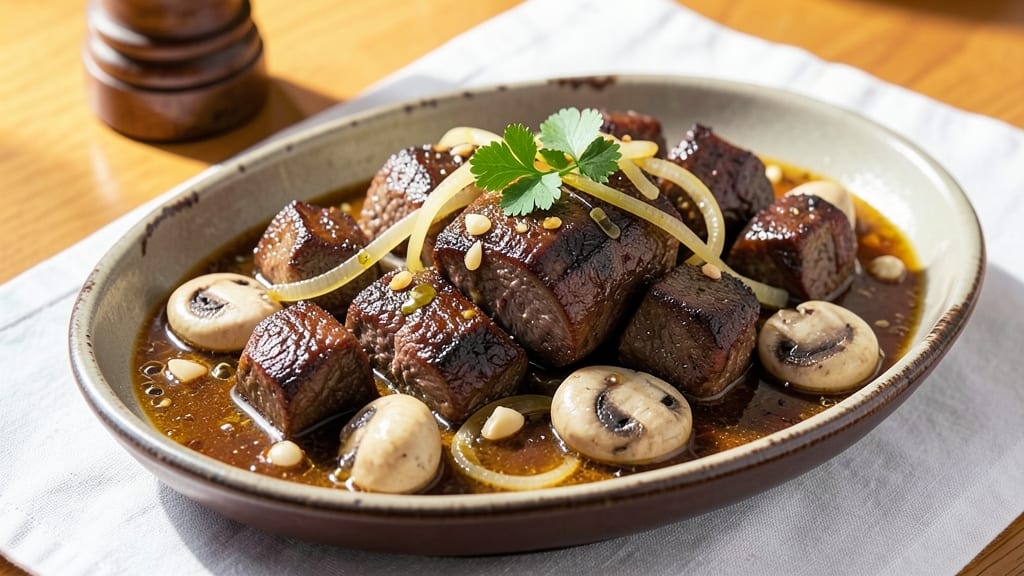
This beef and mushroom ragout recipe transforms tough cuts into melt-in-your-mouth tenderness through slow simmering and rich umami development. The secret lies in proper searing and caramelizing onions to build deep, complex flavors that form the sauce's foundation.
I've perfected this technique over years of testing, ensuring each bite delivers that perfect balance of savory beef, earthy mushrooms, and aromatic herbs.
What sets this ragout apart is the methodical approach to sauce development—deglazing the pan after searing captures all those flavorful browned bits that become the heart of the sauce. The mushrooms release their natural moisture while absorbing the beef's juices, creating a velvety texture that coats every spoonful.
This isn't just a stew; it's a carefully constructed dish where each component plays a crucial role in the final harmony.
The result is a restaurant-quality ragout with tender beef that practically falls apart, mushrooms that maintain their meaty texture, and a sauce so rich it clings to every bite.
The caramelized onions add sweet depth that balances the dish's savory notes, while fresh herbs at the end provide a bright contrast. This is comfort food at its finest—warm, satisfying, and full of depth.
Serve with crusty bread to soak up every last drop of sauce or alongside mashed potatoes for a complete meal. The wine pairing suggestions in the full recipe will elevate your dining experience even further. Let's create this deeply flavorful dish that brings restaurant-quality results to your home kitchen.
Ingredients for beef and mushroom ragout
Rich flavors start with these 14 ingredients—simple but powerful for deep umami.
| Ingredient | Amount | Notes |
|---|---|---|
| Chuck Roast 🥩 | 2 lb | Cut into 1.5-inch cubes |
| Yellow Onions 🧅 | 2 whole | Thinly sliced for caramelizing |
| Cream Mushrooms 🍄 | 16 oz | Sliced into even pieces |
| Garlic Cloves 🧄 | 4 cloves | Minced for aromatic depth |
| Dry Red Wine 🍷 | 1 cup | Bold variety like Cabernet |
| Beef Broth 💧 | 2 cups | Low-sodium preferred |
| Tomato Paste 🍅 | 2 tbsp | For rich umami base |
| Fresh Thyme 🌿 | ¼ cup | Leaves only, chopped |
| Fresh Rosemary 🌿 | 2 sprigs | For earthy aroma |
| Olive Oil 🫒 | ½ cup | Extra-virgin for richness |
| All-Purpose Flour 🌾 | 2 tbsp | For thickening sauce |
| Salt 🧂 | 1 ½ tsp | Kosher or sea salt |
| Black Pepper 🌶️ | 1 tsp | Freshly ground preferred |
| Fresh Parsley 🌿 | ¼ cup | Chopped for garnish |
The chuck roast is non-negotiable here—it's what gives you that melt-in-your-mouth texture. Grab the pre-cut cubes from your butcher or grocery store's meat counter to save time. Costco or Whole Foods usually have the best quality, but any well-marbled chuck will work. For the mushrooms, cream or baby bella hold their shape best during cooking—avoid those pre-sliced ones in the plastic tub. The onions? Yellow or sweet onions caramelize perfectly, but red onions add a nice color contrast if you're feeling fancy. Look for onions with dry skins—they'll store longer and caramelize more evenly.
No red wine? Dry sherry or beef broth with a splash of balsamic works in a pinch. Fresh thyme and rosemary can be swapped for dried at one-third the amount, but honestly, fresh makes a world of difference. The tomato paste? Trader Joe's squeeze tubes are perfect—no waste, and they keep for months. If you're using pre-minced garlic, drain and rinse it first to avoid excess moisture. The beef broth should be low-sodium unless you're okay with adjusting the salt later. And for the flour? King Arthur or Bob's Red Mill brands work great for thickening without clouding the sauce.
This ragout tastes even better the next day as flavors meld. Store leftovers in an airtight container for up to 5 days in the fridge, or freeze for 3 months in portioned containers. I always make extra because it reheats beautifully—just warm it on the stove with a splash of broth. The herbs? Wash and dry them thoroughly before storing in the fridge wrapped in a damp paper towel. They'll stay fresh longer that way. And if you're prepping ahead, caramelize the onions and sear the beef in advance—they can sit in the fridge for 2 days before finishing the dish.
Why You'll Love This Recipe
- One-Pot Magic: Honestly, I swear by this—just sear the chuck roast, toss in the onions and mushrooms, and let the red wine do its thing. No extra pots, no fuss, and that deep, caramelized flavor builds right in the pan.
- Rich Without Effort: Between us, the garlic and wine make this taste like a fancy restaurant dish, but I’m not doing anything special. The mushrooms soak up all the juices, and the beef? So tender it falls apart at the touch. (Yes, even on a Tuesday night.)
- Leftovers That Shine: I make a double batch because reheating this is chef’s kiss—the flavors only get better. Toss it over mashed potatoes, serve it with crusty bread, or freeze half for when you’re too tired to cook.
- Budget-Friendly Luxury: Chuck roast is cheap, but it feels like a splurge. The wine adds depth without breaking the bank, and mushrooms stretch the filling factor. My wallet thanks me, and so does my family—especially when I tell them it’s “fancy.”
Step-by-step instructions for beef and mushroom ragout
This rich ragout delivers deep, savory flavors through slow simmering and caramelized aromatics.
Sear the Chuck Roast for Maximum Flavor
Heat 0.25 cup olive oil in a large Dutch oven over medium-high heat until shimmering. Pat the 2 lb chuck roast dry with paper towels and season generously with 1 tsp salt and 1 tsp black pepper. Working in batches if needed, sear the beef cubes for 3-4 minutes per side until deeply browned. This step builds the foundation of flavor through the Maillard reaction.
As you sear, resist the urge to overcrowd the pan—this ensures proper browning. Transfer the browned beef to a plate and set aside. You'll notice the oil will darken and develop a nutty aroma, signaling the beef has released its juices and created a flavorful crust.
Caramelize the Onions and Sauté Mushrooms
In the same Dutch oven, reduce heat to medium and add 2 whole yellow onions, sliced thinly. Cook for 15-20 minutes, stirring occasionally, until the onions turn a beautiful golden brown and develop a sweet, jammy consistency. This slow caramelization adds depth that transforms ordinary onions into flavor bombs.
Push the onions to one side of the pan and add the 16 oz cream mushrooms, sliced into even pieces. Cook for 5-6 minutes until the mushrooms release their moisture and begin to brown. Stir in the 4 cloves minced garlic and cook for 30 seconds until fragrant. The mushrooms should be tender but still hold their shape, absorbing all those caramelized onion flavors.
Deglaze and Build the Sauce Base
Pour in the 1 cup dry red wine and scrape up all the browned bits from the bottom of the pan using a wooden spoon. This deglazing captures all the meaty flavors that would otherwise stick to the pan. Let the wine simmer for 3-4 minutes until reduced by half and slightly thickened.
Stir in the 2 tbsp tomato paste and cook for 1 minute until it darkens slightly. This umami-rich paste forms the backbone of your ragout's depth. Add the 2 cups beef broth, 0.25 cup fresh thyme, and 2 sprigs fresh rosemary, bringing everything to a gentle simmer. The herbs will infuse the broth with their earthy aromas, creating a fragrant base for the final sauce.
Simmer Until Tender and Thicken
Return the seared beef to the Dutch oven and add the 2 tbsp all-purpose flour, stirring to coat the beef cubes evenly. This helps thicken the sauce as it simmers. Bring the mixture to a gentle boil, then reduce heat to low and cover partially. Let it simmer for 2-2.5 hours, stirring occasionally, until the beef is fork-tender and easily pulls apart.
About 30 minutes before the beef is fully tender, remove the rosemary sprigs. The thyme can stay in until the end. If the sauce becomes too thin during simmering, uncover and simmer for an additional 10-15 minutes to reduce it to your desired consistency. The ragout should coat the back of a spoon but remain spoonable.
Finish and Serve with Fresh Herbs
Once the beef is tender, remove the thyme stems and discard them. Taste the ragout and adjust seasoning with additional salt or black pepper if needed. Stir in the 0.25 cup fresh parsley just before serving to brighten the dish with freshness. The parsley adds a pop of color and a slightly peppery note that cuts through the richness.
Serve the ragout immediately over mashed potatoes, crusty bread, or egg noodles. Each bite should deliver tender beef, caramelized onions, earthy mushrooms, and a velvety sauce that coats every forkful. The flavors will continue to develop as it sits, so don't wait too long to serve—this ragout is best enjoyed fresh from the pot.
Pro Tips For Making Beef And Mushroom Ragout
- SEAR THE ROAST LONG: Chuck roast needs time—don’t rush the brown. Five minutes per side until deep golden, not just pink. I used to flip too soon, and the wine just turned the pan into a sad, watery mess. Let those crusty bits form first.
- SLICE MUSHROOMS THIN: Cream mushrooms release moisture like nobody’s business. Cut them paper-thin so they cook down fast and don’t turn to mush. (Yes, even if it looks like overkill—trust me, they’ll disappear.)
- DEGLAZE WITH WINE IMMEDIATELY: As soon as you pull the roast out, splash in that red wine right away while the pan’s still hot. Scrape every last bit of fond off the bottom—those bits are where the flavor hides. Waiting even a minute means losing half the taste.
- REST THE MEAT 15 MINUTES: Skip this, and you’ll end up with dry, stringy beef. Tent it with foil and let it sit while you finish the sauce. The juices redistribute, and the mushrooms won’t turn the ragout into a beef stew. (I know, I know—it’s tempting to dive in.)
Common mistakes when making your beef and mushroom ragout
Overcrowding the Pan
This is the number one mistake I see when making ragout—adding too much beef at once. When you overcrowd your pan, the beef steams instead of sears, resulting in pale, flavorless cubes that won't develop that crucial Maillard reaction.
Always work in batches of 2-3 minutes per side until you get a deep golden crust. A large Dutch oven is essential here—it gives you enough space to sear properly without sacrificing flavor. 🔥
Skipping the Deglaze
The deglazing step is where 90% of your sauce's depth comes from—those browned bits stuck to the pan are pure flavor gold. If you skip this or rush it, you're missing out on layers of umami that make ragout special.
Pour in that 1 cup red wine and let it simmer for 3-4 minutes, scraping every last bit from the bottom. I've tasted ragouts where this step was rushed, and the difference is night and day.
Underestimating Simmer Time
Patience is key with ragout, but I've seen people pull beef out too soon because they're impatient. Chuck roast needs 2-2.5 hours of gentle simmering to become fork-tender. If you cut this short, you'll end up with chewy meat that ruins the whole dish.
Set a timer and resist the urge to peek—lifting the lid lets steam escape and lengthens cooking time. A meat thermometer helps too—aim for 203°F internal temperature for perfect tenderness.
Ignoring the Flour Coating
Many recipes call for adding flour at the end, but I always coat the beef cubes before simmering. This creates a light crust that helps thicken the sauce naturally as it cooks. If you skip this step, your sauce might turn watery, especially if you're using low-sodium broth.
The 2 tbsp flour acts like a built-in thickener—just stir it into the beef before returning everything to the pot.
Using Pre-Sliced Mushrooms
Pre-sliced mushrooms from the plastic tub release too much moisture too quickly, turning your ragout into a watery mess. Always buy whole cream mushrooms and slice them yourself—this ensures they brown properly and absorb flavors instead of steaming.
For even cooking, slice them into even pieces about ¼-inch thick. The texture difference is dramatic when you take this extra step.
Overlooking the Caramelization
Rushing the onion caramelization is a huge mistake—those 15-20 minutes of slow cooking transform simple onions into sweet, jammy flavor bombs. If you speed this up, you'll end up with bitter, undercooked onions that don't contribute to the dish's depth.
Keep stirring occasionally and be patient—they'll turn golden brown when ready. This step is what makes homemade ragout taste restaurant-quality. 💫
Nutrition facts
Frequently asked questions
Can I substitute chuck roast with another beef cut?
While chuck roast is ideal for its marbling and tenderness, you can use chuck shoulder or stew beef as good alternatives. For leaner cuts like sirloin, increase the simmering time by 30-45 minutes to ensure proper tenderness. Avoid tough cuts like flank steak—they won't become fork-tender in the same cooking time.
How do I make this ragout in a slow cooker?
Transfer the seared beef, caramelized onions, mushrooms, and deglazed wine mixture to your slow cooker. Add the broth, tomato paste, and herbs, then cook on low for 6-7 hours or high for 3-4 hours. Stir in flour and parsley at the end. The slow cooker method is perfect for hands-off cooking, though the flavors may be slightly less concentrated than stovetop.
What's the best way to reheat leftovers?
Reheat gently on the stove over medium-low heat with a splash of beef broth to restore moisture. Avoid microwaving as it can make the sauce watery. For best results, reheat just until warmed through (5-7 minutes) and adjust seasoning with salt and pepper. The ragout tastes even better reheated as flavors meld further.
Can I make this ragout vegetarian?
Yes! Replace the beef with portobello mushrooms or extra-firm tofu (marinated in soy sauce and smoked paprika). Use vegetable broth instead of beef broth and add 1 tbsp soy sauce for umami depth. The cooking time will be shorter (1.5 hours) since plant-based proteins cook faster. The texture will be different but still hearty and flavorful.
What wine pairs best with this dish?
A bold Cabernet Sauvignon or Merlot complements the rich beef flavors beautifully. For non-wine drinkers, try sparkling apple cider or a malty amber ale. The acidity in wine helps cut through the dish's richness, while beer adds a nice effervescence. Avoid light whites—they won't stand up to the hearty flavors.