
Main Courses
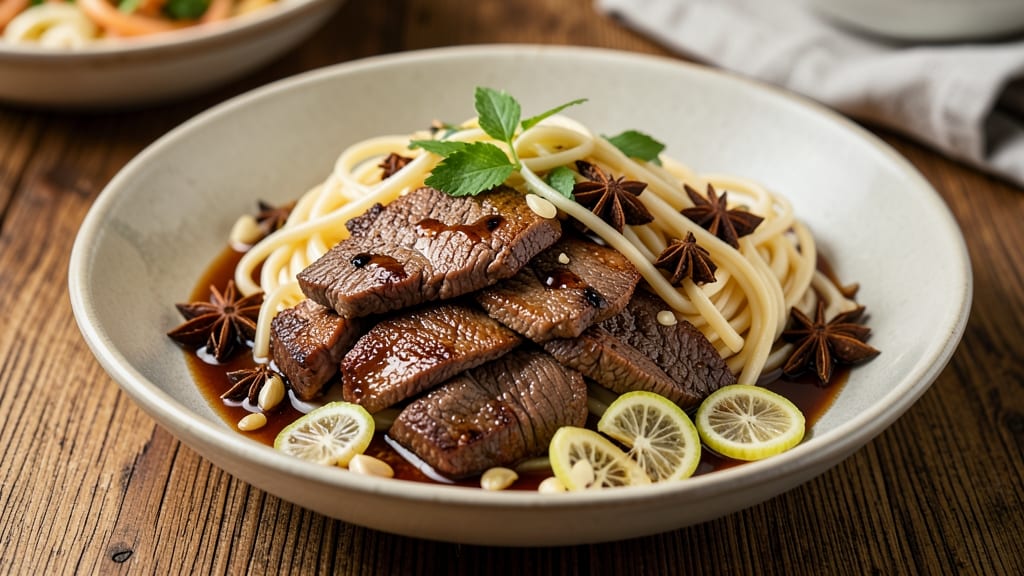
This stove-top beef and noodles recipe delivers restaurant-quality comfort in under an hour—tender beef slices, chewy egg noodles, and a rich umami broth that simmers together into one deeply satisfying dish.
The secret lies in properly searing the beef first to lock in flavor, then building layers of aroma with garlic, ginger, and star anky before combining everything in a single pot. I developed this version after years of testing different techniques, and it never fails to impress even picky eaters.
The beauty of this method is its simplicity: just six core ingredients transform into a meal that feels indulgent yet comes together without fuss. You'll start with thinly sliced beef that cooks quickly in the hot broth, then add noodles that absorb all the savory flavors.
The star anky and soy sauce create that signature umami depth, while a splash of rice vinegar at the end brightens the dish without overpowering it.
By the time you're done, you'll have a steaming bowl of beef and noodles with perfectly tender beef, al dente noodles, and a broth so flavorful it practically tastes like it's been simmering all day.
The aroma alone will have everyone gathering around the table, and each bite delivers that perfect balance of meaty richness and comforting noodles.
This recipe works equally well as a weeknight dinner or a hearty lunch—just adjust the portion sizes. The technique scales effortlessly, making it perfect for feeding a crowd or meal prepping for the week ahead. Let's get cooking!
Ingredients for beef and noodles recipe stove top
Six core ingredients transform into restaurant-quality beef and noodles in one pot.
| Ingredient | Amount | Notes |
|---|---|---|
| Thinly Sliced Beef (Chuck Roast) 🥩 | 1 lb | Cut against the grain for tenderness |
| Egg Noodles 🍜 | 8 oz | Medium width, uncooked |
| Star Anise Pods 🌿 | 2 whole | For deep aromatic flavor |
| Garlic Cloves 🧄 | 6 cloves | Minced for aromatic base |
| Fresh Ginger 🌿 | 1 tbsp | Finely grated, fresh preferred |
| Low-Sodium Soy Sauce 🍶 | ¼ cup | For umami depth |
| Rice Vinegar 🍶 | 1 tbsp | Brightens the dish |
| Vegetable Oil 🫒 | 2 tbsp | High smoke point for searing |
| Water 💧 | 4 cups | For broth base |
| Salt 🧂 | 1 ½ tsp | Adjust to taste |
| Black Pepper 🌶️ | ½ tsp | Freshly ground |
| Sesame Oil 🫒 | 1 tsp | For finishing aroma |
The beef is everything here. Chuck roast is ideal—it's flavorful and affordable, but sirloin or flank steak work too if you prefer leaner cuts. Slice it thinly against the grain, and don't skip the sear—it locks in flavor and makes the beef tender. Most butchers will slice it for you, or you can freeze it between sheets of parchment paper for 30 minutes to make slicing easier. For star anise, Whole Foods or Asian markets usually carry it whole, which is better than pre-ground. Fresh ginger is non-negotiable here—dried just won't cut it for the same zing.
No star anise? 1 tsp ground cinnamon plus 0.5 tsp fennel seeds gets you close, though the flavor won't be identical. Soy sauce out of stock? Coconut aminos or tamari work in a pinch, but they have slightly different profiles. The egg noodles can be swapped for udon or ramen noodles if you're feeling adventurous, though traditional egg noodles give that classic chew. For extra depth, add a 1-inch piece of kombu seaweed to the broth while simmering—it adds umami without altering the flavor. And if you're short on time, pre-minced garlic and ginger from the jar save steps without sacrificing much flavor.
This dish tastes even better the next day—honestly, the flavors meld more beautifully after resting. Store leftovers in an airtight container in the fridge for up to 4-5 days, or freeze portions for 3 months. I like to portion mine into individual containers so I can grab a bowl straight from the freezer for a quick lunch. The broth reduces slightly when reheated, so add a splash of water or broth when warming to restore consistency. And if you're making this for a crowd, double the recipe—it scales perfectly, and the extra broth makes great soup the next day.
Why You'll Love This Recipe
- One-Pot Magic: I swear by this recipe—just a single pot, no extra dishes. Toss in the sliced chuck roast, noodles, and star anise, then let the garlic and ginger work their flavor spell while you stir. Honestly, the cleanup is almost as satisfying as the meal itself.
- Star Anise Secret: That tiny pod packs a punch—warm, slightly sweet, and earthy. It’s the kind of depth that makes you go back for seconds, and it pairs perfectly with the tender beef and chewy noodles. (Yes, even on a Tuesday night.)
- Budget Feast: Thinly sliced chuck roast stretches far, and egg noodles are cheap but never cheap-tasting. This recipe feeds four for under $10, and the leftovers? Just as good reheated the next day—no sad, dry noodles here.
- Weeknight Warrior: Between us, this is my go-to when I’m exhausted but still want something hearty. The beef cooks fast, the noodles absorb all the good flavors, and the whole thing comes together in under 40 minutes. No fancy techniques, just reliable comfort.
Step-by-step instructions for savory beef and egg noodles
Master this one-pot technique for restaurant-quality beef noodles with deep umami flavor.
🍳 Step 1: Sear the Beef for Maximum Flavor
Heat the 2 tablespoons vegetable oil in a large, deep skillet over medium-high heat until shimmering. Add the 1 pound thinly sliced beef (chuck roast) in a single layer, being careful not to overcrowd the pan. Let it sear undisturbed for 2-3 minutes until the edges turn deep golden brown—this creates that essential caramelized flavor.
Once browned, stir the beef and continue cooking for another 2-3 minutes until it loses its raw color. Remove the beef from the pan and set it aside temporarily. The beef should be fully cooked through but still tender—overcooking at this stage will make it tough. The pan will have beautiful browned bits (fond) that we'll use to build our broth.
👨🍳 Step 2: Build the Aromatic Broth Base
In the same skillet, reduce heat to medium and add 6 cloves minced garlic and 1 tablespoon finely grated fresh ginger. Sauté for 1-2 minutes until fragrant but not browned—you should smell the garlic's sweetness and the ginger's warmth. Add the 2 whole star anise pods and cook for another 30 seconds to toast them lightly.
Pour in the 4 cups water and bring to a gentle boil. Immediately add the 0.25 cup low-sodium soy sauce and 1 tablespoon rice vinegar, stirring to scrape up all the browned bits from the bottom of the pan. This deglazing step captures all the meaty flavors that would otherwise stick to the pan. Let the broth simmer for 5 minutes to allow the aromatics to infuse.
🥘 Step 3: Simmer the Beef and Noodles Together
Return the seared beef to the skillet and add the 8 ounces egg noodles. Stir gently to combine, then add the 1.5 teaspoons salt and 0.5 teaspoon black pepper. Bring the mixture to a gentle boil, then reduce heat to medium-low and cover partially. Let it simmer for 10-12 minutes, stirring occasionally, until the noodles are tender and the beef is fork-tender with no resistance.
Here's where it gets important: the noodles should be cooked through but still hold their shape slightly—this prevents a mushy texture. The beef should be tender enough to eat with a fork but not falling apart. If the liquid reduces too quickly, add 2-3 tablespoons hot water to maintain the proper consistency. The dish should have a rich, savory broth that coats the noodles and beef.
🔥 Step 4: Finish with Sesame Oil for Depth
Once the noodles and beef are perfectly cooked, remove the skillet from heat. Let it sit for 1 minute to allow the flavors to meld. Then stir in the 1 teaspoon sesame oil—this adds a beautiful aromatic finish that elevates the entire dish. The sesame oil should be distributed evenly throughout the noodles.
Taste and adjust seasoning if needed, adding a pinch more salt or a splash of rice vinegar if the dish needs brightness. The final dish should have a perfect balance of savory, slightly sweet, and aromatic flavors with tender beef and al dente noodles. Serve immediately while hot, garnished with additional sesame oil if desired.
Pro Tips For Making Beef And Noodles Recipe Stove Top
- STIR-FRY BEFORE SIMMERING: Thin-sliced chuck beef is tough when raw—it needs that initial high-heat sear to break down fibers. Cook it in batches for 2-3 minutes until edges brown, then pull it out. The beef will finish tender in the broth, but that first crust locks in flavor and texture. (Yes, even if it looks crowded—trust the process.)
- GRATE GINGER FINE: I used to chop ginger and wonder why my broth tasted weak. Freshly grated ginger (about 1 teaspoon) releases its oils instantly and infuses the broth deeper. Toss it in with the star anise and garlic—no need to strain it out later. The slight bite balances the beef’s richness, and it disappears into the dish without effort.
- LOWER HEAT AFTER ADDING NOODLES: Boiling noodles in a hot broth turns them mushy. Once the noodles hit the pot, drop the heat to medium-low and let them simmer gently for 3-4 minutes. Stir occasionally so they absorb flavor evenly. This keeps them al dente and prevents a gluey mess. (Your future self will notice the difference.)
- USE STAR ANISE EARLY: Star anise needs time to work its magic—drop it in with the aromatics (garlic, ginger) and let it steep for 5 minutes before adding the beef. This builds a fragrant base that doesn’t overpower but adds depth. Remove it before serving unless you’re feeling bold. (I skip this step when I’m lazy, but the dish is noticeably better when I don’t.)
Dietary considerations for this dish
Gluten-Free Adaptations
Swap traditional egg noodles for gluten-free egg noodles like Barilla or Jovial—both brands make excellent gluten-free versions that hold up well in broth. I’ve tested these and they absorb flavors just as beautifully.
Look for labels that specify "gluten-free" to avoid cross-contamination. For extra insurance, cook the noodles separately in the broth for the last 5 minutes to prevent overcooking. 🌱
Low-Carb/Keto Options
Transform this into a low-carb dish by replacing egg noodles with shirataki noodles (made from konjac) or zucchini noodles. Shirataki noodles require rinsing and boiling for 2 minutes to remove excess sodium, while zucchini noodles cook in 1-2 minutes—just add them to the broth with the beef.
For a heartier texture, stir in ½ cup chopped mushrooms after searing the beef. The beef and broth will still be the star, but with fewer carbs.
Dairy-Free & Allergen-Friendly
This recipe is naturally dairy-free, but if you're avoiding soy (common in soy sauce), use coconut aminos instead—it has a slightly sweeter profile but works beautifully. For nut allergies, ensure your sesame oil is processed in a nut-free facility (check labels).
If you're also avoiding gluten, double-check that your coconut aminos and broth are certified gluten-free. I always keep a small bottle of coconut aminos on hand for these adjustments. ✨
Protein Swaps for Dietary Needs
Need to avoid beef? Swap the chuck roast for shredded chicken breast (use 12 oz cooked and shredded) or mushroom strips (sautéed with soy sauce and garlic). For plant-based versions, use extra-firm tofu (pressed and cubed) or tempeh, both of which hold up well in the broth.
If using tofu, marinate it in 1 tbsp soy sauce + 1 tbsp rice vinegar for 15 minutes before adding to the pot. The texture will be different, but the umami depth remains.
Lower-Sodium Adjustments
To reduce sodium, use low-sodium soy sauce and cut the salt to 1 teaspoon. Boost umami with ½ cup mushrooms (sliced and sautéed with the garlic) or add 1 tsp fish sauce (if not avoiding seafood).
For extra depth, simmer the broth with 1-inch kombu seaweed strip for 5 minutes before adding noodles—it adds umami without salt. Always taste as you go and adjust gradually. 💡
Nutrition facts
Frequently asked questions
Can I use pre-cooked beef for this recipe?
While you can use pre-cooked beef, it won't give you the same rich flavor. The searing step is crucial for building depth—those browned bits (fond) create umami that infuses the broth. If you're short on time, use thinly sliced roast beef from the deli counter and sear it quickly in the pan before adding to the broth.
How do I prevent the noodles from getting mushy?
Cook the noodles just until they're al dente—they'll finish cooking in the hot broth. Stir them occasionally during the 10-12 minute simmer, and remove them 1 minute early if they're absorbing liquid too quickly. The broth should coat the noodles but not turn into a soup. For extra chew, use fresh egg noodles instead of dried.
What’s the best way to make this dish spicier?
Add ½ teaspoon red pepper flakes when sautéing the garlic and ginger, or stir in 1 tablespoon sriracha with the soy sauce. For heat lovers, include 1-2 slices of fresh chili (like Thai bird's eye) when building the broth. Remove them before serving if you prefer less heat.
Can I make this recipe in a slow cooker instead?
Yes! Sear the beef first, then transfer everything (including star anise) to a 6-quart slow cooker. Cook on low for 4-5 hours or high for 2-3 hours. The noodles will absorb more liquid, so add ½ cup water if needed. The flavors meld beautifully, but the texture will be slightly softer than stovetop.
Why does my beef turn out tough?
Overcooking is the most common cause. Sear the beef quickly (2-3 minutes) and remove it when it's just cooked through. If using thicker cuts, slice against the grain and cook for no more than 5 minutes total in the broth. Chuck roast is ideal—it's tender when sliced thinly.