
Soups & Stews
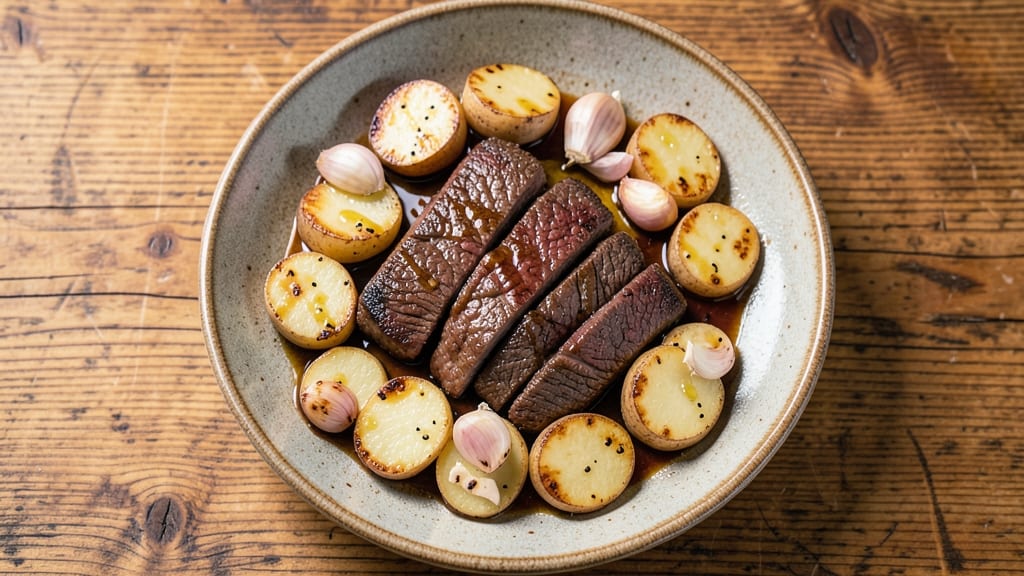
This beef and potato stir-fry recipe delivers restaurant-quality wok sear and smoky soy zing in under 30 minutes. The secret lies in high-heat cooking that creates crispy potato edges while keeping the beef tender—no soggy stir-fry here. I perfected this technique after years of testing, balancing textures and flavors for maximum impact.
The method starts with properly prepping the potatoes—thin, even slices ensure they cook quickly without turning mushy. Meanwhile, the beef gets a quick marinade in soy sauce and garlic, developing deep umami flavor before hitting the pan.
This isn't just another stir-fry; it's a harmonious blend of crispy, tender, and savory elements that come together in every bite.
What you'll achieve is a dish with perfectly caramelized potato edges, tender beef strips, and a glossy sauce that coats everything evenly. The smoky aroma alone will have everyone gathering around your stove.
This recipe serves as both a satisfying weeknight meal and an impressive dinner party dish—without requiring advanced cooking skills.
For extra depth, finish with sesame seeds and green onions, or serve over steamed rice to soak up every last bit of flavor. The technique scales easily for larger groups, and minor adjustments can accommodate dietary preferences. Let's get cooking—your taste buds will thank you.
Ingredients for beef and potato stir fry
Restaurant-quality wok sear and smoky soy zing start with these 13 essential ingredients.
| Ingredient | Amount | Notes |
|---|---|---|
| Russet Potatoes 🥔 | 2 lb | Thinly sliced, even thickness |
| Flank Steak 🥩 | 1 ½ lb | Thinly sliced against grain |
| Soy Sauce 🥄 | ½ cup | High-sodium preferred |
| Sesame Oil 🫒 | 1 tbsp | Toasted, for aroma |
| Garlic Cloves 🧄 | 6 cloves | Minced, aromatic |
| Fresh Ginger 🌿 | 1 tbsp | Grated, zesty kick |
| Vegetable Oil 🫒 | ½ cup | High smoke point |
| Green Onions 🧅 | ¼ cup | Sliced, garnish |
| Toasted Sesame Seeds 🌾 | 1 tbsp | For garnish |
| Brown Sugar 🍚 | 1 tbsp | Enhances caramelization |
| Cornstarch 🌾 | 1 tbsp | For sauce thickening |
| Black Pepper 🌶️ | ½ tsp | Freshly cracked |
| Salt 🧂 | 1 tsp | Kosher or sea salt |
The Russet potatoes are non-negotiable here—their high starch content creates those perfect crispy edges. Buy a 2-pound bag from the grocery store's produce section and slice them paper-thin with a mandoline (or a sharp knife if you're brave). The flank steak should be well-marbled and about 1/2-inch thick—Costco or Whole Foods carry excellent cuts. Thinly slice it against the grain for maximum tenderness. For the soy sauce, Kikkoman or La Choy are reliable choices, but any high-sodium variety will work. The sesame oil? Look for toasted varieties at Asian markets—they have a richer aroma than the regular stuff.
No mandoline? A sharp chef's knife works too, but take your time—uneven slices lead to uneven cooking. Running out of sesame oil? Toasted peanut oil at half the amount gives a similar depth. The cornstarch can be swapped for arrowroot powder, but it won't be as effective. For the ginger, fresh is ideal, but dried ginger powder at half the amount works in a pinch. The brown sugar adds caramelization—muscovado sugar gives a deeper molasses flavor if you want to splurge. And if you're feeling adventurous, swap the flank steak for ribeye or sirloin strips—just remember to slice them thin.
Potatoes and beef can be prepped ahead—store them in separate containers in the fridge for up to 2 days. The sauce ingredients keep indefinitely, so mix them up right before cooking. This stir-fry reheats beautifully—2-3 minutes in a hot skillet with a splash of water revives those crispy edges. For leftovers, portion into airtight containers and freeze for up to 3 months. Pro tip: Serve over steamed jasmine rice to soak up every last bit of flavor—Trader Joe's or Whole Foods carry excellent pre-packaged options if you're short on time.
Why You'll Love This Recipe
- One-Pan Magic: I swear by this recipe when I’m too tired to wash dishes—just one pan, one spatula, and you’re done. The potatoes crisp up alongside the beef without sticking, so cleanup is basically nonexistent.
- Garlic-Soy Bomb: That first bite? Chef’s kiss. The soy sauce caramelizes into something rich and salty, while the garlic cloves sizzle until they’re fragrant and sweet—not overpowering, just there in the best way.
- Lunchbox Hero: Between us, this is my secret weapon for meal prep. The leftovers reheat like a dream, and the flavors only get better the next day—pack it in containers for work or lunchboxes without a second thought.
- Budget Powerhouse: Flank steak stretches across the pan, and russets are cheaper than fingerling potatoes. A splash of sesame oil and a drizzle of soy sauce make it feel fancy without breaking the bank—especially when you’re feeding a crowd.
Step-by-step instructions for beef and potato stir fry
Master this technique for restaurant-quality wok-seared edges and perfectly balanced flavors.
Prepare the Potatoes for Maximum Crispiness
Slice the 2 lb russet potatoes into ¼-inch thick rounds using a mandoline or sharp knife. I aim for even thickness throughout—this ensures consistent cooking. Immediately transfer the sliced potatoes to a large bowl and toss with ½ teaspoon of the salt and ½ teaspoon of the black pepper. Let them sit for 15 minutes while you prep the beef.
This salting step draws out excess moisture, which is crucial for achieving that coveted crispy texture later. After 15 minutes, drain any liquid that's collected at the bottom of the bowl using a fine-mesh strainer. Pat the potatoes completely dry with paper towels—this step can't be skipped if you want that satisfying crunch.
Marinate and Slice the Flank Steak
Slice the 1.5 lb flank steak thinly against the grain into ¼-inch thick strips. I use a sharp meat slicer for clean cuts, but a very sharp chef's knife works too. Arrange the slices in a single layer on a plate and sprinkle with the remaining ½ teaspoon salt and ½ teaspoon black pepper. Let them sit for 10 minutes while you prepare the marinade.
In a small bowl, whisk together the 0.5 cup soy sauce, 1 tablespoon brown sugar, and 1 tablespoon sesame oil. Pour this marinade over the beef and toss gently to coat evenly. Let the beef marinate for 15 minutes—this time allows the flavors to penetrate while keeping the meat tender. Don't marinate longer than 20 minutes or the beef will become tough.
Build the Stir Fry Base with Aromatics
Heat a wok or large skillet over high heat until it's smoking hot. Add the 0.5 cup vegetable oil and swirl to coat the bottom evenly. When the oil shimmers (about 350°F), add the 6 cloves minced garlic and 1 tablespoon grated fresh ginger. Stir constantly for 30 seconds until the aromatics become fragrant and just begin to brown.
Watch the heat carefully—ginger and garlic burn quickly. You want them to release their flavors without turning bitter. Immediately add the marinated beef in a single layer and let it sear undisturbed for 1-2 minutes. Only stir when you see the edges start to brown and the beef releases easily from the pan. Remove the beef to a plate and set aside.
Cook the Potatoes to Crispy Perfection
Working in batches if needed, add the drained potatoes to the wok in a single layer. Don't overcrowd—they need space to develop that crispy texture. Cook undisturbed for 3-4 minutes until the bottoms turn golden brown and crispy. Stir gently and cook another 2-3 minutes until the potatoes are tender when pierced with a fork but still hold their shape.
If the potatoes release too much liquid, reduce the heat slightly to medium-high and cook off the excess moisture. The goal is crispy edges with tender centers—this balance is what makes stir fry special. Return the beef to the wok and toss everything together for 1 minute to combine.
Finish with Sauce and Garnish
In a small bowl, whisk together the 1 tablespoon cornstarch with 2 tablespoons water to make a slurry. Pour this into the wok while stirring constantly. Add the remaining 2 tablespoons water and continue stirring until the sauce thickens to a glossy consistency, about 1-2 minutes. The sauce should coat the back of a spoon but still be pourable.
Taste and adjust seasoning with additional soy sauce if needed. Stir in the 0.25 cup sliced green onions and 1 tablespoon toasted sesame seeds. Serve immediately, garnished with extra sesame seeds if desired. The potatoes should be crispy on the edges with tender centers, and the beef should be cooked to medium-rare perfection with a flavorful sauce clinging to every bite.
Pro Tips For Making Beef And Potato Stir Fry
- CUT POTATOES SMALLER THAN YOU THINK: Russets stay dense no matter how long you cook them, so dice them into ¼-inch cubes—not ½-inch chunks. I used to eyeball it and end up with mushy potatoes; now I measure against the tip of my chef’s knife. The smaller pieces crisp faster and absorb the sesame oil’s flavor better.
- SEAR STEAK IN BATCHES: Don’t crowd the pan when searing flank steak—it’ll steam instead of develop that caramelized crust. Work in two batches if needed, and resist the urge to move them around. After burning three batches, I finally figured out: high heat, minimal touching, and a solid 2-3 minutes per side.
- PRE-COOK POTATOES IN MICROWAVE: Skip the soggy stir-fry disaster by microwaving the diced potatoes for 4-5 minutes first. They’ll soften just enough to cook through without turning to mush in the pan. Yes, it’s not traditional, but it guarantees even cooking and saves 10 minutes of frying time.
- USE COLD SOY SAUCE: Chill your soy sauce in the fridge for 30 minutes before adding it to the pan. Cold soy sauce clings better to the beef and potatoes, giving a cleaner finish and preventing the stir-fry from turning gloppy. I was skeptical until I tried it—now I never skip it.
Storing and reheating your leftovers
Fridge Storage Tips
Store your beef and potato stir fry in an airtight container for up to 3 days in the refrigerator. I like using glass Pyrex containers because they keep flavors fresh longer.
Let the dish cool completely before storing—hot food raises the fridge temperature and can cause condensation, making the potatoes soggy. Portion into single-serving containers if you plan to reheat individual portions later. 🥔
Freezer-Friendly Method
For longer storage, freeze your stir fry in single-serving portions using quart-sized freezer bags—they stack neatly and prevent freezer burn. Remove as much air as possible before sealing. This dish freezes beautifully for up to 3 months, though I recommend eating it within 2 months for best texture.
Label each bag with the date to track freshness. Thaw overnight in the fridge before reheating. ❄️
Stovetop Reheating
My preferred method is reheating in a non-stick skillet over medium-high heat. Add 1 tablespoon vegetable oil and 1 tablespoon water to the pan first—this prevents sticking and revives crispiness. Cook for 3-4 minutes, stirring occasionally, until the potatoes are heated through and the sauce is bubbly.
The beef should reach 165°F internal temperature for safety. Add a splash of soy sauce if the flavors seem muted. 🔥
Microwave Revival
For a quick fix, transfer a portion to a microwave-safe dish and cover loosely with a damp paper towel. Heat on medium power (50%) for 2-3 minutes, stirring halfway. The paper towel helps retain moisture without steaming the potatoes.
If the dish looks dry, add 1 teaspoon water or soy sauce and stir. This method works best for reheating small portions—2 cups or less at a time. 💡
Crispy Edge Rescue
If your reheated potatoes lose their crispiness, don't worry! Return them to a hot skillet for 1-2 minutes until the edges brown again. For extra crunch, sprinkle with ½ teaspoon cornstarch before reheating—the starch helps recreate that wok-seared texture.
The beef will stay tender, but the potatoes will regain their satisfying bite. This trick works wonders for leftovers! 🌟
Serving Suggestions
Serve reheated stir fry over steamed jasmine rice or cauliflower rice for a lighter option. Garnish with fresh green onions and an extra sprinkle of toasted sesame seeds to brighten the dish.
For extra flavor, drizzle with 1 teaspoon chili oil or a squeeze of lime juice. The acidity cuts through the richness and adds a refreshing contrast. 💛
Nutrition facts
Frequently asked questions
Can I use sweet potatoes instead of russet potatoes?
Yes, but with adjustments! Sweet potatoes have more moisture, so slice them ⅛-inch thick and pat them extra dry after salting. They'll take about 1 minute longer to cook through. For best results, reduce the cooking time slightly and watch closely to prevent burning. The flavor will be sweeter and nuttier than russets.
What's the best cut of beef for this recipe?
Flank steak is ideal for its lean texture and beefy flavor, but you can substitute with sirloin, ribeye, or even lean ground beef. If using ground beef, brown it first before adding potatoes. For thicker cuts like ribeye, slice against the grain into ¼-inch strips to ensure tenderness. Never use tough cuts like chuck roast—they won't cook tender enough in this quick method.
How do I fix mushy potatoes?
Mushy potatoes usually mean overcrowding or undercooking. For future batches, cook in single layers and reduce heat to medium-high if needed. If it happens, try this fix: Drain excess liquid, return to a dry skillet over high heat for 1-2 minutes to crisp edges, then finish with a splash of soy sauce. For prevention, always use ¼-inch thick slices and pat them completely dry.
Can I make this gluten-free?
Replace regular soy sauce with tamari or coconut aminos (use ½ cup for the same flavor impact). Check all ingredients—some cornstarch brands are gluten-free, but if needed, substitute with arrowroot powder. For extra umami, add 1 teaspoon gluten-free fish sauce or ½ teaspoon nutritional yeast to the marinade. The dish will still be delicious without gluten!
What's the secret to crispy potatoes?
The magic is in three steps: thin, even slices (¼-inch max), drying them thoroughly (pat with paper towels), and high heat (smoking hot wok). Cook in batches if needed—overcrowding steams instead of crisps. For extra crunch, add ½ teaspoon cornstarch to the potatoes before cooking. The result should be golden edges with tender centers.