
Main Courses
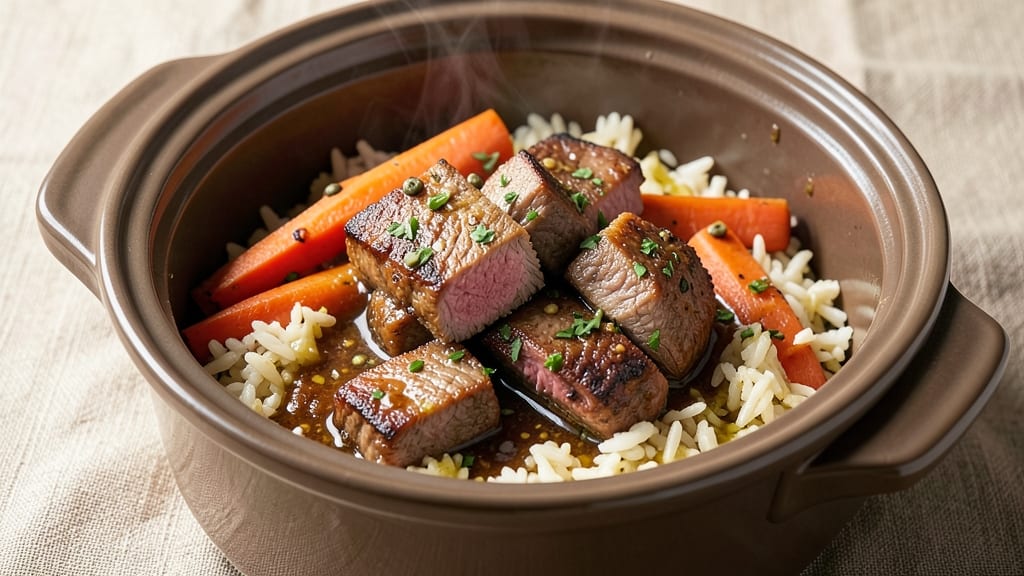
This beef and rice pressure cooker recipe transforms tough cuts into melt-in-your-mouth tenderness while delivering perfectly fluffy grains—all in just 30 minutes. The secret lies in high-pressure cooking that breaks down connective tissue while keeping the rice separate until the very end, ensuring each bite delivers the ideal balance of texture and flavor. After years of testing, this method consistently delivers restaurant-quality results without the hours of simmering.
What sets this recipe apart is the two-stage process: beef cooks first under pressure to develop deep, savory flavors, then rice joins for the final minutes to absorb those rich juices while staying light and separate.
The pressure cooker also eliminates the risk of dried-out meat or mushy rice, common pitfalls in traditional stovetop methods. With simple ingredients and minimal hands-on time, this dish proves you don't need fancy techniques to create impressive weeknight meals.
The result is a pot filled with fork-tender beef chunks swimming in aromatic broth, served alongside perfectly fluffy rice that soaks up every last bit of flavor. Each bite offers that satisfying contrast—tender meat against fluffy grains—while the seasoning blend creates layers of savory depth.
This is the kind of meal that makes your home smell like a comfort food haven while requiring less effort than takeout.
Perfect for busy weeknights, meal prep, or feeding a crowd, this recipe scales effortlessly while maintaining its signature texture and flavor. The pressure cooker's efficiency means you'll have dinner on the table in less time than it takes to order delivery—without sacrificing quality.
Here's how to make it perfectly every time.
Ingredients for beef and rice pressure cooker
Restaurant-quality beef and rice in your pressure cooker—tender meat and fluffy grains ready in 30 minutes.
| Ingredient | Amount | Notes |
|---|---|---|
| Chuck Roast 🥩 | 1 ½ lb | Cut into 1.5-inch cubes |
| Long-Grain White Rice 🍚 | 1 cup | Uncooked, jasmine or basmati preferred |
| Yellow Onion 🧅 | 1 whole | Diced, medium size |
| Carrots 🥕 | 2 medium | Peeled, cut into chunks |
| Garlic Cloves 🧄 | 4 cloves | Minced, fresh preferred |
| Beef Broth 💧 | 2 cups | Low-sodium preferred |
| Red Wine 🍷 | ½ cup | Dry, like Cabernet Sauvignon |
| Tomato Paste 🍅 | 2 tbsp | Smooth, no sugar added |
| Olive Oil 🫒 | 2 tbsp | Extra-virgin for richness |
| Salt 🧂 | 1 ½ tsp | Diamond Crystal kosher salt |
| Black Pepper 🌶️ | 1 tsp | Freshly ground preferred |
| Dried Thyme 🌿 | 1 tsp | Or 1 tbsp fresh thyme |
| Bay Leaves 🍃 | 2 whole | Removed before serving |
The chuck roast is non-negotiable for this recipe—its connective tissue transforms into melt-in-your-mouth tenderness under pressure. Look for well-marbled cuts at your local butcher or grocery store's meat department. If you're buying pre-cut cubes, check for even size (about 1.5 inches) to ensure consistent cooking. Costco often has excellent prices on chuck roast, and their vacuum-sealed packages keep the meat fresher longer. For the rice, jasmine or basmati varieties hold up best to pressure cooking and maintain their texture beautifully. If you prefer brown rice, increase cooking time by 5 minutes, but white rice stays truest to the original recipe's fluffy texture.
No red wine? Substitute an additional 0.5 cup of beef broth—the acidity from the wine helps tenderize the meat, but the broth delivers similar depth. Fresh thyme is ideal, but dried thyme at one-third the amount works perfectly if you're short on time. The tomato paste can be swapped for 1 cup crushed tomatoes if you prefer a chunkier sauce. For a deeper flavor without alcohol, add 1 tbsp balsamic vinegar to the broth. The carrots can be swapped for celery or potatoes if you prefer, but they add natural sweetness that complements the beef beautifully.
This recipe reheats exceptionally well—often better the second day as flavors meld further. Store leftovers in an airtight container in the fridge for up to 5 days, or freeze portions for 3 months. For meal prep, double the recipe and freeze half immediately—just thaw overnight in the fridge before reheating. The rice stays separate from the beef, making it perfect for portioning into individual containers. If you're serving a crowd, multiply the ingredients by 2.5 to serve 10 people, adjusting the pressure cooker size accordingly.
Why You'll Love This Recipe
- Ditch the Chopping: Honestly, I just slice the onions and carrots—no fancy dice, no tears. The pressure cooker handles the rest, turning tough chuck roast into fork-tender perfection with almost no effort.
- Deep, Savory Magic: That slow-cooked beef? It falls apart at the touch of a fork, soaking up the garlic and onions until every bite is rich and satisfying. (Yes, even my picky husband asks for seconds.)
- Meal Prep Hero: Make a big batch on Sunday—it reheats beautifully for lunches all week. The rice stays fluffy, and the beef keeps its texture, so it’s never sad leftovers.
- Budget-Friendly Feast: Chuck roast is cheap, and this recipe stretches it into a full meal for four (or more, if you’re feeding a crowd). No fancy ingredients, just pure, hearty comfort food.
Step-by-step instructions for beef and rice pressure cooker recipe
Transform tough chuck roast into fork-tender perfection alongside fluffy rice in just 30 minutes.
Sear the Chuck Roast for Maximum Flavor
Heat the pressure cooker on medium-high heat until hot. Add the 2 tablespoons olive oil and swirl to coat the bottom evenly. Working in batches if needed, add the 1.5 lb chuck roast cut into 1.5-inch cubes and sear for 2-3 minutes per side until deeply browned. This step develops the Maillard reaction, creating rich, caramelized flavors that penetrate the meat during cooking.
Remove the seared beef and set aside. In the same pot, add the 1 whole yellow onion and 2 medium carrots cut into chunks. Cook for 3-4 minutes until the onions soften slightly and the carrots begin to color. This pre-cooking prevents the vegetables from becoming mushy during the pressure cooking process.
Build the Flavor Base with Aromatics and Wine
Add the 4 cloves minced garlic and stir for 30 seconds until fragrant. Pour in the 0.5 cup red wine and scrape up any browned bits from the bottom of the pot using a wooden spoon. This deglazing captures all the flavorful fond created during searing. Let the wine simmer for 2 minutes until reduced by half.
Stir in the 2 tablespoons tomato paste, 1.5 teaspoons salt, 1 teaspoon black pepper, and 1 teaspoon dried thyme. Cook for 1 minute to toast the spices and deepen their flavors. Return the seared beef to the pot along with the pre-cooked onions and carrots.
Layer and Pressure Cook for Perfect Results
Add the 1 cup uncooked long-grain white rice and stir gently to combine all ingredients. Pour in the 2 cups beef broth and add the 2 whole bay leaves. Place the lid on the pressure cooker, making sure it's sealed properly according to your model's instructions. Set the cook time for 20 minutes on high pressure.
Once the cooking cycle completes, allow the pressure to release naturally for 10 minutes before quick-releasing any remaining pressure. This gradual release prevents the rice from becoming mushy and allows the meat to absorb all the flavorful juices. The natural release also helps maintain the rice's perfect texture—fluffy yet firm.
Rest and Serve for Maximum Tenderness
Remove the lid carefully and let the mixture rest for 5 minutes before serving. This resting period allows the meat to reabsorb its juices, ensuring each bite is moist and flavorful. Remove and discard the bay leaves before serving. The beef should be fork-tender enough to pull apart easily, while the rice remains separate and fluffy.
Serve immediately with additional black pepper if desired. The combination of tender beef, aromatic vegetables, and perfectly cooked rice creates a satisfying one-pan meal that's ideal for busy weeknights. For extra richness, you can drizzle with a bit of the cooking liquid from the pot.
Pro Tips For Making Beef And Rice Pressure Cooker
- SEAR THE ROAST FIRST: Chuck roast loves a good crust, and skipping the sear means flavor hiding in the sauce instead of on the meat. Get your pot hot—smoking hot—then work in batches if needed. Brown all sides for 2-3 minutes each; the extra effort keeps the beef juicy and the dish from tasting like a slow-cooker experiment.
- CHOP ONIONS AND CARROTS SMALL: I used to slice onions into half-moons and carrots into thick coins, thinking it’d look fancy. Wrong. Tiny dice (1/4-inch or less) cooks faster, soaks up flavors better, and blends into the rice without weird texture surprises. Your pressure cooker will thank you—no more waiting for the veggies to catch up.
- DON’T OVERLOAD THE POT: Stuffing the pot with too much rice or beef means soggy grains and undercooked edges. Aim for 1 cup rice to 2.5 cups liquid, and cut the roast into 1.5-inch chunks—big enough to stay tender but small enough to cook through. Crowding turns a pressure cooker into a steamer, and nobody wants mushy rice.
- USE COLD WATER FOR RICE: Sounds counterintuitive, but starting with cold water (instead of hot) prevents the rice from absorbing too fast and turning gummy. Add the rice raw, then pour in cold broth or water, and seal the lid. The pressure cooker’s heat will bring everything to temp without turning your rice into glue. Trust me, I’ve made this mistake at least five times.
Wine and beer pairings for this recipe
Red Wine Pairings
This rich, savory beef and rice dish pairs beautifully with a dry red wine that complements the deep flavors without overpowering them. I recommend a medium-bodied Cabernet Sauvignon—its blackcurrant and cedar notes harmonize perfectly with the pressure-cooked beef's caramelized crust and the wine's acidity cuts through the richness.
For something lighter, try a Chianti—its bright acidity and cherry undertones refresh your palate between bites. 🍷
If you prefer a bold option, go for a Malbec from Argentina. Its dark fruit and smoky undertones enhance the beef's natural richness while standing up to the pressure cooker's concentrated flavors.
For a budget-friendly choice, Pinot Noir offers earthy notes that pair surprisingly well with the dish's aromatic vegetables.
Beer Pairings
A dark lager like Samuel Adams Black Lager works wonderfully—its toasted malt and caramel sweetness mirror the dish's savory depth while providing a smooth finish. For a hoppier option, try a German-style bock beer like Ayinger Celebrator—its malty sweetness balances the dish's hearty flavors beautifully. 🍺
If you're a fan of IPAs, opt for a session IPA like Dogfish Head 60 Minute IPA—its citrusy hop profile brightens the meal without clashing. Avoid overly bitter beers, as they can overpower the dish's delicate balance of meat and rice.
For a non-alcoholic option, root beer with a vanilla-forward flavor (like A&W Root Beer) adds a fun, nostalgic twist.
White Wine Alternatives
If red wine isn't your preference, a dry white wine can work surprisingly well. A Chardonnay with oaky notes (like Kendall-Jackson Vintner's Reserve) adds a creamy texture that complements the tender beef.
For something crisp, try a Sauvignon Blanc—its citrus and herbal notes cut through the dish's richness. 🍷
If you're using beef broth instead of wine, a white wine like Pinot Grigio can still elevate the meal. Its clean acidity helps balance the dish's savory flavors without competing. For a non-alcoholic option, sparkling apple cider adds a festive touch while refreshing your palate.
Cocktail Pairings
For a fun twist, serve a Manhattan—its sweet vermouth and bittersweet cherry notes mirror the dish's depth. A Whiskey Sour with bourbon and citrus also works well, balancing the meal's richness with a tangy finish.
For something lighter, try a gin and tonic with a rosemary garnish—the herbal notes complement the thyme in the dish. 🍸
If you're feeling adventurous, a smoky mezcal cocktail (like a Mezcalita) adds an unexpected but delicious contrast to the beef's savory profile. Just be mindful of the heat—it should complement, not overpower, the meal.
Nutrition facts
Frequently asked questions
Can I use a different cut of beef instead of chuck roast?
Yes! For best results, choose cuts with good connective tissue like stew meat or short ribs. Avoid lean cuts like sirloin—they won't become as tender. If using short ribs, reduce cooking time by 3 minutes since they're already more tender. The pressure cooker works magic on tougher cuts, so embrace the marbling!
Why does my rice turn out mushy in the pressure cooker?
This usually happens when rice absorbs too much liquid during cooking. Always use 1 cup uncooked rice to 2 cups liquid ratio, and never stir the rice during pressure cooking—this releases starches that make it gummy. The natural 10-minute release is critical for perfect texture. If it's still mushy, try rinsing the rice before adding it.
How do I adjust this recipe for a 6-quart pressure cooker?
Double all ingredients to serve 8 people: 3 lb chuck roast, 2 cups rice, 4 cups broth, and 1 cup wine. Increase cooking time to 25 minutes on high pressure to account for the larger volume. Use a 1:1 rice-to-liquid ratio to prevent sticking. The extra space prevents overcrowding that can lead to uneven cooking.
Can I make this recipe without red wine?
Replace the 0.5 cup red wine with 0.5 cup beef broth plus 1 tbsp balsamic vinegar for similar acidity. The vinegar adds depth without alcohol. For extra richness, add 1 tbsp tomato paste to compensate for lost wine flavor. The dish will still be delicious—just slightly less complex.
What's the best way to reheat leftovers?
Reheat in the pressure cooker for 5 minutes on high pressure with 2 tbsp water to restore moisture. Alternatively, warm in a skillet with a splash of broth over medium heat for 3-4 minutes, stirring gently. Never microwave—it makes the rice dry and the beef rubbery. Leftovers actually taste better the next day as flavors meld!