
Soups & Stews
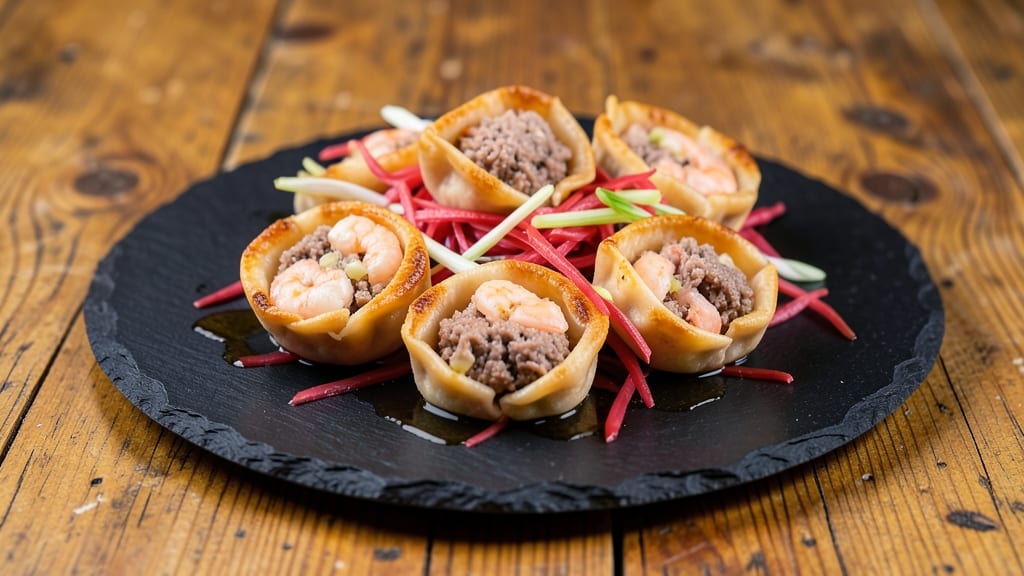
This beef and shrimp siomai recipe delivers the perfect balance of tender shrimp, savory ground beef, and aromatic fillings wrapped in delicate dumpling skins. ✨ Inspired by Filipino-Chinese traditions, these steamed dumplings are a restaurant favorite that's surprisingly simple to recreate at home.
The secret lies in the umami-rich filling and proper steaming technique for that signature bite.
What sets these siomai apart is the combination of sweet, savory, and slightly tangy flavors in the filling—garlic, ginger, and soy sauce form the flavor base, while shrimp and ground beef provide texture and richness.
The dumpling wrappers should be pliable but not sticky, creating those iconic half-moon shapes that steam up beautifully. This recipe ensures each bite delivers juicy fillings with a delicate wrapper that holds its shape.
By following this method, you'll achieve restaurant-quality siomai with tender shrimp that stays moist, perfectly seasoned beef, and wrappers that steam to golden perfection. The aroma alone will have everyone gathering around the table, and the results are worth every step of the process.
Serve with classic soy-vinegar-chili dipping sauce for the full experience.
Whether you're making these for a special occasion or a weeknight treat, this recipe delivers authentic flavor with a professional touch. The technique is approachable yet produces results that impress even the most discerning diners. Let's get started on creating these delicious steamed dumplings!
Ingredients for beef and shrimp siomai
Restaurant-quality siomai starts with these 15 ingredients for perfect balance of texture and flavor.
| Ingredient | Amount | Notes |
|---|---|---|
| Large Shrimp (Peeled, Deveined) 🦐 | 1 ½ lb | Tail-on for presentation |
| Ground Beef (80/20 Lean-to-Fat Ratio) 🥩 | 1 lb | Finely ground for texture |
| Garlic Cloves 🧄 | 6 cloves | Minced for aromatic base |
| Fresh Ginger 🌿 | ½ cup | Finely grated, zesty |
| Light Soy Sauce 🍶 | ¼ cup | For umami depth |
| Oyster Sauce 🥣 | ⅛ cup | Kikkoman preferred |
| Sesame Oil 🫒 | 1 tbsp | Toasted for aroma |
| Sugar 🍚 | 1 tbsp | Balances flavors |
| Shaoxing Wine (or Dry Sherry) 🍷 | ⅛ cup | Substitute with rice wine |
| Green Onions 🧅 | 4 whole | Thinly sliced, white/green |
| Siomai Wrappers (Square Dumpling Skins) 🍜 | 48 pieces | Store-bought or homemade |
| Water (for steaming) 💧 | 4 cups | Enough for 1-inch depth |
| Vegetable Oil (for sealing) 🫒 | 1 tbsp | Light brushing only |
| Salt 🧂 | ½ tsp | Fine sea salt |
| White Pepper 🌶️ | ¼ tsp | Freshly ground |
The shrimp and beef are non-negotiable here—shrimp should be fresh or thawed properly (never frozen solid). Costco or Asian markets often have the best selection for large batches. For ground beef, 80/20 ratio ensures juiciness without greasiness. The wrappers? H Mart or 99 Ranch carry the best store-bought versions—look for pliable but not sticky. Fresh ginger and garlic are essential; pre-minced jars lack the punch. If substituting, powdered ginger at half the amount works in a pinch, but texture suffers.
No Shaoxing wine? Dry sherry or rice wine bridges the flavor gap—just add a splash more soy sauce to compensate. The oyster sauce is where umami happens; Kikkoman is reliable, but homemade reduces sodium. For extra richness, add 1 tsp of fish sauce (check for pescatarian approval). Green onions should be white and green parts separated—white for filling, green for garnish. The sesame oil is for aroma only; don't overdo it. And if your wrappers crack during folding, brush with water to reseal them.
Prep the filling ahead and refrigerate for up to 2 days—flavors meld beautifully. Wrappers freeze well too; thaw between damp towels to prevent brittleness. Steamed siomai reheats best in a steamer basket over boiling water for 5 minutes. Leftovers keep 3 days refrigerated or 3 months frozen. For freezing, steam first, then store in a single layer before bagging. The dipping sauce? Equal parts soy, vinegar, and chili oil—keep it simple.
Why You'll Love This Recipe
- No-Fuss Filling: I swear by the 80/20 beef—it stays juicy while the shrimp adds that satisfying bite. Honestly, the filling comes together in one bowl with just a knife and a spoon, no fancy techniques.
- Umami Bomb: That light soy sauce and fresh ginger? It’s the secret weapon here. The garlic hits just right, but the real magic is how the beef and shrimp flavors marry together—salty, sweet, and a little funky in the best way.
- Party or Pantry: Make a big batch for game day or freeze half for lazy nights. Between us, these are my go-to for potlucks because they’re easy to share and always disappear fast.
- Budget Flex: Shrimp might seem fancy, but buying frozen peels saves cash, and the beef stretches far. I’ll be real: my grocery bill stays low, but my dinner table stays happy—especially when leftovers reheat like they’re fresh.
Step-by-step instructions for beef and shrimp siomai
Master the art of making these delicate dumplings with perfectly balanced fillings.
👨🍳 Step 1: Prepare the Protein and Aromatics
In a large mixing bowl, combine the 1.5 lb large shrimp (peeled, deveined) with the 1 lb ground beef (80/20 lean-to-fat ratio). The fat ratio is crucial here—it keeps the filling moist and flavorful during steaming. Gently mix with your hands until evenly combined, breaking up any large shrimp pieces for uniform texture.
In a separate small bowl, finely mince the 6 cloves garlic cloves and grate the 0.5 cup fresh ginger using a microplane or fine grater. The ginger should resemble wet sand in texture. Add these to the shrimp-beef mixture along with the 0.25 cup light soy sauce, 0.125 cup oyster sauce, 1 tbsp sesame oil, 1 tbsp sugar, 0.125 cup shaoxing wine (or dry sherry), 0.5 tsp salt, and 0.25 tsp white pepper. Mix thoroughly until all ingredients are fully incorporated and the filling has a glossy, cohesive appearance.
🍳 Step 2: Thinly Slice Green Onions and Chill the Filling
Using a sharp knife, thinly slice the 4 whole green onions into ¼-inch rings, separating the white and green parts. The white portion adds subtle sweetness, while the green provides freshness. Set aside for later use.
Cover the filling mixture and refrigerate for at least 30 minutes (up to 2 hours). This chilling step is essential—it firms up the shrimp slightly and prevents the filling from leaking during steaming. When ready, remove the filling from the fridge and let it sit at room temperature for 10 minutes before assembly to ensure pliable wrappers.
🥘 Step 3: Assemble the Siomai
Place one siomai wrapper in the palm of your hand, leaving about ½ inch of excess on the sides. Add 1 teaspoon of the filling mixture to the center of the wrapper. Be gentle—overfilling will cause leaks. Fold the wrapper diagonally to form a triangle, then pleat the edges by pinching and folding the excess wrapper inward, creating a tight seal. Repeat with remaining wrappers and filling, working quickly to maintain wrapper pliability.
For presentation, leave the shrimp tails intact—they'll peek out from the pleats when steamed. Arrange the assembled siomai on a plate lined with parchment paper, leaving ½ inch of space between each dumpling to prevent sticking during steaming.
🔥 Step 4: Steam to Perfect Doneness
Bring 4 cups water to a boil in a steamer basket or large pot with a rack. Once boiling, carefully place the steamer basket inside (ensure water doesn't touch the dumplings) and cover tightly. Steam over medium-high heat for 8-10 minutes until the wrappers turn translucent and the filling is fully cooked through. Avoid lifting the lid during steaming—this releases steam and prolongs cooking time.
To test doneness, carefully remove one dumpling and cut it open. The filling should be hot but not boiling, with no pink remaining in the shrimp or beef. If needed, steam for an additional 1-2 minutes. Transfer the steamed siomai to a serving platter and let rest for 2 minutes before serving to allow the filling to set slightly.
🍽️ Step 5: Seal and Serve
Lightly brush the tops of the siomai with 1 tbsp vegetable oil using a pastry brush. This step creates a golden, glossy finish and enhances the dumplings' delicate texture. Serve immediately with a side of chili oil or soy-vinegar dipping sauce for dipping. The contrast of the warm, savory filling with the cool, slightly crisp wrappers makes each bite unforgettable.
Pro Tips For Making Beef And Shrimp Siomai
- Chop Shrimp Small: I learned this the hard way—whole shrimp chunks in siomai make for uneven cooking. Dice those peeler-deveined tails into ½-inch pieces so they cook at the same rate as the ground beef. No one wants a half-raw shrimp surprise when the beef’s already done.
- Pulse Garlic-Ginger Paste: Skip the knife for garlic and ginger—pulse them in a food processor until you’ve got a fine, sticky paste. This distributes flavor evenly through the beef-shrimp mix and cuts down on those pesky chewy bits that ruin the texture. (Yes, even if you’re impatient like me.)
- Don’t Overmix the Filling: After combining beef, shrimp, and seasonings, stop stirring once everything’s just combined. Overworking the mix makes siomai dense and tough—like eating a meatball instead of a tender dumpling. A few streaks of raw meat in the center? That’s fine; it’ll cook through.
- Steam on High First: Start siomai on high heat for the first 3 minutes to seal the wrappers and lock in moisture. Then drop to medium-low to finish steaming—this prevents soggy wrappers and ensures the filling stays juicy. (Your future self will thank you when they’re not wrestling with a waterlogged dumpling.)
Dietary considerations for this recipe
Pescatarian Adaptations
Since shrimp is already a star in this recipe, you can easily make these siomai fully pescatarian by swapping the ground beef for finely chopped scallops or extra shrimp (about 1 lb more).
For texture, I like adding 1 tbsp of finely chopped mushrooms or water chestnuts to mimic the beef's bite. The filling stays rich and satisfying while keeping it seafood-focused. 🦑
Gluten-Free Options
Traditional siomai wrappers contain wheat, but gluten-free versions work beautifully. Brands like King Arthur or Shiniku make pliable, square dumpling skins that hold up well to steaming.
For the filling, ensure your soy sauce is tamari-based (like San-J brand) and check oyster sauce for hidden gluten—Annie Chun's gluten-free oyster sauce is a reliable swap. The flavor profile remains intact with these adjustments. 🌾
Low-Sodium Considerations
This recipe naturally contains 1,200mg+ sodium from soy and oyster sauces, but you can reduce it by half by using low-sodium soy sauce (like Kikkoman Low-Sodium) and homemade oyster sauce (simmer 2 tbsp oyster extract with ¼ cup water).
Boost umami with 1 tsp fish sauce (check for gluten-free if needed) or extra garlic and ginger. Taste as you go—these additions add depth without extra salt. 🧂
Vegetarian Swaps
For a vegetarian version, replace the shrimp with extra-firm tofu (pressed and crumbled) and the beef with mushrooms (shiitake or oyster, finely chopped). Add 1 tbsp of vegetarian oyster sauce (like Lee Kum Kee) and 1 tsp of mushroom powder to enhance umami.
The texture stays hearty, and the filling remains flavorful. 🍄
Allergen-Friendly Tips
Watch for shellfish allergies (shrimp) and gluten (wrappers/sauces). For nut-free kitchens, avoid cross-contamination by using separate utensils. If making ahead, store filled siomai in parchment-lined containers to prevent sticking. Always double-check labels on sauces—Kikkoman and Annie Chun's offer allergen-friendly options. 🛡️
Nutrition facts
Frequently asked questions
Can I use frozen shrimp for this siomai recipe?
Yes, but thaw them properly first! Place frozen shrimp in a sealed bag submerged in cold water for 10-15 minutes until just thawed. Never use frozen shrimp straight from the freezer—they'll release excess water and make your filling soggy. Pat them completely dry before mixing with the beef to maintain texture.
Why are my siomai wrappers cracking when I fold them?
Wrappers crack from being too dry or overfilled. Keep them covered with a damp towel while working to maintain pliability. Use 1 teaspoon filling max per wrapper—overfilling creates pressure that tears the skin. If they dry out mid-folding, lightly brush with water and reseal. Practice makes perfect!
How do I make the filling flavor more intense?
For deeper flavor, marinate the shrimp and beef mixture for 30 minutes before assembling. Add 1 tsp fish sauce (if pescatarian-friendly) or extra garlic (8 cloves) to the filling. Toast the sesame oil before adding and use dark soy sauce (1 tbsp) for richer color and umami. Let the filling rest overnight for maximum flavor development.
Can I boil siomai instead of steaming?
Boiling works but requires adjustments. Use gentle simmering water (not boiling) for 6-8 minutes—vigorous boiling makes wrappers tough. Add 1 tbsp oil to the water to prevent sticking. For best texture, steaming is preferred as it creates that signature delicate wrapper. If boiling, serve immediately to avoid sogginess.
What's the best way to reheat leftover siomai?
Reheat in a steamer basket over boiling water for 5 minutes—this preserves the delicate texture. Avoid microwaving as it makes wrappers rubbery. For extra crispiness, pan-fry reheated siomai in 1 tsp oil over medium heat for 1-2 minutes per side. Keep them covered with a damp towel while reheating.