
Soups & Stews
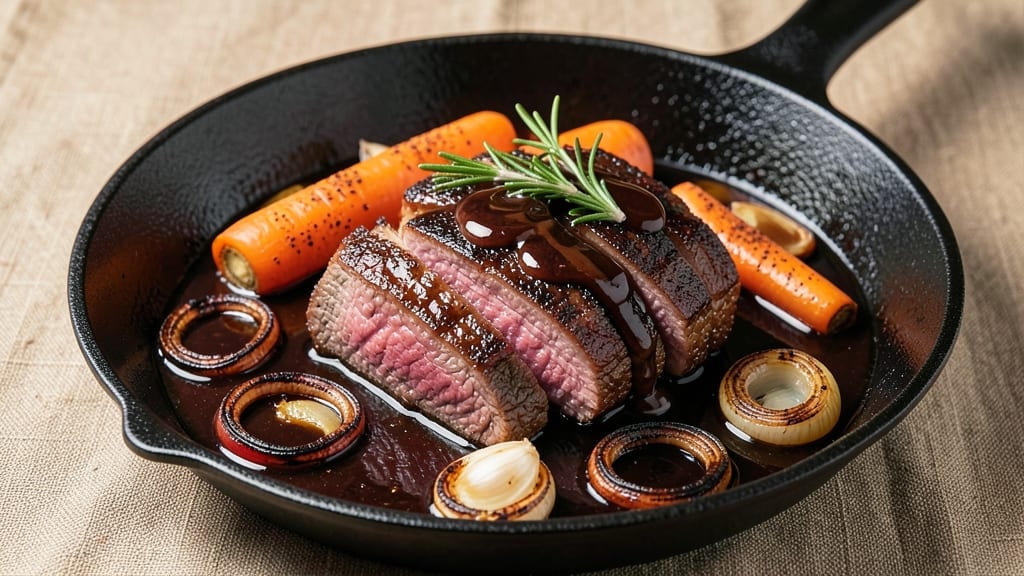
This beef and stout recipe transforms tough cuts into melt-in-your-mouth perfection using dark ale as the secret weapon. The deep, roasted spices and malty richness of stout create a flavor profile that's impossible to resist, turning simple beef into something extraordinary.
What sets this dish apart is the marriage of bold beer flavors with traditional braising techniques—resulting in tender meat that practically falls apart at the touch of a fork.
The process begins with a marinade where stout infuses the beef, tenderizing it while building layers of flavor. From there, slow cooking at 325°F ensures the meat becomes fork-tender without drying out, while the stout reduces into a glossy, aromatic sauce.
This method isn't just about flavor—it's about transforming an ordinary cut into something restaurant-worthy with minimal effort.
By the time you're ready to serve, you'll have beef that's so rich and flavorful it becomes the star of any meal. The stout's caramel notes and roasted maltiness complement the beef's natural depth, creating a sauce that's perfect for drizzling over every bite.
This dish pairs beautifully with creamy mashed potatoes or crusty bread to soak up every last drop of that velvety sauce.
Whether you're cooking for a crowd or treating yourself to a special dinner, this beef and stout recipe delivers hearty, satisfying results that feel like a hug in a bowl. The best part? You'll want to make it again and again—each time better than the last.
Ingredients for beef and stout
Pantry staples meet bold flavors for this rich, stout-infused beef masterpiece.
| Ingredient | Amount | Notes |
|---|---|---|
| Chuck Roast 🥩 | 3 lb | Well-marbled for tenderness |
| Dark Stout Beer 🍺 | 2 cups | Guinness or similar |
| Onion 🧅 | 1 whole | Yellow, chopped |
| Carrot 🥕 | 2 whole | Medium, chopped |
| Garlic Cloves 🧄 | 4 cloves | Fresh, minced |
| Tomato Paste 🍅 | 2 tbsp | Squeeze tube preferred |
| Worcestershire Sauce 🍶 | 1 tbsp | Vegetarian if needed |
| Dried Thyme 🌿 | 1 tsp | Or 1 tbsp fresh |
| Ground Black Pepper 🌶️ | 1 tsp | Freshly cracked |
| Ground Cumin 🌿 | 1 tsp | Toasted for depth |
| Smoked Paprika 🌶️ | 1 tsp | For roasted notes |
| Olive Oil 🫒 | 2 tbsp | Extra-virgin preferred |
| Salt 🧂 | 1 ½ tsp | Kosher or sea salt |
| Beef Broth 💧 | 1 cup | Low-sodium preferred |
The chuck roast is your secret weapon here—look for a cut with good marbling (those white fat streaks) at Costco or your local butcher. Guinness or another dark stout is non-negotiable for that deep malty flavor, but if you can't find it, porter or even a robust dark ale will work in a pinch. The tomato paste might seem like overkill, but trust me, it rounds out the beer's bitterness beautifully. For the spices, Penzeys or the bulk section at Whole Foods always have the freshest ground cumin and smoked paprika—worth the extra few cents for that restaurant-quality depth.
No dark stout? Beef broth plus 1 tbsp balsamic vinegar mimics the caramel notes pretty well. Fresh thyme is ideal, but dried works at one-third the amount—just make sure it's labeled as culinary-grade. The Worcestershire sauce adds that umami punch, but if you're vegetarian, vegetarian Worcestershire or soy sauce does the trick. For the onions and carrots, don't peel them too thin—those skins add color and texture to the braise. And if you're prepping ahead, chop everything the night before—it saves time and makes the cooking process a breeze.
This dish tastes even better the next day, so make extra if you can—it reheats beautifully. Store leftovers in an airtight container for up to 5 days in the fridge, or freeze portions for 3 months. The sauce thickens as it cools, so add a splash of beef broth when reheating. I like to portion it into individual containers with a side of mashed potatoes—lunch for the week sorted. And if you've got any extra stout, save it for another batch or use it in stews—it's that good.
Why You'll Love This Recipe
- One-Pot Wonder: I swear by this recipe because it’s literally one pan, one pot, and done. Chuck roast gets tender without babysitting—just brown it, dump in the beer and veggies, and walk away. (Yes, even on a Tuesday night.)
- Deep Umami Magic: That dark stout isn’t just for drinking—it’s the secret weapon. The roast soaks up the maltiness while the garlic and caramelized onions build layers of flavor you’ll want to linger over. Between us, the first bite has me reaching for seconds before the plate’s empty.
- Leftovers That Shine: This dish begs to be made ahead. The flavors actually get better after a day or two in the fridge—perfect for meal prep or feeding unexpected guests. I’ve reheated slices straight from the fridge in a pan with a splash of stout, and no one’s ever complained.
- Budget-Friendly Feast: Chuck roast is the ultimate stretch—affordable, hearty, and forgiving. A single cut feeds four, and the beer adds depth without breaking the bank. Honestly, it’s the kind of meal that makes grocery day feel like a win.
Step-by-step instructions for beef and stout braising
Here's how to transform tough chuck roast into melt-in-your-mouth beef using dark ale and aromatic spices.
Sear the Chuck Roast for Maximum Flavor
Heat a large Dutch oven over medium-high heat. Add the 2 tablespoons olive oil and let it get shimmering hot. Pat the 3 lb chuck roast completely dry with paper towels—this ensures a proper sear. Place the roast in the pan and sear on all sides until deeply browned, about 8-10 minutes total. You're building flavor through the Maillard reaction here, so don't rush this step.
Once browned, remove the roast and set it aside on a plate. The goal is to get that beautiful crust while keeping the interior tender. If you notice any browned bits sticking to the bottom, don't scrape them out yet—we'll use them later to deepen the sauce's flavor. This initial searing is what makes the difference between good braised beef and extraordinary braised beef.
Build the Aromatic Base with Onions, Carrots, and Garlic
In the same Dutch oven, add the 1 whole onion and 2 whole carrots, both chopped into ½-inch pieces. Cook them for 5-6 minutes until they begin to soften and caramelize slightly. This process develops sweetness that will carry through the entire dish. Stir occasionally to prevent burning.
Add the 4 cloves garlic cloves, minced, and cook for another 30 seconds until fragrant. Here's where the magic starts happening—the combination of caramelized vegetables and garlic creates a flavor foundation that's impossible to replicate with raw ingredients. If you notice the garlic starting to brown too quickly, reduce the heat slightly to prevent bitterness.
Create the Spice and Beer Mixture
Stir in the 2 tablespoons tomato paste, 1 tablespoon Worcestershire sauce, 1 teaspoon dried thyme, 1 teaspoon ground black pepper, 1 teaspoon ground cumin, 1 teaspoon smoked paprika, and 1.5 teaspoons salt. Cook for 1 minute until the spices are toasted and fragrant—this activates their flavors and makes them more potent.
Pour in the 2 cups dark stout beer and scrape up any browned bits from the bottom of the pan. These bits, called fond, are packed with concentrated flavor. Let the mixture simmer for 3-4 minutes until it reduces by about half. This step develops depth in the sauce and ensures the beer's malty richness carries through to the finished dish. The alcohol will cook off during braising, leaving behind the perfect balance of bitterness and sweetness.
Braise the Beef Until Fork-Tender
Return the chuck roast to the Dutch oven, along with the 1 cup beef broth. Bring everything to a gentle simmer, then reduce the heat to low. Cover the pot and let it cook for 3 hours—this is where patience pays off. The low and slow cooking breaks down the tough muscle fibers, transforming the chuck roast into tender, melt-in-your-mouth beef.
After 3 hours, check the internal temperature with a meat thermometer. It should read 200-205°F—this is the "probe-tender" stage where the meat is so tender it practically falls apart. If it's not quite there, continue cooking for another 30-60 minutes. The beauty of braising is that it's hard to overcook—just keep an eye on the liquid level and add a splash of water or broth if it gets too low.
Finish and Serve with Rich Sauce
Once the beef reaches the perfect tenderness, carefully remove it from the pot and set it aside. Strain the braising liquid through a fine-mesh sieve into a saucepan and skim off any excess fat if desired. Return the sauce to medium heat and simmer for 5-7 minutes until it thickens slightly. This reduces the sauce and makes it cling better to the beef.
Slice the beef against the grain into ¼-inch thick slices and serve it with the reduced sauce spooned over the top. The result should be incredibly tender beef with a rich, complex sauce that balances the deep flavors of the dark stout and aromatic spices. Serve with crusty bread to soak up every last drop of that delicious sauce—this dish is best enjoyed immediately when everything is at its peak.
Pro Tips For Making Beef And Stout
- Brown the Roast Hard: That crust on your chuck isn’t just for looks—it’s where all the flavor lives. Sear it in batches over medium-high heat until it’s deep brown, almost black in spots, before adding the beer. I used to rush this, and the dish always tasted flat afterward. Take your time here.
- Slice Carrots Thin: Skip the chunks—thinly sliced carrots (about 1/8-inch thick) cook faster and soak up the stout’s richness without turning to mush. If you’re lazy, use a mandoline, but a sharp knife works too. Trust me, they’ll disappear into the sauce if you do this right.
- Deglaze Aggressively: After browning the meat, don’t just splash in the beer—scrape up every stuck-on bit with a wooden spoon first. That’s where half the flavor is hiding. A quick 30-second scrape before adding liquid makes a real difference in depth.
- Use Two Stouts: One for cooking, one for finishing. The first stout (say, 2 cups) does the heavy lifting in the pot, but save a splash of the same (or a different dark stout) to deglaze the pan at the end. The second hit brightens the sauce and cuts through the richness. Sounds weird, but it works—like a backup singer for your main act.
Serving suggestions for this recipe
Classic Pairings
Serve this rich beef and stout dish with creamy garlic mashed potatoes—their buttery texture contrasts beautifully with the deep beer flavors. I like to make a big batch and keep it warm in a slow cooker on low heat.
For a lighter option, roasted Brussels sprouts with a sprinkle of balsamic glaze add freshness that cuts through the richness. 🥔
Bread Suggestions
No beef and stout meal is complete without crusty sourdough bread or a fresh baguette to soak up every drop of sauce. I recommend toasting slices and rubbing them with a garlic clove before serving.
For an extra touch, sprinkle flaky sea salt and fresh parsley on top. If you're feeling fancy, try cheesy pull-apart bread—it's perfect for sharing and adds a fun interactive element.
Vegetable Sides
For a heartier meal, add caramelized onions—their sweetness complements the malty stout perfectly. I sauté them in butter and a pinch of thyme until golden brown. Another great option is roasted root vegetables like parsnips and carrots, tossed with olive oil, rosemary, and a touch of honey.
These sides add color and balance to the rich beef while keeping the meal well-rounded. 🥕
Sauce Enhancements
If you want to elevate the sauce even further, finish it with a drizzle of high-quality olive oil or a sprinkle of fresh thyme leaves right before serving. For extra depth, add 1 teaspoon of Dijon mustard to the reduced sauce while it's still warm.
The tanginess brightens the flavors and ties everything together beautifully. Trust me, this little trick makes a world of difference!
Cheese Pairings
For dessert or a savory finish, pair this dish with aged cheddar or blue cheese—their sharp flavors stand up to the richness of the beef and stout. I like to serve a small board with crackers, nuts, and dried fruit alongside the main course.
If you're feeling adventurous, try a stout-infused cheese board by adding a few ounces of dark chocolate (70% or higher) to complement the beer notes. 🧀
Nutrition facts
Frequently asked questions
Can I substitute stout beer with another type of beer?
A dark stout like Guinness is ideal for its deep malty flavor, but you can use a robust porter or even a dark ale in a pinch. Avoid light beers—they won't provide the same richness. For a non-alcoholic version, use beef broth plus 1 tablespoon balsamic vinegar to mimic the caramel notes. The key is balancing the beer's bitterness with sweetness from the tomato paste and onions.
How do I know when the beef is tender enough?
Use a meat thermometer to check the internal temperature—it should reach 200-205°F for fork-tender results. If you don't have a thermometer, cut into a small section: the meat should separate easily with minimal resistance. The 3-hour braising time is a good guideline, but some cuts may need 30-60 minutes extra for larger roasts.
Can I make this recipe in a slow cooker?
Sear the beef first, then transfer everything to a slow cooker and cook on low for 6-8 hours or high for 4-5 hours. The slow cooker's gentle heat works perfectly for tenderizing the meat. Just add ½ cup extra beef broth to prevent drying out. The sauce will be thinner, so reduce it on the stovetop before serving.
What's the best way to reheat leftovers?
Reheat gently in a skillet with a splash of beef broth or the original braising liquid over low heat for 5-7 minutes. Avoid microwaving—it can make the sauce watery. For extra richness, add a pat of butter or a drizzle of olive oil. Leftovers taste even better the next day, so make extra if you can!
Why did my sauce turn bitter?
Bitterness usually comes from over-reducing the beer or using too much tomato paste. To fix it, stir in 1 teaspoon sugar or honey to balance the flavors. For prevention, don't let the beer reduce too aggressively—simmer gently for just 3-4 minutes after adding it. Also, ensure you're using a dark stout rather than a lighter beer.