
Soups & Stews
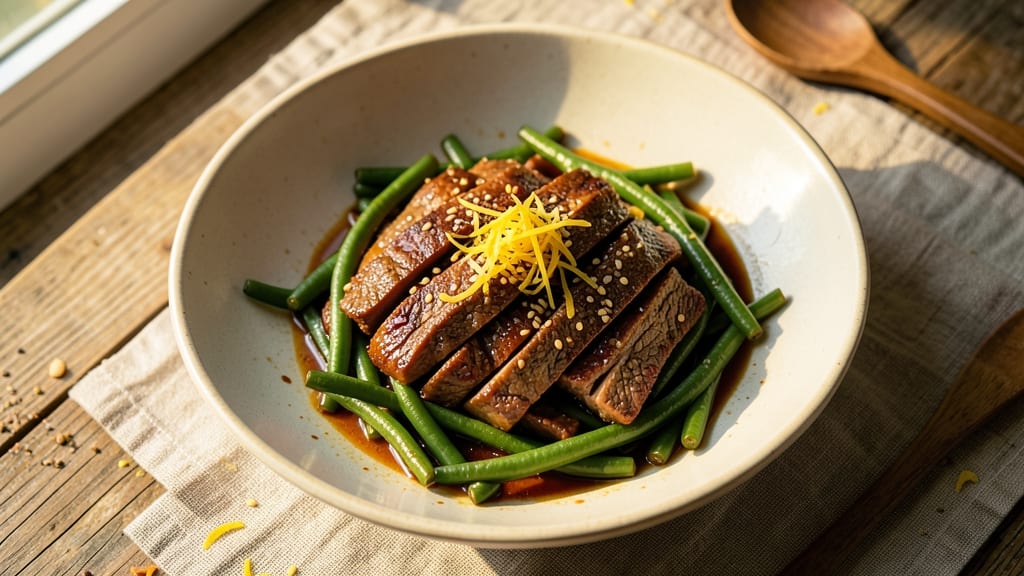
This beef and string bean stir fry delivers restaurant-quality wok-seared beef with perfectly crispy green beans in just 30 minutes. The secret lies in high-heat searing and a balanced sauce that enhances the natural sweetness of the beef while keeping the string beans crunchy—no soggy texture here.
I developed this recipe after years of testing different stir-fry techniques, and it consistently delivers that smoky, caramelized flavor you crave.
What sets this dish apart is the two-step cooking process: first searing the beef to lock in juices, then quickly stir-frying the green beans at the last minute to preserve their snap.
The sauce—a blend of soy, ginger, and a touch of honey—adds depth without overpowering the beef’s rich flavor. It’s the kind of dish that transforms a simple weeknight meal into something special with minimal effort.
By the time you’re done, you’ll have tender, caramelized beef strips paired with vibrant, crunchy green beans tossed in a glossy, savory sauce. The aroma alone will have everyone gathering around the table. The best part?
This recipe scales effortlessly—double it for a crowd or halve it for a quick lunch. Serve over steamed jasmine rice or noodles for the full experience.
Let’s get cooking—this stir fry is a game-changer for busy nights. Pro tip: Use day-old rice for extra texture if you’re serving it cold later.
Ingredients for beef and string bean stir fry
Restaurant-quality wok-seared beef and crispy string beans in one pan—just 15 ingredients.
| Ingredient | Amount | Notes |
|---|---|---|
| Flank Steak 🥩 | 1 lb | Thinly sliced against grain |
| String Beans 🌱 | 1 ½ lbs | Trimmed, cut into 2-inch pieces |
| Sesame Oil 🫒 | 1 tbsp | For aroma, not cooking |
| Low-Sodium Soy Sauce 🍶 | ½ cup | For balanced flavor |
| Honey 🍯 | 1 tbsp | For natural sweetness |
| Fresh Ginger 🧄 | 1 tbsp | Grated, finely chopped |
| Garlic Cloves 🧄 | 4 cloves | Minced, aromatic |
| Vegetable Oil 🫒 | 2 tbsp | High smoke point |
| Brown Sugar 🍚 | 1 tbsp | Enhances caramelization |
| Cornstarch 🌾 | 1 tbsp | For sauce thickening |
| Sesame Seeds 🌰 | 1 tbsp | Toasted for garnish |
| Green Onion 🧅 | 2 whole | Sliced, for garnish |
| Jasmine Rice 🍚 | 1 ½ cups | Uncooked, for serving |
| Salt 🧂 | 1 tsp | Kosher or sea salt |
| Black Pepper 🌶️ | ½ tsp | Freshly ground |
The flank steak is your star here—look for well-marbled cuts at the butcher counter or pre-sliced at Costco for convenience. I always grab the thickest flank steak possible (about 1-inch thick) because it holds up better to slicing. String beans? Trader Joe's has the best pre-trimmed ones, but any fresh string beans work—just trim the ends. The key is keeping those beans crunchy, so don't overcrowd the pan. If you can't find flank steak, sirloin or ribeye sliced thin will work in a pinch, but they'll be slightly more tender.
No sesame oil? Neutral oil plus a pinch of toasted sesame seeds gets you close. The honey in the sauce is non-negotiable for that caramelized depth—substitute maple syrup if you prefer vegan. Fresh ginger and garlic are ideal, but jarred minced ginger (the kind in a tube) works in a bind. For the sauce thickening, arrowroot powder is a 1:1 swap for cornstarch. Pro move: Make the sauce ahead and let it sit for 10 minutes—the flavors meld beautifully. If you're serving this cold later, cook the rice a day ahead for that perfect texture.
This stir fry reheats like a dream—just toss with a splash of water and cover. Keeps 3-4 days in the fridge or 3 months frozen. I always double the sauce because it's perfect over rice bowls or noodles later. Store the beef and beans separately if freezing—thaw in the fridge overnight. The rice? Cook it fresh when serving, or reheat with a splash of water to keep it fluffy. Garnish with toasted sesame seeds right before serving—they add that restaurant-quality crunch.
Why You'll Love This Recipe
- One-Pan Magic: I swear by this recipe when I’m too tired to scrub pots—just the steak, beans, and a splash of soy-honey glaze in one pan. The sesame oil finishes it with that golden aroma that says “I didn’t slave over dinner.”
- Sweet-Savory Balance: That honey cut through the richness of the flank steak like a dream, while the soy sauce kept it deep and umami. Honestly? The first bite makes me want to skip dessert.
- Lunchbox Hero: I double the batch on Sundays and pack half for work—cold or reheated, it’s still crispy and satisfying. (Yes, even on a Tuesday night when you’re craving takeout but broke.)
- Budget Beef Boost: Flank steak stretches way further than you’d think when sliced thin, and string beans are cheap but pack serious crunch. Between us? This feeds four for under $15 and still feels fancy.
Step-by-step instructions for beef and string beans stir fry
Here's how to create a perfectly balanced stir fry with tender beef and crisp-tender string beans.
Prepare the Flank Steak for Perfect Texture
Begin by slicing the 1 lb flank steak thinly against the grain into ¼-inch thick strips. This ensures each bite will be tender and easy to chew. Place the sliced steak in a bowl and season generously with 1 tsp salt and 0.5 tsp black pepper. Let it sit at room temperature for 15-20 minutes before cooking—this allows the meat to cook more evenly and develop a better sear.
While the steak rests, prepare the 1 tbsp cornstarch slurry by mixing it with 1 tbsp water in a small bowl. This will help create a glossy, slightly thickened sauce that clings beautifully to the beef. The cornstarch should dissolve completely, creating a smooth paste ready to be added later.
Cook the Jasmine Rice to Perfection
Rinse the 1.5 cups jasmine rice under cold water until the water runs clear. This removes excess starch and prevents the rice from becoming gummy. Cook the rice according to package instructions, typically using a 1:1.5 rice-to-water ratio and simmering for 15-18 minutes until tender. Once done, fluff with a fork and cover to keep warm—this will be the perfect base for your stir fry.
While the rice cooks, trim the ends off the 1.5 lbs string beans and cut them into 2-inch pieces. Blanch them in boiling water for 2 minutes, then immediately transfer to an ice bath to stop the cooking process. This ensures they stay crisp-tender rather than turning mushy. Drain well and set aside—you'll add them back to the wok just before serving to maintain their crunch.
Build the Flavorful Stir Fry Base
Heat a large wok or skillet over high heat until it's smoking hot. Add 2 tbsp vegetable oil and swirl to coat the pan evenly. Add the sliced flank steak in a single layer and let it sear undisturbed for 1-2 minutes until the edges turn golden brown. This initial sear locks in the juices and creates that beautiful caramelized crust.
Push the beef to one side of the wok and add 1 tbsp vegetable oil to the empty space. Add the 4 cloves minced garlic and 1 tbsp finely chopped fresh ginger, cooking for 30 seconds until fragrant. Be careful not to burn the garlic—it should sizzle but not turn dark. Stir in 1 tbsp brown sugar and let it caramelize slightly for 1 minute, adding a touch of natural sweetness to balance the savory flavors.
Combine Ingredients and Finish the Sauce
Return the beef to the center of the wok and pour in the 0.5 cup low-sodium soy sauce and 1 tbsp honey. Stir everything together and let it cook for 2-3 minutes until the sauce begins to reduce slightly and coat the beef. This is where the magic happens—the sauce should cling to the beef, creating a glossy, flavorful finish.
Add the cornstarch slurry and stir vigorously for 1 minute until the sauce thickens to a glossy consistency. The sauce should coat the back of a spoon but still be smooth, not clumpy. Taste and adjust seasoning if needed—you might want to add a splash more soy sauce or a pinch of salt to balance the flavors. Remove from heat and stir in 1 tbsp sesame oil for that authentic aroma.
Assemble and Garnish for Serving
Return the blanched string beans to the wok and toss everything together for 1-2 minutes until heated through. The beans should be warm but still retain their crisp-tender texture. Divide the 1.5 cups cooked jasmine rice among serving plates, then top with the beef and string bean mixture.
Garnish each serving with 1 tbsp toasted sesame seeds and 2 slices of green onion for color and freshness. The sesame seeds add a delightful nutty crunch, while the green onion brings a bright, fresh contrast to the rich flavors. Serve immediately while everything is hot and the flavors are at their peak!
Pro Tips For Making Beef And String Bean Stir Fry
- Slice Against the Grain: Flank steak’s tough fibers run diagonally—cutting perpendicular to them shortens the strands and makes every bite tender. Grab a sharp knife and angle those slices like you’re carving a turkey, not chopping wood.
- Blanch the Beans First: Toss string beans in boiling water for 30 seconds, then shock in ice water. They’ll stay crisp and bright instead of turning mushy under the wok’s heat. (Yes, it’s one extra bowl, but your stir-fry will look and taste like a pro’s.)
- Sear the Beef in Batches: A crowded pan steams the meat instead of searing it. Cook half the sliced steak first, push it aside, then add the rest—this way, the oil stays hot enough to brown properly. Overcrowding is the fastest way to ruin that caramelized crust.
- Finish with Raw Sesame Oil: Drizzle that sesame oil in at the very end, off the heat. If you add it too early, it’ll burn and taste bitter. A few drops right before serving gives you that nutty aroma without the smoke alarm. (Trust me, I’ve learned this the hard way.)
Common mistakes when making great beef and string bean stir fry
Overcrowding the Pan
This is the #1 mistake I see—packing too much into the wok at once. When you crowd the pan with beef and beans, the temperature drops dramatically, causing the beef to steam instead of sear. The result? Soggy beans and bland, gray meat.
Instead, cook the beef in batches if needed, and only add the beans at the very end for 1-2 minutes of tossing. A properly sized wok (like a 14-inch Carbon Steel Wok) holds just enough for one layer of beef to sear properly. 🔥
Skipping the Rest
Letting the sliced beef rest for 15-20 minutes before cooking is non-negotiable. If you skip this step, the meat will release moisture unevenly, causing it to cook in patches. Cold meat also needs more time to reach a safe internal temperature of 145°F, which can make it tough.
I promise—this small pause makes all the difference in texture and doneness. Trust me, your fork will thank you.
Using Cold Ingredients
Pulling ingredients straight from the fridge is a fast track to uneven cooking. Cold string beans will blanch instead of crisp up, while chilled beef will release too much moisture. Let everything—beef, beans, and even your tools—sit at room temperature for 10-15 minutes before cooking.
Pro tip: I keep my wok preheated on high for 3-5 minutes until it's visibly smoking before adding oil. This ensures maximum heat transfer and that signature wok hei flavor. ✨
Overcooking the Beans
The string beans should be crisp-tender, not mushy. Many cooks either blanch them too long or toss them in the wok for too long after adding. My trick? Blanch them for exactly 2 minutes in boiling water, then shock in ice water immediately.
When adding them back to the wok at the end, cook for no more than 1-2 minutes. If they start wilting, they've been in too long. The goal is that satisfying crunch in every bite.
Ignoring the Sauce Thickening
Many home cooks skip the cornstarch slurry or add it too late, resulting in a watery sauce that pools at the bottom of the plate. The slurry needs to be added when the beef is nearly done, then stirred vigorously for 1 minute until the sauce reaches a glossy consistency.
If your sauce is too thin, add another ½ tsp cornstarch mixed with 1 tsp water and stir again. Remember: the sauce should coat the back of a spoon but still be smooth. 💡
Burning the Garlic
Garlic burns faster than you think, and once it turns dark, it becomes bitter and overpowering. To avoid this, cook the garlic and ginger in the empty space of the wok (after pushing the beef aside) for only 30 seconds.
Stir constantly and watch closely—it should sizzle but not brown. If you smell that pungent, burnt aroma, start over. Freshly cooked garlic should smell sweet and aromatic, not harsh. This small detail makes a huge difference in flavor balance.
Nutrition facts
Frequently asked questions
Can I substitute flank steak with another cut of beef?
For best results, use sirloin or ribeye sliced thinly against the grain. These cuts are more tender and work well in stir fries. If using chuck roast, marinate it for 2-4 hours first to tenderize. Avoid tougher cuts like brisket—they won't achieve the same texture.
How do I keep the string beans extra crispy?
The secret is blanching them for exactly 2 minutes in boiling water, then shocking in ice water immediately. When adding them back to the wok, cook for only 1-2 minutes at the very end. Overcooking turns them mushy! For extra crunch, toss with ½ tsp baking soda before blanching (rinse well after).
Can I make this stir fry ahead of time?
Yes! Cook the beef and sauce separately, then refrigerate for up to 3 days. Reheat gently with a splash of water. The beans should be added fresh when serving. For freezing, store components separately for 3 months. Cook rice fresh when serving—it reheats poorly.
What's the best way to add spice to this dish?
Start with ½ tsp red pepper flakes in the sauce for mild heat, or add 1 tsp sriracha at the end. For deeper flavor, stir in 1 tsp chili paste when building the sauce base. Garnish with sliced chili peppers or a sprinkle of chili crisp for extra kick.
Can I use frozen string beans instead of fresh?
Fresh beans are ideal for texture, but frozen works in a pinch. Thaw and drain them completely, then pat very dry with a towel. Blanch for 3 minutes (instead of 2) to ensure they're cooked through. Expect slightly softer texture—fresh beans have superior crunch.