
Soups & Stews
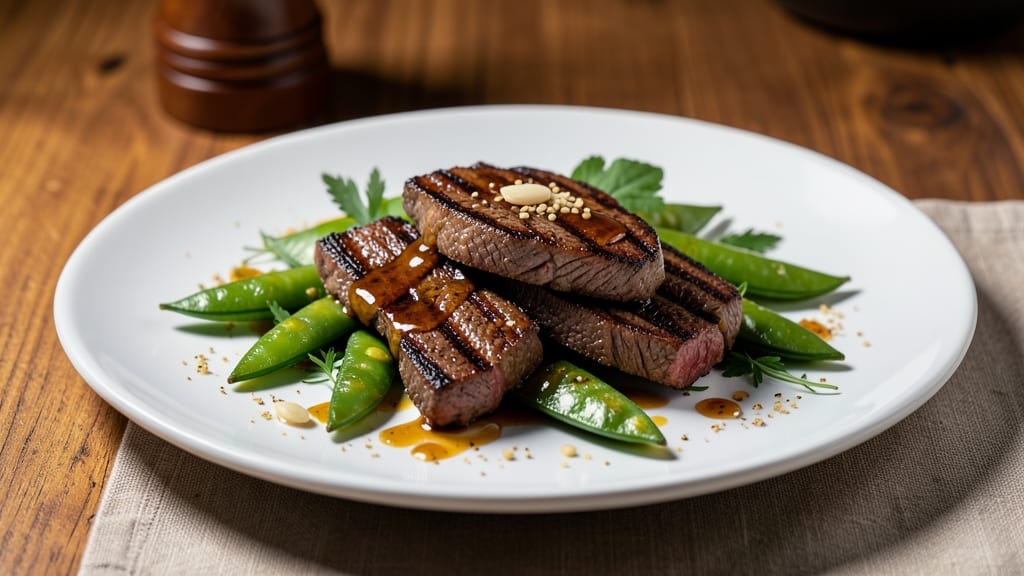
This beef and sugar snap peas recipe transforms a simple stir-fry into a sweet-glazed masterpiece with crunchy texture that balances tender beef and crisp vegetables.
The secret lies in a caramelized sauce that coats every bite—just the right amount of sweetness to complement the savory beef and snap peas' natural crunch. I developed this dish after years of perfecting stir-fry techniques, ensuring the beef stays juicy while the snap peas maintain their signature snap.
The foundation of this recipe is high-heat searing for the beef, followed by a quick toss in a honey-soy glaze that caramelizes beautifully. Sugar snap peas are blanched just enough to soften slightly while preserving their crunchy texture, then tossed in the same glaze for maximum flavor absorption.
This method delivers restaurant-quality results in under 30 minutes, making it perfect for weeknight dinners or special occasions.
What sets this dish apart is the harmony of textures—tender beef, crisp snap peas, and a glossy glaze that ties everything together. The sauce isn’t overly sweet; instead, it enhances the natural flavors of the beef and vegetables, creating a balanced, satisfying bite.
Serve it over steamed rice or noodles for a complete meal, or pair it with a side of steamed greens for extra freshness.
This recipe is versatile enough for any meal—quick weeknight dinners or elegant gatherings. The sweet-glazed elements make it feel special without requiring extra effort, and the crunchy snap peas add a refreshing contrast to the rich beef.
Whether you're feeding a family or hosting guests, this dish delivers bold flavors and impressive results with minimal fuss.
Ingredients for beef and sugar snap peas
This stir-fry's secret lies in balancing tender beef and crisp snap peas with a caramelized honey-soy glaze.
| Ingredient | Amount | Notes |
|---|---|---|
| Flank Steak 🥩 | 1 ¼ lb | Thinly sliced against grain |
| Sugar Snap Peas 🥕 | 2 cups | Fresh, trimmed ends |
| Honey 🍯 | ½ cup | Pure, unprocessed preferred |
| Low-Sodium Soy Sauce 🍶 | ⅓ cup | Kikkoman preferred |
| Sesame Oil 🫒 | 1 tbsp | Toasted, not flavored |
| Garlic Cloves 🧄 | 4 cloves | Minced, fresh preferred |
| Fresh Ginger 🌿 | 1 tbsp | Grated, peeled |
| Brown Sugar 🍚 | 2 tbsp | Packed, light variety |
| Vegetable Oil 🫒 | 2 tbsp | High smoke point |
| Sesame Seeds 🌾 | 1 tbsp | Toasted, for garnish |
| Diamond Crystal Kosher Salt 🧂 | 1 tsp | For seasoning |
| Black Pepper 🌶️ | ½ tsp | Freshly ground |
| Long-Grain White Rice 🍚 | 1 ½ cups | Uncooked, for serving |
The flank steak is non-negotiable for this dish—its lean yet tender texture holds up perfectly to high-heat searing. Look for center-cut steaks at Whole Foods or your local butcher, as they have less connective tissue. Slice it thinly against the grain (about 1/8-inch thick) for maximum tenderness. If you can't find flank, sirloin or ribeye work in a pinch, though they'll be slightly more expensive. The snap peas should be bright green and crisp—avoid any with yellowing or soft spots, as they won't hold their crunch during cooking. Trader Joe's often carries pre-trimmed snap peas, saving you time.
No honey? Maple syrup or agave nectar work beautifully as a 1:1 substitute, though the flavor profile will shift slightly. The soy sauce is where depth happens—Kikkoman is my go-to, but any low-sodium brand will do. For extra umami, add 1 tsp fish sauce (if not vegetarian) or 1 tsp mushroom powder. The sesame oil should be toasted, not the flavored kind—La Choy makes a reliable toasted version. If you're avoiding gluten, tamari replaces soy sauce perfectly. The ginger needs to be freshly grated for the best zing; pre-minced ginger from jars lacks the same punch. For a quicker prep, use jarred minced garlic (just reduce to 2 cloves).
Store the cooked beef and snap peas separately in airtight containers for up to 3 days in the fridge—they reheat beautifully. The glaze can be made ahead and stored for 1 week in the fridge or 3 months frozen. For serving, I always steam the rice separately and toss the stir-fry with a drizzle of sesame oil right before plating. The dish tastes even better the next day as flavors meld—double batch and freeze half for lazy weeknights. Garnish with toasted sesame seeds just before eating to keep them crisp.
Why You'll Love This Recipe
- One-Pan Magic: I swear by this recipe when I’m too tired to scrub pots—just sear the flank steak, toss in the sugar snaps, and let the honey and soy sauce work their magic together. No pans, no stress, just flavor.
- Sweet-Savory Balance: That honey cutting through the umami of the soy and sesame oil? It’s like a little flavor explosion in your mouth, and the snap peas add this perfect crunch that keeps you coming back. Honestly, it’s the kind of dish that makes you want to eat straight from the pan.
- Lunchbox Hero: Between us, this is my go-to for meal prep—slice the beef thin, pack it with the peas, and you’ve got a lunch that feels fancy but costs next to nothing. My kids actually eat their veggies this way. (Yes, even on a Tuesday.)
- Leftovers That Don’t Suck: The flavors get better the next day, I’m not kidding. Toss cold slices into a wrap or over rice, and it’s still delicious. Plus, flank steak stretches far, so you’re not left with mystery meat at the bottom of the fridge.
Step-by-step instructions for sweet-glazed beef stir-fry
Master this balance of caramelized sweetness and savory depth with precise timing and technique.
Prepare the Flank Steak for Maximum Tenderness
Slice the 1.25 lb flank steak thinly against the grain into ¼-inch thick strips. This critical step ensures each bite remains tender despite quick cooking. Pat the slices dry with paper towels to remove any moisture—wet meat steams instead of searing.
In a small bowl, combine 1 tsp diamond crystal kosher salt, 0.5 tsp black pepper, 1 tbsp sesame oil, and 1 tbsp minced fresh ginger. Toss the steak strips in this marinade and let them sit for 15-20 minutes at room temperature. This brief marinating period enhances flavor while preventing over-marinating that could make the meat mushy.
Create the Sweet-Savory Glaze Base
In a small saucepan, combine 0.5 cup honey, 0.33 cup low-sodium soy sauce, 2 tbsp brown sugar, and 4 cloves minced garlic. Bring to a gentle simmer over medium heat, then reduce to low heat and let it cook for 8-10 minutes until slightly thickened and reduced by about ⅓. You'll notice the aroma deepen as caramelized notes develop.
Remove from heat and stir in 1 tbsp toasted sesame oil. This step balances the sweetness with nutty depth. The glaze should coat the back of a spoon and have a syrupy consistency—if it's too thin, return it to low heat for another 2-3 minutes to reduce further. Let it cool slightly before using.
Stir-Fry the Sugar Snap Peas to Crisp-Tender Perfection
Heat 2 tbsp vegetable oil in a wok or large skillet over high heat until shimmering. Add the 2 cups sugar snap peas, trimmed and halved lengthwise if large. Stir-fry for 3-4 minutes until they develop bright green color and just begin to soften at the edges—they should still offer slight resistance when pierced with a fork. Overcooking turns them mushy.
Remove the peas and set aside, tented with a clean kitchen towel to retain heat. Immediately wipe out the skillet with a paper towel to remove excess oil—this prevents the glaze from smoking when added later. The residual oil will be enough to create a flavorful base for the beef.
Sear the Beef in Batches for Even Cooking
Working in batches if needed, return the skillet to high heat until oil smokes slightly. Add half of the marinated steak strips in a single layer, spreading them out to prevent crowding. Let them sear undisturbed for 1-2 minutes until they develop a deep golden-brown crust on one side.
Flip the strips and cook for another 30-45 seconds until they reach medium-rare (internal temperature 130-135°F). Transfer to a plate and repeat with remaining beef. The high heat and quick cooking time are essential—this prevents the beef from becoming tough while developing that perfect sear.
Combine and Finish with Perfect Glaze Coating
Return all the beef to the skillet along with the sugar snap peas. Pour the cooled glaze over everything and toss vigorously for 1-2 minutes until the beef is evenly coated. The residual heat will gently cook the glaze into a glossy finish while keeping the beef tender.
Taste and adjust seasoning if needed—add a splash of low-sodium soy sauce if the dish needs more umami, or a pinch of salt if it's too sweet. Garnish with 1 tbsp toasted sesame seeds just before serving. Serve immediately over 1.5 cups cooked long-grain white rice to soak up the delicious glaze.
Pro Tips For Making Beef And Sugar Snap Peas
- SEAR THE STEAK FIRST: Walk away from the pan after that first sear—you’re not done until you see deep brown crusts, not just pink spots. Flank steak needs a hot cast-iron or heavy skillet to lock in juices, and rushing this step means bland, chewy beef later. (Yes, even if you’re impatient like me.)
- TRIM SNAPS LIKE A PRO: Snap peas don’t need washing—just a quick rinse and a dry towel wipe. Trim the fibrous ends after blanching (if you do), not before, or they’ll turn mushy. I learned this the hard way when my batch looked sad mid-cook.
- DON’T BOIL THE HONEY: Toss the snap peas in the honey-soy glaze off the heat—high heat turns honey bitter, and you’ll taste the difference. A quick stir while the pan’s still warm is enough; no need to simmer. (Your future self will notice.)
- USE SESAME OIL LAST: Add that last splash of sesame oil after everything’s off the heat—it burns in seconds and smells like regret. A teaspoon at the end brightens the dish without overpowering the beef’s caramelized edge. (Does it look weird? Yes. Does it work? Every single time.)
Storing and reheating your beef and sugar snap peas
Refrigerator Storage
Store the cooked beef and snap peas separately in airtight containers for up to 3 days—this prevents the snap peas from becoming soggy. I like using glass Pyrex containers with snap-on lids because they keep flavors fresh longer.
Let the dish cool completely before refrigerating to avoid condensation, which can make the glaze watery. 🥫
Freezer Prep
For longer storage, freeze the components separately. The beef freezes beautifully for up to 3 months—just portion it into single-serving bags with a bit of the glaze to preserve moisture.
The snap peas can be frozen raw (blanched first for 1 minute) in a single layer before transferring to a freezer bag. The glaze freezes well too—store it in an ice cube tray for easy portioning later. ❄️
Reheating Beef
Use a skillet over medium heat for the best results. Add the frozen beef strips directly to the pan with 1 tsp vegetable oil and cook for 2-3 minutes until heated through.
For thawed beef, reheat in the same way for 1-2 minutes. Avoid microwaving—it turns the beef rubbery. Always check the internal temperature reaches 165°F for safety. 🔥
Reviving Snap Peas
Reheat snap peas in a steamer basket over boiling water for 2-3 minutes until crisp-tender. Alternatively, toss them in a dry skillet over high heat for 1 minute to restore their crunch.
Never microwave them—they’ll lose all texture. If reheating from frozen, add ½ cup water to the steamer to create steam. 🥕
Glaze Refresh
If the glaze looks thick after reheating, thin it with 1 tsp water and warm gently. For extra richness, stir in ½ tsp toasted sesame oil before serving. The glaze actually improves overnight as flavors meld—this is why I double batch and freeze portions.
Just reheat it in a small saucepan over low heat for 2 minutes before tossing with the beef. 🍯
Serving Suggestions
Serve reheated beef and snap peas over freshly cooked rice to soak up any extra glaze. For extra crunch, sprinkle with toasted sesame seeds right before eating. Pair with a side of steamed bok choy or a simple cucumber salad to balance the richness.
The dish tastes even better the next day—double batch and freeze for lazy weeknights! 🍚
Nutrition facts
Frequently asked questions
Can I use frozen sugar snap peas in this recipe?
Yes, but with a few adjustments! Use 2 cups frozen snap peas (no need to thaw first). Add them to the skillet when the beef is nearly done, cooking for just 1-2 minutes until heated through. Frozen peas will release moisture, so reduce the glaze by 1 tbsp to prevent a watery stir-fry. Always check for ice crystals before cooking.
What's the best cut of beef for this recipe?
Flank steak is ideal for its tender yet beefy texture, but sirloin, ribeye, or even lean ground beef work well too. For ground beef, use 80/20 fat ratio and brown it thoroughly before adding the glaze. Avoid tougher cuts like chuck—they need longer marinating times and won't hold up to quick stir-frying.
How can I make this dish gluten-free?
Swap the soy sauce for tamari or coconut aminos (use the same amount). For extra umami, add 1 tsp fish sauce (if not vegetarian) or ½ tsp mushroom powder. Check your honey and sesame oil labels too—some brands process with gluten-containing additives. The recipe remains perfectly flavorful with these substitutions.
Why did my snap peas turn mushy?
Overcooking is the most common culprit! Snap peas need just 3-4 minutes at high heat—any longer and they release too much moisture. Always stir-fry them until they're bright green with slight softness at the edges (they should still resist a fork). Work in batches if needed, and never cover the pan while cooking.
Can I make this recipe in a slow cooker?
Not recommended—this dish relies on quick, high-heat searing for perfect texture. However, you could adapt it by browning the beef separately, then combining everything in the slow cooker on low for 2 hours. The snap peas will lose their crunch, but it makes a great saucy beef dish** for another day. For best results, stick to the stir-fry method.