
Soups & Stews
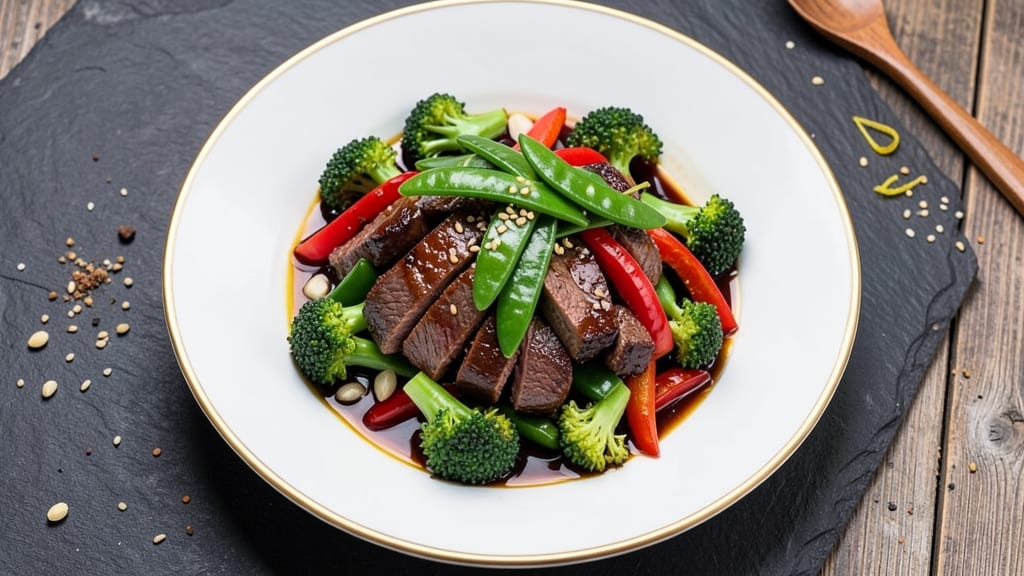
This beef and vegetable Chinese recipe captures the essence of wok-hei smoke in every bite—where tender beef meets crisp vegetables, all bathed in a savory sauce that sings with traditional flavors.
The secret lies in high-heat searing and quick cooking, preserving the natural sweetness of the beef while vegetables retain their satisfying crunch. I developed this recipe after years of testing what makes a stir-fry truly authentic yet adaptable for home cooks.
The foundation begins with thinly sliced beef marinated in a blend of soy sauce, cornstarch, and aromatics, ensuring it stays tender yet develops a subtle caramelized crust. Bell peppers, broccoli, and snap peas are prepped to cook in minutes—no soggy textures here.
The sauce, a balance of dark soy, oyster, and a touch of honey, adds depth without overpowering the dish's natural harmony.
What you'll achieve is a restaurant-quality stir-fry with wok-hei smoke clinging to every bite—smoky, aromatic, and perfectly balanced. The beef remains juicy, vegetables stay crisp-tender, and the sauce clings just enough to create that signature wok-fried texture.
This dish is as satisfying as it is adaptable, working for weeknight dinners or weekend gatherings.
Serve it over steamed rice or noodles, and don't forget the garnish of sesame seeds and sliced green onions. The aroma alone will have everyone at the table asking for seconds. Let's bring this Chinese stir-fry harmony to your kitchen.
Ingredients for beef and vegetable chinese
Thinly sliced beef, crisp vegetables, and aromatic sauce—this stir-fry brings restaurant-quality wok-hei to your kitchen.
| Ingredient | Amount | Notes |
|---|---|---|
| Flank Steak 🥩 | 1 ½ lb | Thinly sliced against grain |
| Red Bell Pepper 🌶️ | 1 whole | Cut into thin strips |
| Broccoli Florets 🥦 | 2 cups | Small florets, stems trimmed |
| Snap Peas 🌱 | 1 cup | Trimmed, whole pods |
| Garlic Cloves 🧄 | 4 cloves | Minced, aromatic base |
| Fresh Ginger 🌿 | 1 tbsp | Grated, fresh only |
| Dark Soy Sauce 🍶 | 2 tbsp | For deep color and flavor |
| Light Soy Sauce 🍶 | 1 tbsp | For balance of saltiness |
| Oyster Sauce 🍜 | 1 tbsp | Umami depth (vegan alternative available) |
| Cornstarch 🌾 | 2 tbsp | For velveting beef |
| Honey 🍯 | 1 tsp | For subtle sweetness |
| Sesame Oil 🫒 | 1 tsp | For aroma, added last |
| Neutral Oil 🫒 | 2 tbsp | High smoke point (vegetable or peanut) |
| Green Onions 🧅 | 2 whole | Sliced, for garnish |
| Toasted Sesame Seeds 🌾 | 1 tsp | For crunchy garnish |
The beef is everything here. Flank steak is ideal—lean but tender when sliced thin against the grain. Look for well-marbled cuts at Costco or your local butcher; the fat keeps it juicy. If you can't find flank, sirloin or ribeye work too, but slice them extra thin. The vegetables should be prepped uniformly—bell peppers in thin strips, broccoli florets no bigger than a golf ball, and snap peas trimmed. Asian markets often sell pre-sliced veggies, but fresh is always better. For the garlic and ginger, fresh is non-negotiable—powdered just won't cut it.
No dark soy sauce? Substitute with 1 tbsp molasses plus 1 tbsp regular soy sauce for color. Oyster sauce can be tricky to find—vegetarian oyster sauce works just as well, or use an extra tbsp of soy sauce plus a splash of hoisin. The cornstarch is key for that signature tender-crisp texture; don't skip it. If you're making this ahead, marinate the beef for up to 2 hours in the soy sauces, cornstarch, and honey—it develops amazing flavor. The snap peas can be swapped for snow peas or regular peas if you prefer, but they add that signature crunch.
This dish is best served immediately, but leftovers reheat beautifully in a steamer basket over boiling water. The sauce clings best to hot rice, so keep a pot steaming nearby. Store leftovers in an airtight container for 3-4 days—the flavors actually deepen overnight. For extra wok-hei aroma, light a piece of crumpled parchment paper on high heat in your wok for 10 seconds before cooking, then discard. Garnish with sesame seeds and green onions right before serving—those final touches make all the difference.
Why You'll Love This Recipe
- No-Fuss Protein Pack: I swear by flank steak here—it’s lean, tender when sliced right, and cuts into perfect bite-sized strips with just a quick chop. No tedious pounding or marinating overnight; a 10-minute prep and you’re golden.
- Umami Bomb Combo: That garlic? Oh, it’s cooked just enough—not overpowering, but deep and aromatic. The bell peppers add a sweet crunch, while the snap peas bring freshness, and the broccoli? It soaks up all the savory goodness like a sponge.
- Lunchbox Hero: Between us, this is my go-to for meal prep. Toss the leftovers into rice bowls the next day, or pack it cold for work—still tastes like you just cooked it. (Yes, even on a Tuesday night.)
- Budget Meal, Big Payoff: Flank steak stretches further than you’d think, and frozen veggies work just as well as fresh. I’ve made this for four people for under $15—filling, balanced, and no one’s left hungry.
Step-by-step instructions for beef and vegetable Chinese stir-fry
Here's how to create a restaurant-quality stir-fry with perfect wok-hei flavor and tender beef every time.
Velvet the Beef for Maximum Tenderness
In a medium bowl, combine the 1.5 lb flank steak sliced against the grain with 2 tablespoons cornstarch, 1 tablespoon light soy sauce, and 1 tablespoon dark soy sauce. Using your hands, work the mixture into the beef until every piece is evenly coated. This velveting process creates a silky texture that stays tender even after high-heat cooking.
Let the beef marinate for 15 minutes at room temperature while you prepare the vegetables. The cornstarch creates a protective barrier that prevents the beef from drying out during stir-frying. Don't skip this step—it's what transforms tough flank steak into melt-in-your-mouth bites.
Prepare the Vegetables for Even Cooking
Cut the 1 whole red bell pepper into thin strips (about ¼-inch thick) and trim the 2 cups broccoli florets to uniform size. Leave the 1 cup snap peas whole but trimmed. The goal is even-sized pieces so everything cooks simultaneously. Arrange all vegetables on a plate and sprinkle lightly with 1 teaspoon honey and 1 tablespoon dark soy sauce. Toss gently to coat.
While the vegetables marinate, mince the 4 cloves garlic and grate the 1 tablespoon fresh ginger. These aromatics form the flavor base of your stir-fry, so freshness matters. I like to use a microplane for the ginger to get fine, even shreds that distribute evenly throughout the dish.
Develop the Sauce Base
In a small bowl, whisk together 1 tablespoon oyster sauce, 1 tablespoon light soy sauce, and 1 teaspoon honey. This sauce mixture should be smooth and ready to go. The combination of dark and light soy sauces creates depth while the honey adds just enough sweetness to balance the savory flavors. Keep this mixture nearby as you'll add it at the end.
Here's the thing—this sauce needs to be ready to go when your beef is nearly done. If you're prepping ahead, you can make this mixture up to 24 hours in advance and store it in the refrigerator. Just give it a quick whisk before using to ensure all the flavors are properly integrated.
Stir-Fry with High Heat and Wok-Hei Technique
Heat a 14-inch wok or large skillet over high heat until it's smoking hot. Add 2 tablespoons neutral oil and swirl to coat the entire surface. When the oil shimmers, add the marinated beef in a single layer. Let it sear undisturbed for 1-2 minutes until the edges turn golden brown—this creates that coveted wok-hei flavor.
Stir the beef vigorously for 1-2 minutes until it's 80% cooked but still slightly underdone. Remove the beef and set aside. Add the prepared vegetables to the same wok and stir-fry for 3-4 minutes until they're bright green and just tender-crisp. The high heat should create visible smoke—this is your wok-hei signal.
Combine and Finish with Aromatics
Return the beef to the wok along with the prepared sauce mixture. Stir everything together for 1-2 minutes until the sauce coats all the ingredients evenly. The residual heat will finish cooking the beef while the sauce thickens slightly. Taste and adjust seasoning if needed—you might want to add a splash more light soy sauce if it's not salty enough.
Remove from heat and stir in 1 teaspoon sesame oil and 1 teaspoon toasted sesame seeds. The sesame oil adds aromatic depth while the seeds provide a delightful crunch. Garnish with sliced green onions and serve immediately over steamed jasmine rice. Each bite should deliver tender beef, crisp-tender vegetables, and that signature wok-hei smokiness that makes Chinese stir-fry so irresistible.
Pro Tips For Making Beef And Vegetable Chinese
- Slice Against the Grain: Flank steak’s tough fibers run diagonally—cut it at a 45-degree angle to shorten them. I used to ignore this and ended up with chewy bites, no matter how long I cooked it.
- Blanch the Broccoli First: Drop broccoli florets in boiling water for 30 seconds, then shock in ice water. This stops cooking and keeps them vibrant when stir-frying later—no more sad, limp florets by the time the beef’s done.
- Don’t Overcrowd the Pan: Cook the beef in batches if needed—even with a wok, too many pieces will steam instead of sear. I learned this the hard way when my first batch turned out gray and soggy instead of caramelized.
- Prep Snap Peas Early: Trim and halve snap peas while the beef rests (5-10 minutes under foil). They’ll crisp up faster when stir-fried, and you’ll avoid the scramble of prepping them mid-cook—especially if you’re also chopping garlic and peppers.
Wine and beer pairings for this recipe
Dry Riesling Pairing
A crisp, off-dry Riesling from Germany's Mosel region is my go-to pairing for this stir-fry. The wine's bright acidity cuts through the rich beef and soy sauce while its subtle honeyed notes complement the dish's sweetness.
Look for a 2021 Dr. Loosen Blue Slate Riesling—its mineral finish and peach undertones enhance the bell pepper and snap peas. Serve slightly chilled to preserve its refreshing qualities. 🍷
Light-Bodied Beer
For beer lovers, a Japanese lager like Asahi Super Dry or Sapporo Premium works beautifully. The clean, crisp profile prevents the beer from competing with the dish's bold flavors.
If you prefer something with a bit more character, try a Belgian witbier like Hoegaarden—its coriander and citrus notes add a refreshing contrast to the umami-rich beef. 🍺
Sake for Traditionalists
For an authentic touch, serve warm nigori sake (unfiltered) alongside the stir-fry. The slight sweetness and smooth texture mirror the dish's balance of flavors. I recommend Dassai Premium Nigori—its clean finish won't overpower the meal.
Alternatively, a dry junmai sake like Gekkeikan Premium offers a more traditional pairing with its clean, crisp profile. 🍶
Sweet Sparkling Wine
If you're serving this stir-fry as part of a larger meal, a Prosecco or Moscato d'Asti can bridge the gap between courses. The effervescence and light sweetness cleanse the palate while complementing the dish's honeyed sauce.
Opt for La Marca Prosecco—its bright acidity and floral notes elevate the dining experience. ✨
Herbal Tea Alternative
For a non-alcoholic option, jasmine green tea is a perfect match. Its floral aroma and subtle sweetness harmonize with the dish's vegetables and sesame notes. Brew Twinings Jasmine Pearl at a slightly cooler temperature to preserve its delicate flavors. Serve chilled for an invigorating contrast to the warm stir-fry. 🌿
Nutrition facts
Frequently asked questions
Can I substitute flank steak with another cut?
Yes! Sirloin or ribeye work well, but slice them thinner than flank steak (about ⅛-inch thick) since they're more tender. For leaner options, try chuck roast—just marinate it for 30 minutes longer to ensure tenderness. Avoid tough cuts like flank's cousin, skirt steak, as they need longer cooking times.
How do I get that smoky wok-hei flavor without a wok?
Use a cast-iron skillet or carbon steel pan on maximum heat until it's nearly smoking. Add 1 tsp neutral oil, then toss in ½ tsp crushed dried chili flakes or a small piece of crumpled parchment paper for 10 seconds to create smoke. Remove before cooking—this mimics wok-hei! A gas flame works better than electric for this effect.
What if my vegetables get mushy?
Overcrowding the pan is the #1 cause! Cook in two batches if needed, and use high heat—vegetables should cook for 3-4 minutes max. For broccoli, cut florets smaller than a golf ball and blanch in boiling water for 30 seconds before stir-frying. Snap peas and bell peppers are more forgiving—just keep stirring constantly.
Can I make this dish ahead of time?
Yes, but with a twist! Cook the beef and vegetables separately, then refrigerate in airtight containers for up to 2 days. When ready to serve, reheat in a steamer basket over boiling water for 2-3 minutes—this keeps everything crisp. The sauce should be made fresh to avoid thickening. Garnish with sesame seeds right before serving for maximum flavor.
What's the best rice to serve with this?
Jasmine rice is ideal—its floral aroma complements the dish perfectly. For extra authenticity, use short-grain Japanese rice like Koshihikari. Cook it slightly stickier than usual (use 1:1 rice-to-water ratio instead of 1:1.5). Serve in small individual bowls with the stir-fry on top for that classic restaurant presentation.