
Soups & Stews
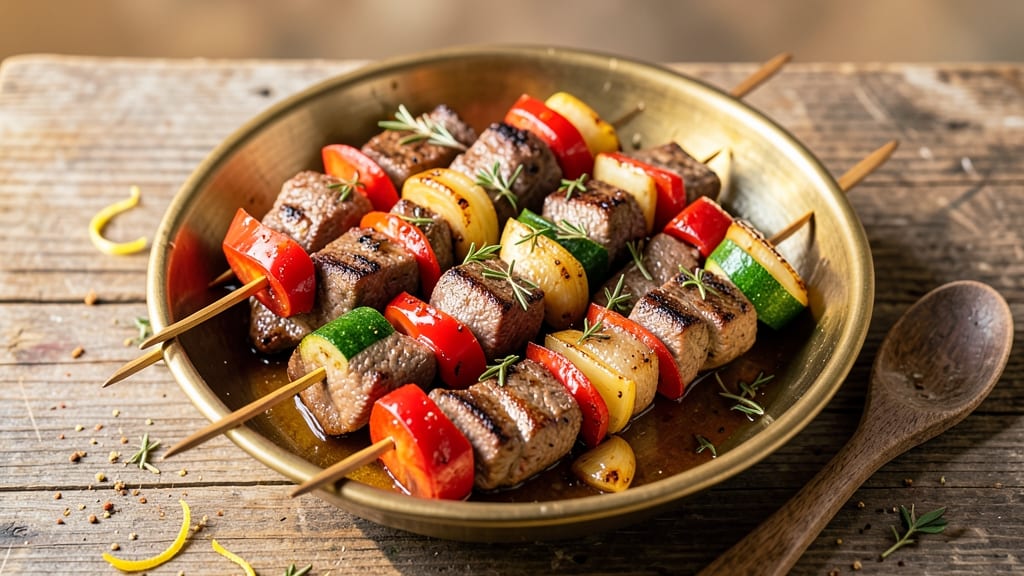
Mastering beef and vegetable kabobs transforms summer grilling into a restaurant-worthy experience. The secret lies in marinating the beef just long enough for tender, flavorful bites—without overpowering the natural taste—and pairing it with vegetables that caramelize beautifully on the grill.
This method delivers perfectly charred edges and juicy centers every time, whether you're using a gas grill, charcoal, or even a cast-iron skillet indoors.
What sets this recipe apart is the balance of bold flavors and simplicity. A classic marinade of olive oil, garlic, and herbs infuses the beef while keeping prep straightforward, and the vegetables—bell peppers, onions, and zucchini—add color and texture without complicating the process.
The key is skewering ingredients strategically to ensure even cooking and prevent burning.
By the time you finish grilling, you'll have kabobs that are rich, smoky, and packed with charred flavor—ideal for feeding a crowd or enjoying a relaxed summer dinner. The beef stays tender and juicy, while the vegetables develop a satisfying caramelization that enhances their natural sweetness.
Serve with a side of couscous or crusty bread to soak up every last bit of flavor.
This recipe works equally well for traditional grilling or modern twists, like pre-cooking the beef with sous-vide for extra tenderness. Whether you're a seasoned grill master or new to skewering, the step-by-step approach ensures foolproof results. Let's get started!
Ingredients for beef and vegetable kabob
Transform summer grilling with these premium ingredients designed for perfectly charred beef and vibrant vegetables.
| Ingredient | Amount | Notes |
|---|---|---|
| Flank Steak 🥩 | 1 ½ lb | Trimmed of fat, cut into 1-inch cubes |
| Red Bell Peppers 🧅 | 2 whole | Cut into 1-inch chunks, core removed |
| Yellow Onions 🧅 | 1 whole | Cut into 1-inch chunks, peeled |
| Zucchini 🥒 | 2 medium | Coreless, sliced into 1-inch rounds |
| Extra-Virgin Olive Oil 🫒 | ½ cup | For marinade and brushing |
| Garlic Cloves 🧄 | 6 cloves | Minced for marinade |
| Fresh Rosemary 🌿 | ¼ cup | Finely chopped, stems removed |
| Fresh Thyme Leaves 🌿 | ¼ cup | Finely chopped, stems removed |
| Diamond Crystal Kosher Salt 🧂 | 1 ½ tsp | For seasoning and marinade |
| Freshly Ground Black Pepper 🌶️ | 1 tsp | For seasoning |
| Wooden Skewers 🪵 | 12 whole | Soaked in water for 30 minutes |
| Lemon Juice 🍋 | ¼ cup | Freshly squeezed, for marinade |
The flank steak is non-negotiable for this recipe—its lean yet flavorful profile grills beautifully without drying out. Look for USDA Choice or Prime cuts at your local butcher shop or grocery store's meat counter. Whole Foods and Costco often carry high-quality flank steaks, but any reputable grocery store's meat department should have suitable options. Trim any visible fat before cubing, as it can cause flare-ups on the grill. For extra tenderness, consider marinating the beef for 4-6 hours rather than the minimum 2 hours—this ensures maximum flavor infusion without overpowering the natural beef taste.
No fresh rosemary? Fresh thyme or oregano work as substitutes, though rosemary's piney aroma is ideal for grilling. The zucchini can be swapped for mushrooms or cherry tomatoes if you prefer different textures. For the onions, red or yellow work equally well, but yellow onions have a slightly sweeter flavor when charred. If you're prepping ahead, store the cubed vegetables in airtight containers with a paper towel to absorb moisture—this prevents sogginess and keeps them crisp. The wooden skewers should be soaked in water for at least 30 minutes before use to prevent burning, but don't over-soak them or they'll fall apart on the grill.
Marinated beef and vegetables can be refrigerated for up to 24 hours before grilling, though the flavors are most vibrant when used within 8 hours. If grilling isn't in your immediate plans, freeze the assembled kabobs on a tray lined with parchment paper for up to 2 months—just thaw in the fridge overnight before cooking. The marinade itself keeps for 5 days in the fridge, so make extra if you're planning multiple grilling sessions. For best results, grill the kabobs over medium-high heat and turn frequently to achieve those coveted charred edges while keeping the centers juicy.
Why You'll Love This Recipe
- No Chopping Chaos: I swear by this trick—just slice the flank steak and veggies into big, even chunks. No dicing, no fuss, and the grill (or stovetop) does all the work while you sip your drink. That yellow onion? Toss it on whole—peel, cut in half, and skewer. Done.
- Smoky Char Magic: The moment those red bell peppers hit the grill, they blister into sweet, smoky perfection. Meanwhile, the flank steak gets that just-right sear—tender inside, crisp edges. Drizzle with extra-virgin olive oil first? Oh, it caramelizes the veggies like a dream. No marinade needed.
- Weeknight to BBQ Hero: Throw these together for a Tuesday dinner or double the batch for a summer potluck. The leftovers? Wrap them in tortillas with avocado the next day—suddenly, you’re a lunch savior. (Between us, my kids ask for these more than chicken nuggets.)
- Budget-Friendly Feast: Flank steak stretches further than you’d think, and bell peppers/onions/zucchini are the ultimate pantry stretchers. One steak feeds four, and the veggies? Buy a big bag, use half now, save the rest. Plus, olive oil goes a long way—no pricey sauces here. Just pure, satisfying flavor.
Step-by-step instructions for beef and vegetable kabobs
Master the art of skewering with this professional technique for perfectly balanced, charred kabobs.
Prepare the Marinade and Soak the Skewers
In a medium bowl, whisk together the 0.5 cup extra-virgin olive oil, 0.25 cup lemon juice, 6 cloves minced garlic, 0.25 cup finely chopped fresh rosemary, 0.25 cup finely chopped fresh thyme leaves, 1.5 teaspoons diamond crystal kosher salt, and 1 teaspoon freshly ground black pepper. This marinade should be vibrant and aromatic—you'll want the lemon to brighten the rich beef while the herbs add depth.
While the marinade rests, soak the 12 wooden skewers in water for at least 30 minutes. This prevents them from burning on the grill and ensures even cooking. I like to use a shallow dish and submerge them completely—this guarantees they're properly hydrated for when we assemble the kabobs. Let the skewers sit while you prepare the other components.
Cut and Marinate the Ingredients
Trim the 1.5 lb flank steak of any visible fat and cut it into 1-inch cubes. The flank steak should be uniform in size to ensure even cooking—any larger pieces will remain undercooked while smaller ones overcook. Place the steak cubes in a large resealable plastic bag and pour the marinade over them. Seal the bag and massage the marinade into the meat, ensuring every piece is coated. Refrigerate for at least 4 hours, or preferably overnight, for maximum flavor penetration.
While the steak marinates, prepare the vegetables. Cut the 2 whole red bell peppers into 1-inch chunks, remove the cores, and set aside. Peel and cut the 1 whole yellow onion into 1-inch chunks. Slice the 2 medium zucchini into 1-inch rounds, removing the cores. Arrange the vegetables on a baking sheet and drizzle lightly with any remaining marinade. This pre-marinating step ensures the vegetables absorb some of the herbaceous flavors without becoming soggy.
Assemble the Kabobs with Precision
Drain the marinated steak, shaking off any excess marinade, and transfer it to a large bowl. Add the prepared vegetables to the bowl and gently toss everything together. The goal here is to distribute the ingredients evenly—aim for a balance of two pieces of steak, one red bell pepper chunk, one yellow onion chunk, and one zucchini round per skewer. This ratio ensures each kabob has a harmonious bite with tender beef and charred vegetables.
Using the soaked skewers, carefully thread the ingredients onto each one, alternating between beef and vegetables. Start and end with a piece of beef to prevent the skewer from burning against the grill grates. I like to work quickly but methodically—this ensures the ingredients stay fresh and the assembly remains neat. Arrange the assembled kabobs on a platter, covering them loosely with plastic wrap to keep them moist until grilling.
Grill to Charred Perfection
Preheat your grill to high heat, around 450°F, and let it burn off any residual grease for 5-10 minutes. This high heat is crucial for achieving that signature charred flavor. Once the grill is ready, place the kabobs on the grates, leaving space between them for even heat distribution. Grill the kabobs for 8-10 minutes, turning occasionally, until the steak reaches an internal temperature of 145°F for medium-rare or 155°F for medium doneness.
You'll know they're ready when the steak develops a deep sear and the vegetables are tender with visible grill marks. The red bell peppers should soften slightly while retaining their shape, and the zucchini should be just tender enough to yield to gentle pressure. Remove the kabobs from the grill and let them rest on a cutting board for 5 minutes before serving. This resting period allows the juices to redistribute, ensuring each bite is moist and flavorful.
Pro Tips For Making Beef And Vegetable Kabob
- Marinate Flank Steak 4+ Hours: I learned this the hard way—flank steak is tough when rushed. Even 2 hours of marinade (olive oil, garlic, lemon juice, salt) makes a difference, but 4+ hours breaks down the fibers enough to keep it tender. No, you can’t skip this.
- Slice Onions Thinly: Thick onion chunks burn before they soften. Cut yellow onions into ¼-inch slices—thin enough to cook fast but not so small they fall off the skewer. (Yes, even if you’re impatient like me.)
- Preheat Grill to 400°F: Too low, and the beef turns gray and dry; too high, and the peppers char before the steak cooks. A screaming-hot grill for 2–3 minutes per side seals the beef while the veggies get tender. Start hot, finish lower if needed.
- Alternate Veggies on Skewers: Zucchini and bell peppers cook at different speeds. Thread them between the beef chunks so they don’t overcook while the steak rests. (Pro move: Brush veggies with olive oil first—they’ll caramelize faster.)
Storing and reheating this beef and vegetable kabob
Refrigerator Storage
Assembled kabobs stay fresh in the fridge for up to 24 hours when stored properly. After marinating, thread the ingredients onto skewers and arrange them in a single layer on a baking sheet. Cover loosely with plastic wrap and refrigerate—this prevents condensation from making the vegetables soggy.
I like to store them uncovered for the first 1-2 hours to let any excess moisture evaporate before covering completely. 🌡️
For prepped but unassembled ingredients, store the marinated beef and vegetables separately in airtight containers. The beef can marinate in the fridge for up to 48 hours, while the vegetables stay crisp for 3-4 days if kept dry.
Use a paper towel to absorb any excess liquid before sealing the container—this keeps everything fresh and ready for quick assembly.
Freezer Prep
Freeze uncooked kabobs for up to 2 months by arranging them on a parchment-lined tray. Once frozen solid, transfer to a freezer bag with 1 inch of headspace for expansion. Label with the date and thaw overnight in the fridge before grilling.
I recommend freezing them unassembled—just marinate the beef and chop the vegetables, then store in separate bags. Assemble fresh after thawing for best texture. ❄️
Grill Day Reheating
If you marinated the kabobs ahead but didn't assemble them, bring all ingredients to room temperature before skewering. For pre-assembled kabobs, let them sit at room temperature for 20-30 minutes before grilling. This ensures even cooking and prevents cold spots.
I avoid microwaving kabobs—they lose their crisp texture and become unevenly heated. Instead, use the grill's residual heat to warm them through gently before cooking to perfection.
Leftover Handling
Cooked kabobs keep for 3-4 days in the fridge if stored properly. Remove the meat from the skewers and store in an airtight container with the vegetables. Reheat gently in a skillet over medium heat for 3-4 minutes, adding 1 tablespoon water to prevent drying.
The vegetables will soften further but retain their charred flavor. For a quick fix, toss reheated kabobs with fresh herbs or a drizzle of balsamic glaze to revive their freshness. 💫
Make-Ahead Grilling
Prep the marinade and chop all ingredients the night before for a stress-free grilling day. Store the marinade in a jar and keep the chopped vegetables in a sealed container with a paper towel. The next morning, marinate the beef and assemble the kabobs right before grilling.
This approach saves time while ensuring the beef stays tender and the vegetables retain their crispness. I find this method especially helpful for busy weekends when you want to enjoy grilling without the prep hassle. 🌟
Nutrition facts
Frequently asked questions
Can I use metal skewers instead of wooden ones?
Metal skewers are a great alternative—they don't need soaking and can handle high heat without burning. For best results, use 6-inch stainless steel skewers and arrange the ingredients in the same alternating pattern. The metal conducts heat differently, so you may need to adjust grill time slightly, but they're ideal for quick cleanup and repeated use.
How do I prevent the vegetables from falling off the skewers?
Start by cutting vegetables into uniform 1-inch chunks—this ensures they hold together better. For extra security, thread a small piece of onion or bell pepper at both ends of the skewer before adding beef. The moisture from the vegetables helps them stay in place, but avoid overcrowding. If using zucchini, slice it slightly thicker (3/4-inch rounds) to maintain structure.
What's the best way to cook kabobs indoors?
Use a cast-iron skillet or grill pan over medium-high heat with a splash of oil. Cook for 3-4 minutes per side, turning once, until the beef reaches 145°F internally. For extra smoky flavor, place a small aluminum foil packet with wood chips on the skillet. If your pan lacks ridges, use a wire rack over a baking sheet to mimic grill marks.
Can I make these kabobs ahead of time and reheat them?
Yes, but with care! Assemble the kabobs up to 24 hours ahead and refrigerate uncovered for 1-2 hours to dry slightly. Grill them straight from the fridge, adding 2-3 extra minutes to cooking time. For leftovers, reheat in a skillet with 1 tablespoon water over medium heat for 3-4 minutes to restore moisture. Avoid microwaving—it makes the beef tough and vegetables mushy.
What's the secret to perfectly charred kabobs?
The key is high heat and frequent turning! Preheat your grill to 450°F and clean the grates thoroughly. Brush kabobs with extra oil before grilling, then sear for 2 minutes per side before moving to indirect heat to finish cooking. Turn them every 30 seconds during the initial sear to prevent burning. The vegetables should develop deep grill marks while the beef stays juicy.