
Soups & Stews
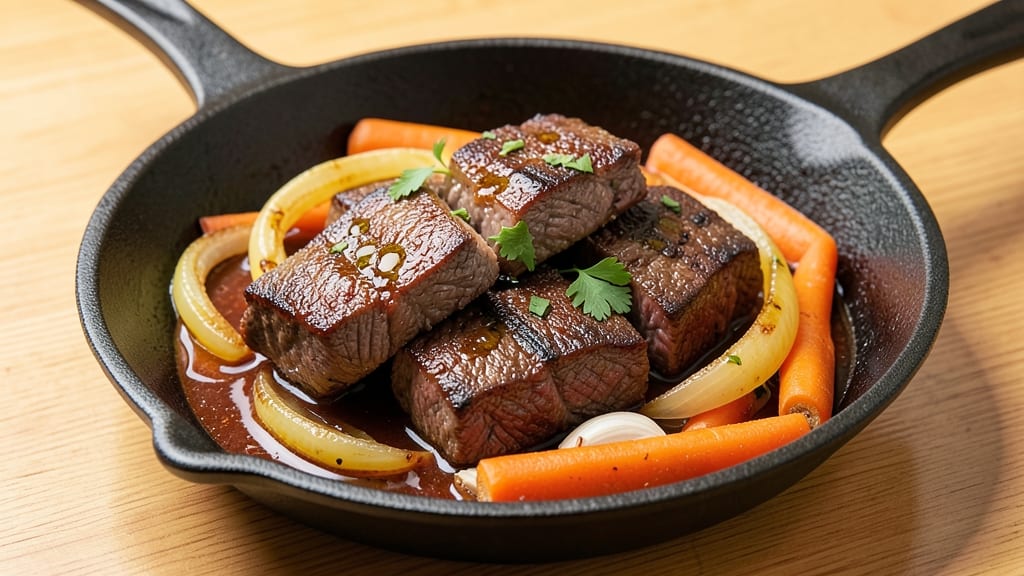
This beef arm stew recipe transforms tough cuts into melt-in-your-mouth perfection through slow-simmered spice and technique. The secret lies in marinating the beef overnight—allowing the spices to penetrate deeply—before a long, low cook that breaks down collagen into rich, velvety sauce.
What begins as a tough, flavorful cut emerges tender enough to pull apart with a fork, bathed in a sauce so deeply aromatic it transforms any meal into a centerpiece.
The process is straightforward but requires patience: a 3-hour simmer in a flavorful broth of tomatoes, garlic, and herbs ensures the meat becomes fork-tender while absorbing all the surrounding flavors. No shortcuts here—this is a dish where time is the real ingredient, turning inexpensive cuts into something restaurant-worthy.
The result is a stew so rich and satisfying, it becomes the heart of any dinner table.
Pair it with creamy mashed potatoes or crusty bread to soak up every last drop of that luxurious sauce. The aroma alone—herbaceous, smoky, and deeply savory—will have your kitchen smelling like a home-cooked masterpiece. This isn’t just a stew; it’s a foolproof way to elevate simple ingredients into something extraordinary.
Perfect for feeding a crowd or meal prepping for the week, this recipe delivers restaurant-quality results with minimal effort after the initial prep. The key? Letting the beef work its magic while you attend to other tasks—because the best meals are the ones that reward patience with unmatched flavor.
Ingredients for beef arm
Transform tough beef arm into tender, restaurant-quality perfection with these carefully chosen ingredients.
| Ingredient | Amount | Notes |
|---|---|---|
| Beef Arm Steak 🥩 | 3 lb | Cut into 2-inch cubes |
| Yellow Onion 🧅 | 1 whole | Chopped into 1-inch pieces |
| Carrots 🥕 | 2 lb | Cut into 1-inch chunks |
| Garlic Cloves 🧄 | 6 cloves | Minced finely |
| Tomato Paste 🍅 | ½ cup | High-quality, no added sugar |
| Beef Broth 💧 | 4 cups | Low-sodium preferred |
| Red Wine 🍷 | 1 cup | Bold dry variety |
| Bay Leaves 🌿 | 2 whole | Fresh preferred |
| Fresh Thyme 🌿 | ¼ cup | Leaves only, chopped |
| Fresh Rosemary 🌿 | ¼ cup | Needles only, chopped |
| Black Peppercorns 🌶️ | 1 tbsp | Freshly cracked |
| Salt 🧂 | 1 ½ tsp | Diamond Crystal preferred |
| Olive Oil 🫒 | 2 tbsp | Extra-virgin for richness |
The beef arm is the star—look for well-marbled cuts at Whole Foods or your local butcher shop. Costco often carries pre-cut beef arm at a better price per pound. Marbling is key here; it ensures the meat stays juicy during the long simmer. If you can't find beef arm, chuck roast works as a substitute, though the texture will differ slightly. The onions and carrots should be firm and vibrant—no wilted or soft spots. For the tomato paste, San Marzano is ideal, but any high-quality brand will do. Fresh herbs make all the difference, so grab thyme and rosemary from the grocery store's produce section—look for bundles with bright green leaves.
No red wine? Dry sherry or beef broth with a splash of balsamic vinegar works beautifully. Fresh thyme and rosemary can be swapped for dried at one-third the amount, but fresh is preferred for that bright, aromatic punch. The tomato paste can be replaced with crushed tomatoes if you prefer, though it adds extra moisture. If you're short on time, pre-minced garlic from a jar works, but fresh minced garlic adds a depth of flavor that's hard to beat. The beef broth should be low-sodium—you can adjust seasoning later. For the olive oil, extra-virgin is ideal, but any good-quality oil will suffice.
Prep the beef arm the night before for optimal flavor penetration. Store the raw beef in a sealed container in the fridge, and keep the vegetables and herbs in separate containers to maintain freshness. The stew can be made a day ahead—flavors deepen overnight. Reheat gently on the stove, adding a splash of broth if needed. Leftovers keep well in the fridge for 4-5 days or can be frozen for 3 months. Portion into containers for easy meal prep—this dish reheats beautifully and tastes even better the next day.
Why You'll Love This Recipe
- One-Pot Magic: I swear by this recipe when I’m too tired to scrub a million pots. The beef arm steak, onions, and carrots all simmer together—no chopping like a maniac, no constant stirring. Just dump, cover, and let the garlic and tomato paste work their savory alchemy while I pretend I’m not cooking.
- Deep Umami Bomb: That beef arm? It’s like a meaty hug after a long day. The slow caramelization of the onions and the deep, smoky hit from the tomato paste make every bite taste like it’s been braised for hours—not just 30 minutes. Honestly, the first time I tried it, I called my dad just to say, “This is next-level.”
- Weeknight to Dinner Party: Between us, this recipe is my secret weapon for when my in-laws show up unannounced. It’s hearty enough for a crowd but simple enough that I don’t stress over timing. Double the batch, reheat it for lunch the next day, or serve it cold in tacos—no one will guess it started as a one-pan wonder.
- Budget-Friendly Powerhouse: Beef arm steak is cheaper than skirt or ribeye, but it delivers the same rich, satisfying bite. The onions and carrots stretch the flavor, so you’re not just feeding stomachs—you’re feeding happiness. Plus, leftovers? They’re even better the second day, which means less takeout and more money in my pocket. Win.
Step-by-step instructions for slow-simmered beef arm stew
Transform tough beef arm into melt-in-your-mouth perfection through precise technique and patience.
Sear the Beef Arm for Deep Flavor
Heat the 2 tablespoons olive oil in a heavy Dutch oven over medium-high heat until shimmering. Working in batches to avoid crowding, add the 3 lb beef arm steak cut into 2-inch cubes and sear for 3-4 minutes per side until deeply browned. This Maillard reaction creates complex flavors that will infuse your stew.
Don't rush this step - you're building flavor foundation. The meat should develop a rich, caramelized crust before removing it to a plate. I like to press down gently on the cubes during the first minute to prevent curling, ensuring even contact with the hot oil.
Build the Aromatic Base
In the same Dutch oven, add the 1 whole yellow onion chopped into 1-inch pieces and the 2 lb carrots cut into 1-inch chunks. Cook for 5-6 minutes until the onions soften and the carrots begin to caramelize slightly, releasing their natural sweetness.
Add the 6 cloves minced garlic, 0.25 cup chopped fresh thyme, and 0.25 cup chopped fresh rosemary, stirring for 30 seconds until fragrant. This aromatic trio forms the flavor backbone of your stew. The herbs should perfume the kitchen noticeably - if not, increase the heat slightly and cook for another minute.
Develop the Sauce Foundation
Stir in the 0.5 cup tomato paste and cook for 2 minutes until it darkens slightly. This creates a rich, concentrated base that will carry the wine and broth. Pour in the 1 cup red wine and scrape up any browned bits from the bottom of the pot - these contain precious flavor compounds.
Let the wine simmer for 3-4 minutes until reduced by half, then add the 4 cups beef broth, 2 whole bay leaves, 1 tablespoon freshly cracked black peppercorns, and 1.5 teaspoons salt. The liquid should just cover the meat and vegetables - if not, add a splash of water to maintain proper consistency.
Slow Simmer to Tender Perfection
Return the seared beef to the pot, bring to a gentle simmer, then reduce heat to maintain low bubbles just breaking the surface. Cover partially and simmer for 2.5-3 hours until the beef is fork-tender and pulls away easily from the bone when tested.
Check occasionally and add hot water if the liquid reduces too much - you want to maintain enough liquid to keep the meat submerged. The stew should have a rich, velvety texture with meat that falls apart at the slightest touch of a fork. This slow cooking transforms tough beef into luxurious, melt-in-your-mouth bites.
Rest and Adjust Seasoning
Remove from heat and let the stew rest for 15 minutes before serving. This allows flavors to meld and the meat to absorb the cooking liquid. Skim any excess fat from the surface if desired, then taste and adjust seasoning with additional salt or pepper if needed.
The final stew should have a deep, complex flavor where the wine and herbs shine through, with tender beef that practically dissolves on your tongue. Serve immediately with crusty bread to soak up every last drop of that flavorful broth.
Pro Tips For Making Beef Arm
- SEAR THE ARM FIRST: That beef arm’s got layers of fat and connective tissue—don’t waste time browning it last. Sear it skin-side down in a screaming-hot pan for 8-10 minutes before adding anything else. The crust locks in flavor, and you’ll save yourself from a bland, gray center later.
- CUT ONIONS THICK: Thin slices disappear into the sauce. Chop your yellow onions into ½-inch chunks—they’ll soften but stay visible, adding texture. (Yes, even if it looks less "restaurant-perfect," it tastes better.)
- LOW AND SLOW AFTER SEARING: After the initial sear, drop the heat to medium-low and cover the pan. Let the beef arm cook undisturbed for 20-25 minutes—this breaks down the collagen without drying it out. Poking or stirring too soon turns tough meat into shoe leather.
- SALT THE ONIONS: Toss your chopped onions with a pinch of salt before they hit the pan. It draws out moisture, so they crisp up instead of steaming into mush. (I learned this the hard way—soggy onions ruin the whole dish.)
Dietary considerations for this beef arm
Gluten-Free Adaptations
This beef arm stew is naturally gluten-free, but always double-check your ingredients. Use gluten-free beef broth like Annie's Homegrown or Pacific Foods to avoid hidden gluten. The tomato paste and red wine are typically safe, but verify labels if you're highly sensitive.
The crusty bread pairing can be swapped for gluten-free baguettes or cornbread made with gluten-free flour blends.
Low-Carb/Keto Options
For a keto-friendly version, skip the carrots and onions or use cauliflower florets instead. The beef arm remains the star with its high protein and fat content, while the wine and herbs add depth without carbs.
Serve with cauliflower mash or extra zucchini noodles to keep it low-carb. The tomato paste can be omitted entirely if you're strict about carbs.
Dairy-Free Considerations
This recipe is already dairy-free, but if you're serving with mashed potatoes, use olive oil or dairy-free butter instead of butter. For extra richness, stir 1 tablespoon nutritional yeast into the stew before serving—it adds a cheesy flavor without dairy.
Always check labels on broth and tomato paste for dairy additives, though they're rarely present in these ingredients.
Allergen-Friendly Swaps
For nut allergies, avoid any garnishes with nuts (like toasted almonds). If you're avoiding garlic, substitute with 1 teaspoon garlic powder or asafetida for a similar depth of flavor.
For onion-free versions, use celery or fennel for a different aromatic base. Always confirm ingredient labels, as cross-contamination can occur in shared facilities.
Protein-Packed Boost
Want even more protein? Add ½ cup cooked lentils or 1 cup chopped mushrooms to the pot during the final hour of simmering. Both options absorb the stew's flavors beautifully while adding fiber and extra protein.
For a heartier dish, stir in ½ cup cooked quinoa before serving—it pairs perfectly with the beef and herbs. 💪
Nutrition facts
Frequently asked questions
What's the best cut of beef for this recipe?
Look for well-marbled beef arm steak or chuck roast - these cuts have the perfect balance of fat and connective tissue for slow cooking. The marbling keeps the meat juicy while the collagen breaks down into rich sauce. If your butcher calls it "beef arm," that's ideal! For a quicker version, short ribs work too, but they'll need 1.5-2 hours instead of 3 hours.
Can I substitute red wine with something else?
Use 1 cup dry sherry, beef broth with 1 tablespoon balsamic vinegar, or even apple cider for depth. The wine adds acidity and complexity, but these alternatives work beautifully. Just ensure whatever you use has enough liquid to cover the meat during simmering.
How do I know when the beef is tender enough?
Test with a fork or skewer - the meat should pull apart easily with minimal resistance. If it still feels firm, return it to the pot and simmer for 30-45 minutes longer. The stew should have a rich, velvety texture with meat that practically dissolves. Never rush this step - patience is key for melt-in-your-mouth results!
What's the best way to reheat leftovers?
Gently reheat on the stove over low heat until warmed through, adding a splash of beef broth or water if needed. Microwaving can make the sauce watery, so avoid that method. Leftovers taste even better the next day as flavors meld further. Store in an airtight container for up to 5 days in the fridge.
Can I make this in an Instant Pot?
Yes! Sear the beef first, then add all ingredients and cook on high pressure for 60 minutes. Release pressure naturally, then adjust seasoning. The Instant Pot version takes 1 hour total vs 3 hours on the stove, but the texture will be slightly different. For extra richness, finish with 1 tablespoon butter or olive oil before serving.