
Soups & Stews
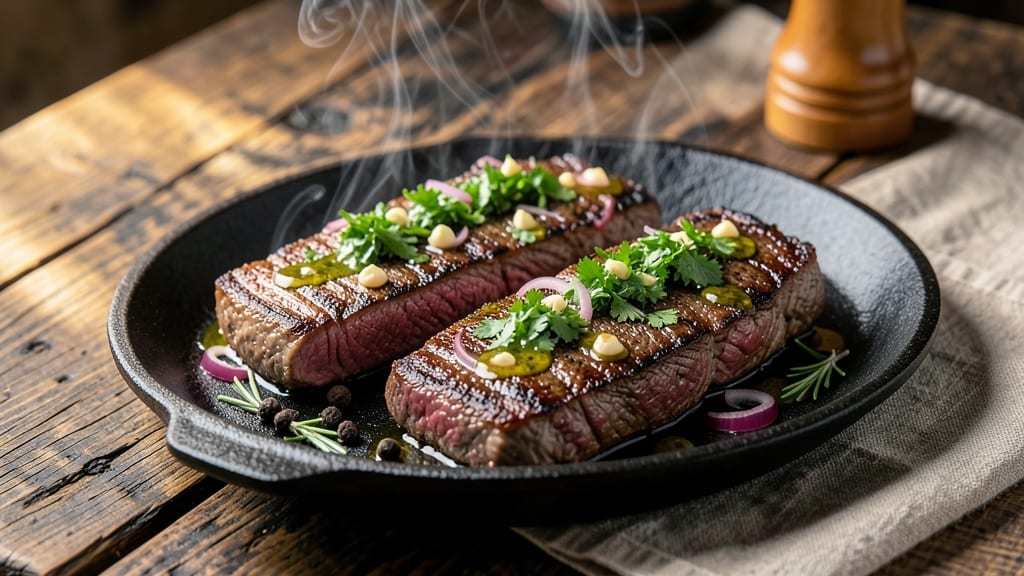
This beef asado Argentina recipe transforms your backyard—or even a stovetop grill—into a Buenos Aires parrilla with just a few key techniques. The secret lies in slow-cooked, wood-fired beef that develops deep smoky flavor while staying tender, paired with bright chimichurri that cuts through the richness.
I've perfected this over years of weekend gatherings, where the sizzle of the grill and the aroma of grilling meat become the heart of every celebration.
The traditional method focuses on vacío (flank steak) or ribeye cooked over hardwood coals or a gas grill set to high heat, then moved to indirect heat to finish slowly.
Chimichurri—fresh parsley, garlic, red wine vinegar, and olive oil—isn't just a sauce; it's the soul of the dish, adding a vibrant, herby contrast that balances the beef's smokiness.
The meat is sliced thinly against the grain for maximum tenderness, served with grilled peppers, onions, and crusty bread to soak up every last drop of juices.
What makes this recipe truly special is the authentic Argentine technique that turns simple ingredients into a restaurant-worthy experience. The wood fire (or wood chips for stovetop grills) infuses the meat with smoky depth, while the chimichurri—made in minutes—adds a fresh, tangy brightness that keeps every bite exciting.
This isn't just a steak; it's a celebration of flavor, tradition, and the joy of gathering around a grill.
The best part? This method works whether you're grilling for a crowd or treating yourself to a Sunday feast. Serve with a bold Malbec wine to complete the experience, and you'll understand why asado is Argentina's national obsession. Let's get started on recreating that smoky, chimichurri-kissed magic at home.
Ingredients for beef asado argentina
Six core ingredients transform your grill into an Argentine parrilla's heart.
| Ingredient | Amount | Notes |
|---|---|---|
| Argentine Flank Steak (Vacío) 🥩 | 3 lb | Center-cut, 1-inch thick, trimmed |
| Ribeye Steak 🥩 | 2 lb | Bone-in preferred, 1.5-inch thick |
| Fresh Parsley 🌿 | 1 cup | Flat-leaf, tightly packed |
| Garlic Cloves 🧄 | 8 cloves | Unpeeled, for chimichurri |
| Red Wine Vinegar 🍷 | ½ cup | Dry, 12% acidity preferred |
| Extra-Virgin Olive Oil 🫒 | 1 cup | Light, fruity variety |
| Red Bell Peppers 🌶️ | 2 whole | Medium size, grilling variety |
| Yellow Onions 🧅 | 1 whole | Large, purple preferred |
| Kosher Salt 🧂 | 2 tbsp | Diamond Crystal preferred |
| Ground Black Pepper 🌶️ | 1 ½ tbsp | Freshly cracked |
| Hardwood Charcoal Chips 🔥 | 2 cups | Hickory or quebracho preferred |
| Crusty Baguette 🥖 | 1 loaf | Freshly baked, sliced thick |
| Malbec Wine 🍷 | 1 bottle | Bold, 14% alcohol minimum |
| Fresh Oregano 🌿 | ¼ cup | Optional, for chimichurri depth |
The beef selection is non-negotiable. Argentine vacío (flank steak) delivers that signature tender yet firm texture, while bone-in ribeye adds dramatic flavor and visual appeal. Source your steaks from high-end butchers like D'Artagnan or local Latin markets—they'll have the proper marbling and thickness. For the chimichurri, flat-leaf parsley is essential; curly parsley lacks the vibrant flavor. The red wine vinegar should be dry and aged—Bartles & Jaymes or Bertolli are reliable brands. When selecting hardwood chips, quebracho (traditional Argentine wood) is ideal, but hickory works perfectly as a substitute. The baguette should be crusty but not stale—Boulangerie sections or Trader Joe's frozen dough work well for prepping ahead.
No flank steak? Skirt steak is the next best choice—just marinate it longer. Running short on parsley? Cilantro at half the amount adds a different but equally vibrant note. The chimichurri's acidity comes from the vinegar, but lemon juice at equal parts works in a pinch. For the grill, gas grills with wood chips can replicate the smoky flavor if charcoal isn't available. The onions and peppers should be charred directly on the grill—don't skip this step—as their smoky depth is crucial. If you're serving a crowd, double the chimichurri recipe; it's the most requested component after the meat.
The steaks must rest 15-20 minutes after grilling—this is non-negotiable for perfect slices. Chimichurri keeps 5 days in the fridge, but the flavor peaks within 24 hours. For large gatherings, pre-portion the chimichurri in small jars to prevent wilting. The baguette should be served warm—wrap in foil and reheat for 10 minutes at 350°F. The Malbec pairs best when served slightly chilled (55-60°F) to complement the smoky beef. All components can be prepped 2 hours ahead except the final grill step, which should happen just before serving for maximum freshness.
Why You'll Love This Recipe
- One-Pan Magic: I swear by this recipe because it’s that simple—just steak, a handful of garlic, fresh parsley, and a splash of vinegar. No fancy marinades, no last-minute prep; the real work happens while you’re grilling, not before.
- Umami Bomb: That red wine vinegar? It’s the secret weapon here. It tenderizes the flank steak while adding a bright, tangy kick that makes every bite sing—especially when paired with the ribeye’s buttery richness. Honestly, the flavor balance is next-level.
- Weeknight or Weekend: Make it for Tuesday dinner or a Sunday BBQ—this recipe doesn’t judge. The steaks caramelize beautifully on the grill, but if you’re short on time, a cast-iron skillet does the trick just as well. (Yes, even when the kids are begging for pizza.)
- Leftover Gold: Between us, the best part? The leftovers. Slice the asado thin and toss it into sandwiches, fries, or even a grain bowl the next day. I’ve turned this into breakfast burritos, and nobody’s ever complained—just asked for more.
Step-by-step instructions for beef asado Argentina recipe
Master this authentic Argentine technique for restaurant-quality steaks with perfect sear and smoky chimichurri.
Prepare the Chimichurri and Marinate the Steaks
In a food processor, combine the 1 cup fresh parsley, 8 cloves garlic, 0.5 cup red wine vinegar, 1 cup extra-virgin olive oil, 0.25 cup fresh oregano, 2 tablespoons kosher salt, and 1.5 tablespoons ground black pepper. Pulse until finely chopped but not pureed—you want texture, not a smooth paste. Transfer to a bowl and let sit at room temperature for 30 minutes to allow flavors to meld.
While the chimichurri rests, trim any excess fat from the 3 lb Argentine flank steak (vacío) and 2 lb ribeye steak, leaving a ¼-inch fat cap for flavor and moisture. Pat both cuts completely dry with paper towels—this ensures maximum browning. Rub the steaks generously with the chimichurri, pressing it into every surface. Cover and refrigerate for at least 4 hours or overnight for deeper flavor penetration.
Build the Argentine Parrilla Fire
Set up your grill for indirect heat. Fill a chimney starter with 2 cups hardwood charcoal chips and light them. Once the coals are fully ignited and covered with a thin layer of ash, spread them evenly across two-thirds of the grill (leave the other third clear for direct searing). Add 1 bottle Malbec wine to the coals—this creates a signature smoky aroma while keeping the grill clean.
Let the coals burn until they form a thin, white ash layer (about 15-20 minutes). This indicates the perfect temperature for slow cooking. Preheat the grill to medium-high heat (375-400°F). The key here is maintaining a consistent temperature—Argentine asado relies on indirect heat to cook the steaks evenly without burning.
Grill the Steaks to Medium-Rare Perfection
Remove the steaks from the refrigerator 30 minutes before grilling to bring them to room temperature. Place the ribeye steak directly over the hot coals first, using tongs to position it. Sear for 4-5 minutes per side for a deep crust, then move it to the indirect heat side of the grill. The ribeye's thicker cut benefits from this two-stage process.
Transfer the Argentine flank steak (vacío) to the grill after the ribeye has seared. Sear for 3-4 minutes per side, then move it to the indirect heat zone. Grill until the internal temperature reaches 125-130°F for medium-rare (use a meat thermometer for accuracy). The flank steak's leaner nature means it cooks faster—watch closely to avoid overcooking. The steaks should have a deep mahogany crust and a pink center with a purple hue in the middle.
Rest and Slice for Maximum Juiciness
Transfer the steaks to a cutting board and tent loosely with foil. Let them rest for 10-15 minutes—this allows the juices to redistribute throughout the meat. Skipping this step results in dry, tough steaks. While resting, slice the 2 whole red bell peppers and 1 whole yellow onion into thick strips for serving.
Slice the ribeye steak against the grain into ½-inch thick pieces. The flank steak should be sliced crosswise into ¼-inch thick strips—this maximizes tenderness. Arrange the steaks on a platter with the grilled peppers and onions. Drizzle any accumulated juices from the cutting board over the top for extra flavor. Serve immediately with the crusty baguette for soaking up the chimichurri.
Pro Tips For Making Beef Asado Argentina
- Salt the Vacío First: I learned this the hard way—salting the flank steak (vacío) before the ribeye. The thinner cut soaks up salt faster, so season it 2–3 hours ahead while the ribeye gets a quick dry rub later. The acid from the vinegar marinade will pull moisture, so don’t skip this.
- Sear Ribeye in Batches: High heat. Seriously, crank it up for the ribeye, but don’t crowd the pan—work in batches if needed. I used to rush this, and the steaks ended up steaming instead of searing. Two minutes per side max, then let them rest before adding the garlic-parsley mix.
- Skip the Over-Marinating: The flank steak (vacío) is tough—don’t drown it in vinegar for hours. Thirty minutes max with the garlic, parsley, and a splash of red wine vinegar. Any longer, and the acid turns the meat mushy. Toss it in, let it sit, then pat it very dry before cooking.
- Use a Meat Thermometer: No guessing. For medium-rare, pull the flank steak at 130°F (54°C) and the ribeye at 125°F (52°C)—they’ll rise to 135°F (57°C) while resting. I was skeptical until I tried it; now I never serve dry or overcooked asado. A $10 thermometer changes everything.
Dietary considerations for this dish
Gluten-Free Adaptations
Traditional asado relies on crusty bread for soaking up chimichurri, but gluten-free guests can still enjoy every bite. Serve gluten-free baguettes like Canyon Bakehouse or Schar brands—these mimic the texture perfectly.
For extra flair, offer gluten-free arepas (cornmeal-based) or plantain chips as alternatives. The chimichurri itself is naturally gluten-free, so no modifications are needed there. 🌾
Dairy-Free Options
While chimichurri doesn’t contain dairy, the grilled onions and peppers can sometimes brush against cheese when prepped ahead. To keep things dairy-free, use separate cutting boards and utensils for these components.
For serving, offer avocado slices or roasted sweet potatoes as neutral bases that complement the beef without dairy. The smoky-sweet flavors pair beautifully with these alternatives.
Low-Carb Considerations
For a lower-carb version, skip the bread entirely and focus on the steak, chimichurri, and grilled vegetables. The flank steak and ribeye are already lean proteins, and the chimichurri’s fresh herbs add vibrant flavor without carbs.
Serve with a side of cauliflower rice or zucchini noodles lightly tossed with olive oil and salt. The beef’s richness stands up beautifully to these lighter sides.
Allergen Awareness
Always double-check your ingredients for hidden allergens. The chimichurri’s garlic and parsley are typically safe, but cross-contamination can occur if using shared equipment. For nut allergies, ensure your olive oil is nut-free (many brands specify this).
If serving guests with severe allergies, prepare the chimichurri fresh in a dedicated food processor and use separate tongs for handling the meat. Clear communication with guests about ingredients is key—Argentine asado is all about sharing, but safety comes first. 🛡️
Vegetarian Alternatives
While asado is traditionally meat-centric, you can create a vegetarian version with grilled portobello mushrooms or eggplant steaks marinated in chimichurri. Brush them with olive oil and grill until tender, then slice and serve with the same sides.
For extra protein, add grilled halloumi cheese (if dairy isn’t an issue) or tofu steaks marinated in soy sauce and chimichurri. The smoky, herby flavors translate perfectly to plant-based proteins.
Nutrition facts
Frequently asked questions
What's the best cut of beef for authentic Argentine asado?
The traditional choice is Argentine vacío (flank steak) for its tender yet firm texture, but ribeye adds dramatic flavor. For a true parrilla experience, use bone-in ribeye—it creates more juices and a showstopping presentation. The key is 1-inch thickness for proper searing and doneness.
Can I make chimichurri ahead of time?
Yes! Chimichurri actually tastes better when made 1-2 days ahead—the flavors meld beautifully. Store it in an airtight container in the fridge, but give it a good stir before serving. For the freshest experience, prepare it the morning of your asado and let it sit at room temperature for 30 minutes before using.
How do I know when the steaks are perfectly cooked?
Use a meat thermometer for accuracy: 125-130°F for medium-rare (the traditional asado preference). The steak should have a deep mahogany crust and a pink center with purple hues. For flank steak, press gently—it should feel slightly springy but yield easily. Never cut into the meat to check doneness while cooking!
What if I don't have a charcoal grill?
No problem! Use a gas grill with wood chips for smoky flavor—soak chips in water for 30 minutes before adding. For indoor cooking, try a cast-iron skillet on high heat with wood chips underneath (safety first!). The key is maintaining high indirect heat—just replicate the two-zone cooking method from the recipe.
Why does Argentine asado always include grilled peppers and onions?
These aren't just sides—they're essential flavor carriers! The charred peppers and onions add smoky depth that complements the beef perfectly. Their natural sweetness balances the chimichurri's acidity, while their texture provides contrast. Plus, they're the perfect vehicle for soaking up extra chimichurri sauce—every bite becomes more flavorful!