
Soups & Stews
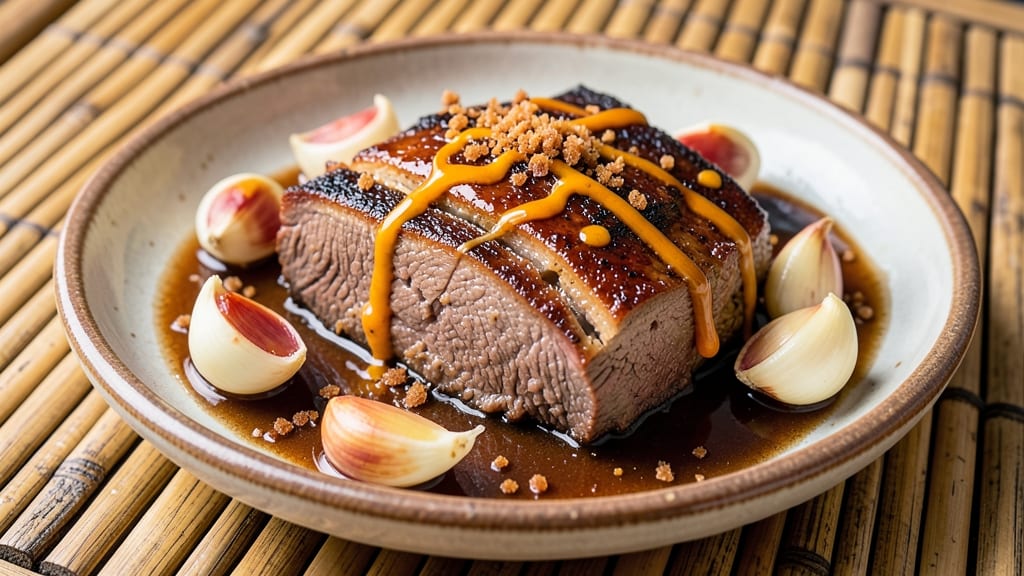
This Kapampangan beef asado recipe brings the smoky, savory soul of the Philippines' Pampanga province to your kitchen with tender beef bites and crispy tortilla crunch. The traditional method transforms tough cuts into melt-in-your-mouth perfection through slow roasting and aromatic marinades. What makes this dish special is the balance of sweet, sour, and smoky flavors—achieved with achuete (annatto) for color and patis (fish sauce) for depth.
The secret lies in the marinade, which tenderizes the beef while infusing it with garlic, vinegar, and spices. Unlike typical grilled beef, Kapampangan asado is often slow-roasted in a traditional clay pot or over charcoal, creating a unique caramelized crust.
The tortilla crunch adds a satisfying texture contrast that elevates every bite. This dish is more than just meat—it's a celebration of Pampanga's rich culinary heritage.
By the time you're done, you'll have perfectly spiced beef bites with a tender yet slightly crispy exterior, all topped with the signature crunch of charred tortilla pieces. The aroma alone will transport you to a bustling Kapampangan fiesta, where this dish is the star.
Serve it with steamed rice, sinigang (sour soup), or arroz valenciana for an authentic Filipino feast.
This recipe delivers restaurant-quality results at home with minimal effort. The marinating process can be done ahead of time, making this perfect for gatherings or special occasions. Whether you're cooking for family or friends, this Kapampangan beef asado will leave everyone asking for seconds.
Ingredients for beef asado kapampangan
Sixteen ingredients for a dish that tastes like a Kapampangan fiesta in your kitchen.
| Ingredient | Amount | Notes |
|---|---|---|
| Beef Chuck Roast 🥩 | 3 lb | Cut into 1.5-inch cubes, chuck preferred |
| White Vinegar 💧 | ½ cup | Distilled white preferred for tang |
| Garlic Cloves 🧄 | 10 cloves | Minced for marinade, fresh only |
| Achuete Seeds (Annatto) 🌶️ | 1 tbsp | Ground for vibrant color, substitute with 1 tsp paprika if unavailable |
| Patis (Fish Sauce) 🐟 | 2 tbsp | Filipino brand preferred, umami depth |
| Brown Sugar 🍯 | ¼ cup | Light or dark, packed |
| Black Peppercorns 🌶️ | 1 tbsp | Crushed, freshly ground preferred |
| Bay Leaves 🍃 | 2 whole | Dried, standard size |
| Flour Tortillas 🍞 | 6 whole | Medium size, 8-inch preferred |
| Olive Oil 🫒 | ¼ cup | Extra-virgin for roasting |
| Salt 🧂 | 1 ½ tsp | Kosher or sea salt, fine grain |
| Onion 🧅 | 1 whole | Yellow, sliced into rings |
| Lime 🍋 | 1 whole | Juiced, for finishing |
| Fresh Cilantro 🌿 | ¼ cup | Chopped, for garnish |
The beef is non-negotiable—chuck roast cuts through the slow roasting with tender results. Filipino markets or specialty stores like Asian Food Grocer carry achuete seeds, but any paprika will work in a pinch. Patis is the umami soul of this dish, so avoid cheap brands—look for Red Boat or Tiparito if you can't find Filipino patis. The tortillas should be soft but sturdy enough to char; Mission brand is a reliable choice. For the garlic, peel and mince fresh—jarred minced garlic lacks the punch needed here.
No achuete? Smoked paprika at double the amount mimics the color, though not the exact flavor. Substituting patis? Soy sauce plus a dash of fish sauce gets you close, but the depth won't be identical. The tortillas can be swapped for corn tortillas, though they'll char faster. Brown sugar substitutes? Coconut sugar or muscovado add caramel notes. For the garlic, garlic powder at half the amount works in a bind, but fresh is ideal. The onions? Red onions add sweetness if you prefer a milder flavor profile.
Marinate the beef overnight—24 hours max—then let it sit at room temperature for 30 minutes before cooking. The tortillas should be lightly charred on both sides before adding to the beef; store them in a paper bag to keep crisp if prepping ahead. The finished dish keeps for 3 days in the fridge, but the tortilla crunch softens over time. For leftovers, reheat gently in a skillet to restore crispiness.
Why You'll Love This Recipe
- Marinate While You Multitask: I swear by this recipe’s hands-off magic. Toss the beef in vinegar, garlic, and annatto, then let it sit—no babysitting required. By the time you’ve chopped veggies or set the table, the meat’s already halfway to tender perfection.
- Umami Bomb in Every Bite: That patis and vinegar combo? Chef’s kiss. The annatto gives it a gorgeous golden hue, while the garlic and slow-cooked beef turn it into something deeply savory—like a cross between a hearty stew and a restaurant-worthy roast.
- Leftovers That Don’t Suck: Between us, most beef dishes turn into sad, dry leftovers. Not this one. The vinegar keeps it juicy, and I’ve reheated slices straight from the fridge for breakfast burritos—yes, really—without a single complaint.
- Budget Meal for Big Gatherings: A whole chuck roast feeds a crowd for under $20. The ingredients are pantry staples, and the flavor’s so rich, no one will guess it’s not a fancy cut. (My in-laws still ask for seconds, even after I tell them.)
Step-by-step instructions for beef asado Kapampangan
This Kapampangan classic delivers tender beef bites with a signature charred tortilla crunch—here's how to nail it every time.
🔥 Step 1: Marinate the Beef for Deep Flavor
In a large bowl, combine the 3 lb beef chuck roast cut into 1.5-inch cubes, 0.5 cup white vinegar, 10 minced garlic cloves, 1 tbsp ground achuete seeds (annatto), 2 tbsp patis (fish sauce), 0.25 cup packed brown sugar, 1 tbsp crushed black peppercorns, 2 whole bay leaves, 1.5 tsp salt, and 0.25 cup olive oil. Mix thoroughly until the beef is fully coated and the marinade clings to each piece.
Real talk: The annatto gives that signature golden hue, while the vinegar and fish sauce create the tangy-savory balance Kapampangan style loves. Let this marinate for at least 4 hours (overnight is even better) in the refrigerator. The longer it sits, the more tender the beef becomes and the deeper the flavors develop.
🍳 Step 2: Sear the Beef for Maximum Crust
Heat a large skillet over medium-high heat and add the marinated beef in batches, leaving space between pieces to prevent crowding. Sear for 3-4 minutes per side until the beef develops a deep golden-brown crust. You'll know it's ready when the edges are caramelized and the meat releases easily from the pan.
Don't rush this step—the crust is what gives this dish its restaurant-quality texture. If your skillet isn't hot enough, the beef will steam instead of sear. Once all batches are browned, remove the beef and set aside, leaving the flavorful fond in the pan.
🥘 Step 3: Char the Tortillas for Signature Crunch
In the same skillet (no need to clean it—the fond adds flavor), add 6 whole flour tortillas and cook over medium heat for 1-2 minutes per side until they develop dark charred spots. The tortillas should be pliable but still hold their shape when folded. This charring is what gives the dish its signature crunch and smoky depth.
Here's the thing—don't press down on the tortillas while they cook. Let them crisp naturally. Once charred, stack them in a clean kitchen towel to keep them warm while you prepare the final touches.
🍽️ Step 4: Assemble with Fresh Aromatics
Return the seared beef to the skillet and add 1 sliced whole onion and 1 whole lime (cut into wedges for juice). Cook for 2-3 minutes until the onions soften slightly and the lime infuses the beef with bright citrus notes. The combination of the charred tortillas, tender beef, and fresh lime creates the perfect balance of textures and flavors.
To serve, place 2-3 pieces of beef on each plate, top with a charred tortilla, and garnish with 0.25 cup chopped fresh cilantro. The tortilla should be folded or torn slightly to reveal the beef underneath, creating that signature layered presentation Kapampangan style is known for.
⏰ Step 5: Rest and Serve with Confidence
Let the assembled dish rest for 5 minutes before serving. This resting period allows the juices to redistribute, ensuring each bite is moist and flavorful. The contrast between the tender beef, crispy tortilla, and fresh garnishes makes this dish truly special.
Serve immediately while the tortillas are still crispy and the beef is warm. The combination of the deep, spiced marinade, the charred tortilla crunch, and the bright lime finish creates a dish that's as satisfying as it is delicious. This Kapampangan beef asado is perfect for gatherings or as a hearty weeknight meal.
Pro Tips For Making Beef Asado Kapampangan
- Brown the Meat First: Don’t skip the searing—get that beef chuck roast screaming hot in a dry pan for 5-7 minutes per side before adding vinegar. I learned this the hard way: skipping this step means the patis and annatto won’t cling to the meat like they should, and the final sauce turns watery instead of rich.
- Toast the Annatto: Lightly toast the achuete seeds in a dry skillet for 30 seconds until fragrant—this deepens their color and flavor. After burning three batches of bland asado, I finally realized the seeds need this quick prep. Crush them coarsely afterward for even distribution in the marinade.
- Balance the Vinegar: Use just enough white vinegar to coat the meat (about ¼ cup for a 2-inch-thick roast), then reduce it by half before pouring. Too much vinegar later in cooking makes the beef tough; too little and the patis won’t emulsify properly. Taste as you go—yes, even if you’re impatient like me.
- Rest Before Slicing: Give the beef a solid 10-15 minutes under foil after roasting, even if you’re starving. I used to cut into it immediately and watched the juices pool on the plate instead of the meat. Let it relax, then slice against the grain—thin cuts for quick service, thicker for heartier portions.
Wine and beer pairings for this recipe
Filipino Red Wine
For Kapampangan beef asado, a light-bodied Filipino red wine like Petron Red Blend or Lambrusco complements the dish beautifully. These wines have enough acidity to cut through the richness of the beef while their subtle fruit notes harmonize with the annatto and patis flavors.
I always reach for Petron when I want that authentic Filipino touch—it’s widely available in Asian grocery stores and pairs perfectly with the dish’s smoky-savory profile. 🍷
Creamy White Wine
A crisp, slightly sweet white wine like Sauvignon Blanc or Viognier works wonders with the dish’s tangy-savory balance. The citrus notes in Sauvignon Blanc mirror the lime garnish, while the floral undertones of Viognier enhance the achuete’s earthy warmth.
If you’re serving this with a side of sinigang, a dry Riesling adds a refreshing contrast to the sour broth. 🍷
Local Filipino Beer
No Filipino feast is complete without a cold San Miguel Beer or Red Horse. These light lagers cleanse the palate between bites of rich, spiced beef and crispy tortilla. For a craft twist, try Dark Horse—its malty depth stands up to the dish’s bold flavors.
I always keep a few bottles chilled in the fridge when I host Kapampangan-style gatherings. 🍺
Spiced Rum Cocktail
For a festive touch, serve a rum-based cocktail like Kalabaw (Filipino rum punch) or a simple rum and lime with a pinch of salt. The rum’s warmth complements the beef’s caramelized crust, while the lime echoes the dish’s finishing garnish.
If you’re feeling adventurous, add a dash of patis to your cocktail for an umami kick that ties back to the marinade. 🍹
Non-Alcoholic Pairings
For those skipping alcohol, ginger beer or yuzu soda adds a zesty contrast to the dish’s smoky-sweet profile. I love pairing it with San Mig Light (the non-alcoholic version) for a familiar Filipino touch.
A mango lassi also works—its creamy texture and sweet-tart balance make it a refreshing match for the beef’s bold flavors. 🥤
Regional Filipino Wines
If you’re in the Philippines, seek out local wines like Tabo from Bicol or Kalsada from Batangas. These indigenous wines, made from native grapes, offer unique earthy and fruity notes that elevate the dish’s traditional flavors.
For a modern twist, Tayuman Vineyards’ Pinot Noir pairs exceptionally well with the beef’s depth and the tortilla’s crunch. 🌍
Nutrition facts
Frequently asked questions
Can I use a different cut of beef for this Kapampangan asado?
While chuck roast is ideal for its marbling and tenderness, you can substitute with brisket or short ribs for similar results. Avoid lean cuts like sirloin—they won't develop the same rich flavor. If using brisket, cut it into 1-inch cubes and marinate for 6-8 hours instead of 4. The key is fat content for that signature melt-in-your-mouth texture.
What's the best way to store leftover Kapampangan asado?
Store the beef and tortillas separately in airtight containers for up to 3 days in the fridge. Reheat the beef gently in a skillet with a splash of water to restore moisture, then crisp the tortillas fresh in a dry pan for 1 minute per side. For longer storage, freeze the beef (without tortillas) for up to 3 months
Why does my beef asado taste too salty?
This usually happens from over-salting the marinade or using too much patis (fish sauce). Start by reducing the salt to 1 tsp and patis to 1 tbsp in future batches. For immediate fixes, add 1 tbsp brown sugar or 1 tbsp lime juice to balance the flavor, or serve with extra rice to dilute the saltiness. Taste as you go—Kapampangan flavors should be bold but harmonious, not overpowering.
Can I make this dish in an oven instead of a skillet?
Preheat your oven to 400°F (200°C) and place the marinated beef on a baking sheet lined with parchment paper. Roast for 20-25 minutes until the beef reaches 145°F (63°C) internally, flipping halfway. For the tortillas, wrap them individually in foil and bake at 375°F (190°C) for 5-7 minutes until crispy. The oven method works well for larger batches and gives a slightly different (but still delicious) texture.
What traditional Kapampangan sides pair best with this dish?
Serve with arroz valenciana (saffron rice with peas and guava), sinigang na baboy (sour pork soup), or bagoong na isda (fermented shrimp paste) for an authentic spread. The tangy-sour contrast of sinigang cuts through the richness of the beef, while arroz valenciana adds a comforting rice base. For a modern twist, include grilled eggplant or kapampangan-style atchara (pickled papaya) for crunch and acidity.