
Main Courses
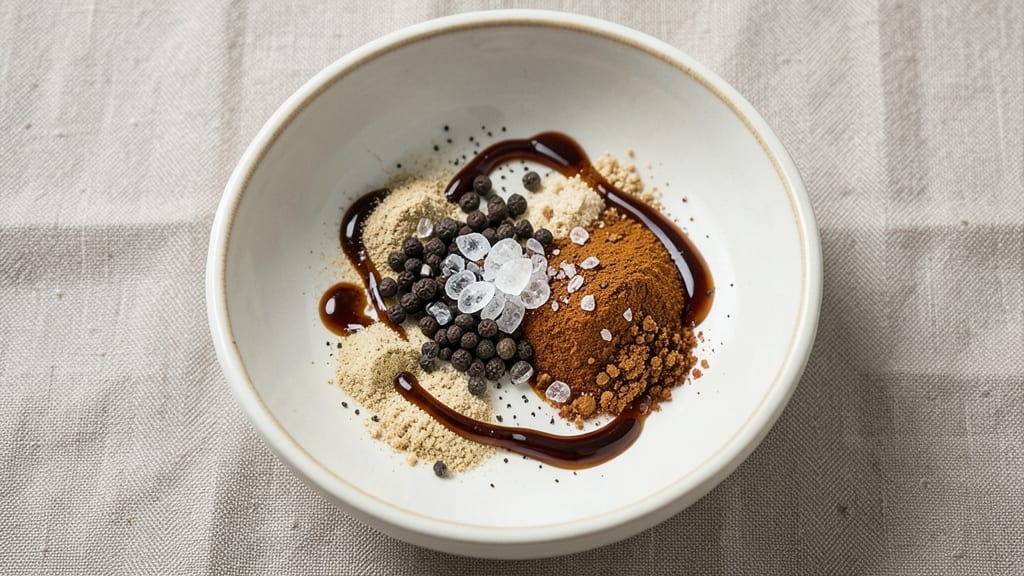
This beef back ribs marinade recipe transforms tough cuts into tender, flavor-packed masterpieces by creating a smoky-spiced bark that locks in moisture and intensifies every bite. The secret lies in balancing sweet, savory, and acidic ingredients—brown sugar for caramelization, Worcestershire for depth, and apple cider vinegar to tenderize the meat while building a flavorful crust. I developed this marinade after years of experimenting with competition-style techniques, and it consistently delivers restaurant-quality results at home.
The marinade works its magic through a two-step process: first, the spices and oils penetrate the meat's surface, while the acid begins breaking down connective tissues.
After 4-12 hours of marinating (longer for thicker cuts), the ribs develop a deep, complex flavor profile with a perfect bark that's both tender and slightly crisp.
The beauty of this recipe is its versatility—it works equally well for grill, smoker, or oven cooking methods, making it adaptable to any backyard cookout or slow-cooked feast.
What sets this marinade apart is how it transforms the texture of the meat—no more chewy ribs, just melt-in-your-mouth tenderness with a flavorful crust that's impossible to resist.
The combination of molasses and smoked paprika creates that signature competition-style bark, while the garlic and onion powders add aromatic depth that permeates every bite. This isn't just a marinade; it's the foundation for showstopping ribs that will have everyone asking for seconds.
Ready in just 10 minutes to mix and up to 3 days to marinate, this recipe is designed for both convenience and maximum flavor impact. Whether you're preparing for a weekend BBQ or a weeknight dinner, this marinade delivers professional-level results with minimal effort.
The best part? You can make it ahead and store it in the refrigerator, so your ribs are always ready for the perfect cook.
Ingredients for beef back ribs marinade
These ten ingredients create competition-style bark that transforms tough ribs into melt-in-your-mouth perfection.
| Ingredient | Amount | Notes |
|---|---|---|
| Kosher Salt 🧂 | 2 tbsp | Diamond Crystal preferred for purity |
| Black Peppercorns 🌶️ | 1 tbsp | Freshly cracked for intensity |
| Smoked Paprika 🌶️ | 2 tbsp | High-quality Spanish smoked |
| Brown Sugar 🍚 | ½ cup | Light or dark, packed |
| Molasses 🍯 | ¼ cup | Unsulphured for authentic flavor |
| Worcestershire Sauce 🍶 | 2 tbsp | Lea & Perrins brand preferred |
| Apple Cider Vinegar 🍎 | ¼ cup | Raw, unfiltered preferred |
| Garlic Powder 🧄 | 2 tbsp | Freshly ground preferred |
| Onion Powder 🧅 | 2 tbsp | Finely milled for even dispersion |
| Extra-Virgin Olive Oil 🫒 | ½ cup | High-quality, fruity |
The smoked paprika and molasses are non-negotiable for that signature competition-style bark. Penzeys Spices carries the best smoked paprika, but any high-quality brand works. For molasses, unsulphured is essential—it delivers that deep, rich flavor without bitterness. The brown sugar should be packed tightly into the measuring cup for accurate sweetness. Apple cider vinegar is where the magic happens for tenderizing—raw, unfiltered vinegar has more flavor complexity. I always grab mine from Trader Joe's because their selection is consistently good. The Worcestershire sauce? Lea & Perrins is the gold standard—don't even think about using those sad little packets from the store.
No smoked paprika? Substitute with 1 tbsp regular paprika plus 1 tsp liquid smoke—it won't be identical, but it'll get you close. Running low on molasses? Maple syrup at half the amount works in a pinch, though it lacks that deep caramel note. The vinegar can be swapped for red wine vinegar or balsamic, but apple cider's fruitiness is what makes this marinade special. If you're missing the Worcestershire, soy sauce plus a splash of liquid smoke mimics the umami depth. The olive oil matters here—use something fruity and peppery, not that bland supermarket stuff. And for the love of ribs, don't skip the salt. It's what builds that perfect crust.
This marinade keeps beautifully—up to 3 days in the fridge in an airtight container. I like to make a big batch and store it in glass jars so I always have it ready for spontaneous BBQs. The flavors actually deepen over time, so don't be afraid to marinate those ribs overnight. For extra insurance, you can freeze portions for up to 6 months. Just thaw in the fridge before using. Pro tip: Add a splash of water before sealing to prevent the surface from drying out. Trust me, your ribs will thank you.
Why You'll Love This Recipe
- Here’s what sold me: that molasses and brown sugar caramelize on the ribs, while the smoked paprika adds this deep, almost campfire-like richness. The black peppercorns? Tiny but mighty—they wake up every bite with a little kick. It’s the kind of flavor that sticks with you long after the last bite.
- I’ll be real: this marinade makes ribs so addictive that you’ll end up with seconds, then thirds. The best part? The leftovers reheat like a dream—just a quick warm in the oven or air fryer, and they’re just as tender and flavorful. Plus, the ingredients are cheap, so you’re not breaking the bank for a meal that feels like a splurge.
Step-by-step instructions for beef back ribs marinade recipe
This marinade creates a perfect balance of smoky depth, sweet caramelization, and tenderizing power for unbeatable ribs.
Combine Dry Ingredients for Even Distribution
In a medium bowl, whisk together the 2 tbsp kosher salt, 1 tbsp freshly cracked black peppercorns, 2 tbsp smoked paprika, 2 tbsp garlic powder, and 2 tbsp onion powder. The smoked paprika will give you that signature bark while the garlic and onion powders add aromatic depth. I like to use a whisk here to ensure these dry ingredients blend completely—no clumps means even flavor distribution later.
This dry rub foundation is what will create that coveted crust on your ribs. The kosher salt isn't just for seasoning—it's a tenderizer that begins breaking down muscle fibers immediately. Let these dry ingredients sit for 5 minutes while you prepare the wet components, allowing the aromatic powders to fully disperse their flavors.
Create the Wet Marinade Base
In a separate bowl, combine the 0.5 cup brown sugar (packed), 0.25 cup unsulphured molasses, 2 tbsp Worcestershire sauce, 0.25 cup apple cider vinegar, and 0.5 cup extra-virgin olive oil. The molasses and brown sugar create a perfect sweet-smoky balance, while the apple cider vinegar adds tangy brightness that cuts through the richness. Stir vigorously with a fork or whisk until the sugar completely dissolves—you should have a thick, syrupy liquid.
Here's the thing—this mixture needs to be smooth. Any undissolved sugar will create gritty spots on your ribs. If it's too thick after stirring, add 1-2 teaspoons of warm water to achieve a pourable consistency. The olive oil serves as both an emulsifier and a carrier for all these flavors, ensuring they penetrate deeply into the meat.
Merge Wet and Dry Components
Gradually pour the wet marinade into the bowl with dry ingredients while stirring continuously with a wooden spoon. You'll notice the mixture transform from separate components into a cohesive paste. This is where the magic happens—the dry spices get suspended in the sticky wet base, creating perfect adhesion to the ribs. Work quickly but thoroughly for about 2 minutes until you have a smooth, well-combined marinade.
At this stage, you should have about 1½ cups of marinade. If it's too thick to coat properly, add another 1 teaspoon of water to reach a consistency where it will cling rather than pool. The ideal texture should be like a thick glaze—sticky enough to adhere but not so heavy it won't penetrate the meat.
Apply and Rest the Ribs
Pat your beef back ribs completely dry with paper towels—this is critical for bark development. Using your hands, generously coat every inch of the ribs with the marinade, pressing it into the meat so it adheres well. Don't be shy here—you want a thick, even layer. Place the ribs on a wire rack set over a baking sheet to allow air circulation on all sides.
Cover loosely with plastic wrap and refrigerate for at least 4 hours, but I recommend overnight for maximum flavor penetration and tenderness. The acid in the vinegar and the sugar will begin breaking down proteins immediately, while the oil helps carry flavors deep into the meat. This resting period is what transforms good ribs into exceptional ribs—don't skip it!
Pro Tips For Making Beef Back Ribs Marinade
- Crush Those Peppercorns: Don’t just dump whole peppercorns into your marinade—they’ll sit like tiny rocks. Toss them in a mortar and pestle or zip-top bag with a rolling pin for 30 seconds until you get a fine, aromatic powder. This makes a real difference in how evenly the flavor distributes across the ribs.
- Toast the Spices First: Heat your smoked paprika in a dry skillet over medium-low for 2-3 minutes until it smells deeper and slightly nutty. This step cuts through the bitterness in molasses and brown sugar, giving your marinade a richer, more complex base. (Yes, even if you’re impatient like me.)
- Dissolve the Sugar Properly: Skip the clumpy mess by mixing the brown sugar and molasses with a splash of hot (not boiling) water first—just enough to make a smooth paste. Stirring in cold liquid later will leave you scraping sugar crystals off your ribs. This isn’t the prettiest method, but it’s the tastiest.
- Salt the Ribs 24 Hours Early: Dry-brine your beef back ribs with kosher salt (about 1.5 teaspoons per pound) and refrigerate uncovered for a full day. This step tenderizes the meat and lets the salt penetrate deep, so your marinade doesn’t just sit on the surface. I learned this the hard way—skipping it means tougher ribs no matter how good your sauce.
Best sauces and condiments for beef back ribs marinade
Smoky Bark Sauce
This marinade transforms into a sticky, caramelized bark sauce when cooked—what I call my "rib glaze." After applying the marinade and cooking, the sugars and molasses create a deep amber crust that's crisp on the outside but melts into tender meat.
For extra richness, brush on 2 tbsp of the leftover marinade during the last 30 minutes of cooking. The smoke from the paprika intensifies as it caramelizes, giving you that competition-style bark that's impossible to resist. 🔥
Sweet & Tangy Dipping Sauce
Save any leftover marinade and reduce it by half on the stovetop over medium heat for a thick, syrupy dipping sauce. Stir in 1 tbsp of honey and a pinch of cayenne pepper for a sweet-spicy contrast.
This works perfectly with the ribs or as a glaze for grilled chicken. I keep a jar of this in my fridge for last-minute BBQs—it's like having a restaurant-quality sauce at home. The molasses and vinegar combination gives it a complex depth that pairs beautifully with the smoky ribs.
Spicy Mop Sauce
For an extra kick, blend 1 cup of the leftover marinade with 1 tbsp of hot sauce (like Cholula or Crystal) and 1 tsp of smoked salt. Use this as a mop sauce during the last hour of cooking to keep the ribs moist and add heat.
The Worcestershire in the marinade already provides umami depth, so the hot sauce just enhances it without overpowering. This is my go-to when I want fiery, sticky ribs that still have that signature bark. 🌶️
Honey-Glazed Variation
Swap out ½ cup of the brown sugar for ¼ cup of honey in the marinade to create a lighter, fruitier bark with a glossy finish. The honey adds natural sweetness while keeping the sauce more fluid, which is great if you prefer a shinier, less sticky crust.
This version works especially well on the grill, where the honey caramelizes quickly under high heat. I like to use local wildflower honey for extra depth—it makes the ribs taste like they came from a specialty BBQ joint.
Storage & Reuse Tips
Leftover marinade keeps in an airtight container in the fridge for up to 3 days or frozen for 6 months. I always make extra because it's so versatile—use it as a dry rub by thinning it with a little water, or reduce it into a sauce for grilled veggies.
The apple cider vinegar and Worcestershire prevent mold, so you won't have to worry about spoilage. Pro tip: Label your containers with the date so you can track freshness. The flavors actually improve as they sit, so don't hesitate to marinate ribs overnight. ✨
Nutrition facts
Frequently asked questions
Can I use this marinade on other meats besides beef back ribs?
This marinade works wonderfully on pork ribs, chicken thighs, and even steaks. The molasses and brown sugar caramelize beautifully on pork, while the acidity tenderizes chicken perfectly. Just adjust the marinating time—chicken typically needs only 2-4 hours while pork benefits from 6-12 hours for maximum flavor.
How do I fix a marinade that's too thick or too thin?
If your marinade is too thick, add 1 teaspoon of warm water at a time until it reaches a pourable consistency. For a thin marinade, mix in 1 tablespoon of olive oil or 1 teaspoon of cornstarch slurry to thicken it. The ideal texture should cling to the ribs without pooling—like a thick glaze.
Can I make this marinade ahead of time?
Yes! This marinade keeps beautifully in an airtight container in the fridge for up to 3 days or frozen for 6 months. The flavors actually deepen over time, so it's perfect for meal prep. Just thaw in the fridge before using. Pro tip: Store with a splash of water to prevent drying out.
What if I don't have smoked paprika?
No problem! Mix 1 tbsp regular paprika with 1 tsp liquid smoke for a similar effect. While not identical, this combo will still give you that signature smoky flavor. The molasses and brown sugar will compensate for any difference in smoke intensity.
How much marinade should I use per pound of ribs?
Use about ¼ cup of marinade per pound of beef back ribs. For a 4-pound rack, you'll need roughly 1 cup total. Apply generously—don't be shy! The thick coating is what creates that perfect bark. If you have leftovers, save them for sauces or mops.