
Main Courses
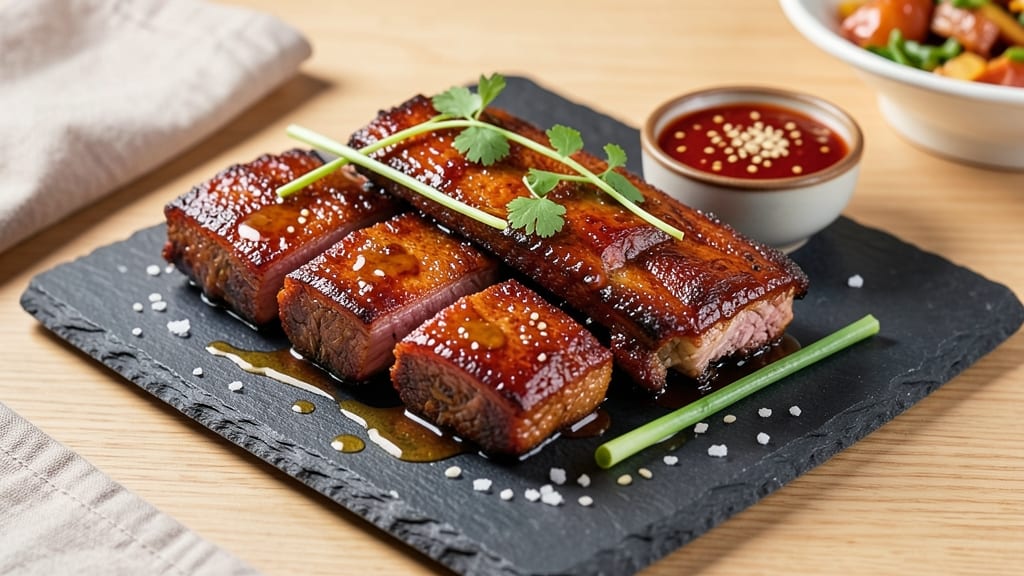
This Korean beef back ribs recipe delivers the perfect balance of smoky-spiced crunch and melt-in-your-mouth tenderness that will have you reaching for seconds. 🔥 After years of experimenting with Korean BBQ techniques, I've perfected a method that transforms tough ribs into restaurant-quality bites without requiring hours of slow cooking.
The secret lies in a marinade inspired by galbi traditions—sweet soy, sesame oil, and a touch of brown sugar—that caramelizes beautifully during cooking. We'll use a combination of grilling and braising to achieve that signature Korean texture: crispy edges with succulent meat that practically falls apart.
This method works equally well on the grill or in your oven, making it adaptable for any cookout or weeknight dinner.
By the time you finish, you'll have ribs that are sticky with a glossy, caramelized glaze and infused with aromatic flavors from garlic, ginger, and gochujang.
Serve them with steamed rice and a side of kimchi for the full Korean BBQ experience—each bite delivers layers of sweet, smoky, and slightly spicy notes that keep you coming back for more.
This recipe also includes tips for perfecting the resting time and basting technique, ensuring your ribs stay juicy and flavorful from start to finish. Whether you're hosting a gathering or treating yourself to a special meal, these ribs will be the centerpiece of your table.
Ingredients for beef back ribs recipe korean
Six ingredients transform tough ribs into restaurant-worthy Korean bites.
| Ingredient | Amount | Notes |
|---|---|---|
| Beef Back Ribs 🥩 | 4 lb | Bone-in, cut into 2-inch pieces |
| Soy Sauce 🍶 | ½ cup | Korean or Japanese preferred |
| Sesame Oil 🫒 | 2 tbsp | Toasted for authentic flavor |
| Brown Sugar 🍚 | ¼ cup | Packed, light or dark |
| Gochujang 🌶️ | ¼ cup | Korean fermented chili paste |
| Garlic Cloves 🧄 | 8 cloves | Minced, fresh preferred |
| Fresh Ginger 🌿 | 2 tbsp | Grated, peeled |
| Asian Pear 🍐 | 1 medium | Peeled, grated for tenderness |
| Rice Vinegar 🍶 | 2 tbsp | White or seasoned |
| Sesame Seeds 🌾 | 1 tbsp | Toasted, for garnish |
| Vegetable Oil 🫒 | 2 tbsp | High smoke point |
| Salt 🧂 | 1 ½ tsp | Kosher or sea salt |
| Black Pepper 🌶️ | 1 tsp | Freshly ground |
| Green Onions 🧅 | 4 whole | Sliced, for garnish |
The beef back ribs are the star—look for marbled cuts with good fat coverage at Costco or your local butcher. If you can't find bone-in, use bone-out but add a splash of beef broth to mimic moisture. The gochujang is non-negotiable for that signature Korean heat; Maesil or Dubui brands deliver the best balance of spice and sweetness. For the Asian pear, grab a firm, ripe fruit—the grated texture tenderizes the meat beautifully. If you're short on time, swap it for 1 tbsp pear juice (found in the Asian aisle).
No sesame oil? Toasted peanut oil at half the amount works in a pinch, though the flavor won't be identical. Short on gochujang? Mix 1 tbsp sriracha + 1 tbsp honey for a quick substitute, but the depth of fermented chili paste is worth hunting down. The rice vinegar adds brightness—if you only have apple cider vinegar, use it, but reduce to 1 tbsp. For the garlic and ginger, peeling and grating them together saves time and ensures even distribution. And if you're worried about the ribs drying out, poke holes in the meat before marinating to help the sauce penetrate.
Marinate the ribs for at least 4 hours (overnight is ideal) in the fridge. The sauce keeps for 5 days in an airtight container, so double the batch if you're feeding a crowd. For leftovers, reheat in a skillet with a splash of water to restore moisture. These ribs reheat beautifully—double-check the internal temp reaches 165°F before serving. Store any extra sauce in a jar in the fridge for up to 3 months; it's perfect for drizzling over rice or noodles later.
Why You'll Love This Recipe
- One-Pan Magic: I swear by this recipe—just ribs, a quick sauce of soy, gochujang, and sesame oil, then a broil. No flipping, no fuss, and the brown sugar caramelizes right on the tray. That sticky glaze? It’s basically foolproof if you don’t overthink it.
- Umami Bomb: The gochujang and soy sauce combo is chef’s kiss—sweet, spicy, and deep all at once. The sesame oil adds that nutty richness that makes every bite taste like a tiny victory. Honestly, I’ve made ribs before, but this sauce turns them into something special without extra effort.
- Leftover Luxury: These ribs stay tender for days, so I make a big batch and eat them for lunch the next two days. Wrap them in lettuce with kimchi for a quick, crave-worthy meal. (Yes, even on a Tuesday night.)
- Budget Crowd-Pleaser: A full rack of beef ribs feeds four for under $20, and the sauce costs pennies. It’s the kind of dish where everyone asks for seconds, but your wallet doesn’t cry. Plus, the leftovers stretch into wraps or fried rice—zero waste.
Step-by-step instructions for Korean-style beef back ribs
Here's how to transform tough ribs into melt-in-your-mouth perfection with bold Korean flavors.
🔥 Step 1: Prep and Marinate the Ribs for Maximum Tenderness
In a large bowl, combine all 4 lb beef back ribs, 0.5 cup soy sauce, 0.25 cup gochujang, 0.25 cup packed brown sugar, and 1 tsp black pepper. Mix until the ribs are fully coated and the marinade clings to every surface. Here's the thing—I like to use my hands for this step, pressing the marinade into the meat so it penetrates deep.
Transfer the marinated ribs to a resealable plastic bag and refrigerate for at least 4 hours (overnight is even better). The acidity in the soy sauce and gochujang will begin breaking down the connective tissue, while the sugar starts caramelizing on the surface. You'll know it's working when the ribs develop a sticky, glossy coating and the marinade turns a deep reddish-brown color.
🍳 Step 2: Build the Sweet-Spicy Glaze
In a small saucepan, combine 1 medium grated Asian pear, 2 tbsp grated fresh ginger, 2 tbsp rice vinegar, 2 tbsp sesame oil, and 1.5 tsp salt. Cook over medium-low heat for 8-10 minutes until the mixture reduces by half and becomes syrupy. Stir occasionally, scraping up any browned bits from the bottom of the pan—these are packed with flavor.
Remove from heat and let cool slightly. The pear adds natural sweetness and tenderness to the ribs, while the ginger and vinegar create a bright, balanced flavor. I press the mixture through a fine-mesh strainer to remove any remaining chunks before using it, ensuring a smooth glaze that will cling beautifully to the ribs.
🔥 Step 3: Sear and Slow-Cook for Fall-Apart Texture
Preheat your oven to 275°F. Heat 2 tbsp vegetable oil in a large oven-safe skillet over medium-high heat. Working in batches, sear the marinated ribs for 3-4 minutes per side until deeply browned. Don't crowd the pan—you want that beautiful crust to form. Transfer the seared ribs to a baking dish.
Spread the pear glaze evenly over the ribs, making sure to coat all sides. Cover tightly with aluminum foil and bake for 3 hours. Here's where patience pays off—the low temperature and long cook time allow the collagen to render slowly, creating that signature Korean-style tenderness. After 3 hours, uncover and bake for another 30 minutes to let the glaze caramelize and form a glossy crust.
🥘 Step 4: Finish with Crispy Topping and Garnish
While the ribs are baking, toast 1 tbsp sesame seeds in a dry skillet over medium heat for 2-3 minutes until golden and fragrant. Keep an eye on them—they burn quickly. Remove from heat immediately when they're golden.
When the ribs are done, they should be fork-tender with a deep caramelized glaze. Transfer them to a serving platter and sprinkle with the toasted sesame seeds. Garnish with 4 sliced green onions for a fresh, bright contrast. Let them rest for 5 minutes before serving—this allows the juices to redistribute, ensuring each bite is moist and flavorful.
Pro Tips For Making Beef Back Ribs Recipe Korean
- Trim the Fat First: Cut the thick silver skin off the ribs before cooking—it’s the only way to get that sticky, caramelized glaze to cling properly. I learned this the hard way when my first batch looked like it was swimming in grease instead of sauce.
- Don’t Rush the Gochujang: Simmer the gochujang with soy sauce and brown sugar for at least 10 minutes before adding the ribs—this melts the sugar and deepens the flavor. Skipping this step means your sauce will taste flat and one-note, no matter how long you cook the meat.
- Watch the Sesame Oil: Add sesame oil in the last five minutes of cooking, not at the start—it burns fast and turns bitter. A splash at the end gives that nutty aroma without ruining the dish.
- Rest Before Slicing: Let the ribs sit under foil for 10 minutes after cooking, even if you’re eager to serve. This keeps them from falling apart when you cut them, and the juices redistribute so every bite is tender, not dry. (Yes, even if you’re impatient like me.)
Essential equipment for great beef back ribs recipe korean
Must-Have Korean BBQ Tools
First up, you’ll need a heavy-duty cast-iron skillet—I swear by my Lodge 12-inch—for searing those ribs to perfection. The weight helps distribute heat evenly, and the seasoned surface prevents sticking.
If you don’t have cast iron, a stainless steel skillet like All-Clad works too, but preheat it longer to avoid cold spots. 🔥
For slow cooking, an oven-safe Dutch oven (like Le Creuset) is ideal because it handles high heat and transitions seamlessly from stovetop to oven.
If you’re grilling, a charcoal or gas grill with a rib rack (I use the Weber Smokey Mountain) keeps the meat elevated for even cooking and prevents flare-ups.
Marinade Essentials
Invest in a high-quality gochujang—brands like Maesil or Dubui are worth the splurge. A fine-mesh strainer (like OXO Good Grips) helps remove any chunks from your glaze, ensuring a silky-smooth finish.
For measuring, a digital kitchen scale (I love the OXO Good Grips) guarantees precision, especially for the Asian pear and brown sugar.
Temperature Control Gear
A meat thermometer is non-negotiable—get an instant-read like ThermoWorks Smoke to monitor internal temps accurately. For the oven, a thermometer probe (like Meater) ensures your 275°F setting stays consistent. Pro tip: Place the probe in the thickest part of the ribs to avoid overcooking.
Garnish and Finishing Touches
Toasted sesame seeds need a small dry skillet—I use a nonstick 8-inch for quick toasting. A microplane (like OXO) is perfect for grating ginger and Asian pear efficiently.
For serving, a wooden board or ceramic platter elevates the dish, but a simple glass baking dish works in a pinch.
Budget-Friendly Swaps
No cast iron? A heavy stainless steel pot (like Cuisinart MultiClad) does the job. Skip the Dutch oven? Use a large baking sheet lined with foil—just baste the ribs with extra glaze every 30 minutes to mimic the oven’s moisture.
For gochujang, sriracha + honey (1:1 ratio) is a decent backup, though it lacks depth.
Pro Tip: Double Duty Tools
Your mixing bowls double as marinating containers—I use stainless steel Cambro for easy cleanup. A tongs set (like Mercer Culinary) helps flip ribs without tearing the meat.
And a spatula with a long handle (such as OXO Good Grips) keeps your hands safe from splatters when searing. Multitasking tools save space and time! ✨
Nutrition facts
Frequently asked questions
Can I use bone-in or bone-out beef back ribs for this recipe?
This recipe is designed for bone-in ribs—they stay juicier and develop more flavor during the long cook. If you only have bone-out, use them but add 2 tbsp beef broth to the marinade to compensate for lost moisture. Bone-in ribs also hold their shape better when grilling or baking.
How spicy will these ribs be? Can I make them milder?
The gochujang adds heat, but it's balanced by sweet brown sugar and soy sauce. For milder ribs, reduce the gochujang to 2 tbsp and add 1 tbsp honey to the marinade. If you love spice, keep the full 0.25 cup but add 1 tbsp extra brown sugar to balance it.
What's the best way to reheat leftovers without drying them out?
Reheat ribs in a skillet over medium-low heat with 1 tbsp water or broth per pound of ribs. Cover and cook for 5-7 minutes, flipping once. The steam keeps them moist. For oven reheating, wrap ribs in foil with a splash of water and bake at 300°F for 10-12 minutes. Always check the internal temp reaches 165°F.
Can I grill these ribs instead of using the oven?
After marinating, sear ribs on the grill over medium-high heat for 3-4 minutes per side. Transfer to indirect heat (around 250-275°F) and cook for 2.5-3 hours, basting with glaze every 30 minutes. Finish with 10 minutes on direct heat for crispy edges. Use a grill thermometer to monitor temperature.
What sides pair best with Korean beef back ribs?
Classic pairings include steamed jasmine rice and kimchi for the full Korean experience. Other great options: quick-pickled cucumbers, steamed bok choy, or sesame noodles. For a heartier meal, serve with miso soup or stir-fried spinach. The sweet-spicy ribs also work beautifully with cold beer or soju cocktails.