
Main Courses
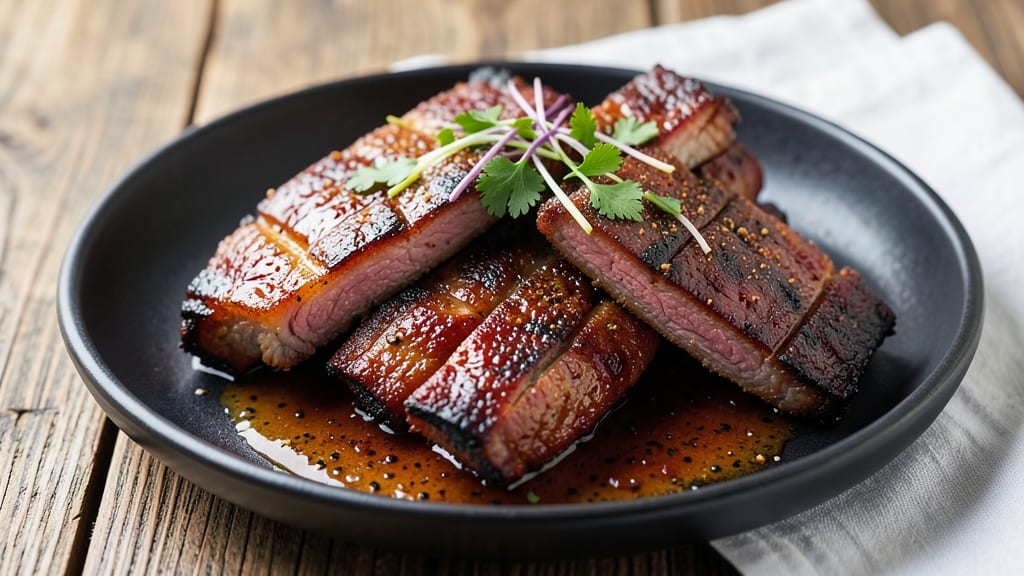
This beef back spare ribs recipe delivers the perfect balance of smoky bark and juicy, fall-off-the-bone tenderness—the kind of restaurant-quality results you’d expect from a pitmaster. The secret lies in a two-stage cooking process that transforms tough connective tissue into melt-in-your-mouth perfection while developing a deep, caramelized crust.
I’ve refined this method over years of experimentation, ensuring every bite is packed with flavor without requiring hours of babysitting.
The process begins with a dry rub of bold spices—smoked paprika, brown sugar, and garlic powder—that clings to the ribs while they slowly cook, creating that coveted bark.
Then, a low-and-slow method (whether in a smoker, oven, or slow cooker) breaks down the meat until it reaches 203°F internal temperature, where collagen melts into gelatin for unmatched tenderness. The final step? A quick sear to lock in juices and intensify the flavor.
What you’ll end up with is ribs that are glossy, sticky, and impossible to resist—each bite offering a perfect marriage of smoky, sweet, and savory notes. The bark is crisp enough to stand up to a toothpick, while the meat underneath is so tender it practically dissolves.
This isn’t just another ribs recipe; it’s a foolproof technique that guarantees success, whether you’re grilling for a crowd or treating yourself to a weekend feast.
Serve with classic sides like creamy coleslaw, buttery cornbread, and a tangy barbecue sauce for dipping. The leftovers? Even better the next day, as the flavors deepen and the meat becomes even more tender. Let’s get started on making ribs that’ll have everyone asking for seconds.
Ingredients for beef back spare ribs
Four pounds of meaty ribs and bold spices transform into restaurant-quality, fall-off-the-bone tenderness.
| Ingredient | Amount | Notes |
|---|---|---|
| Beef Back Spare Ribs 🥩 | 4 lb | Bone-in, meaty cuts preferred |
| Smoked Paprika 🌶️ | ¼ cup | High-quality, not pre-mixed |
| Brown Sugar 🍚 | ½ cup | Light or dark, packed |
| Garlic Powder 🧄 | 2 tbsp | Freshly ground preferred |
| Onion Powder 🧅 | 2 tbsp | No added salt |
| Ground Black Pepper 🌶️ | 1 tbsp | Freshly cracked preferred |
| Kosher Salt 🧂 | 1 tbsp | Diamond Crystal preferred |
| Yellow Mustard 🍯 | 2 tbsp | For binder, not vinegar-based |
| Apple Cider Vinegar 🍎 | 2 tbsp | For tenderizing |
| Yellow Onion 🧅 | 1 whole | Medium size, sliced |
| Fresh Garlic Cloves 🧄 | 6 cloves | Peeled, minced |
| Honey 🍯 | 2 tbsp | For glaze, optional |
| Butter 🧈 | 2 tbsp | Unsalted, for finishing |
| Wood Chips (Hickory or Oak) 🌳 | 1 cup | Soaked 1 hour minimum |
The ribs are non-negotiable—bone-in, meaty cuts with good marbling deliver the best results. Costco or local butchers often carry the best quality, but grocery store brands work if they’re fresh. Look for vibrant color and avoid cuts with excessive fat or yellowing. The spices? Penzeys Spices or bulk bins at Whole Foods ensure maximum flavor, but regular grocery store brands are fine if they’re recent. Freshly ground black pepper and garlic powder make a noticeable difference, so invest in small quantities if you don’t cook with them often.
No smoked paprika? Regular paprika plus a pinch of liquid smoke works in a pinch, though the flavor won’t be identical. Substituting brown sugar for white reduces caramelization slightly, but the ribs will still be sweet. Apple cider vinegar can be swapped for white vinegar, though it lacks depth. For the binder, Dijon mustard works better than regular yellow mustard if you’re concerned about texture. The wood chips? Hickory gives classic smokiness, while oak offers a milder profile. If you’re cooking indoors, a smoker box with wood chips in your oven works surprisingly well.
Prep the ribs the night before—trim excess fat and pat dry for better rub adherence. Store them uncovered in the fridge for up to 24 hours to dry-brine naturally. The dry rub keeps for 3 months in an airtight container, so make extra for future batches. Leftover ribs reheat beautifully—wrap in foil and bake at 300°F for 20 minutes—though they’re best fresh. Portion into meal-prep containers for easy lunches; the bark stays crisp, and the meat remains tender for 3-4 days in the fridge.
Why You'll Love This Recipe
- One-Pan Magic: I swear by this recipe because it’s that easy—just ribs, spices, and a single sheet pan. No basting, no flipping, no stress. The smoked paprika and brown sugar caramelize right on the pan while you sip your drink.
- Smoky-Sweet Obsession: That balance of smoky paprika and brown sugar? It’s ridiculously addictive. The garlic and onion powders add depth without overpowering, so every bite has this perfect harmony of sweet, savory, and just a hint of heat.
- Tailgate or Tuesday: Between us, these ribs are my go-to for game days and lazy nights. Serve them with crusty bread to soak up the sauce, or pile them high on buns for sandwiches. Honestly, they disappear fast either way.
Step-by-step instructions for beef back spare ribs
Master this low-and-slow technique for ribs that deliver fall-off-the-bone tenderness with a perfect smoky bark.
Prepare the Ribs and Dry Rub
Remove the beef back spare ribs from the package and pat them completely dry with paper towels. This drying step is critical—it helps the rub adhere and promotes better bark formation. Place the ribs meat-side down on a wire rack set over a baking sheet to allow air circulation on all sides.
In a medium bowl, combine the 0.25 cup smoked paprika, 0.5 cup packed brown sugar, 2 tbsp garlic powder, 2 tbsp onion powder, 1 tbsp ground black pepper, and 1 tbsp kosher salt. Mix thoroughly until the spices are evenly distributed. Generously coat the ribs with the dry rub, pressing it into the meat so it sticks firmly. Let the rubbed ribs sit at room temperature for 30 minutes before cooking—this allows the seasoning to penetrate and the meat to come to an even temperature.
Create the Wet Glaze and Prep the Smoker
In a small bowl, whisk together the 2 tbsp yellow mustard, 2 tbsp apple cider vinegar, 2 tbsp honey, and 2 tbsp unsalted butter until smooth and fully combined. This glaze will tenderize the meat and create a glossy finish. Set aside while you prepare the smoker.
Soak the 1 cup wood chips (hickory or oak) in water for at least 1 hour before using. Preheat your smoker to 225°F using the soaked wood chips. Position a water pan in the smoker to maintain moisture and prevent the ribs from drying out during the long cook. Once the smoker reaches temperature and you see steady, blue smoke, you're ready to begin smoking.
Smoke the Ribs Low and Slow
Place the rubbed ribs on the smoker, meat-side up, and close the lid. Smoke the ribs undisturbed for 3 hours. This low-and-slow approach is essential for breaking down the connective tissue and rendering fat without drying out the meat. Resist the urge to peek—the more you open the smoker, the longer the cook time will be.
After 3 hours, brush the ribs generously with the prepared glaze. Return them to the smoker and continue cooking for another 2 to 2.5 hours, or until the internal temperature reaches 195°F to 203°F. The ribs should be fork-tender with a deep mahogany bark. The bark is your visual cue that the ribs are ready—it should be crispy and well-developed.
Wrap and Finish for Maximum Tenderness
Once the ribs reach the target temperature, remove them from the smoker and wrap them tightly in heavy-duty aluminum foil. Place them back in the smoker and cook for an additional 30 to 45 minutes. This wrapping technique, known as the "Texas crutch," helps the ribs absorb their own juices and steam gently, ensuring they reach fall-off-the-bone tenderness.
When the ribs are fully tender, remove them from the smoker and let them rest for 10 to 15 minutes before serving. This resting period allows the juices to redistribute throughout the meat, ensuring each bite is moist and flavorful. Serve the ribs with the accumulated juices and any remaining glaze spooned over the top for extra richness.
Pro Tips For Making Beef Back Spare Ribs
- Trim the Fat, Keep the Flavor: Beef back ribs have a thin fat cap—don’t peel it off. That layer renders down into crispy, savory bits that cling to the meat. If you’re worried about grease, blot it with paper towels after cooking, not before.
- Brown Sugar First, Not Last: Sprinkle that brown sugar before the smoked paprika and spices. The sugar caramelizes into a sticky glaze while the ribs cook, locking in moisture instead of burning away. I used to add it at the end, and the ribs always tasted dry.
- Low and Slow Wins: Forget the high-heat sear first—these ribs need time. Start at 275°F (135°C) and keep them there for 3–4 hours, flipping once. The slow cook turns tough connective tissue into melt-in-your-mouth tenderness. Trust the thermometer, not the clock.
- Skip the Overcrowding: If you’re braising or roasting, give those ribs space. A crowded pan steams instead of sears, leaving you with soggy meat. Arrange them in a single layer with room to breathe—even if it means two batches. Your future self will thank you.
Perfect pairings for beef back spare ribs
Classic Side Dishes
Serve your beef back spare ribs with creamy coleslaw—I love a tangy mix of shredded cabbage, carrots, and a dressing of mayonnaise, apple cider vinegar, and a pinch of sugar.
The cool crunch contrasts beautifully with the smoky ribs. For a heartier option, buttery cornbread with a hint of jalapeño adds sweetness and texture that soaks up every bit of sauce. 🥗
Sauce Pairings
Dipping sauces elevate ribs to another level. A honey-vinegar glaze (mix ¼ cup honey, 2 tbsp apple cider vinegar, and 1 tbsp Dijon mustard) adds brightness, while a spicy BBQ sauce (like Sweet Baby Ray’s or Stubb’s Original) brings heat and depth.
For a smoky kick, brush on extra apple cider vinegar mixed with smoked paprika during the final minutes of cooking. 🍯
Beverage Pairings
Beer lovers should reach for a lager like Peroni or Budweiser—its crisp, clean profile cuts through the richness without overpowering. For wine drinkers, a dry Riesling with its citrus notes complements the smokiness beautifully.
Non-alcoholic options? Sweet tea (with a splash of lemon) or sparkling water with lime refreshes the palate between bites. 🍺
Garnish Ideas
Finish your plate with pickled jalapeños for a tangy heat boost or chopped fresh cilantro for brightness. A drizzle of melted butter infused with garlic and smoked paprika adds richness, while toasted sesame seeds bring an unexpected crunch.
Even a sprinkle of crushed red pepper flakes lets guests control their spice level. ✨
Make-Ahead Sides
Prep sides the day ahead to save time. Mac and cheese (baked with a crispy breadcrumb topping) reheats perfectly and pairs wonderfully. For a lighter option, roasted sweet potatoes with brown sugar and cinnamon add natural sweetness. Store sauces and dressings separately until ready to serve to maintain freshness. 🍠
Nutrition facts
Frequently asked questions about beef back spare ribs
How long do beef back spare ribs take to cook?
The total cooking time is typically 5.5 to 6.5 hours, including the 30-minute rest at the end. The ribs start at 225°F for 3 hours before glazing, then cook another 2-2.5 hours until reaching 203°F internal temperature. The final 30-45 minutes wrapped ensures maximum tenderness.
Can I cook beef back spare ribs in the oven instead of a smoker?
Use a smoker box with soaked wood chips or place a foil-wrapped tray of wood chips on the bottom rack. Set your oven to 225°F and maintain moisture with a water pan. The cook time remains similar, but monitor closely to avoid temperature fluctuations.
What's the best way to store leftover ribs?
Wrap leftovers tightly in foil or store in an airtight container with any pan juices. They keep for 3-4 days in the fridge. Reheat wrapped in foil at 300°F for 20 minutes—the bark stays crisp, and the meat remains tender. Freeze for up to 3 months by wrapping individually.
Why do my ribs turn out tough instead of tender?
Most likely, they didn't reach the proper 203°F internal temperature or weren't rested long enough. Use a meat thermometer to check—toughness often means they were pulled too early. Also, ensure you're cooking low and slow (225°F) without rushing the process.
What's the difference between beef back ribs and beef short ribs?
Beef back ribs come from the ribcage (between the shoulder and loin) and have more fat and connective tissue, making them ideal for slow cooking. Short ribs (from the plate section) are meatier but require longer cooking. Back ribs develop better bark and tenderness with this method.