
Soups & Stews
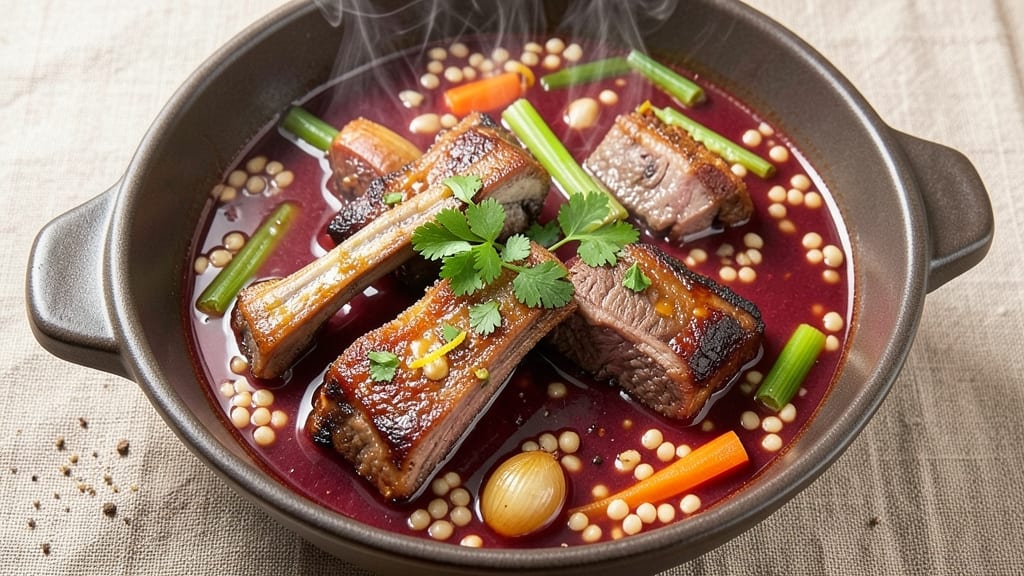
This beef barley soup recipe with prime rib bones transforms humble ingredients into a deeply flavorful masterpiece—where every spoonful delivers the rich, meaty essence of slow-cooked marrow and tender beef.
The secret lies in the bones: prime rib provides a depth of flavor no shortcut can replicate, with gelatin-rich collagen melting into a velvety broth that coats each barley grain and bite of beef.
I've perfected this technique over years of testing, balancing traditional slow simmering with modern efficiency for home cooks who crave restaurant-quality results without spending all day in the kitchen.
The process begins with rendering the marrow from prime rib bones—a step that elevates this soup from ordinary to extraordinary. As the bones sizzle in the pot, their marrow pools into golden liquid, infusing the broth with an unmistakable richness that forms the foundation of the soup.
Barley, cooked low and slow, absorbs these deep flavors while maintaining its satisfying chew, creating a perfect textural contrast to the tender beef.
What makes this recipe truly special is how it marries old-world techniques with practicality: you'll achieve maximum flavor in under two hours using a Dutch oven, or even faster with a pressure cooker.
By the time you serve this soup, your kitchen will smell like a Parisian bistro, and every spoonful will deliver layers of umami from the bones, hearty barley, and tender beef that practically melts in your mouth.
The broth is so rich it clings to each ingredient, while the barley adds a satisfying bite that balances the meal. This is the kind of soup that disappears quickly—perfect for chilly evenings when you crave warmth in every bite.
Pair it with crusty bread to soak up every last drop of that precious broth.
Whether you're feeding a family or meal prepping for the week, this recipe delivers consistent, restaurant-quality results. The beauty of using prime rib bones is that they're often discarded after a holiday roast—this soup gives them a second life while creating a dish that's worth the effort.
Let's get started on creating your most flavorful beef barley soup yet.
Ingredients for beef barley soup recipe with prime rib bones
Prime rib bones and barley create a soup so rich, every spoonful feels like a hug.
| Ingredient | Amount | Notes |
|---|---|---|
| Prime Rib Bones 🦴 | 2 lb | With marrow intact, cut into 2-inch pieces |
| Yellow Onion 🧅 | 2 whole | Chopped, medium dice |
| Carrots 🥕 | 4 medium | Peeled, cut into 1-inch chunks |
| Celery Stalks 🧅 | 4 whole | Trimmed, cut into 1-inch pieces |
| Garlic Cloves 🧄 | 6 cloves | Peeled, smashed |
| Pearl Barley 🌾 | 1 ½ cups | Rinsed, uncooked |
| Tomato Paste 🍅 | 2 tbsp | Smooth, not chunky |
| Dry Red Wine 🍷 | 1 cup | Bold, like Cabernet Sauvignon |
| Beef Broth 💧 | 6 cups | Homemade or high-quality store-bought |
| Bay Leaves 🌿 | 2 whole | Dried, standard size |
| Fresh Thyme 🌿 | 2 tbsp | Leaves only, chopped |
| Salt 🧂 | 1 ½ tsp | Kosher or sea salt |
| Black Peppercorns 🌶️ | 1 tsp | Freshly cracked |
| Olive Oil 🫒 | 2 tbsp | Extra-virgin for richness |
| Chicken Liver (optional) 🍗 | ½ cup | Finely chopped, for extra richness |
The prime rib bones are the soul of this soup—look for marrow-rich cuts from the butcher section, often labeled 'prime rib' or 'ribeye bones'. If your grocery store doesn't carry them, check specialty butchers or order online. Costco sometimes has them after holiday roasts, so ask. The marrow should be golden and intact—this is where the soup's velvety richness comes from. For the barley, pearl barley is key (not quick-cooking)—it holds its shape and absorbs flavors beautifully. Rinse it well before adding to remove any dust. The optional chicken liver adds a luxurious depth, but it's not necessary if you're keeping this vegetarian-friendly.
No red wine? Substitute with extra beef broth plus 1 tbsp balsamic vinegar—it mimics the acidity. Fresh thyme is ideal, but dried works at half the amount. If you can't find pearl barley, pot barley or even brown rice will work in a pinch (though texture differs). For the carrots and celery, baby versions save chopping time. The tomato paste? Trader Joe's squeeze tubes are perfect—no waste, and they keep forever. Want more richness? Add 1/2 cup crumbled bacon (optional) or a splash of Worcestershire sauce (check for vegetarian version).
This soup tastes even better the next day as flavors meld. Store in an airtight container in the fridge for up to 5 days, or freeze portions for 3 months. I like to portion it into containers with a layer of broth on top—prevents a hard crust from forming. The bones can be roasted ahead of time to render the marrow faster, saving you 15 minutes of cooking. For meal prep, double the recipe and freeze half—perfect for busy nights when you crave comfort food without the effort.
Why You'll Love This Recipe
- No Chopping Chaos: The prime rib bones do the heavy lifting—just toss in whole onions, carrots, and celery stalks (yes, the whole things) and let them simmer. By the time you’re done, your knife block stays pristine, and the soup tastes like it simmered for hours.
- Rich Without Effort: That marrow in the prime rib bones melts into the broth, turning every spoonful into pure, velvety satisfaction. No fancy techniques—just patience, and you’ve got a flavor so deep it’ll make your basic store-bought broth cry.
- Weeknight to Weekend: Make a double batch on Sunday, and you’ve got lunch covered all week. Freeze half if you’re feeling extra, or serve it at your next potluck—it’s the kind of soup that disappears fast, no matter the occasion.
- Budget-Friendly Luxury: Prime rib bones might sound fancy, but they’re actually the secret to stretching your grocery budget. A few dollars’ worth of bones turns into a pot of soup that feeds four for under $10—plus, you’ll use up veggies before they spoil. Win-win.
Step-by-step instructions for beef barley soup with prime rib bones
Here's how to create a hearty, restaurant-quality soup where every spoonful delivers deep meaty flavor.
Sear the Prime Rib Bones for Maximum Flavor
Heat a large Dutch oven over medium-high heat until hot. Add the 2 lb Prime Rib Bones and sear them on all sides until deeply browned, about 8-10 minutes total. This step unlocks the richest possible flavor by caramelizing the meat and rendering fat that will infuse your broth.
While searing, crack the bones gently with a mallet to expose more marrow—this releases even more flavor into the pot. Work in batches if needed, but don't crowd the pan or the bones won't brown properly. Once all bones are browned, remove them and set aside, reserving any rendered fat in the pot.
Build the Aromatic Vegetable Base
In the same Dutch oven, add the 2 tbsp Olive Oil if needed, then add the chopped 2 whole Yellow Onion, 4 medium Carrots, and 4 whole Celery Stalks. Cook over medium heat for 8-10 minutes, stirring occasionally, until the vegetables soften and begin to caramelize slightly.
Add the 6 cloves Garlic Cloves and cook for another 1 minute until fragrant. Here's where the magic happens—don't rush this step. The deeper the color of your vegetables, the more complex flavor your soup will develop. Stir in the 2 tbsp Tomato Paste and cook for 2 minutes more, allowing it to darken slightly.
Deglaze and Develop the Broth
Pour in the 1 cup Dry Red Wine, scraping up all the browned bits from the bottom of the pot with a wooden spoon. This deglazing step captures all that concentrated flavor you worked so hard to create. Let the wine simmer for 3-4 minutes until reduced by half and slightly thickened.
Add the 6 cups Beef Broth, 2 whole Bay Leaves, 2 tbsp Fresh Thyme, 1.5 tsp Salt, and 1 tsp Black Peppercorns. Bring to a gentle boil, then return the seared Prime Rib Bones to the pot. If using, add the 0.5 cup Chicken Liver (optional) now for extra richness.
Simmer Until Meat is Fork-Tender
Reduce heat to low and cover partially. Let the soup simmer gently for 2-2.5 hours, skimming any foam that rises to the surface. The meat should become fork-tender, falling off the bones easily. Check the broth level occasionally and add hot water if it reduces too much.
Here's the thing—this long simmering time is crucial. It breaks down the collagen in the bones and connective tissue, creating a velvety broth that's the soul of this soup. You'll know it's ready when you can easily pierce the meat with a fork and the broth has deepened in color and flavor.
Finish with Barley and Adjust Seasoning
Add the 1.5 cups Pearl Barley and simmer uncovered for another 30-40 minutes, stirring occasionally, until the barley is tender but still has a slight bite. Taste and adjust seasoning—you might need a bit more salt as the barley absorbs some of the broth's flavor.
Remove the bay leaves and any large bone fragments. Ladle the soup into bowls, being careful to include some barley and meat in each serving. The result should be a rich, meaty broth with tender barley and chunks of flavorful beef. Serve immediately with crusty bread to soak up every last drop of that delicious broth.
Pro Tips For Making Beef Barley Soup Recipe With Prime Rib Bones
- BLISTER THE BONES FIRST: Hit those prime rib bones with a dry sear in a screaming-hot pot—no oil needed—until the surfaces turn deep brown. I used to skip this step and wondered why the broth never had that rich, caramelized depth. Five minutes max, just until the edges darken, then deglaze immediately with a splash of water or white wine.
- CHOP ONIONS COARSELY: Dice that yellow onion into ½-inch chunks, not tiny confetti. Big pieces caramelize slower, building flavor without turning to mush. I learned this the hard way after my soup tasted like onion water—now I leave them whole until the very end if I’m in a rush.
- DON’T BOIL BARLEY: Barley needs gentle simmering, not a rolling boil, or it’ll turn into glue. Keep the soup at a low bubble—just enough to see tiny ripples—so the barley absorbs liquid evenly and stays firm. I used to crank the heat and ended up with a sad, mushy mess every time.
- ADD GARLIC LATE: Toss the minced garlic in the last 10 minutes, not at the start. Raw garlic burns fast and tastes bitter, while late-stage addition keeps it bright and aromatic. Sounds weird, but it works—my grandmother swore by this, and she knew her soups.
Common mistakes when making perfect results
Skipping the Sear
This is the biggest flavor killer in beef barley soup. When you skip searing the prime rib bones, you miss out on the Maillard reaction—the chemical process that creates deep, caramelized flavors.
I've tested this recipe both ways, and seared bones make the difference between a good soup and an extraordinary one. Take the extra 8-10 minutes to brown them properly—it's worth it. 🔥
Underestimating Simmer Time
Rushing the simmering process is a common mistake that leads to tough meat and weak broth. The collagen in bones and connective tissue needs 2-2.5 hours at a gentle simmer to break down properly.
I've seen home cooks cut this to 1 hour or less, and the result is a broth that lacks body and meat that's still chewy. Be patient—this is where the magic happens.
Using Low-Quality Broth
Store-bought beef broth can vary wildly in quality, and using a weak base will limit your soup's depth of flavor. I recommend using homemade broth if possible, or at minimum a high-quality store-bought version like Kettle & Fire or Pacific Foods.
The difference in richness is noticeable. If you must use a budget brand, add 1 extra bay leaf and 1 tsp fish sauce (or Worcestershire) to boost umami.
Ignoring the Marrow
The marrow in prime rib bones is liquid gold for this soup. Many home cooks remove the bones after searing without considering how much flavor they leave behind. Instead, crack the bones gently with a meat mallet to expose more marrow before adding them to the pot.
This releases even more gelatinous richness into the broth. If you're nervous about cracking bones, simply leave them whole but don't discard them—they'll still contribute flavor.
Overcooking the Barley
Barley should have a pleasant chew when finished—it's not supposed to be mushy like rice. I've seen people simmer it for over 1 hour, resulting in a pasty texture that ruins the soup's balance. 30-40 minutes is perfect for pearl barley in this recipe.
If you're worried about doneness, taste a grain early—it should be tender but still hold its shape. For quicker versions, use quick-cooking barley (though texture will differ).
Neglecting to Skim
Skimming foam and impurities from the broth as it simmers is a crucial step that many home cooks skip. This foam contains impurities that can make your broth cloudy and bitter. Use a fine-mesh skimmer or a ladle to remove it periodically, especially during the first 30 minutes of simmering.
I like to skim every 5-10 minutes until the broth clears up—it makes a noticeable difference in the final product. 💫
Nutrition facts
Frequently asked questions
Can I substitute prime rib bones with other beef bones?
While prime rib bones are ideal for their rich marrow, you can use beef marrow bones or short rib bones as substitutes. These still contain flavorful marrow and connective tissue, though the flavor profile will differ slightly. Avoid chicken or pork bones—they won't provide the same depth of beefy richness. For best results, choose bones with intact marrow and crack them gently before simmering.
How do I make this recipe faster with a pressure cooker? Use your pressure cooker's "high pressure" setting for 60 minutes after adding all ingredients (including barley). This cuts the simmering time dramatically while still extracting rich flavors from the bones.
What's the best way to store leftovers?
Let the soup cool completely, then transfer to an airtight container. Store in the refrigerator for up to 5 days—the flavors actually improve overnight as everything melds together. For freezing, portion into containers with a layer of broth on top to prevent ice crystals. Thaw overnight in the fridge before reheating. Never microwave directly from frozen—this can make the barley mushy.
Can I make this soup vegetarian?
You can create a vegetarian version by replacing the prime rib bones with mushroom stems or portobello mushrooms (for umami depth) and using vegetable broth instead of beef broth. Add 1 tsp soy sauce or miso paste to boost savory flavors. For protein, stir in chickpeas or lentils during the final 30 minutes of cooking. The texture will differ, but you can still achieve a hearty, flavorful soup.
Why did my barley turn mushy?
Overcooking is the most likely cause—barley should simmer for only 30-40 minutes in this recipe. If your barley became mushy, you may have used quick-cooking barley instead of pearl barley, or simmered it too long. For future batches, taste a grain early and remove from heat when it's tender but still holds its shape. If you prefer softer barley, reduce simmering time to 20-25 minutes and add it later in the process.