
Soups & Stews
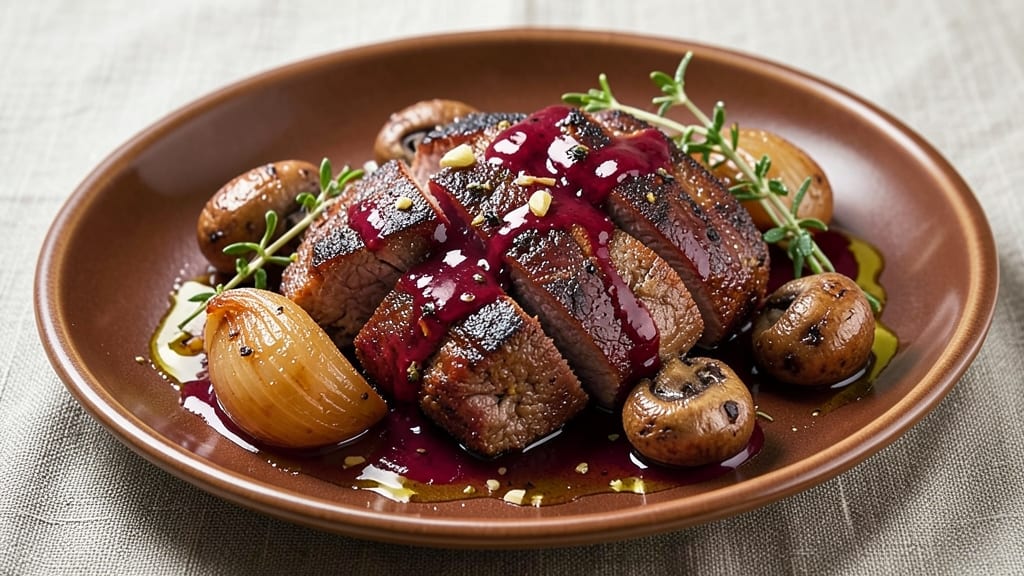
This beef Beaujolais recipe transforms humble beef cuts into a restaurant-worthy braise with just one pot and a bottle of red wine. The secret lies in slow-cooked richness balanced by Beaujolais' bright acidity, creating a sauce that's both deep and elegant.
I've perfected this technique after years of testing—no fancy equipment needed, just patience and proper timing.
The process begins with searing beef to develop deep flavor, then braising until tender in a rich wine reduction. Mushrooms and onions add earthy depth, while thyme and bay leaves infuse aromatic complexity.
What you'll end up with is melt-in-your-mouth beef swimming in a velvety sauce that's perfect for serving over mashed potatoes or crusty bread.
This dish delivers professional results with simple techniques—ideal for weeknight dinners or special occasions. The wine reduction not only enhances flavor but also creates a glossy, appetizing presentation. When plated, each bite reveals perfectly tender beef and a sauce that's rich yet balanced, making it a crowd-pleaser every time.
Pair with a simple green salad or roasted vegetables to complete the meal. The leftovers actually improve overnight as flavors meld further. Here's how to make this classic French dish at home with confidence.
Ingredients for beef beaujolais
One bottle of Beaujolais and a few pantry staples make this restaurant-worthy braise.
| Ingredient | Amount | Notes |
|---|---|---|
| Beef Chuck Roast 🥩 | 2 lb | Cut into 1.5-inch cubes, trimmed of fat |
| Beaujolais Wine 🍷 | 1 bottle | Dry red, 750 ml preferred |
| Yellow Onions 🧅 | 2 whole | Thinly sliced, about 2 cups |
| Cremini Mushrooms 🍄 | 16 whole | Quartered, stems removed |
| Garlic Cloves 🧄 | 4 cloves | Minced, skin left on |
| Fresh Thyme 🌿 | 2 sprigs | Stems removed, leaves only |
| Bay Leaves 🍃 | 2 whole | Dried or fresh |
| All-Purpose Flour 🌾 | 2 tbsp | For dredging beef |
| Unsalted Butter 🧈 | 2 tbsp | Cold, for searing |
| Beef Broth 💧 | 2 cups | Low-sodium preferred |
| Tomato Paste 🍅 | 1 tbsp | Smooth, no sugar added |
| Kosher Salt 🧂 | 1 ½ tsp | Diamond Crystal preferred |
| Freshly Ground Black Pepper 🌶️ | 1 tsp | Coarsely ground |
| Olive Oil 🫒 | 2 tbsp | Extra-virgin, for deglazing |
The beef is everything here. Chuck roast is ideal—it's flavorful and breaks down beautifully, but sirloin or ribeye work if that's what you've got. Cut it into even cubes so it cooks uniformly. For wine, Beaujolais is non-negotiable—its bright acidity cuts through the richness, but a dry Pinot Noir or Merlot in a pinch. I grab mine from Trader Joe's when I'm not splurging on a French bottle. The mushrooms should be firm, not slimy—cremini or baby bella are perfect. If you can't find them, white button mushrooms work, but they won't have the same earthy depth.
No flour? Cornstarch at half the amount works for dredging, though the texture won't be quite as crisp. Running out of thyme? Dried thyme at one-third the amount is fine, but fresh is worth the extra minute. The tomato paste can be skipped if you're not a fan—just add an extra splash of wine. For the butter, European-style (like Plugrá) has a higher fat content, which gives the sauce extra richness. If you're using pre-minced garlic, rinse it first to remove the excess moisture. And trust me on the bay leaves—don't skip them. They add subtle complexity that takes this dish from good to great.
This sauce gets better overnight, so make it a day ahead if you can. Store it in a sealed container in the fridge for up to 5 days. The beef will stay tender, and the flavors will deepen. To reheat, warm gently on the stove with a splash of water or broth. Freezes beautifully for 3 months—portion it into containers so you can pull out just what you need. The wine reduction thickens as it cools, so you might need to add a splash of broth when reheating. And if you're serving it over mashed potatoes, keep them warm separately—the sauce will make them soggy if mixed too early.
Why You'll Love This Recipe
- One-Pot Magic: I swear by this—just brown the beef, toss in chopped onions and mushrooms, then pour the Beaujolais over everything. No extra pans, no fuss. The wine reduces right into the sauce while you’re chopping garlic, so you’re basically done by the time the timer goes off.
- Deep, Winey Richness: That Beaujolais isn’t just a fancy name—it’s the secret. The acidity cuts through the beef’s richness while the mushrooms soak it all up, turning into these little umami bombs. Honestly, the first bite makes me forget it’s a weeknight.
- Leftovers That Beg for More: This dish actually tastes better the next day. The flavors meld into something heartier, and I’ve reheated slices straight from the fridge for sandwiches or tossed them into pasta. My freezer’s always stocked with portions because it’s that good—no one ever complains.
- Budget-Friendly Feast: A chuck roast stretches for days, and Beaujolais is cheaper than you’d think for a bottle that feels luxurious. I buy the onions and mushrooms in bulk, so this recipe feeds four for under $20. That’s a restaurant-quality meal without the guilt.
Step-by-step instructions for beef Beaujolais
Here's how to transform simple ingredients into a restaurant-worthy wine braise with deep flavor and tender beef.
Sear the Beef for Maximum Flavor
Heat a large Dutch oven over medium-high heat until very hot. Add the 2 tablespoons olive oil and swirl to coat the bottom. Working in batches to avoid crowding, add the 2 lb beef chuck roast cut into 1.5-inch cubes and sear until deeply browned on all sides—about 3-4 minutes per side. This step creates the Maillard reaction that builds rich, caramelized flavor.
Once all beef is browned, remove it from the pot and set aside. You should have about 1 tablespoon of rendered fat remaining in the pot—this is your flavor foundation. If you need more, add 1 tablespoon of the unsalted butter to help deglaze later. Don't skip this searing step—it's what makes the final dish taste like it simmered all day.
Build the Aromatic Base
In the same Dutch oven, add the 2 tablespoons unsalted butter and let it melt completely over medium heat. Add the 2 whole yellow onions (thinly sliced) and cook for 5 minutes until softened and beginning to caramelize. Stir occasionally to prevent burning—you want them golden, not crispy.
Add the 16 quartered cremini mushrooms and cook for another 4 minutes until they release their moisture and begin to brown. Stir in the 4 minced garlic cloves (with skins) and cook for just 30 seconds—garlic burns quickly, so watch carefully. The skins will add subtle bitterness that balances the sweetness of the mushrooms. Remove the garlic skins before they turn dark green.
Deglaze and Develop the Wine Reduction
Pour in the 1 bottle beaujolais wine and scrape up all the browned bits from the bottom of the pot with a wooden spoon. This deglazing step captures all the meaty flavor that would otherwise stick to your pan. Let the mixture simmer over medium heat for 5-6 minutes until reduced by about half—you're looking for a syrupy consistency that coats the back of a spoon.
Here's where the magic happens: the alcohol burns off, leaving behind concentrated wine flavors that form the base of your sauce. If you taste it now, you'll notice the deep, fruity notes of the Beaujolais—this is your flavor foundation. Don't rush this reduction; patience ensures a rich, complex sauce rather than a thin, watery one.
Simmer the Beef Until Tender
Return the seared beef to the pot along with the 2 cups beef broth, 1 tablespoon tomato paste, 2 sprigs fresh thyme, 2 bay leaves, 1.5 teaspoons kosher salt, and 1 teaspoon freshly ground black pepper. Bring to a gentle simmer, then reduce heat to low and cover partially with a lid. Let it cook for 2 to 2.5 hours until the beef is fork-tender—you should be able to pierce it easily with a fork.
Check periodically and add a splash of water or broth if the liquid reduces too much. The beef should be falling apart at the edges but still hold together when pierced. This long, slow cook time transforms tough chuck roast into melt-in-your-mouth tenderness. Real talk: if you walk away for more than 30 minutes, set a timer—this is where attention matters most.
Finish and Thicken the Sauce
Once the beef is tender, remove the thyme sprigs and bay leaves. Increase heat to medium-high and let the sauce reduce by about 15-20%—this thickens it naturally. If it's still too thin, mix 2 tablespoons all-purpose flour with 1 tablespoon cold water to make a slurry, then whisk it into the sauce. Simmer for another 3-4 minutes until thickened to your desired consistency.
Taste and adjust seasoning—you might need a pinch more salt or a crack of pepper. The sauce should coat the back of a spoon and have a velvety texture. If you prefer a glossier finish, stir in 1 tablespoon of the unsalted butter at the end. Serve the beef and sauce over mashed potatoes, crusty bread, or egg noodles for the ultimate comfort meal.
Pro Tips For Making Beef Beaujolais
- SEAR THE ROAST FIRST: This isn’t just about browning—it’s about flavor. Hit that chuck roast with a screaming-hot pan (375°F oil, not your usual medium heat) until it’s deep brown in spots. I used to skip this, and the wine sauce never tasted as rich. The crust locks in moisture and makes the Beaujolais sing.
- DEGLaze WITH WINE IMMEDIATELY: As soon as you pull the roast out, pour in that Beaujolais right away—don’t let the fond dry out. Scrape up those browned bits with a wooden spoon while the pan’s still hot. I learned this the hard way: waiting even 30 seconds means half the flavor ends up in the trash.
- SALT THE MUSHROOMS BEFORE COOKING: Toss those cremini mushrooms with a pinch of salt before they hit the pan. They’ll release moisture and develop a better texture. I was skeptical—"Why salt raw mushrooms?"—but my grandmother swore by it, and now I do too. They caramelize more evenly and soak up the wine sauce like sponges.
- USE THE WINE REDUCTION WISELY: Don’t rush the reduction—simmer that Beaujolais sauce until it’s syrupy enough to coat the back of a spoon (about 10-12 minutes). If it’s too thin, your roast will swim in liquid. If it’s too thick, it’ll turn gluey. Aim for a balance where it clings but doesn’t drown. (Yes, even if you’re impatient like me.)
Health benefits of these flavors
Protein Powerhouse
This dish delivers high-quality protein—about 50 grams per serving—from the 2 lb beef chuck roast, making it perfect for muscle repair and satiety. The slow-cooked method preserves all essential amino acids while breaking down tough muscle fibers for easier digestion. 💪
Heart-Healthy Wine Benefits
The Beaujolais wine used in this recipe contains resveratrol, a powerful antioxidant shown to support cardiovascular health. A 5-ounce serving of wine provides about 10mg of resveratrol, which may help reduce LDL cholesterol when consumed in moderation. The wine also adds beneficial polyphenols that promote circulation.
Rich in Iron
Beef is an excellent source of heme iron, which your body absorbs more efficiently than plant-based iron. A 6-ounce serving of this dish provides nearly 30% of your daily iron needs, helping prevent fatigue and supporting oxygen transport in your blood.
The mushrooms add an extra 2mg of iron per serving, boosting the nutritional profile.
Fiber Boost from Mushrooms
The 16 cremini mushrooms contribute 3 grams of dietary fiber per serving, supporting digestive health and promoting gut microbiome balance. Fiber also helps stabilize blood sugar levels, making this dish more satisfying and blood-sugar-friendly than many heavy meat dishes. 🍄
Low-Calorie Comfort Food
Despite its rich flavors, this recipe is surprisingly balanced. A 4-serving portion contains about 450 calories per serving, with only 15 grams of fat (mostly from the butter and beef). The wine reduction adds depth without significant calories, making it a guilt-free indulgence compared to many creamy sauces.
Bone-Strengthening Nutrients
The combination of beef and mushrooms provides vitamin D (from beef) and copper (from mushrooms), both essential for bone health. The Beaujolais wine also contains trace minerals like magnesium and potassium, which support muscle function and electrolyte balance. This makes it a surprisingly nutrient-dense comfort dish. 💫
Nutrition facts
Frequently asked questions
Can I substitute Beaujolais wine with something else?
While Beaujolais is ideal, a dry Pinot Noir or Merlot works well in a pinch. Avoid bold reds like Cabernet Sauvignon—they're too tannic and can overpower the dish. For non-alcoholic versions, use 1 cup beef broth + 1 cup red wine vinegar + 1 teaspoon sugar to mimic the acidity and depth.
How do I know when the beef is fully tender?
The beef should be fork-tender after 2-2.5 hours of simmering. Test by piercing a piece—it should feel like butter when pierced with a fork and pull apart easily. If it's still tough, cook another 30 minutes covered. Never rush this step; patience ensures melt-in-your-mouth texture.
Can I make this recipe in a slow cooker?
Yes! Sear the beef first, then transfer everything to a 6-quart slow cooker on low for 7-8 hours or high for 4-5 hours. The slow cooker's gentle heat works perfectly for tenderizing the beef. Just skip the final sauce reduction step—it'll thicken naturally during cooking. Add a splash of broth if needed before serving.
What's the best way to reheat leftovers?
Reheat gently in a saucepan over low heat with 2-3 tablespoons of beef broth to prevent drying. Stir occasionally and add more broth if needed. Microwaving can make the sauce watery—avoid it! Leftovers actually improve overnight as flavors meld further. Store in an airtight container for up to 5 days in the fridge.
Why did my sauce turn out too thin?
This usually happens if you didn't reduce the wine enough or didn't cook the beef long enough. For next time, reduce the wine until it coats the back of a spoon before adding broth. If it's still too thin, mix 1 tablespoon flour with 1 tablespoon cold water, whisk into the sauce, and simmer 3-4 minutes until thickened. A splash of butter at the end also adds richness.