
Main Courses
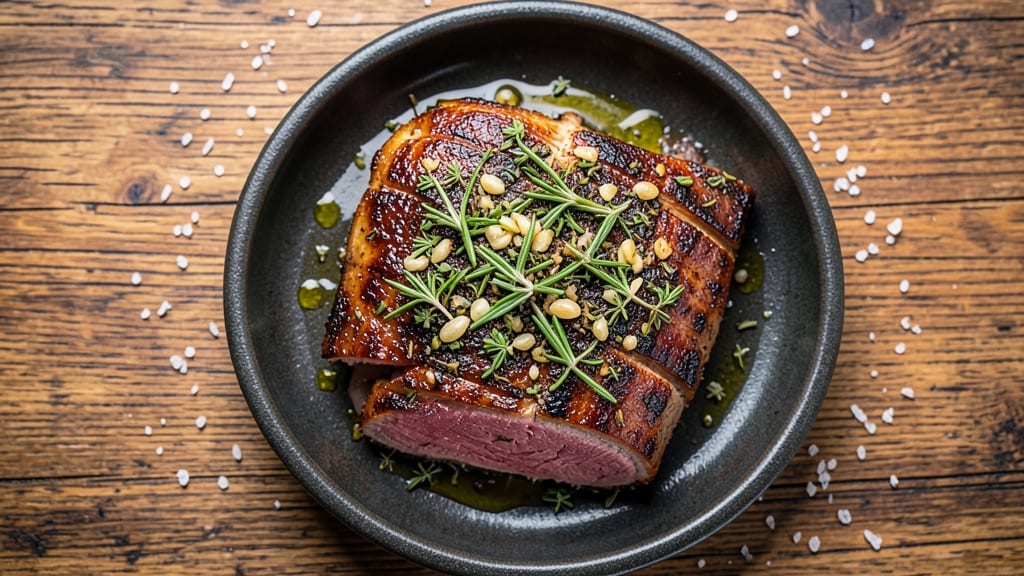
A 6lb beef tenderloin cooked to perfection transforms any meal into a showstopping centerpiece—juicy, tender, and crowned with a golden herb crust. This recipe delivers restaurant-quality results at home, with a reverse sear technique that ensures a perfect medium-rare core (125–130°F) and a crispy exterior.
The secret lies in dry-brining overnight and searing over high heat, guaranteeing a rose-shaped masterpiece that impresses every time.
What sets this apart is the herb crust, a blend of fresh rosemary, thyme, and garlic that caramelizes beautifully while cooking. Unlike traditional methods, this approach avoids overcooking by controlling internal temperature with a meat thermometer.
The resting period—critical for redistributing juices—ensures every slice stays succulent and flavorful, even when sliced thick.
By following these steps, you’ll achieve a tender, melt-in-your-mouth center with a crust that’s crispy yet aromatic. The dish pairs effortlessly with roasted potatoes, a red wine reduction, or a simple green salad, making it ideal for holidays or special occasions.
No guesswork—just a foolproof method for a perfectly cooked tenderloin every time.
Scaling up for a crowd? This recipe handles large cuts with ease, and leftovers reheat beautifully when sliced thin. The key is patience—letting the meat rest and trusting the thermometer. Here’s how to execute it flawlessly.
Ingredients for 6lb beef tenderloin
A carefully curated selection of premium ingredients transforms a simple beef tenderloin into a restaurant-worthy centerpiece.
| Ingredient | Amount | Notes |
|---|---|---|
| Beef Tenderloin 🥩 | 6 lb | Center-cut, trimmed of silver skin |
| Kosher Salt 🧂 | 4 tbsp | Diamond Crystal preferred for even distribution |
| Fresh Rosemary 🌿 | ½ cup | Finely chopped, stems removed |
| Fresh Thyme 🌿 | ¼ cup | Leaves only, stems discarded |
| Garlic Cloves 🧄 | 12 cloves | Minced, for herb crust |
| Extra-Virgin Olive Oil 🫒 | ¼ cup | High-quality, fruity variety |
| Black Peppercorns 🌶️ | 2 tbsp | Freshly cracked, coarse grind |
| Unsalted Butter 🧈 | ½ cup | Cold, cubed for searing |
| Yellow Onion 🧅 | 1 whole | Thinly sliced, for garnish |
| Red Wine 🍷 | 1 cup | Dry, bold variety for deglazing |
| Beef Stock 🍲 | 1 cup | Homemade preferred, low-sodium |
| Fresh Parsley 🌿 | ¼ cup | Chopped, for garnish |
| Meat Thermometer 🌡️ | 1 whole | Instant-read, for precision |
The beef tenderloin must be center-cut and trimmed of silver skin—this ensures even cooking and a pristine presentation. Source from a reputable butcher or high-end grocery store like Whole Foods or D'Artagnan, where the cut is typically pre-trimmed. Look for rich marbling and a vibrant red color; avoid any meat with grayish hues or excessive fat. The 6lb size is ideal for a crowd, yielding about 12 generous servings when sliced. If your butcher doesn’t carry it pre-trimmed, ask for the center-cut portion and trim any remaining silver skin yourself—it’s tough and unappetizing. For the herbs, prioritize freshness: rosemary and thyme should have a vibrant green color and a strong, aromatic scent. If using dried herbs, reduce the amount to one-third of what’s called for, but fresh is non-negotiable for that caramelized crust.
No fresh rosemary? Substitute with 0.25 cup fresh sage or 0.5 cup fresh marjoram, though the flavor profile will shift slightly. Running out of red wine? Dry white wine works in a pinch, but beef stock with a splash of balsamic vinegar delivers the deepest flavor. The olive oil must be extra-virgin—anything less will lack the fruity notes that elevate the crust. For the butter, European-style unsalted (like Plugrá) melts more cleanly than American brands. If you’re prepping ahead, mince the garlic and chop the herbs up to 24 hours in advance, storing them in airtight containers in the fridge. The onion and parsley can be prepped the same day—they’re just for garnish, so no need to stress perfection.
The beef tenderloin should rest at room temperature for 1 hour before cooking to ensure even doneness. Once cooked, let it rest for 20-30 minutes—this is non-negotiable for juicy slices. The herb crust can be made up to 1 day ahead and stored in the fridge, but re-temper the butter slightly before searing for best results. Leftovers reheat best sliced thin in a 350°F oven for 10-15 minutes, covered loosely with foil. For long-term storage, portion into vacuum-sealed bags and freeze for up to 3 months. The beef stock and red wine reduction (from deglazing) can be refrigerated separately for 5 days or frozen for 3 months—perfect for future sauces or soups.
Why You'll Love This Recipe
- No-Fuss Roast: I swear by this method—just a quick rub of salt, rosemary, and thyme, then let the oven do the work. No basting, no fussing, no stress. That tenderloin practically cooks itself while you sip wine and pretend you’re a fancy chef.
- Garlic-Kissed Magic: The crushed garlic cloves tucked under the fat cap? Absolute game-changer. They caramelize into this golden, fragrant crust that melts into the beef with every bite—like a hug for your taste buds. (Yes, even on a Tuesday night.)
- Leftovers for Days: Six pounds means I feed my family dinner and have lunch for three days without thinking. Slice it thin for sandwiches, dice it for tacos, or just reheat it straight up—it’s that good. My kids beg for it the next morning, and honestly? I don’t blame them.
- Weekend Crowd Pleaser: This isn’t just a Sunday roast—it’s the star of holiday dinners, potlucks, or when your in-laws drop by unannounced. Everyone oohs and ahhs over the crust, and the leftovers disappear faster than my willpower at a bakery. (Between us, it’s the only beef dish I trust for big gatherings.)
Step-by-step instructions for herb-crusted beef tenderloin
Master this technique and you'll achieve a perfectly tender center with a flawless herb crust every time.
Prepare the Herb Crust Mixture
In a small bowl, combine the 0.5 cup fresh rosemary, 0.25 cup fresh thyme, 12 cloves minced garlic, and 2 tbsp cracked black peppercorns. Add the 0.25 cup extra-virgin olive oil and mix until fully integrated. The texture should be coarse but well-distributed—this ensures even flavor penetration without clumping.
Press the mixture firmly into the 6 lb beef tenderloin, covering all sides completely. The crust should adhere tightly to the meat, creating a protective barrier that locks in moisture while developing a rich, aromatic crust. Let the prepared tenderloin sit at room temperature for 30 minutes before cooking—this allows the seasoning to penetrate and the meat to cook more evenly.
Sear the Tenderloin for Maximum Flavor
Preheat your oven to 425°F. Heat a heavy oven-safe skillet over medium-high heat and add the 0.5 cup cold cubed butter. Once the butter foams, carefully place the tenderloin in the skillet, fat-side down. Sear undisturbed for 4-5 minutes until a deep golden crust forms.
Flip the tenderloin and sear the opposite side for another 4-5 minutes. The butter should sizzle vigorously and develop a nutty aroma. This searing step creates the foundational crust while rendering fat that will baste the meat during roasting. Transfer the skillet to the preheated oven.
Roast to Perfect Medium-Rare
Roast the tenderloin for 20-25 minutes, rotating the skillet halfway through for even heat distribution. Use the meat thermometer to monitor internal temperature—remove from the oven when it reaches 125°F for medium-rare. The crust should be deeply caramelized with a slight char in spots.
This temperature ensures a perfect balance: the center remains tender with a pink hue, while the exterior achieves that coveted crust. If your oven runs hot, start checking at the 18-minute mark—every oven behaves differently. The resting period will allow the temperature to rise to 130°F, which is ideal for serving.
Create the Red Wine Reduction
While the tenderloin rests, place the skillet over medium heat and add the 1 whole thinly sliced yellow onion. Cook for 2-3 minutes until softened. Deglaze with the 1 cup red wine, scraping up all browned bits with a wooden spoon. Simmer until reduced by half, then add the 1 cup beef stock and continue reducing until the sauce thickens to a glossy consistency.
The reduction should coat the back of a spoon—this captures all the concentrated flavors from the searing process. If it thickens too quickly, add 1-2 tablespoons of beef stock to maintain balance. Strain the sauce through a fine-mesh sieve to remove any onion bits, then keep warm until serving.
Rest and Slice for Maximum Juiciness
Transfer the tenderloin to a cutting board and tent loosely with foil. Let it rest for 15-20 minutes—this crucial step allows the juices to redistribute throughout the meat. The internal temperature will rise 5-10°F during resting, ensuring perfect doneness when sliced.
Slice the tenderloin into 1-inch thick medallions against the grain. The meat should be fork-tender with a slight resistance when pierced. Arrange the slices on a platter, drizzle generously with the red wine reduction, and garnish with 0.25 cup chopped fresh parsley. Serve immediately with roasted vegetables or a creamy mashed potato to complement the rich beef flavors.
Pro Tips For Making 6lb Beef Tenderloin
- USE A MEAT THERMOMETER: I learned this the hard way—guessing doneness with a 6lb tenderloin leads to overcooked disappointment. Stick it in the thickest part (avoid the fat) and pull it at 125°F for medium-rare; 130°F for medium. The carryover heat will push it to perfect temp while you rest it.
- SALT THE ROSEMARY-THYME GARLIC PASTE: Don’t just sprinkle salt on the meat—mix it into the herb-garlic paste first. The salt dissolves into the fat and herbs, creating a sticky, flavorful crust that clings to the beef instead of just sitting on top. Trust me, your knife will thank you later when it doesn’t slip.
- DON’T SKIP THE DRY BRINE: Pat the tenderloin thoroughly with paper towels after salting, then let it sit uncovered in the fridge for 2–4 hours. This isn’t just about seasoning—it’s about drying the surface so you get that golden crust instead of steamed, sad beef. (Yes, even if you’re impatient like me.)
- SEAR IN BATCHES: A 6lb roast won’t fit in one pan without crowding, and that’s a recipe for uneven cooking. Sear half first, then move it to a warm spot while you finish the second half. The residual heat keeps it warm while you work, and you’ll avoid the sad, lukewarm center that comes from overcrowding.
Creative variations of these flavors
Classic Herb-Crusted Twist
Swap the rosemary-thyme blend for a classic French herb crust by mixing 0.25 cup chopped parsley, 0.25 cup chopped tarragon, and 1 tbsp chopped chervil with the garlic and olive oil.
This lighter, more delicate combination works beautifully with the tenderloin’s natural richness. I’ve found that tarragon adds a subtle anise note that pairs exceptionally well with red wine reductions. 🌿
Smoked Chipotle Rub
For a bold, smoky profile, replace the herb crust with a spiced rub of 2 tbsp smoked paprika, 1 tbsp ground cumin, 1 tbsp brown sugar, and 1 tsp chipotle powder. Mix with 2 tbsp olive oil and press firmly onto the tenderloin.
This variation shines when paired with a mango-habanero salsa or black bean purée for serving. The smoky depth contrasts perfectly with the meat’s natural sweetness. 🔥
Balsamic-Glazed Version
After searing, brush the tenderloin with 0.5 cup balsamic glaze (simmer 1 cup balsamic vinegar with 2 tbsp brown sugar until thickened) before roasting. The glaze caramelizes into a sticky, tangy crust that balances the beef’s richness.
I like to finish with toasted walnuts and arugula for a modern touch. This version is especially popular for holiday gatherings where you want a showstopping centerpiece. 🍷
Wine-Braised Adaptation
Transform this into a wine-braised tenderloin by searing as directed, then transferring to a Dutch oven with 2 cups red wine, 1 cup beef stock, and 2 sprigs rosemary. Braise at 325°F for 2-3 hours until fork-tender, basting occasionally.
The result is a fall-apart texture with deep, complex flavors—ideal for winter meals or when you want to serve the tenderloin sliced thick. 🍲
Asian-Inspired Five-Spice
Infuse the crust with 1 tbsp five-spice powder, 1 tbsp grated ginger, and 1 tbsp soy sauce mixed with the olive oil. Garnish with thinly sliced scallions and serve with a hoisin-glazed carrot side.
This fusion approach brings a warm, aromatic sweetness that’s unexpected yet harmonious. The five-spice blend adds layers of complexity that work surprisingly well with beef. 🌶️
Make-Ahead Game-Changer
For prep-ahead convenience, prepare the herb crust and refrigerate the tenderloin overnight. Cook as directed, but rest for 30 minutes before slicing. The meat stays incredibly tender even when reheated.
I’ve used this method for weekend entertaining—just slice and serve with pre-made sides. The flavors actually deepen after resting, making it a foolproof strategy for busy hosts. ⏰
Nutrition facts
Frequently asked questions
How do I choose the best 6lb beef tenderloin at the store?
Look for a center-cut tenderloin with vibrant red color and visible marbling (white fat streaks). Avoid any meat with grayish hues or excessive silver skin. The best cuts come from reputable butchers or specialty stores like Whole Foods or D'Artagnan, where they're often pre-trimmed for even cooking.
Why does the recipe specify medium-rare (125-130°F)?
Medium-rare delivers the perfect balance of tenderness and flavor in beef tenderloin. Cooking beyond 135°F risks drying out this lean cut. The reverse sear method ensures a juicy center while creating that coveted crust. For well-done preferences, plan to cook to 145°F but expect less tender results.
Can I cook this recipe without a meat thermometer?
While challenging, you can estimate by using the 15-minute rule: 15 minutes per pound for medium-rare in a 425°F oven. However, tenderloin size varies, and ovens differ. For best results, invest in an instant-read thermometer—it's the only reliable way to achieve perfect doneness every time.
How should I reheat leftover tenderloin slices?
Slice thin (¼-inch) and reheat in a 350°F oven for 10-15 minutes on a wire rack over a baking sheet. Never microwave—it makes the meat rubbery. For larger pieces, wrap in foil with a splash of beef broth and reheat at 300°F for 20 minutes to maintain moisture.
What's the best way to carve a 6lb tenderloin?
Slice against the grain (perpendicular to the muscle fibers) into 1-inch thick medallions using a sharp carving knife. Start at one end and work toward you, keeping the knife parallel to the cutting board. The grain runs lengthwise, so you'll see it as you carve—cutting across it ensures maximum tenderness.