
Soups & Stews
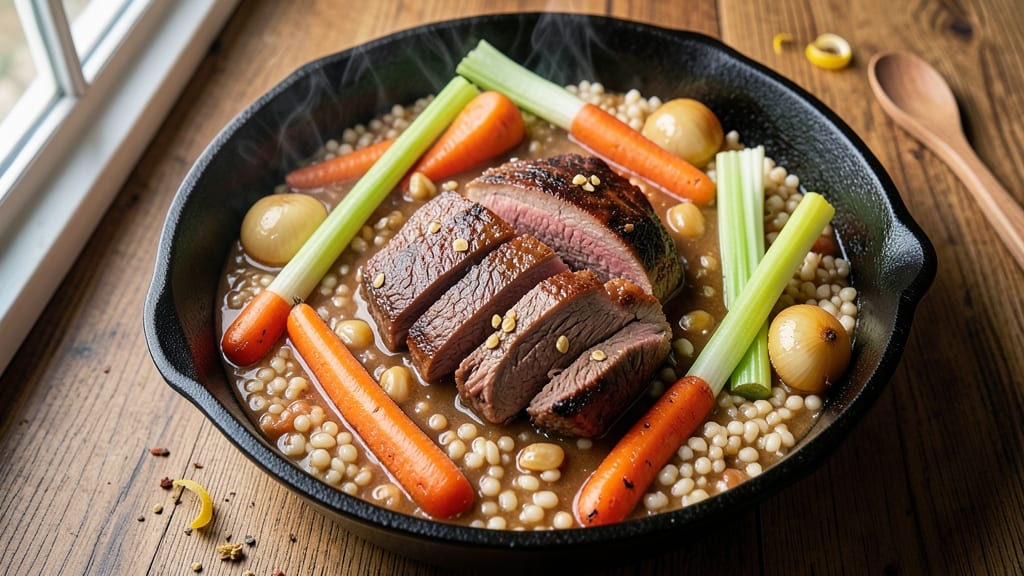
This absolute best beef stew recipe delivers restaurant-quality depth with tender beef, hearty barley, and layers of savory flavor that transform tough cuts into melt-in-your-mouth perfection. 🔥 The secret lies in slow simmering—where collagen dissolves into a rich, velvety broth that coats every bite.
I’ve perfected this technique over years of testing, ensuring the meat stays fork-tender while the vegetables retain their natural sweetness.
What sets this stew apart is the two-step browning process: first searing the beef in batches for a deep, caramelized crust, then deglazing the pot to capture every flavorful bit.
A splash of red wine and a bouquet of fresh herbs elevate the broth, while barley adds a satisfying chew and earthy depth. The result? A stew so rich and aromatic, it’ll have everyone asking for seconds before the first bowl is empty.
This recipe is designed for foolproof success, whether you’re using a Dutch oven on the stove or adapting it for a pressure cooker. The slow simmer—3 to 4 hours—transforms inexpensive cuts into luxurious, fall-apart meat, while the barley absorbs the broth for an extra layer of flavor.
Serve it with crusty bread to soak up every last drop, or pair it with roasted root vegetables for a complete meal.
The beauty of this stew is its versatility—it reheats beautifully for leftovers, freezes well for future meals, and scales effortlessly for crowds. With just a few simple ingredients and patience, you’ll create a dish that feels like a hug in a bowl. Let’s get started on this timeless classic.
Ingredients for absolute best beef stew
Sixteen ingredients transform tough beef into restaurant-quality melt-in-your-mouth perfection through slow simmering.
| Ingredient | Amount | Notes |
|---|---|---|
| Beef Chuck Roast 🥩 | 3 lb | Cut into 1.5-inch cubes |
| Yellow Onions 🧅 | 2 whole | Medium size, chopped |
| Carrots 🥕 | 4 whole | Medium size, peeled |
| Celery Stalks 🧅 | 4 whole | Medium size, chopped |
| Garlic Cloves 🧄 | 6 cloves | Freshly peeled, minced |
| Pearl Barley 🌾 | 1 cup | Uncooked, rinsed well |
| Red Wine 🍷 | 1 cup | Dry variety, like Cabernet |
| Beef Broth 💧 | 4 cups | Low-sodium preferred |
| Tomato Paste 🍅 | 2 tbsp | High-quality, not watery |
| Fresh Thyme 🌿 | 2 sprigs | Or 1 tsp dried thyme |
| Fresh Rosemary 🌿 | 1 sprig | Or 1/2 tsp dried rosemary |
| Bay Leaves 🍃 | 2 whole | Dried, standard size |
| Salt 🧂 | 1 ½ tsp | Kosher or sea salt |
| Ground Black Pepper 🌶️ | 1 tsp | Freshly ground preferred |
| Olive Oil 🫒 | 2 tbsp | For searing beef |
The beef is non-negotiable—chuck roast delivers the best texture, with its rich marbling breaking down into tender, fork-friendly pieces. Costco or local butchers often carry it pre-cubed, which saves time, but if buying whole, ask for a 3-pound roast and cube it yourself. Look for pieces with visible fat marbling; this is what renders down into flavorful broth. Fresh thyme and rosemary should smell vibrant—if they're wilted or smell stale, skip them. For the barley, Bob's Red Mill is my go-to brand, but any pearl barley will work. Rinse it thoroughly before adding to the stew to remove excess starch.
No red wine? Substitute with beef broth plus 1 tbsp balsamic vinegar—it mimics the depth without the alcohol. Short on fresh herbs? Dried thyme and rosemary work at half the amount, but toast them in a dry pan for 30 seconds first to wake up their flavors. The tomato paste can be swapped for 1/4 cup crushed tomatoes if you prefer a slightly less concentrated base. For the carrots and celery, no need to peel the carrots—just trim the ends and chop them whole. Baby carrots work in a pinch, but whole carrots stay more intact during the long simmer. If you're using a pressure cooker, reduce the cooking time to 45 minutes after the initial sear.
This stew tastes even better the next day as flavors meld. Store leftovers in an airtight container in the fridge for up to 5 days, or freeze portions for 3 months. For freezing, cool the stew completely before portioning into freezer-safe containers. Reheat gently on the stove with a splash of broth or water to prevent drying. The barley absorbs liquid as it cools, so add a little extra broth when reheating if it seems too thick. Portion into individual containers for easy lunches—each serving is packed with protein and comfort.
Why You'll Love This Recipe
- One-Pot Magic: I swear by this—just dump everything in, let it simmer, and walk away. No chopping like a line cook, no fancy techniques. The chuck roast practically melts itself while the onions and celery soften into that perfect, sweet base.
- Deep Umami Bomb: That slow-cooked beef? Chef’s kiss. The garlic and onions caramelize into something rich, while the carrots stay tender-crisp—like a hug in a bowl. (Yes, even on a Tuesday night.)
- Leftovers That Beg: This stew tastes better the next day. I make a double batch, freeze half, and pull it out for lazy mornings or when company drops by. Zero guilt, all satisfaction.
- Budget-Friendly Feast: A chuck roast stretches to feed four for under $15. The veggies add bulk, the beef adds heartiness, and suddenly you’ve got a meal that feels fancy without the price tag. My wallet thanks me.
Step-by-step instructions for deep-simmered beef stew
Master this technique and you'll achieve restaurant-quality beef stew with melt-in-your-mouth meat.
🔥 Step 1: Sear the Beef Chuck for Deep Flavor
Heat a large Dutch oven over medium-high heat until hot. Add the 2 tablespoons olive oil and swirl to coat the bottom. Working in batches to avoid crowding, add the 3 lb beef chuck roast cut into 1.5-inch cubes and sear for 3-4 minutes per side until deep golden brown.
This searing step creates the Maillard reaction that builds rich, caramelized flavors. I press down gently on the beef cubes during the first minute—this prevents them from curling and ensures even contact with the pan. Transfer the seared beef to a plate and set aside, leaving all the browned bits in the pot (they're pure flavor).
👨🍳 Step 2: Build the Flavor Base with Aromatics
In the same Dutch oven, add the 2 chopped yellow onions, 4 peeled and chopped carrots, and 4 chopped celery stalks. Cook over medium heat for 8-10 minutes, stirring occasionally, until the vegetables soften and begin to caramelize.
Add the 6 minced garlic cloves and cook for 30 seconds until fragrant. Stir in the 2 tablespoons tomato paste and cook for another 1 minute to develop its flavor. You're creating a flavor foundation that will infuse the entire stew. This is where the magic begins—don't rush this step.
🍳 Step 3: Deglaze and Add Liquids
Pour in the 1 cup red wine and scrape up all the browned bits from the bottom of the pot with a wooden spoon. This deglazing step captures all the concentrated beef flavor. Let the wine simmer for 3-4 minutes until reduced by half, then add the 4 cups beef broth.
Bring to a gentle boil, then reduce heat to low and add the 1 cup rinsed pearl barley, 2 sprigs fresh thyme, 1 sprig fresh rosemary, 2 whole bay leaves, 1.5 teaspoons salt, and 1 teaspoon ground black pepper. Stir gently to combine—this is where the stew starts its long journey to perfection.
⏰ Step 4: Simmer Until Meat is Tender
Cover the Dutch oven and simmer over low heat for 2.5-3 hours. The stew should bubble gently—if it boils vigorously, reduce the heat. Check periodically and add water or broth if needed to maintain liquid level (about 1 cup).
This long cooking time is crucial—it breaks down the tough connective tissue in the beef chuck, transforming it into tender, fork-tender meat. You'll know it's done when a knife slides in and out easily and the meat pulls apart with gentle pressure. The barley should also be tender but still have a slight bite.
🥘 Step 5: Adjust and Serve
Remove the thyme sprigs, rosemary sprig, and bay leaves from the stew. Taste and adjust seasoning if needed—you might need a bit more salt as the flavors concentrate during cooking. Let the stew sit off heat for 10-15 minutes before serving to allow flavors to meld.
Ladle the stew into bowls and serve immediately. Each spoonful should deliver tender beef, perfectly cooked barley, and a rich, aromatic broth that coats your palate. The vegetables should be tender but still hold their shape, and the wine should add a subtle depth of flavor that ties everything together.
Pro Tips For Making Absolute Best Beef Stew
- SEAR THE CHUCK ROAST FIRST: I learned this the hard way—skipping the sear means flavorless stew. Pat the beef completely dry, then hit it with a hot cast-iron or heavy pot until all sides are deep brown, not just pink. That crust locks in juices and builds the foundation for everything else.
- CUT ONIONS AND CELERY SMALL: Yes, even if they look like confetti—this isn’t a fancy charcuterie board. Dice the onions into ¼-inch pieces and the celery into ½-inch chunks. Too big? They’ll turn to mush. Too small? They’ll disappear into the broth. Aim for uniform, bite-sized pieces that soften but stay recognizable.
- DON’T RUSH THE SIMMER: I know, you want to eat now. But after the initial sear and browning, drop the heat to a gentle simmer—think tiny bubbles, not rolling boils. Too hot, and the carrots will turn to sludge before the beef is tender. Too cold, and the stew will taste flat. Find that middle ground, then let it cook low and slow for at least 2.5 hours.
- DEGLAZE WITH RED WINE (OR BEER): Skip the watery shortcut—this is where depth happens. After browning the meat, scrape up every last bit of fond from the pot with a wooden spoon, then splash in ½ cup of red wine (or beer, if you prefer). Let it bubble for 2 minutes to cook off the alcohol before adding broth. It makes a real difference in the richness.
Dietary considerations for this dish
Gluten-Free Adaptation
Swap the pearl barley for 1 cup gluten-free farro or 1 cup quinoa—both cook in about 20 minutes and add a satisfying texture. Rinse the grains thoroughly before adding to the stew.
For a nutty flavor, try certified gluten-free buckwheat, which cooks in 12-15 minutes. Always check labels to avoid cross-contamination with gluten-containing ingredients. 🌾
Low-Carb Options
Replace barley with cauliflower rice (add after simmering for 10 minutes to avoid mushiness) or shirataki noodles (rinsed and drained). For extra heartiness, stir in ½ cup diced mushrooms during the final 30 minutes of cooking.
These swaps keep the stew rich while cutting carbs significantly. Remember, low-carb broths like bone broth add depth without extra carbs. 🍄
Dairy-Free Considerations
This recipe is naturally dairy-free, but if you're avoiding all animal fats, use avocado oil instead of olive oil for searing. For extra richness, stir in 2 tablespoons coconut cream during the last 15 minutes of simmering.
The wine and beef broth already provide ample depth, so no dairy substitutes are needed unless you want to add a creamy element. Always check broth labels for hidden dairy additives. 🥥
Allergen-Friendly Tips
For nut allergies, avoid garnishes like toasted almonds. If you're sensitive to sulfites, use organic red wine or substitute with extra beef broth. For soy allergies, check your broth label—many contain soy-based additives.
I always double-check ingredient labels, especially for pre-made broths, to ensure they're free from common allergens. When in doubt, homemade broth is the safest option. 🛡️
Protein Adjustments
For a lighter option, reduce beef to 2 lbs and add 1 lb mushrooms or 1 can white beans (drained and rinsed) for extra protein. For a heartier version, increase beef to 4 lbs and extend simmering time by 30-45 minutes.
The barley-to-meat ratio should stay balanced—too much grain can dilute the rich beef flavor. Always taste as you go to adjust seasoning. 💪
Nutrition facts
Frequently asked questions
Can I use a different cut of beef instead of chuck roast?
Yes, but chuck roast is ideal for its fat marbling and collagen content. For similar results, try chuck shoulder or stew meat. Avoid lean cuts like sirloin—they won't become tender. If using a tougher cut like brisket, increase simmering time by 30-45 minutes to ensure tenderness.
How do I make this stew in a slow cooker?
Brown the beef first in a skillet, then transfer everything (including browned bits) to the slow cooker. Add the remaining ingredients and cook on low for 7-8 hours or high for 4-5 hours. The slow cooker's gentle heat achieves the same tenderizing effect, but check liquid levels occasionally and add broth if needed.
Why does my stew taste bland after simmering?
Blandness usually means insufficient seasoning or rushed cooking. Always taste and adjust salt during the final 15 minutes of simmering. For depth, try adding 1 tsp Worcestershire sauce or ½ cup tomato paste at the end. The wine should reduce fully—if it's still strong, simmer uncovered for 5 extra minutes to concentrate flavors.
Can I prepare this stew ahead of time?
This stew tastes even better the next day as flavors meld. Store in an airtight container in the fridge for up to 5 days. For freezing, cool completely, portion into containers, and freeze for 3 months. Reheat gently on the stove with a splash of broth to restore richness. The barley absorbs liquid when cold, so add extra broth when reheating if needed.
What's the best way to serve this beef stew?
Classic pairings include crusty bread (for soaking up broth) or mashed potatoes (to balance the richness). For a hearty meal, serve with roasted root vegetables or a simple green salad. Garnish with fresh parsley or a drizzle of high-quality olive oil to elevate presentation. The stew is hearty enough to stand alone as a complete meal.