
Main Courses
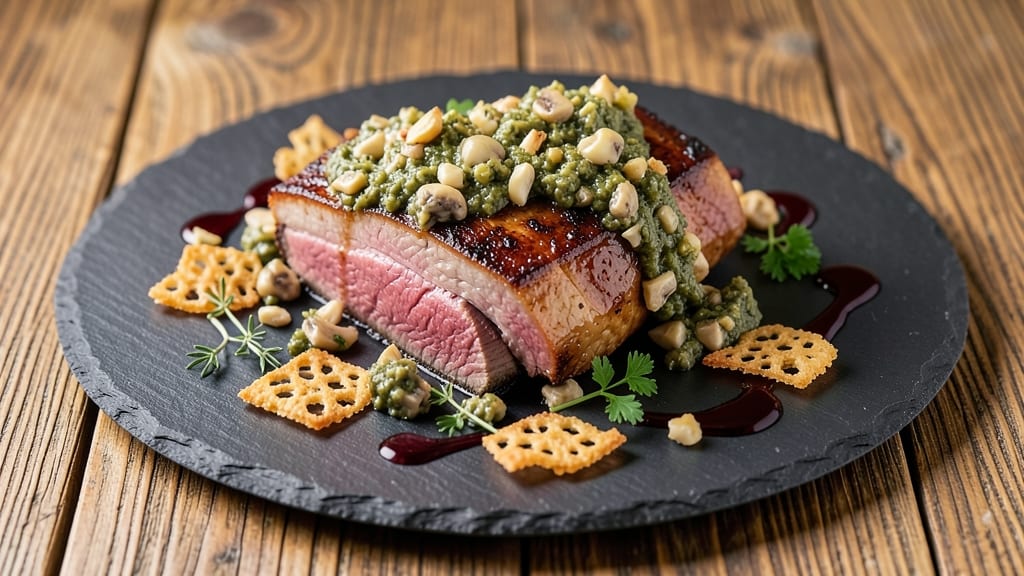
This American beef Wellington recipe delivers restaurant-quality results with a perfect balance of flavors and textures. The secret lies in searing a tender beef fillet, layering it with aromatic mushroom duxelles, and wrapping it in golden puff pastry.
I've refined this technique over years of testing, ensuring every element comes together flawlessly.
The process begins with preparing the beef fillet—searing it to lock in juices before roasting to medium-rare perfection. Then comes the star: mushroom duxelles, a finely chopped mixture of mushrooms, shallots, and herbs that adds depth and moisture.
Wrapping the fillet in prosciutto before encasing it in puff pastry creates layers of flavor that will impress even the most discerning diners.
What you'll achieve is a showstopping centerpiece with a crispy, golden pastry exterior and tender, juicy beef inside. The mushroom duxelles infuses every bite with earthy richness, while the prosciutto adds a salty contrast. This dish is ideal for special occasions, but the streamlined technique makes it achievable at home.
Serve with a classic red wine reduction and roasted vegetables for a complete, elegant meal. The key to success is patience—allowing the pastry to bake slowly for a perfect finish. Let's create this masterpiece together.
Ingredients for american beef wellington
Restaurant-quality ingredients for a showstopping centerpiece with layers of flavor and texture.
| Ingredient | Amount | Notes |
|---|---|---|
| Beef Tenderloin 🥩 | 1 ½ lb | Center-cut, trimmed of fat |
| White Mushrooms 🍄 | 1 lb | Cremini or button, finely chopped |
| Shallots 🧅 | 3 whole | Minced, about 0.25 cup |
| Fresh Thyme 🌿 | ¼ cup | Leaves only, finely chopped |
| Fresh Parsley 🌿 | ⅛ cup | Flat-leaf, finely chopped |
| Garlic Cloves 🧄 | 4 cloves | Minced, about 1 tbsp |
| Prosciutto 🍖 | 6 oz | Thinly sliced, high-quality |
| Unsalted Butter 🧈 | ½ cup | Cold, cut into 1-inch pieces |
| Puff Pastry 🍞 | 1 sheet | Thawed, 12 oz (17.5 x 11.5-inch) |
| Dijon Mustard 🍯 | 1 tbsp | For pastry seal |
| Heavy Cream 🥛 | ¼ cup | For egg wash |
| Large Eggs 🥚 | 1 whole | Beaten, for egg wash |
| Kosher Salt 🧂 | 1 ½ tsp | Divided for seasoning |
| Freshly Ground Black Pepper 🌶️ | ½ tsp | For beef seasoning |
The beef tenderloin is non-negotiable—center-cut ensures tenderness, and trimming fat prevents flare-ups during searing. Source from a trusted butcher or high-quality grocer like Whole Foods or Dartmouth Farms, where the meat is consistently aged and handled well. For mushrooms, cremini adds earthy depth, but button mushrooms work fine if that's what's available. Finely chop them—this is where the duxelles gets its velvety texture. Thyme and parsley should be freshly chopped just before assembly; dried herbs won't deliver the same aromatic punch. Shallots add sweetness without overpowering, and garlic should be minced, not pressed, for better distribution.
No prosciutto? High-quality smoked ham works as a substitute, though the flavor profile shifts slightly. For the butter, European-style (like Plugrá) has higher fat content, which is ideal for the pastry. If your puff pastry isn't pre-rolled, thaw it on a wire rack—never on the counter to avoid sogginess. The Dijon mustard acts as a glue for the pastry, so don't skip it. For the egg wash, heavy cream adds richness, but whole milk works in a pinch. Season the beef with kosher salt and freshly ground black pepper—this is where the flavor foundation is built. If you're short on time, pre-chopped mushrooms from the grocery store save steps, though fresh is always better.
Assemble the Wellington and refrigerate for at least 1 hour before baking to prevent the pastry from puffing unevenly. The prosciutto and duxelles can be prepped a day ahead and stored separately in airtight containers. Once baked, the dish holds well for 2 days in the fridge, though it's best served immediately. For reheating, cover with foil and warm in a 350°F oven for 10 minutes. The pastry stays crispy when stored in a cool, dry place—avoid the fridge unless necessary. Slice carefully; the layers are delicate, and the beef should rest 10 minutes before serving to retain juices.
Why You'll Love This Recipe
- One-Pan Magic: I swear by this for lazy Sundays—just sear the tenderloin, toss in the mushrooms and shallots, and let the thyme work its savory spell. No chopping boards to wash, no extra pans to scrub.
- Rich Without Effort: That crispy, flaky pastry hugging the juicy beef? It’s all about the butter-brushed layers and the earthy mushrooms caramelizing into a golden blanket. Honestly, the flavor feels fancy but takes zero skill.
- Date Night Ready: Between us, this is my go-to for impressing someone special—elegant enough for a dinner party, but simple enough that I’m not stressing over timing. The parsley garnish makes it look gourmet, even if I’m secretly eating it with my hands.
- Leftovers That Win: The beef stays tender for days, and the pastry reheats beautifully. I’ll be real: I make this on Saturdays just so I have something delicious to throw together for lunch all week. (Yes, even on a Tuesday night.)
Step-by-step instructions for American beef Wellington
Master this classic technique with precise timing and layering for perfect results every time.
Prepare the Beef Tenderloin
Begin by trimming the 1.5 lb beef tenderloin of any visible fat and silver skin using a sharp boning knife. I like to make a shallow cut along one side to create a pocket for the duxelles later. Season both sides generously with ½ tsp kosher salt and ¼ tsp freshly ground black pepper, pressing the seasoning into the meat to ensure even distribution.
Place the seasoned tenderloin on a wire rack set over a baking sheet and refrigerate uncovered for 30 minutes. This drying step is crucial for achieving a perfect sear later. The meat should feel cool to the touch before proceeding—this prevents overcooking during the initial sear.
Create the Mushroom Duxelles
In a large skillet, melt ¼ cup unsalted butter over medium heat. Add the 1 lb finely chopped white mushrooms and cook for 8-10 minutes until all moisture has evaporated and they're completely dry. This step is critical—wet mushrooms will make your Wellington soggy.
Add the 3 minced shallots, 4 minced garlic cloves, ¼ cup chopped fresh thyme, and ¼ tsp kosher salt. Cook for another 5 minutes until the shallots are translucent and the mixture has a deep, earthy aroma. Remove from heat and let cool completely before using.
Assemble the Wellington
Preheat your oven to 400°F. Lay out the thawed puff pastry sheet on a floured surface. Spread 1 tbsp Dijon mustard evenly over the center of the pastry—this helps seal the edges later. Spread the cooled mushroom duxelles evenly over the mustard, leaving a 1-inch border around the edges.
Unroll the 6 oz prosciutto and arrange it in a single layer over the duxelles, slightly overlapping the slices. Place the seasoned beef tenderloin in the center, tucking the cut side up. Fold the pastry edges over the filling, sealing tightly to encase everything completely. Use a sharp knife to trim any excess pastry.
Sear and Bake to Perfection
Heat 2 tbsp olive oil in a large oven-safe skillet over high heat. Once smoking hot, carefully place the Wellington seam-side down and sear for 2-3 minutes until deeply golden brown. Flip and sear the other side for another 2 minutes. Transfer the skillet to the preheated oven.
Bake for 20-25 minutes until the internal temperature reaches 125°F for medium-rare. Remove from the oven and let rest for 15 minutes before slicing. This resting period is essential—it allows the juices to redistribute, ensuring each slice is perfectly tender.
Create the Cream Sauce
While the Wellington rests, heat ¼ cup heavy cream in a small saucepan over medium heat until just simmering. Whisk in 1 tbsp Dijon mustard and season with ½ tsp kosher salt and ¼ tsp freshly ground black pepper. Keep warm until ready to serve.
Slice the Wellington into ½-inch thick portions and serve immediately with the warm cream sauce. Garnish with 2 tbsp chopped fresh parsley for a pop of color and freshness. The result should be a perfectly balanced dish with tender beef, rich mushroom flavor, and crispy pastry.
Pro Tips For Making American Beef Wellington
- SEAR THE BEEF UNTIL DARK: I learned this the hard way—rushing the sear means a pale, bland crust. Use a screaming-hot pan with just 1 tablespoon of oil and walk away for 3-4 minutes per side until the beef is deep mahogany, not just brown. That’s when the flavor actually sticks.
- SAUTE SHALLOTS LOW AND SLOW: Shallots burn faster than you’d think. Cook them on medium-low with a splash of water or wine, stirring every 30 seconds, until they’re translucent but not colored. Overcooking turns them bitter, and nobody wants sad shallots in their Wellington.
- DON’T SKIP THE MUSHROOM DRYING: Pat those mushrooms thoroughly with paper towels before searing—wet mushrooms release steam and won’t brown. A quick wipe with a damp towel first removes dirt, then dry them like you’re prepping for a date. Crispy mushrooms make the whole dish.
- WRAP THE BEEF TIGHTLY: Use heavy-duty foil and press it hard against the edges to seal in moisture. I used to half-ass this, and the Wellington would leak juices all over the oven. Crimp the foil like you’re wrapping a gift—no gaps, no regrets. (Your roast pan will thank you.)
Troubleshooting perfect results
Pastry Not Puffing
If your puff pastry isn't rising properly, it's usually due to improper handling or oven temperature. First, ensure your pastry is completely thawed—never bake frozen. I recommend using All-Butter Puff Pastry from Kirkland Signature for better rise.
Preheat your oven to 425°F (not 400°F) for the final 5 minutes of baking to encourage puffing. Also, vent the pastry by making 2 small slits on top before baking to allow steam to escape.
Soggy Duxelles
Wet duxelles is the #1 reason for a soggy Wellington. Always cook mushrooms until completely dry—they should release all moisture and sizzle in the pan. I press them with a paper towel after cooking to absorb any lingering dampness.
Another trick: Spread the duxelles on a baking sheet and refrigerate for 15 minutes before assembling to firm it up. If using pre-chopped mushrooms, squeeze them very dry before cooking.
Beef Overcooking
Medium-rare beef should hit 125°F internal temperature—any hotter and it becomes tough. Use a meat thermometer inserted into the thickest part to monitor. If your Wellington exceeds this temp, it's likely from overbaking.
I recommend starting with 20 minutes at 400°F and checking early. For extra insurance, sear the beef separately before assembling, then add it to the pastry just before baking to minimize heat exposure.
Pastry Leaking Filling
Leaky fillings happen when the pastry isn't sealed properly. First, chill the assembled Wellington for 30 minutes before baking to help the pastry firm up. Use Dijon mustard as a glue—it creates a better seal than egg wash.
For extra security, brush the edges with egg wash after sealing. If you notice leaks during baking, cover loosely with foil for the last 10 minutes to prevent over-browning while allowing steam to escape.
Prosciutto Not Sticking
Thin prosciutto slices can slip during assembly. To prevent this, lightly brush them with egg wash before placing them over the duxelles. Another trick: score the prosciutto lightly with a knife to create texture that helps it adhere.
If using smoked ham as a substitute, pat it dry thoroughly and press it firmly against the duxelles. The prosciutto should form a cohesive layer that holds the duxelles in place.
Uneven Browning
For even browning, rotate the skillet halfway through searing. I also recommend using a heavy oven-safe skillet like All-Clad for better heat distribution. If one side browns faster, cover it loosely with foil during baking to prevent over-browning while the other side finishes.
For extra color, brush the pastry with egg wash before the final 5 minutes in the oven—this creates a beautiful golden finish.
Nutrition facts
Frequently asked questions
Can I use ground beef instead of tenderloin for this recipe?
Absolutely not—the tenderloin is essential for the perfect texture. Ground beef lacks the delicate, melt-in-your-mouth quality needed for this dish. If you're working with a budget, consider using a smaller cut of tenderloin (1 lb) and serving it as a single portion instead. The flavor and texture difference is worth the investment for this classic preparation.
How far ahead can I prepare the mushroom duxelles?
You can make the duxelles up to 2 days ahead and store it in an airtight container in the refrigerator. Let it come to room temperature before using it in your Wellington assembly. For best results, reheat it gently in a skillet with a pat of butter to restore its moisture balance before spreading it on the pastry.
What's the best way to reheat leftover Beef Wellington?
Leftovers should be reheated gently to avoid drying out the beef. Cover the slices with foil and warm them in a 350°F oven for 10-15 minutes. For extra moisture, add 1 tbsp heavy cream to the pan and let it steam around the slices. Never microwave—this makes the pastry rubbery and the beef tough. Serve with fresh sauce to maintain that restaurant-quality presentation.
Can I substitute prosciutto with another meat?
Yes, but expect a different flavor profile. Smoked ham works best as a substitute—pat it completely dry and press it firmly against the duxelles to prevent slipping. Another option is thinly sliced pancetta, which adds a smoky depth. Avoid using thick-cut bacon as it won't wrap properly and may make the pastry too greasy. The key is using a thin, cured meat that complements rather than overpowers the other flavors.
Why does my puff pastry sometimes puff up and then collapse?
This usually happens when the pastry isn't properly vented or when the oven temperature fluctuates. Always make 2 small slits on top of the Wellington before baking to allow steam to escape. Use an oven thermometer to confirm your oven is at the correct 400°F—many home ovens run hot or cold. Also, avoid opening the oven door during the first 15 minutes of baking, as temperature drops can cause the pastry to deflate.