
Main Courses
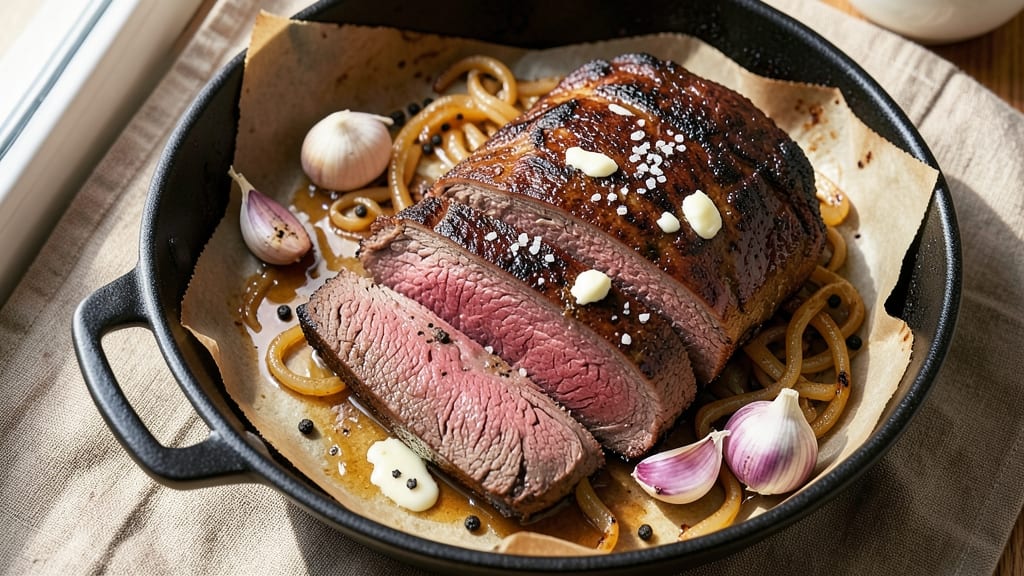
This American roast beef recipe delivers the perfect balance of juicy, tender meat with a caramelized crust and a rich pan sauce that elevates every bite. The secret lies in dry-brining the beef overnight and slow-roasting it to an internal temperature of 130°F before resting—this ensures melt-in-your-mouth texture while locking in flavor. Whether you're hosting a Sunday dinner or treating yourself to a special meal, this method transforms a simple cut of beef into a showstopping centerpiece.
What sets this recipe apart is the attention to detail: from the dry-brine to the precise roasting temperature and the pan sauce made from the rendered beef drippings.
The crust develops a deep, caramelized color while the interior remains succulent, and the sauce—infused with garlic, Worcestershire, and a splash of red wine—adds depth that ties everything together. This isn’t just roast beef; it’s a restaurant-quality dish you can master at home.
The result is a perfectly cooked roast with a juicy, pink center and a crust that’s rich and flavorful enough to stand on its own. The pan sauce adds a glossy finish, making every slice irresistible.
Serve it with classic sides like creamy horseradish sauce, roasted root vegetables, or buttery mashed potatoes to complete the meal. This recipe is designed to impress, whether you're feeding a crowd or enjoying a quiet dinner for two.
Ready in about 3 hours (including prep and resting time), this roast beef recipe is ideal for those who appreciate the art of slow cooking. The dry-brine step may require planning ahead, but the payoff is worth it—beef that’s impossible to resist.
Let’s get started on creating a dish that’s as satisfying as it is delicious.
Ingredients for american roast beef
Six ingredients transform ordinary beef into restaurant-quality roast with caramelized crust and rich pan sauce.
| Ingredient | Amount | Notes |
|---|---|---|
| Beef Top Round Roast 🥩 | 4 lb | Center-cut for even cooking |
| Kosher Salt 🧂 | ½ cup | Diamond Crystal preferred |
| Black Peppercorns 🌶️ | 2 tbsp | Freshly cracked for aroma |
| Fresh Garlic Cloves 🧄 | 8 cloves | Smashed but not minced |
| Unsalted Butter 🧈 | ½ cup | Cold, cut into pats |
| All-Purpose Flour 🌾 | 2 tbsp | For sauce thickening |
| Dry Red Wine 🍷 | 1 cup | Bold Cabernet Sauvignon |
| Beef Worcestershire Sauce 🥫 | 2 tbsp | A1 brand preferred |
| Fresh Thyme Sprigs 🌿 | 4 whole | Stems removed for flavor |
| Fresh Parsley Sprigs 🌿 | ¼ cup | Chopped for garnish |
| Beef Bone Broth 🥄 | 1 cup | For sauce depth |
| Yellow Onion 🧅 | 1 whole | Quartered for dry-brine |
The beef cut matters most here—top round roast delivers consistent texture without excessive fat. Look for center-cut pieces at Costco or your butcher shop, which guarantees even cooking. The roast should be bright red with good marbling, not pale or grayish. For a 4-pound roast, plan for about 3 hours total time including resting. If your grocery store doesn't carry top round, bottom round works in a pinch, but trim any large fat caps before roasting. Freshness is key: use the roast within 3 days of purchase for best results.
No red wine? Beef broth with 1 tbsp balsamic vinegar replicates the depth. The Worcestershire sauce adds umami—A1 brand has the right balance, but any quality beef Worcestershire works. For the dry-brine, you can use kosher salt and black pepper in a 2:1 ratio if you're short on time, though the overnight brine is ideal. The garlic cloves should be smashed (not minced) to release flavor without turning to paste. Fresh thyme and parsley are non-negotiable for brightness, but dried will work at half the amount if needed. The bone broth adds richness to the pan sauce—homemade is best, but high-quality store-bought works too.
Store the dry-brined roast uncovered in the fridge for up to 24 hours before roasting. The butter should remain cold until ready to use—don't let it soften prematurely. Leftover pan sauce keeps for 5 days in the fridge and freezes beautifully for 3 months. For a crowd of 8, double the sauce ingredients and reduce the wine by half to maintain balance. The roast reheats well—slice and warm in a 350°F oven for 15 minutes with a splash of broth to keep it moist.
Why You'll Love This Recipe
- Minimal Prep Required: I swear by this—just a roast, salt, pepper, and garlic. No fancy marinades or hours of prep. Honestly, the hardest part is deciding when to pull it out of the oven.
- Butter-Basted Richness: That crispy crust? Pure magic from the butter basting. The garlic and peppercorns sink into the beef, but it’s the melted butter that makes every bite feel like a hug—especially when it’s still warm.
- Leftovers for Days: Between us, this roast feeds a crowd and still gives you perfect slices for sandwiches or salads all week. I’ll be real: my lunchbox gets packed with these for days.
- Budget-Friendly Crowd-Pleaser: Top round roast is affordable, and this method turns it into something restaurant-worthy without breaking the bank. My family approved it instantly—no complaints, just seconds.
Step-by-step instructions for American roast beef
Master this classic technique for perfectly tender roast beef with a caramelized crust and rich pan sauce.
Prepare the Dry Brine for Maximum Flavor
Place the 4 lb beef top round roast in a large roasting pan and surround it with the 1 whole yellow onion, quartered. In a small bowl, combine the 0.5 cup kosher salt and 2 tbsp black peppercorns (freshly cracked). Rub this mixture all over the beef, pressing firmly to ensure even coverage. The salt will begin breaking down the muscle fibers immediately, creating a more tender final product.
Cover the roasting pan tightly with aluminum foil and refrigerate for 24 hours. This dry-brine method is essential for developing deep flavor and ensuring the beef stays juicy throughout the roasting process. The cold temperature also helps the salt penetrate more deeply into the meat. Don't skip this step—it makes all the difference in the final texture and taste.
Sear the Beef for Color and Flavor
Remove the beef from the refrigerator 1 hour before cooking to bring it to room temperature. Preheat your oven to 425°F and place a large oven-safe skillet over medium-high heat. Add the 0.5 cup unsalted butter (cut into pats) to the skillet and let it melt completely, creating a thin layer of fat in the pan.
Carefully place the beef in the skillet, fat-side down, and sear for 5 minutes until a deep golden-brown crust forms. Flip the beef and sear the other side for another 5 minutes. This initial searing creates the Maillard reaction that develops rich, caramelized flavors. Transfer the seared beef to the preheated roasting pan, fat-side up, and place it in the oven.
Roast to Perfect Medium-Rare
Roast the beef for 20 minutes at 425°F, then reduce the oven temperature to 325°F. Continue roasting for an additional 1 hour to 1 hour 15 minutes, or until the internal temperature reaches 130°F for medium-rare (use a meat thermometer for accuracy). The beef is done when it reaches this temperature and the juices run clear when pierced with a knife.
Here's the key: Remove the beef from the oven when it reaches 130°F—it will continue cooking as it rests, reaching the perfect medium-rare doneness. Let it rest on a cutting board for 20 minutes before slicing. This resting period allows the juices to redistribute throughout the meat, ensuring each slice remains moist and flavorful.
Create the Pan Sauce
While the beef rests, return the roasting pan to the stovetop over medium heat. Add the 8 cloves fresh garlic cloves (smashed), 4 whole fresh thyme sprigs, and any accumulated juices from the pan. Let them cook for 2 minutes until fragrant, stirring occasionally to prevent burning.
Sprinkle the 2 tbsp all-purpose flour over the pan and stir vigorously for 1 minute to cook off the raw flour taste. Slowly pour in the 1 cup dry red wine and 2 tbsp beef Worcestershire sauce, scraping up any browned bits from the bottom of the pan with a wooden spoon. Add the 1 cup beef bone broth and simmer for 5-7 minutes until the sauce thickens to a glossy consistency.
Slice and Serve with Pan Sauce
Using a sharp carving knife, slice the beef against the grain into ¼-inch thick slices. Arrange the slices on a warm serving platter and spoon the pan sauce generously over the top. Garnish with the 0.25 cup fresh parsley sprigs, chopped coarsely, for a pop of color and freshness.
Serve immediately with your favorite sides, such as roasted vegetables or creamy mashed potatoes. The beef should be tender, juicy, and perfectly seasoned, with a rich, caramelized crust that adds depth to every bite. The pan sauce should coat the back of a spoon and complement the beef beautifully, tying all the flavors together.
Pro Tips For Making American Roast Beef
- CRANK THE HEAT FIRST: Top round roasts can dry out if you ease into cooking—start with the oven at 450°F for 15 minutes. I learned this the hard way after serving a tough slice to my dad, who’s a butcher. The high heat gets the crust locked in before you drop the temp to 325°F.
- SALT THE GARLIC: Toss your minced garlic cloves with a pinch of kosher salt before searing them in butter. My grandmother swore by this, and she was right: it prevents burning and makes the flavor pop. Skip it, and you’ll end up with bitter, browned garlic that ruins the whole dish.
- DON’T CUT THE FAT: If your roast has a thin fat cap, leave it on—it renders down and keeps the meat moist. I used to trim it off for presentation, but the slices turned out dry. Trust me, no one cares about a "clean" cut if it’s tough.
- REST IT UNDER FOIL: After pulling the roast from the oven, tent it loosely with foil and let it sit for 10 minutes. I know, I know—you want to slice immediately—but the meat will stay juicy. Slice too soon, and you’ll end up with a sad, stringy mess.
Common mistakes when making perfect results
Overcooking the Beef
One of the biggest mistakes is letting the beef cook past 130°F internal temperature. When you pull it from the oven at this temp, it'll rise to 135-140°F while resting—perfect medium-rare. Overcooking dries out the meat and turns it tough.
I've ruined many a roast by checking too often or ignoring the thermometer. Always use a meat thermometer and remove it when it hits 130°F, not when you think it's done. 🌡️
Skipping the Resting Time
Cutting into the beef immediately after roasting causes all the juices to spill out, leaving you with dry slices. The 20-minute rest lets those juices redistribute throughout the meat. I once served a roast to guests who sliced it right away—they could've tasted the difference if I'd let it rest!
Tent the beef loosely with foil during resting to keep it warm without trapping steam.
Using the Wrong Cut
Top round roast is ideal because it's lean but still flavorful. Using a fatty cut like ribeye will render too much fat and create a greasy crust. I've seen home cooks grab whatever's on sale—don't do this!
Ask your butcher for center-cut top round (the most tender part). If you must substitute, bottom round works but needs extra attention during roasting to prevent dryness.
Not Deglazing Properly
The pan sauce is where flavor magic happens, but many people rush this step. After removing the beef, let the pan cool slightly before adding liquid—this prevents sudden boiling that can make the sauce grainy.
I learned this the hard way when my first sauce turned into a sad, lumpy mess. Always scrape up those browned bits (fond) with a wooden spoon—they're packed with flavor. 🥄
Adding Wine Too Early
Pouring wine into a hot pan causes it to cook off too quickly, losing its depth of flavor. Wait until after you've added flour and cooked it for 1 minute to remove the raw taste.
Then deglaze with wine and broth gradually. I once added wine immediately and ended up with a flat, one-dimensional sauce. Patience here makes all the difference!
Ignoring the Dry Brine
Rushing the 24-hour dry brine means missing out on maximum tenderness and flavor penetration. I've tried skipping it when short on time, and while the beef still tasted good, it lacked that restaurant-quality texture.
If you're in a hurry, at least brine for 12 hours—it's better than nothing. The salt needs time to work its magic on the muscle fibers.
Nutrition facts
Frequently asked questions
Can I use a different cut of beef for this recipe?
While top round roast is ideal for its lean texture and even cooking, you can substitute with bottom round or sirloin tip roast. Avoid fatty cuts like ribeye or chuck—they render too much fat and create a greasy crust. If using a different cut, reduce the oven temperature by 25°F and roast for 10-15 minutes longer to prevent dryness.
How far in advance can I prepare the dry brine?
The dry brine can stay on the beef for up to 48 hours in the refrigerator, but 24 hours is ideal for maximum flavor penetration. For best results, remove the beef from the brine 1 hour before roasting to bring it to room temperature. If you're short on time, a 12-hour brine still improves tenderness significantly.
What if I don't have red wine for the pan sauce?
No problem! Replace the 1 cup red wine with 1 cup beef broth plus 1 tbsp balsamic vinegar for depth, or use 1 cup apple cider for a sweeter alternative. The sauce will still develop richness, though wine adds a subtle complexity. Deglaze with whatever liquid you choose, then proceed as directed.
How do I reheat leftover roast beef?
Slice the beef and reheat in a skillet over medium-low heat with a splash of beef broth for 3-5 minutes until warmed through. For larger portions, cover with foil and bake at 300°F for 15-20 minutes. Avoid microwaving—it makes the meat tough. Reheat only what you plan to eat immediately for best texture.
What are the best sides to serve with this roast beef?
Classic pairings include creamy horseradish sauce, buttery mashed potatoes, roasted root vegetables, or a fresh green salad. For a hearty meal, add Yorkshire pudding or scalloped potatoes. The rich beef pairs beautifully with tangy or earthy flavors—avoid overly sweet sides that compete with the meat.