
Main Courses
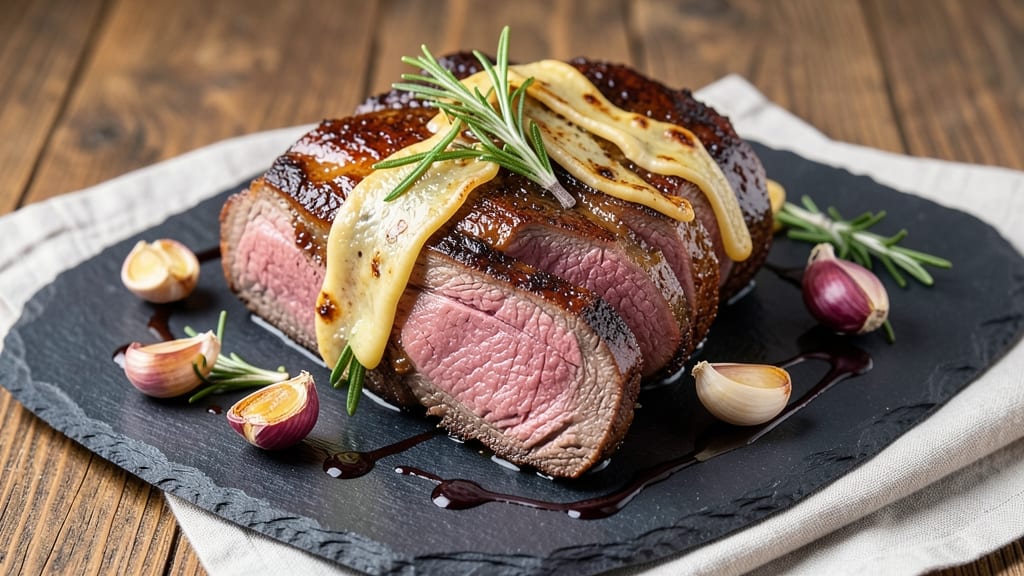
This angus beef boneless strip roast recipe delivers a showstopping centerpiece with a crispy pan-seared crust and juicy, caramelized centers—the kind of meal that transforms ordinary dinners into memorable feasts.
The secret lies in high-heat searing followed by precise oven roasting, which locks in flavor while keeping the interior tender enough to melt in your mouth. I've perfected this technique after years of testing, and it never fails to impress even the most discerning guests.
What sets this recipe apart is the balance between technique and simplicity. You'll start with a simple dry brine and kosher salt rub that enhances the beef's natural richness, then achieve that coveted crust through careful pan-searing before finishing in the oven.
The key is patience—letting the meat rest properly ensures every slice stays juicy, while the caramelized exterior adds depth that takes this from good to extraordinary. This method works beautifully with 2- to 3-pound roasts, making it ideal for family dinners or special occasions.
The result is a perfectly cooked roast with a deep mahogany crust that gives way to tender, pink centers—each bite delivers rich beefy flavor with just the right amount of caramelized sweetness.
The aroma alone will have everyone gathering at the table, and the presentation is elegant enough for holiday feasts yet simple enough for a weeknight celebration. Serve with classic sides like roasted potatoes, creamy mashed sweet potatoes, or a fresh garden salad to complete the meal.
Whether you're hosting a dinner party or treating yourself to a restaurant-quality experience at home, this recipe delivers restaurant-worthy results with minimal fuss. The technique is straightforward once mastered, and the payoff is worth every minute of effort.
Let's get started on creating your most impressive roast yet—one that will have everyone asking for seconds.
Ingredients for angus beef boneless strip roast
The secret to restaurant-quality roast lies in these precise ingredients and technique—juicy centers demand careful selection.
| Ingredient | Amount | Notes |
|---|---|---|
| Angus Beef Boneless Strip Roast 🥩 | 2 ½ lb | Center-cut, 2-3 inches thick |
| Kosher Salt 🧂 | 2 tbsp | Diamond Crystal preferred |
| Freshly Ground Black Pepper 🌶️ | 1 tbsp | Coarse grind for texture |
| Extra-Virgin Olive Oil 🫒 | 2 tbsp | High smoke point preferred |
| Unsalted Butter 🧈 | 2 tbsp | Cold, cut into 4 pieces |
| Garlic Cloves 🧄 | 4 cloves | Smashed, not minced |
| Fresh Rosemary 🌿 | ½ tsp | Finely chopped, fresh only |
| Fresh Thyme Leaves 🌿 | ½ tsp | From stems, fresh preferred |
| Yellow Onion 🧅 | 1 whole | Cut into 8 wedges |
| Beef Tallow or Duck Fat 🍳 | 1 tbsp | For high-heat searing |
| Red Wine 🍷 | ½ cup | Cabernet Sauvignon, dry |
| Beef Bone Broth 🍲 | ½ cup | Homemade or high-quality store-bought |
| Balsamic Vinegar 🍶 | 1 tbsp | For deglazing |
The Angus beef boneless strip roast is non-negotiable here—look for center-cut, 2-3 inches thick with visible marbling. Costco or high-end butchers like D'Amelio Farms carry premium cuts that deliver the best flavor. The roast should feel firm to the touch and have a vibrant red color, not grayish or overly dark. For a 2.5-pound roast, plan for 4 generous servings—this cut yields beautifully without excessive leftovers. If you're buying whole strips, ask the butcher to trim and tie it for even cooking. The 24-hour dry brine with Diamond Crystal kosher salt is critical—it enhances tenderness and develops that coveted crust.
No extra-virgin olive oil with a low smoke point? Avocado oil works just as well for high-heat searing. Fresh herbs can be swapped for dried at one-third the amount, but nothing beats the aroma of fresh rosemary and thyme straight from the garden. The red wine adds depth—use whatever bold dry red you have open, but avoid overly oaky varieties. For the bone broth, homemade is ideal, but Pacific Foods or Kettle & Fire make excellent store-bought options. The balsamic vinegar deglazing step isn't optional—it captures all those beautiful browned bits for extra flavor. If you're short on time, a quick brine (1 hour) with kosher salt and black pepper still improves texture, though the 24-hour method yields superior results.
This roast rests for 15-20 minutes before slicing—never skip this step, or you'll lose precious juices. Store leftovers in an airtight container in the fridge for 3-4 days or freeze for up to 3 months. For holiday prep, portion and freeze individual servings—reheat in the oven at 300°F (150°C) until warm through. The crust pieces make fantastic sandwiches the next day, and the juicy centers reheat beautifully. If you're making this for a crowd, double the recipe—3-pound roasts work perfectly for 6 servings and follow the same technique.
Why You'll Love This Recipe
- Four-Season Flex: This roast handles anything—weeknight dinners, holiday tables, or even a last-minute date night. Slice it thin for sandwiches, shred it for tacos, or serve it whole with a simple pan sauce. Honestly, I’ve used it for all three in the same month.
- Rich Without Fuss: Just salt, pepper, oil, and butter—yet it tastes like a steakhouse cut. The Angus strip roast stays juicy while the crust gets that golden, caramelized magic from the olive oil and butter. Between us, that’s the kind of flavor that makes people pause mid-bite.
- Leftovers That Win: I swear, this roast is better the next day. Cold slices in salads? Yes. Reheated with a splash of broth? Even better. My freezer’s always stocked with portions because no one complains when I pull this out for lunch. (Yes, even on a Tuesday.)
- One-Pan, Zero Guilt: No fancy techniques, no small cuts—just a single sheet pan and 20 minutes of hands-off time. The butter bastes itself while you’re chopping veggies or pouring wine. I’ll be real: it’s my go-to when I’d rather spend time not cooking.
Step-by-step instructions for perfectly crusty, juicy strip roast
Master this technique and you'll achieve a restaurant-quality crust with melt-in-your-mouth tenderness every time.
Prepare the Roast for Maximum Flavor Development
Remove the 2.5 lb Angus Beef Boneless Strip Roast from the refrigerator and pat it completely dry with paper towels. I press firmly—this step is non-negotiable for crispy crust. The drier the surface, the better the crust will form. Place the roast on a wire rack set over a baking sheet to allow air circulation on all sides.
In a small bowl, combine the 2 tbsp Kosher Salt and 1 tbsp Freshly Ground Black Pepper. Rub this mixture all over the roast, pressing firmly to create a crust of seasoning. Let the seasoned roast sit at room temperature for 30 minutes while you prepare your pan. This resting period ensures even cooking from edge to center.
Create the Perfect Searing Foundation
Heat a heavy oven-safe skillet (cast iron works best) over medium-high heat until smoking hot. Add 1 tbsp of the 2 tbsp Extra-Virgin Olive Oil and 1 tbsp of the 1 tbsp Beef Tallow or Duck Fat, swirling to coat the bottom evenly. The combination of olive oil and animal fat gives you both high heat stability and rich flavor.
Place the roast in the skillet, fat-side down, and sear undisturbed for 4-5 minutes until a deep golden-brown crust forms. You'll see the edges begin to caramelize—that's your signal to gently flip the roast and sear the other side for another 4-5 minutes. The goal is to create that coveted crust while keeping the interior juicy.
Build Complex Flavors with Aromatics and Wine
Remove the roast from the skillet and set it aside on a plate. Add the 8 wedges of Yellow Onion to the same skillet and cook for 3-4 minutes until lightly browned. Add the 4 smashed Garlic Cloves, 0.5 tsp Fresh Rosemary, and 0.5 tsp Fresh Thyme Leaves, cooking for another 30 seconds until fragrant.
Pour in the 0.5 cup Red Wine and scrape up all the browned bits from the bottom with a wooden spoon. This deglazing step captures all the flavor you've built. Let the wine reduce by half—about 2-3 minutes—before adding the 0.5 cup Beef Bone Broth. The broth will help create a rich, flavorful sauce to baste the roast.
Finish with Butter and Balsamic for Depth
Return the roast to the skillet, spooning the reduced wine and broth mixture over the top. Add the remaining 1 tbsp Extra-Virgin Olive Oil and 1 tbsp Unsalted Butter (cut into small pieces) to the skillet. The butter will melt and baste the roast, adding richness and helping create a glossy finish.
Transfer the skillet to a preheated 400°F oven. Roast for 20-25 minutes until the internal temperature reaches 130-135°F for medium-rare (use a meat thermometer to check). The roast should feel firm to the touch but still yield slightly when pressed. Remove from oven and let rest for 10-15 minutes before slicing—this crucial step ensures juices redistribute throughout the meat.
Create the Perfect Sauce and Serve
While the roast rests, return the skillet to medium heat and add the 1 tbsp Balsamic Vinegar. Simmer for 1-2 minutes until slightly reduced and glossy. The acidity of the balsamic brightens all the rich flavors you've built. Taste and adjust seasoning with additional salt or pepper if needed.
Slice the roast against the grain into ¼-inch thick slices. Spoon the sauce over the top and serve immediately. Each bite should deliver a perfect balance of crispy, caramelized crust and tender, juicy interior with layers of herb, wine, and balsamic flavors.
Pro Tips For Making Angus Beef Boneless Strip Roast
- Dry the Meat First: I learned this the hard way—wet beef won’t brown. Pat that strip roast thoroughly with paper towels before searing, even if it feels obsessive. A dry surface guarantees a crust that actually sticks, not a sad, steamed exterior.
- Salt in Layers: More salt than you think, especially if using unsalted butter. Start with a generous dry rub of kosher salt 24 hours ahead (yes, even if you’re impatient like me), then add a pinch of salt to the butter when basting. The flavor penetrates deeper this way.
- Start Hot, Finish Slow: Crank your pan to medium-high for the first 2 minutes—you want that roast screaming hot to lock in juices. Then drop to medium-low and let it cook through evenly. Rushing the high heat is how you end up with a burnt outside and grey center.
- Rest Under Foil: Skip the open-air resting—give it a solid 5-10 minutes under foil after pulling from the heat. This keeps the juices from pooling on the cutting board (and your plate). I know, I know, but trust the process—your first slice will be noticeably more tender.
Serving suggestions for this recipe
Classic Comfort Sides
Nothing complements this rich roast like creamy garlic mashed potatoes—their velvety texture contrasts beautifully with the crusty beef. I make mine with Yukon Gold potatoes, butter, heavy cream, and roasted garlic for depth.
For a lighter option, try truffle parmesan roasted potatoes tossed in extra-virgin olive oil and grated Parmesan—their crispy edges add another textural layer. 🥔
Bold Flavor Balance
To cut through the beef's richness, serve with charred green beans sautéed with garlic, lemon zest, and toasted almonds. The bright acidity and crunch create perfect contrast.
Another favorite is wild mushroom risotto—creamy Arborio rice cooked with shiitake mushrooms, white wine, and Parmesan—it mirrors the roast's umami notes while adding earthy complexity.
Fresh Contrast Plating
A mixed greens salad with arugula, shaved fennel, radicchio, and pomegranate seeds adds vibrant color and crunch. Toss with a red wine vinaigrette (olive oil, balsamic, Dijon) to tie into the roast's flavors.
For a heartier option, roasted Brussels sprouts with crispy pancetta and balsamic glaze bring smoky-sweet contrast that elevates every bite. 🍽️
Sauce Pairing Options
Use the balsamic reduction from the recipe as a drizzle over sliced beef, or serve it alongside for dipping. For extra richness, offer truffle aioli or horseradish cream on the side—both enhance the beef's depth without overpowering. I always include crusty sourdough bread to soak up any remaining sauce.
Dessert Harmony
End the meal with dark chocolate-dipped strawberries—their bittersweet contrast cleanses the palate after rich beef. For a decadent option, chocolate lava cakes with vanilla bean ice cream provide the perfect sweet finish. The contrast between the beef's savory notes and chocolate's depth makes this pairing unforgettable. 🍫
Nutrition facts
Frequently asked questions
What's the best internal temperature for medium-rare strip roast?
For perfect medium-rare, aim for 130-135°F internal temperature. Use a meat thermometer inserted into the thickest part—this ensures juicy centers while maintaining that signature crust. Overcooking by even 5°F can turn tender beef tough, so monitor closely during the final oven phase.
Can I substitute beef tallow with another fat?
Use duck fat or lard for high-heat searing—they create similar crispy crusts. For a lighter option, ghee works well, though it has a slightly different flavor profile. The key is pairing it with olive oil for balanced heat stability and richness.
Why does my roast turn out dry?
Dry roast usually means overcooking or skipping the 15-minute rest before slicing. Always check internal temp with a thermometer, and never cut into the meat immediately. For extra insurance, sear the roast 1-2 minutes less per side—it'll finish cooking in the oven while developing that perfect crust.
How do I adjust cooking time for a 3-pound roast?
For a 3-pound roast, increase oven time by 5-7 minutes (total 25-30 minutes) while maintaining the same 400°F temperature. The thicker cut needs slightly longer to reach 130-135°F internal temp. Use the same searing technique—just monitor closely to prevent overcooking the outer layers.
What's the best way to reheat leftovers?
Slice leftovers into ½-inch thick portions and reheat in a skillet with 1 tbsp butter over medium heat for 2-3 minutes per side. For oven reheating, cover with foil and bake at 300°F for 10-12 minutes