
Main Courses
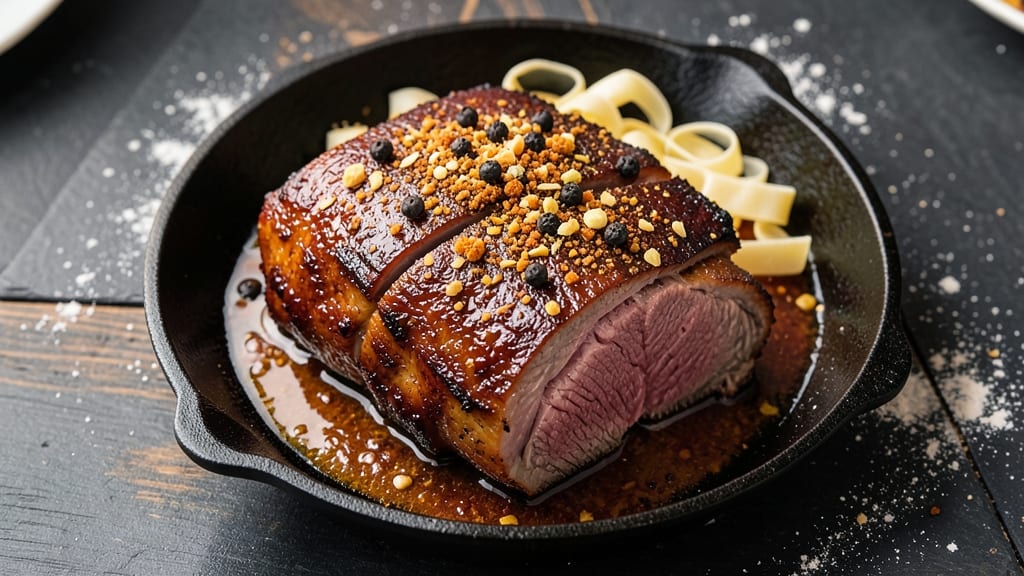
This angus beef brisket recipe delivers smoky, tender perfection without needing a smoker—just your oven and patience. I developed this method after years of experimenting with different cooking techniques, and it consistently produces brisket that rivals competition-style results. The key lies in the slow roasting process, which transforms tough beef into melt-in-your-mouth tenderness.
What makes this recipe special is the balance between tradition and convenience. We use a simple dry rub for seasoning, letting the natural flavors of the angus beef shine through.
The slow cooking process at a low temperature ensures even cooking and maximum juiciness, while the final sear adds a beautiful crust. This method works perfectly for those who want restaurant-quality brisket without the complexity of a smoker.
By the time you're done, you'll have perfectly tender brisket with a beautiful bark on the outside and juicy, flavorful meat inside. The slow cooking process allows the connective tissues to break down, resulting in meat that practically falls apart at the touch of a fork.
This is the kind of brisket that makes every bite worth the wait.
Serve with classic sides like creamy mashed potatoes, tangy coleslaw, or buttery cornbread for a complete meal. This recipe is perfect for special occasions or when you want to impress guests with a showstopping main course. Let's get started on creating your own oven-roasted masterpiece!
Ingredients for angus beef brisket recipe oven
Six ingredients for a dry rub plus a few extras to make brisket that rivals competition-style perfection.
| Ingredient | Amount | Notes |
|---|---|---|
| Angus Beef Brisket 🥩 | 4 lb | Whole packer cut, fat cap intact |
| Kosher Salt 🧂 | 2 tbsp | Diamond Crystal preferred |
| Black Peppercorns 🌶️ | 1 ½ tbsp | Freshly cracked preferred |
| Smoked Paprika 🌶️ | 1 ½ tbsp | High-quality, no fillers |
| Garlic Powder 🧄 | 1 tbsp | Freshly ground preferred |
| Onion Powder 🧅 | 1 tbsp | Finely ground for even coating |
| Brown Sugar 🍯 | 1 tbsp | Light or dark variety |
| Mustard Powder 🧂 | 1 tsp | For subtle tang |
| Olive Oil 🫒 | 2 tbsp | High smoke point preferred |
| Yellow Onion 🧅 | 1 whole | Sliced for basting |
| Beef Broth 💧 | 1 cup | Low-sodium preferred |
| Apple Cider Vinegar 🍎 | 1 tbsp | For tenderizing |
| Fresh Rosemary 🌿 | 1 sprig | For aroma during cooking |
The angus beef brisket is the star—look for a packer cut with good marbling at your local butcher or Costco. The fat cap is crucial for flavor and moisture, so don't trim it. If buying from a grocery store, check the USDA Prime label for the best quality. I usually grab mine from Whole Foods or my trusted butcher, but any reputable meat counter will do. The brisket should be cold when you start, so plan ahead if it's been sitting out. For a 6-pound brisket, this recipe yields perfectly tender slices for a crowd.
No smoked paprika? Substitute with a mix of regular paprika and a pinch of liquid smoke—just be careful with the smoke, as it's potent. Fresh rosemary unavailable? Dried rosemary at one-third the amount works, but fresh has a brighter aroma. The beef broth can be swapped for water in a pinch, but the broth adds depth. For the apple cider vinegar, white vinegar or even lemon juice will do, though the flavor profile shifts slightly. If you're short on time, skip the basting—the brisket will still be delicious, just slightly less glossy. The olive oil is for the final sear, so use one with a high smoke point like avocado or grapeseed oil if you prefer.
Store any leftover brisket in an airtight container for up to 4 days in the fridge, though it reheats best when sliced thin. For longer storage, freeze for up to 3 months—wrap tightly in plastic and foil to prevent freezer burn. I like to slice against the grain before freezing for easy reheating. The rub keeps well in a glass jar for up to 6 months—make extra for future briskets. This recipe makes enough for 6 generous servings, so plan for leftovers or a brunch the next day. The flavor only improves after resting!
Why You'll Love This Recipe
- One-Pan Magic: I swear by this—just salt, pepper, paprika, and garlic powder rubbed right into the brisket, then straight into the oven. No fancy prep, no extra bowls, no stress. The oven does all the work while I sip my coffee.
- Smoky Depth in Minutes: That smoked paprika? It’s the secret weapon here. It clings to the brisket like a warm hug, giving it this rich, slightly sweet depth without needing hours of smoking. Honestly, it’s the kind of flavor that makes people ask, “What’s in this?”
- Leftovers That Beg for More: This brisket stays tender for days, and honestly, the second day is even better. I’ll make a big batch on Sunday, slice it thin, and serve it on toast or in tacos all week. My kids don’t even complain about eating the same thing twice.
- Budget-Friendly Luxury: You’re getting all the richness of a high-end steakhouse cut—Angus brisket—without the price tag. A single brisket feeds a crowd, and the spices cost pennies. It’s the kind of meal that makes you feel fancy without breaking the bank. (Yes, even on a Tuesday night.)
Step-by-step instructions for slow-roasted oven brisket
Here's how to transform a tough cut into melt-in-your-mouth perfection using just your oven.
Prepare the Brisket with Dry Rub
Begin by trimming the fat cap of the 4 lb Angus Beef Brisket down to about ¼-inch thickness using a sharp knife. This ensures even cooking while preserving moisture. In a small bowl, combine the 2 tbsp Kosher Salt, 1.5 tbsp Black Peppercorns, 1.5 tbsp Smoked Paprika, 1 tbsp Garlic Powder, 1 tbsp Onion Powder, 1 tbsp Brown Sugar, and 1 tsp Mustard Powder. The brown sugar adds subtle sweetness while helping to caramelize the exterior.
Generously coat all sides of the brisket with this dry rub mixture, pressing firmly so it adheres well. Place the brisket on a wire rack set inside a shallow roasting pan to allow air circulation on all sides. This setup is crucial for even cooking and crispy bark development. Let the seasoned brisket sit at room temperature for 30 minutes before roasting to ensure even heat penetration.
Create the Basting Liquid and Preheat
While the brisket comes to room temperature, prepare the basting liquid by combining the 1 cup Beef Broth, 1 tbsp Apple Cider Vinegar, and the 1 sprig Fresh Rosemary in a small saucepan. Bring to a gentle simmer over medium heat for 5 minutes to infuse the flavors, then remove from heat and let it cool slightly. The vinegar helps tenderize the meat while adding depth of flavor.
Preheat your oven to 275°F. This lower temperature is key for achieving tender, juicy brisket without drying it out. Place the roasting pan in the oven while it preheats. The slow cooking process allows connective tissues to break down gradually, resulting in fork-tender meat. I like to use the bottom rack position to ensure even heat distribution throughout the cooking process.
Roast with Basting for Maximum Flavor
Carefully transfer the seasoned brisket to the preheated oven. Pour the cooled basting liquid into the roasting pan, making sure it's positioned beneath the wire rack. This liquid will create steam and help keep the meat moist during the long cook. Roast for 3 hours, then baste the brisket with the accumulated juices in the pan. This step is crucial for building flavor and ensuring the exterior develops a beautiful bark.
After basting, return the brisket to the oven and continue cooking for another 3 hours, or until the internal temperature reaches 195-203°F. The brisket is done when it easily pulls apart with two forks and has a deep mahogany crust. The fat should be rendered but still slightly firm to the touch. This low-and-slow method transforms the tough brisket into tender, succulent perfection.
Rest and Slice for Perfect Texture
Remove the brisket from the oven and transfer it to a cutting board. Tent loosely with aluminum foil and let it rest for at least 1 hour. This resting period is essential as it allows the juices to redistribute throughout the meat, ensuring each bite is moist and flavorful. The brisket will continue to rise slightly in temperature during this time, reaching an ideal serving temperature.
After resting, slice the brisket against the grain into ¼-inch thick slices. The grain runs horizontally across the flat portion and vertically across the point. Each slice should be tender enough to pull apart with gentle pressure. Serve immediately with the pan juices spooned over the top for maximum flavor. This brisket delivers all the rich, smoky characteristics of traditional smoked brisket without needing a smoker.
Pro Tips For Making Angus Beef Brisket Recipe Oven
- Trim the Fat First: A thick layer of fat keeps brisket moist, but too much can turn your oven into a grease fire. Use a sharp knife to trim just the edges—leave the fat cap intact unless you’re dealing with an absurdly thick cut. (I learned this the hard way when my oven started smoking like a campfire.)
- Start Hot, Then Slow: Sear the brisket in a screaming-hot oven (450°F) for 15 minutes to render fat and lock in flavor—don’t skip this. Then drop to 275°F and let it cook low and slow. Rushing the sear means flavor gets trapped in the meat instead of caramelizing on the surface.
- Salt Like It’s Your Job: Don’t just sprinkle kosher salt over the brisket like it’s a lazy seasoning. Use at least 1 tablespoon per pound, pressing it into every crevice—especially the fat cap. (Yes, even if it looks ridiculous.) The salt dissolves into the meat, not just the surface.
- Wrap at 165°F: The moment the internal temp hits 165°F, wrap the brisket tightly in foil with a splash of water or apple juice. This isn’t just for show—it’s when the collagen starts breaking down into gelatin, turning tough meat into something tender enough to cut with a fork. (I used to wait too long, and the results were not pretty.)
Serving suggestions for angus beef brisket recipe oven
Classic Texas-Style
Serve your oven-brisket with creamy mashed potatoes and crispy fried onions for that iconic Texas BBQ spread. I like to make garlic mashed potatoes with sour cream and chives—the tanginess balances the rich brisket perfectly. For extra flair, sprinkle crushed red pepper flakes on top of the potatoes. 🌶️
Don't forget homemade white bread for sandwiches—thick-cut slices hold up better than buns. Add a smear of yellow mustard and a sprinkle of sliced pickles for that classic brisket sandwich experience. I often serve this with a simple cucumber salad for freshness.
Southern Comfort Platter
For a hearty Southern meal, pair your brisket with buttery cornbread and collard greens. The cornbread soaks up the brisket juices beautifully, while the greens add a touch of earthiness.
I like to season the greens with smoked turkey, garlic, and a splash of apple cider vinegar. 🍽️
Add a side of baked beans with brown sugar and bacon for extra richness. The sweetness of the beans complements the smoky brisket perfectly. For a lighter option, swap the beans for roasted sweet potatoes tossed with maple glaze and pecans.
Modern Twist
Elevate your brisket with truffle mashed potatoes and charred asparagus. The truffle adds an unexpected depth that pairs surprisingly well with the beef. For a pop of color, add roasted cherry tomatoes with balsamic glaze—their sweetness cuts through the richness. ✨
Serve with crusty baguette slices instead of traditional bread for a more refined touch. Add a side of avocado slices with lime and chili powder for a bright, fresh contrast. This combo feels fresh yet still hearty enough for a main course.
Game Day Spread
For a crowd-pleasing game day setup, serve brisket with loaded baked potatoes topped with cheddar, bacon, and green onions. The creamy potatoes balance the brisket's richness. Add pickled jalapeños for heat lovers. 🏈
Include cornbread muffins and caramelized onion dip for easy finger foods. The dip can be made ahead and reheated, saving you time during the game. For a drink pairing, serve sweet tea or cold beer—both complement the meal perfectly.
Nutrition facts
Frequently asked questions
Why does the recipe call for a low oven temperature?
The 275°F temperature is key for breaking down collagen in the brisket's connective tissue without drying it out. This slow cooking method (about 6 hours total) transforms tough meat into tender, juicy slices. Higher heat would cook the exterior too quickly while leaving the inside tough. Think of it like melting butter—patience gives the best results!
Can I use a different cut of beef instead of brisket?
This recipe works best with brisket because of its fat content and connective tissue, but you could try a chuck roast or beef short ribs for similar results. The cooking time may vary slightly, and you might need to adjust the rub quantity. Never use lean cuts like sirloin—they won't benefit from the long cook.
How do I know when the brisket is fully cooked?
Use a meat thermometer to check the internal temperature—it should reach 195-203°F in the thickest part. The brisket should also pull apart easily with two forks. If it's not quite there, return it to the oven for another 30-60 minutes. Pro tip: The fat should be slightly firm but still tender to the touch.
What if my oven doesn't go below 250°F?
No problem! Cook at 250°F instead, but expect the process to take about 1.5-2 hours longer. You may need to baste more frequently to prevent drying. For best results, use an oven thermometer to verify your oven's accuracy—many run hot or cold. The extra time ensures the same tender results.
Can I make this brisket in a Dutch oven instead?
A Dutch oven works perfectly for this recipe. Place the brisket on a rack (or use a heatproof trivet) to allow air circulation. Cover it loosely with the lid to retain moisture, but leave a slight gap for steam to escape. The cooking time remains the same, but you'll get slightly more bark development.