
Main Courses
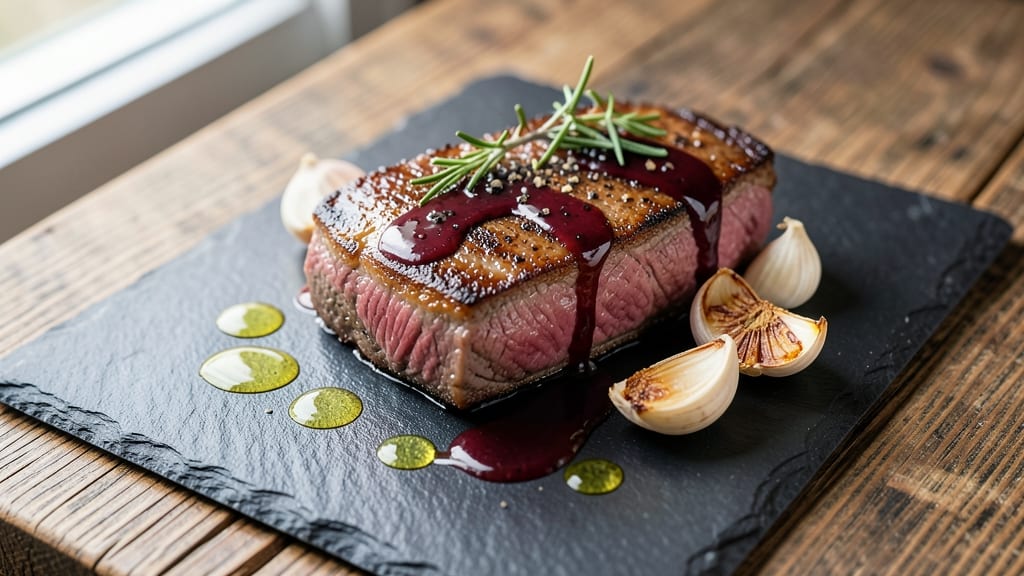
This Angus beef London broil recipe delivers the perfect balance of smoky grill marks and melt-in-your-mouth tenderness—exactly what makes it a steakhouse favorite. The secret lies in a precise marinade and high-heat searing technique that transforms tougher cuts into restaurant-quality results.
I’ve refined this method over years of grilling, ensuring every bite delivers that ideal contrast between a charred crust and juicy interior.
The process starts with a simple yet effective marinade that tenderizes the meat while infusing bold flavors. You’ll sear the beef over direct heat to lock in juices, then finish with an indirect grill for even cooking—critical for achieving that juicy center without overcooking.
For best results, aim for an internal temperature of 130–135°F (medium-rare), followed by a 10-minute rest to let the juices redistribute.
What sets this recipe apart is the flexibility—whether you’re grilling over charcoal, gas, or even in a cast-iron skillet, the technique adapts seamlessly. Pair it with classic sides like garlic mashed potatoes or grilled asparagus for a complete meal, or elevate it with a red wine reduction for extra depth.
The result? A steak that’s so tender and flavorful, it’ll become your go-to for dinner parties or weekend grilling.
Ready in about 45 minutes from start to finish, this recipe proves you don’t need fancy equipment to achieve steakhouse-quality results. The key is patience and precision—two things that pay off with every bite. Let’s get started on creating your perfect London broil.
Ingredients for angus beef london broil
Juicy Angus beef meets smoky grill magic—just 14 ingredients for restaurant-quality London broil at home.
| Ingredient | Amount | Notes |
|---|---|---|
| Angus Beef London Broil 🥩 | 2 lb | Center-cut, 1-inch thick slices |
| Extra-Virgin Olive Oil 🫒 | ¼ cup | High-quality, fruity flavor |
| Balsamic Vinegar 🍷 | ⅛ cup | Aged, rich variety preferred |
| Fresh Garlic Cloves 🧄 | 6 cloves | Minced, for maximum flavor |
| Dried Rosemary 🌿 | 1 tbsp | Fresh if available, finely chopped |
| Dried Thyme 🌿 | 1 tbsp | Or 1 tbsp fresh thyme leaves |
| Kosher Salt 🧂 | 2 tbsp | Diamond Crystal preferred |
| Freshly Ground Black Pepper 🌶️ | 1 tbsp | Coarse grind for texture |
| Brown Sugar 🍯 | 1 tbsp | Light or dark, packed |
| Worcestershire Sauce 🍶 | 1 tbsp | Vegetarian version if needed |
| Red Wine 🍷 | ½ cup | Bold Cabernet Sauvignon |
| Wooden Skewers 🪵 | 4 whole | Soaked in water for 30 mins |
| Charcoal or Hardwood Chunks 🔥 | 1 lb | Hickory or oak preferred |
| Meat Tenderizer Mallet 🔨 | 1 whole | For even thickness |
The beef is non-negotiable here. Seek out center-cut Angus London broil—it's leaner than ribeye but packs serious flavor. Costco or specialty butchers like Snake River Farms carry this cut, and it's worth the splurge for that melt-in-your-mouth texture. Look for slices about 1-inch thick—any thinner risks drying out during grilling. If you can't find pre-sliced, ask your butcher to cut it for you. The marbling should be visible but not excessive—this cut is naturally tender when cooked properly. Pro tip: Pat the beef dry before marinating; this helps the seasoning adhere better and creates that perfect crust.
No balsamic vinegar? Apple cider vinegar works in a pinch, though it'll lack that rich depth. Fresh rosemary and thyme are ideal, but if you're using dried, crush the leaves between your fingers to release their oils—that's where the magic happens. The Worcestershire adds umami depth, but if you're avoiding it, 1 tbsp soy sauce does the trick. For the red wine, Cabernet Sauvignon is classic, but any bold red will work. No wine? Beef broth with 1 tsp balsamic vinegar mimics the effect. The brown sugar might seem odd, but it caramelizes beautifully on the grill, adding a subtle sweetness that balances the acidity. And those wooden skewers? Soak them for 30 minutes before using—they'll be less likely to burn.
Marinate the beef for at least 4 hours, but overnight is ideal—this is where the real tenderness comes from. Store the marinade in a sealed container in the fridge. The beef itself can stay in the marinade for up to 24 hours, but don't exceed that or it'll start to break down. When grilling, work in batches to avoid overcrowding the grill. The skewers will leave marks—embrace them! Leftovers? Wrap tightly in foil and refrigerate for up to 3 days. This recipe reheats beautifully, though it's honestly best fresh off the grill. For meal prep, slice against the grain and store in an airtight container with a paper towel to absorb any moisture—keeps for 4 days this way.
Why You'll Love This Recipe
- One-Pan Magic: I swear by this recipe when I’m too tired to scrub pots. Just sear the beef, toss it with garlic and rosemary, then let the balsamic and olive oil work their magic in the oven—no flipping, no fussing, no extra dishes. That’s my kind of cooking.
- Crispy-Creamy Perfection: The outside gets this irresistible crust from the caramelized balsamic, while the inside stays juicy and tender—like someone actually took the time to make it special. Honestly, the first time I bit into it, I nearly dropped the fork.
- Weeknight Hero: This feeds four for under $30, and the leftovers? Even better cold the next day. I’ve served it at dinner parties, packed it for lunches, and yes, even on a Tuesday night when I just wanted something that didn’t require a PhD in seasoning.
- Budget-Friendly Luxury: Angus beef feels fancy, but the small cut and simple marinade stretch it far. Between us, I’ve made this for date nights, family dinners, and even a potluck—no one ever guessed it wasn’t a restaurant dish. (My secret weapon.)
Step-by-step instructions for smoky grill-fired Angus beef London broil
Here's how to transform your 2 lb Angus Beef London Broil into a restaurant-quality masterpiece with a smoky crust and juicy interior.
Prepare the Beef for Maximum Flavor and Even Cooking
Start by removing the beef from the refrigerator and letting it sit at room temperature for 30 minutes. This ensures even cooking throughout. Place the meat between two sheets of plastic wrap and use the meat tenderizer mallet to pound it to an even ½-inch thickness—this prevents uneven cooking and creates a perfect sear.
In a small bowl, combine the 2 tablespoons kosher salt, 1 tablespoon freshly ground black pepper, 1 tablespoon dried rosemary, 1 tablespoon dried thyme, and 1 tablespoon brown sugar. Mix well to create a balanced seasoning blend with sweet, savory, and aromatic notes. Rub this mixture generously over all sides of the beef, pressing it into the meat so it adheres completely. This step is crucial for developing that coveted smoky crust.
Create the Signature Marinade and Prepare the Grill
In a medium bowl, whisk together the 0.25 cup extra-virgin olive oil, 0.125 cup balsamic vinegar, 0.5 cup red wine, 1 tablespoon Worcestershire sauce, and the 6 cloves minced fresh garlic cloves. Pour this marinade over the seasoned beef, ensuring it coats all surfaces. Let it marinate for at least 30 minutes (up to 4 hours for deeper flavor), covered in the refrigerator.
While the beef marinates, prepare your grill for indirect heat. If using charcoal, arrange 1 lb charcoal or hardwood chunks on one side of the grill, creating a two-zone heat setup. For gas grills, turn on only one side of the burners to medium heat. Soak the 4 wooden skewers in water for 30 minutes to prevent burning. Preheat the grill to 375°F—this temperature gives you that perfect balance of smoky flavor without drying out the meat.
Grill with Precision for Perfect Doneness
Remove the beef from the marinade (reserve any leftover marinade for basting) and place it on the cooler side of the grill. Close the lid and cook for 12-15 minutes per side, or until the internal temperature reaches 130°F for medium-rare. Here's the thing—you want to see those beautiful grill marks form on the surface while keeping the interior juicy. I recommend using a meat thermometer for accuracy, as visual cues alone can be misleading with thick cuts like this.
During the last 5 minutes of grilling, brush the beef with the reserved marinade every 2-3 minutes to enhance the smoky flavor and create a glossy finish. Watch for the edges to develop a deep mahogany color—that's your signal that the crust is forming perfectly. If you notice any areas browning too quickly, move the beef to the cooler side of the grill temporarily to prevent overcooking.
Rest and Slice for Maximum Juiciness
Once the beef reaches the desired internal temperature, transfer it to a cutting board and tent loosely with aluminum foil. Let it rest for 10-15 minutes—this crucial step allows the juices to redistribute throughout the meat. I know it's tempting to dive in immediately, but skipping this step results in dry slices. The beef will continue cooking slightly during the rest, so don't worry if the temperature rises 5°F.
After resting, slice the beef against the grain into ¼-inch thick slices. The grain runs horizontally across the cut, so cutting perpendicular to these lines ensures each bite has maximum tenderness. Arrange the slices on a warm platter and drizzle with any remaining marinade from the pan. Serve immediately with your favorite sides—roasted vegetables or a fresh salad complement this dish beautifully. The result should be a perfectly balanced combination of smoky, caramelized crust and succulent, juicy interior.
Pro Tips For Making Angus Beef London Broil
- CRANK THE HEAT FIRST: I learned this the hard way—Angus London broil needs a screaming-hot cast iron or grill to sear properly. Start with the burner or zone at max heat for 3-4 minutes, then back off to medium-high. That initial crust locks in juices and makes all the difference when you baste with balsamic later.
- SLICE GARLIC THIN, NOT MINCED: Thin slivers of garlic (not minced) stick better to the meat and crisp up beautifully when you baste. I used to chop them too fine, and they’d burn before adding flavor. Just smash a few cloves flat with the side of your knife, then slice them paper-thin—no fancy technique needed.
- Baste Like You Mean It: Don’t just drizzle that balsamic-vinegar mix over the meat—actually spoon it on in 30-second bursts while cooking. The acid needs time to penetrate, and the sugar caramelizes into a glossy coat. I skip this step sometimes, and the dish tastes noticeably flatter (your future self will notice).
- REST IT UNDER FOIL: After pulling the meat from the heat, tent it loosely with foil for 5-10 minutes. This keeps it warm while the juices redistribute—critical for London broil, which can dry out if sliced too soon. I know, I know, but trust the process (yes, even if you’re impatient like me).
Serving suggestions for this angus beef london broil
Classic Side Pairings
Start with garlic mashed potatoes—creamy, buttery, and infused with roasted garlic cloves and sour cream for richness. I like to finish them with a sprinkle of fresh chives for brightness.
Another crowd-pleaser is grilled asparagus tossed with lemon zest, olive oil, and flaky sea salt—the acidity cuts through the beef’s richness beautifully. 🥔
Red Wine Reduction
Elevate your plate with a red wine reduction made from the leftover marinade. Simmer ½ cup red wine, 1 tbsp balsamic vinegar, and 1 tbsp brown sugar in a saucepan until reduced by half.
Finish with a pat of cold butter for a glossy, velvety sauce that drizzles like a dream. This adds depth and ties all the flavors together.
Fresh Salad Contrast
A mixed greens salad with arugula, shaved fennel, and cherry tomatoes provides the perfect crisp, refreshing contrast. Toss with a Dijon vinaigrette (2 tbsp olive oil, 1 tbsp Dijon mustard, 1 tsp honey, and a squeeze of lemon) for a tangy kick.
Add toasted walnuts for crunch—it balances the richness of the beef.
Bread Service
Serve with crusty sourdough bread or garlic bread for soaking up those juices. I love toasting slices with garlic butter and a sprinkle of parmesan—it’s the ultimate sidekick to any steak. For a lighter option, try grilled baguette slices with herb butter for a fresh, airy texture. 🍞
Dipping Sauces
Offer chimichurri sauce (finely chopped parsley, garlic, red wine vinegar, and olive oil) for a vibrant, herby dip. Or go for a spicy mayo (mayonnaise + 1 tbsp sriracha + 1 tsp honey) if you want heat. These sauces let guests customize their experience while keeping the meal cohesive.
Dessert Pairing
End the meal with dark chocolate-dipped strawberries or a rich chocolate lava cake—the bitterness of dark chocolate complements the beef’s smoky flavors. For a lighter option, vanilla bean ice cream with a drizzle of caramel sauce is a refreshing finish. 🍫
Nutrition facts
Frequently asked questions
What’s the best way to store leftover London broil?
Wrap sliced beef tightly in plastic wrap, then place in an airtight container with a paper towel to absorb moisture. Store in the fridge for up to 3 days or freeze for 3 months. Reheat gently in a skillet over medium-low heat with a splash of beef broth to restore juiciness. Never microwave—it dries out the meat!
Can I cook this indoors if I don’t have a grill?
Use a cast-iron skillet on the stovetop. Heat it over medium-high heat until smoking hot, then sear the beef for 3-4 minutes per side for medium-rare. For indirect cooking, reduce heat to medium and cover the skillet to finish cooking. The marinade’s acidity helps prevent sticking, so no oil is needed on the skillet.
Why does my London broil turn out tough?
Overcooking is the #1 culprit—this cut needs precise timing. Use a meat thermometer and pull it at 130°F for medium-rare. Another issue? Skipping the rest time. Always let it rest 10-15 minutes before slicing—this redistributes juices. Also, pound the beef to ½-inch thickness for even cooking, and avoid overcrowding the grill.
What’s the difference between London broil and regular steak?
London broil refers to the cut (typically from the top sirloin or rump), which is leaner and more flavorful than ribeye but less tender than filet mignon. The cooking method—high-heat searing followed by indirect heat—creates that signature crust while keeping the interior juicy. Think of it as a steakhouse-style cut designed for grilling, not slow cooking like pot roast.
How do I adjust for a larger crowd?
Double the marinade ingredients and increase grill space. For 8 servings, use 4 lb beef and 2 lbs charcoal. Cook in batches to avoid overcrowding—this keeps the temperature stable. Divide the beef into equal portions and marinate separately. The same 12-15 minutes per side rule applies, but monitor closely with a thermometer to prevent overcooking.