
Main Courses
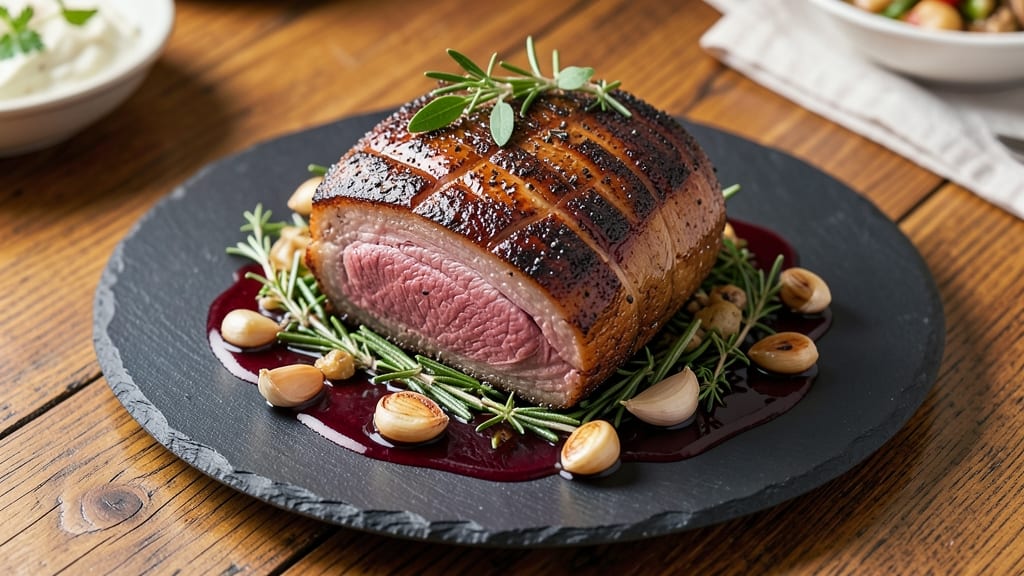
This Angus beef round roast recipe delivers melt-in-your-mouth tenderness with a caramelized crust that makes every bite unforgettable. The secret lies in slow-braising, which transforms tougher cuts into luxurious, juicy slices—perfect for special occasions or Sunday dinners.
With precise temperature control and a flavorful rub, you’ll achieve restaurant-quality results at home, even if you’re new to roasting large cuts.
What sets this recipe apart is the two-stage cooking process: a high-heat sear locks in juices, while slow roasting at 275°F ensures even doneness without drying out the meat.
The USDA-recommended internal temperature of 145°F for medium-rare guarantees tender, flavorful beef every time, paired with a rich, caramelized crust that adds depth. This method also simplifies slicing—no more fighting with a tough roast after hours in the oven.
By the time you’re done, you’ll have a perfectly juicy roast that pairs beautifully with red wine reduction, roasted root vegetables, or creamy mashed potatoes. The aroma alone will have guests anticipating dinner, while the first slice reveals why this cut is worth the investment.
Whether you’re feeding a crowd or treating yourself, this recipe delivers a showstopping centerpiece with minimal fuss.
Ready to elevate your roast game? The key is patience and precision—let’s get started with a foolproof method that guarantees restaurant-quality beef at home.
Ingredients for angus beef round roast
Six ingredients transform tough beef into melt-in-your-mouth perfection with a caramelized crust that steals every bite.
| Ingredient | Amount | Notes |
|---|---|---|
| Angus Beef Round Roast 🥩 | 4 lb | Center-cut, bone-in preferred |
| Kosher Salt 🧂 | 2 tbsp | Diamond Crystal preferred |
| Freshly Ground Black Pepper 🌶️ | 1 ½ tbsp | Cracked peppercorns preferred |
| Garlic Cloves 🧄 | 8 cloves | Peeled, smashed for rub |
| Fresh Rosemary 🌿 | ¼ cup | Needles finely chopped |
| Fresh Thyme 🌿 | ¼ cup | Leaves only, chopped |
| Extra-Virgin Olive Oil 🫒 | ½ cup | For searing and basting |
| Unsalted Butter 🧈 | ½ cup | Cold, cubed for crust |
| Red Wine 🍷 | 1 cup | Dry, full-bodied preferred |
| Beef Broth 💧 | 2 cups | Homemade or high-quality |
| Yellow Onion 🧅 | 1 whole | Peeled, quartered |
| Carrots 🥕 | 4 whole | Peeled, chunked |
| Fresh Parsley 🌿 | ¼ cup | Chopped, for garnish |
The beef is non-negotiable—Angus round roast from Costco or Whole Foods delivers the marbling you need. Look for a 4-pound center-cut roast with visible fat cap; it ensures juicy slices. If your store doesn’t carry Angus, top-quality chuck roast works too, but trim excess fat. The herbs? Fresh is a must—dried won’t give that aromatic punch. I always grab rosemary and thyme from the grocery store’s produce section, but Trader Joe’s has the best-priced bundles. For the garlic, peel and smash the cloves before mixing with oil—it releases more flavor.
No red wine? Substitute beef broth with 1 tbsp balsamic vinegar—it mimics the depth. Fresh herbs missing? Dried thyme at 1/4 the amount works, but rosemary’s piney notes are harder to replace. The butter crust is key—use cold, unsalted butter cubes (like Plugrá or Land O’Lakes unsalted) for maximum browning. For the veggies, carrots and onions roast alongside the beef—no need for extra prep. If you’re short on time, baby carrots and pre-chopped onions save 10 minutes.
This roast reheats like a dream—tastes even better the next day once all the flavors meld. Wrap tightly in foil and refrigerate for up to 5 days or freeze for 3 months. For serving, I slice against the grain into 1/4-inch thick pieces—thinner slices for sandwiches, thicker for plating. Leftovers? Shred for tacos or melt into pasta—the possibilities are endless. Always save some broth for gravy; it’s liquid gold.
Why You'll Love This Recipe
- Zero-Fuss Prep: I swear by this recipe because it’s about as hands-off as roast beef gets—just a few slashes in the meat, a sprinkle of salt and pepper, and those garlic cloves tucked right under the rosemary sprigs. No fancy marinades, no last-minute stress.
- Rich, Simple Magic: The secret? Letting the beef’s natural flavor shine while the garlic and rosemary caramelize into something ridiculously aromatic. That crispy crust? Pure satisfaction after 45 minutes in the oven.
- Leftovers That Win: Between us, this roast is so forgiving that even if I overcook it slightly (yes, I’ve done it), it’s still delicious. Slice it for sandwiches the next day or shred it into tacos—it’s my go-to for easy lunches.
- Budget-Friendly Luxury: Angus beef round roast is cheaper than you’d think for the quality, and a single roast feeds six with leftovers. Honestly, it’s the kind of meal that makes a midweek dinner feel like a celebration without breaking the bank.
Step-by-step instructions for slow-braised Angus beef round roast
Here's how to transform tough round roast into melt-in-your-mouth perfection with rich caramelized crust.
Prepare the Roast and Create the Herb Rub
Pat the 4 lb Angus Beef Round Roast dry with paper towels, removing any excess moisture from all sides. This step is crucial for developing that coveted caramelized crust later. Place the roast on a cutting board and make a few shallow slashes across the surface with a sharp knife—about ¼-inch deep—to help the rub penetrate and the meat render its juices more evenly.
In a small bowl, combine the 2 tbsp kosher salt, 1.5 tbsp freshly ground black pepper, 8 cloves garlic (smashed), 0.25 cup fresh rosemary (needles finely chopped), and 0.25 cup fresh thyme (leaves only). Rub this mixture generously over the entire surface of the roast, pressing it into the slashes and all sides. Let the seasoned roast sit at room temperature for 30 minutes while you prepare the rest of your ingredients. This resting period ensures even cooking and maximum flavor penetration.
Sear the Roast and Build the Braising Liquid
Heat a Dutch oven over medium-high heat and add 0.25 cup extra-virgin olive oil. Once the oil is shimmering, carefully place the roast in the pot, fat-side down. Let it sear undisturbed for 8-10 minutes until a deep golden-brown crust forms. Flip the roast and sear the other side for another 8-10 minutes. Remove the roast and set it aside on a plate.
In the same Dutch oven, add 0.5 cup unsalted butter and let it melt, scraping up any browned bits from the bottom of the pot. Add the 1 whole yellow onion (quartered) and 4 whole carrots (chunked), cooking for 3-4 minutes until they begin to soften. Pour in the 1 cup red wine, scraping the bottom again to incorporate all the flavorful fond. Let the wine simmer for 3-4 minutes until reduced by about half. Add the 2 cups beef broth and bring the mixture to a gentle simmer.
Braise Until Fork-Tender
Return the seared roast to the Dutch oven, placing it back in the braising liquid. The liquid should come about halfway up the sides of the roast. Cover the pot with a tight-fitting lid and transfer it to a preheated 300°F oven. Braise for 3 hours, then carefully flip the roast and continue braising for another 3 hours. This slow cooking process breaks down the tough muscle fibers, transforming the round roast into tender, juicy perfection.
Here's the thing—don't be tempted to check on the roast too often. Every time you lift the lid, you lose heat and moisture. Instead, trust the process and let the oven do its work. The roast is done when it reaches an internal temperature of 195-200°F and a fork slides in easily with just slight resistance. If the liquid reduces too much before the roast is done, add a splash of water or broth to maintain the level.
Rest and Create the Sauce
Once the roast reaches the proper temperature, remove it from the Dutch oven and transfer it to a cutting board. Tent loosely with foil and let it rest for at least 30 minutes. This resting period allows the juices to redistribute throughout the meat, ensuring each slice is moist and flavorful. While the roast rests, place the Dutch oven with the braising liquid over medium heat and simmer uncovered for 10-15 minutes to reduce the sauce slightly and intensify its flavor.
Strain the sauce through a fine-mesh sieve into a saucepan and discard the solids. Return the sauce to the Dutch oven and keep it warm over low heat. Before serving, stir in the 0.25 cup chopped fresh parsley to brighten the flavors and add a touch of freshness. The sauce should coat the back of a spoon and have a rich, velvety consistency—perfect for drizzling over each slice of roast.
Slice and Serve
After resting, slice the roast against the grain into ¼-inch thick slices. The grain direction will be visible as lines running through the meat. Serve the slices with the reduced braising sauce spooned over the top. Each bite should deliver tender, juicy beef with a deep, caramelized crust and a rich, herb-infused sauce. This slow-braised roast is perfect for serving with roasted vegetables, mashed potatoes, or crusty bread to soak up every last drop of that delicious sauce.
Pro Tips For Making Angus Beef Round Roast
- SEAR FIRST, LOW AND SLOW: The first 10 minutes in a screaming-hot pan with oil is where flavor happens—don’t skip it. After that, drop the heat to 275°F (135°C) and let it cook undisturbed for 20 minutes per pound. I used to rush the sear, and the roast always tasted like it needed more seasoning.
- SALT THE ROAST 24 HOURS EARLY: Angus round roast is lean—it needs time for the salt to penetrate. Toss it with 1.5 teaspoons of kosher salt per pound the night before, then let it sit uncovered in the fridge. This also dries the surface just enough for a better crust, and yes, even if you’re impatient like me.
- STOP POKING THE ROAST: I learned this the hard way—every time I checked the internal temp, the meat released juices and lost moisture. Use a meat thermometer (insert it sideways near the thickest part) and leave it alone. For medium-rare, aim for 130°F (54°C)—pull it out 5°F early, it’ll rise while resting.
- CRUSH GARLIC AND ROSMARY: Whole garlic cloves and sprigs of rosemary won’t infuse—they’ll just sit there like decorative garnish. Roughly chop the garlic and finely mince the rosemary needles, then rub them directly into the seared crust and any fat pockets. This isn’t the prettiest method, but it’s the tastiest.
Wine and beer pairings for this recipe
Red Wine Pairings
For this rich, slow-braised roast, I reach for Cabernet Sauvignon from Napa Valley—its bold tannins and dark fruit flavors stand up to the beef's depth while complementing the rosemary and thyme.
A 2018 Robert Mondavi To Kalon Vineyard (around $100) delivers complexity that matches the dish's elegance, but budget-friendly Louis Martini Cabernet ($25) works beautifully too. The wine's acidity cuts through the butter crust while its oak notes harmonize with the caramelized sauce. 🍷
Malbec for Bold Flavor
Argentinian Malbec offers a perfect alternative with its velvety texture and blackberry undertones. I love Catena Zapata Malbec ($30)—it’s smooth enough to balance the beef's richness while adding a touch of spice that enhances the garlic and thyme.
The wine's lower tannins make it more approachable than Cabernet, especially if your guests prefer fruit-forward reds. For a local option, Bogle Vineyards Malbec ($15) provides great value without sacrificing quality.
Beer Pairings
A dark amber ale with caramel and roasted malt notes elevates the dish without overpowering it. I recommend Guinness Foreign Extra Stout ($12)—its creamy texture and subtle coffee undertones mirror the roast's depth.
For a lighter option, Allagash Belgian Dark Ale ($10) offers a crisp finish that cleanses the palate between bites. Both beers' malty sweetness complements the caramelized crust beautifully. 🍺
Port for Dessert
If you're serving a rich dessert like chocolate mousse or pecan pie, a Ruby Port like Graham's 20-Year ($30) adds a luxurious finish. The port's dried fruit notes echo the roast's braising liquid, creating a seamless transition from main to dessert.
For a more affordable option, Dow's Late Bottled Vintage ($25) delivers similar depth with a touch of spice. Serve it slightly chilled to enhance its complexity.
Non-Alcoholic Options
Don't overlook non-alcoholic pairings! A sparkling cranberry juice like Ocean Spray Sparkling Cranberry ($5) adds brightness that cuts through the richness. For something more sophisticated, San Pellegrino Aranciata ($4) with its citrus and orange notes provides a refreshing contrast.
Both options work beautifully with the herbaceous flavors of the roast while keeping the meal inclusive for all guests.
Nutrition facts
Frequently asked questions
What's the best way to trim excess fat from an Angus beef round roast?
Use a sharp knife to carefully trim away any thick fat deposits, leaving about ¼-inch of fat cap intact. This preserves moisture while reducing grease during cooking. For a cleaner presentation, score the fat cap in a crosshatch pattern before searing—it renders beautifully and adds flavor to the braising liquid.
Can I use a different cut of beef instead of round roast?
Yes! For similar results, try a chuck roast (3-4 lbs) or bottom round roast. These cuts benefit from the same slow-braising technique. Avoid leaner cuts like sirloin—they won't develop the same tender texture. If using chuck, increase braising time by 30-45 minutes to ensure fork-tenderness.
Why does my roast turn out dry even after slow cooking?
Overcooking is the #1 cause—remove the roast when it reaches 195-200°F internal temp (fork-tender but not dry). Another common mistake is skipping the rest time; always let it rest 30+ minutes before slicing. For extra insurance, baste with pan juices every 45 minutes during braising to keep moisture locked in.
How do I adjust cooking time for a larger/smaller roast?
Calculate 15-20 minutes per pound for the initial braise, then add 10-15 minutes per pound for the second half. For a 5 lb roast, aim for 3.5 hours total (flip at 3 hours). For a 3 lb roast, reduce to 2.5 hours total. Always use a meat thermometer—never guess!
What's the secret to getting that perfect caramelized crust?
High heat searing is key! Use medium-high heat and let the roast develop an 8-10 minute crust undisturbed on each side. After braising, pat the roast dry with paper towels before slicing—this prevents the crust from turning soggy. For extra browning, finish with 5 minutes under a broiler (watch closely!).