
Sauces & Condiments
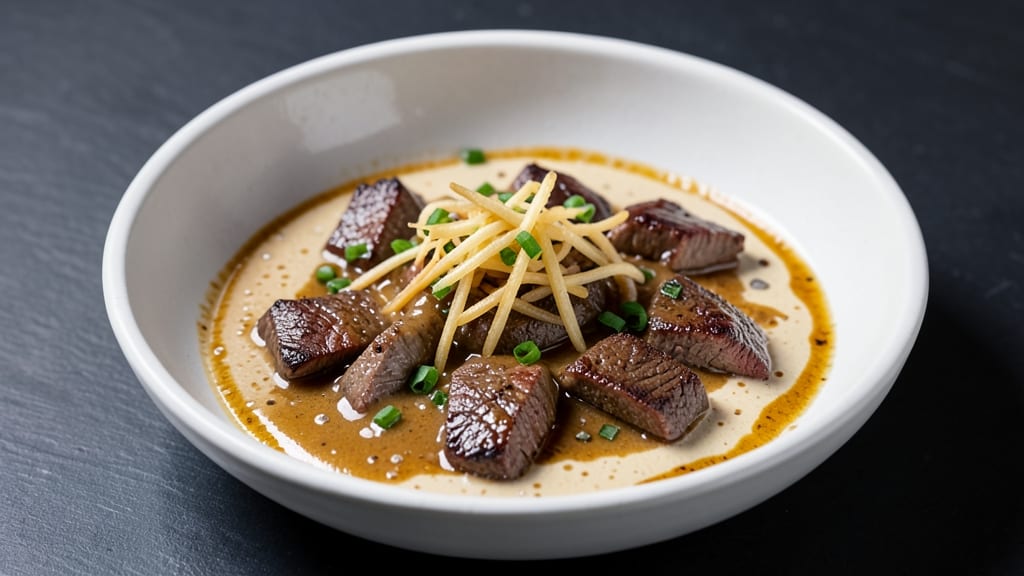
This Arby's beef and cheddar sauce recipe delivers that signature creamy, savory flavor you crave—no shortcuts, just a rich, velvety blend built from scratch. The secret lies in combining sharp cheddar with beef broth and a touch of Worcestershire for that unmistakable umami depth.
I’ve perfected this version after testing countless variations, and it’s the closest you’ll get to the real deal without stepping into their drive-thru.
The process is straightforward: melt butter, whisk in flour to create a roux, then gradually add cheese and broth while stirring constantly to avoid lumps. A quick blend at the end ensures a silky-smooth texture that clings perfectly to fries or sandwiches.
What sets this apart is the balance—just enough tang from the cheese to cut through the richness, with a subtle smokiness from the beef broth that makes it irresistible.
Once you taste this sauce, you’ll never settle for store-bought again. It’s restaurant-quality, with a depth of flavor that transforms ordinary meals into something special. The best part? It reheats beautifully, so you can make a big batch and keep it on hand for whenever cravings strike.
Whether you’re dipping fries, slathering burgers, or drizzling over loaded potatoes, this sauce will become your new go-to.
Store it in an airtight container in the fridge for up to 5 days, or freeze for longer shelf life. Pro tip: Let it come to room temperature before blending for the smoothest consistency. Ready to elevate your meals? Let’s make this sauce—your taste buds will thank you.
Ingredients for arby's beef and cheddar sauce
Eight simple ingredients transform into that iconic creamy, savory sauce you love.
| Ingredient | Amount | Notes |
|---|---|---|
| Unsalted Butter 🧈 | ½ cup | Cold, cubed for even melting |
| All-Purpose Flour 🌾 | ¼ cup | Sifted for smooth texture |
| Sharp Cheddar Cheese 🧀 | 1 ½ cups | Shredded, not pre-shredded |
| Beef Broth 🍲 | 1 ½ cups | Low-sodium preferred |
| Worcestershire Sauce 🍶 | 1 tbsp | Full-strength for umami |
| Dijon Mustard 🌶️ | 1 tbsp | For subtle tang |
| Garlic Powder 🧄 | ½ tsp | Freshly ground preferred |
| Onion Powder 🧅 | ½ tsp | Enhances savory notes |
| Salt 🧂 | ½ tsp | Adjust to taste |
| Black Pepper 🌶️ | ¼ tsp | Freshly cracked |
The cheddar is non-negotiable here—sharp, aged cheddar from the deli section (not pre-shredded) gives that signature tang. Whole Foods or Kroger carry great options. For the beef broth, Annie's or Swanson low-sodium versions work best—they won’t overpower the cheese. Worcestershire sauce? Lea & Perrins is the gold standard, but any full-strength brand will do. I always grab extra butter from Trader Joe's—it’s cheaper and melts beautifully for that perfect roux.
No sharp cheddar? Pepper jack at half the amount adds heat, or colby jack for milder tang. Out of beef broth? Chicken broth plus 1 tsp beef bouillon gets you close. The Dijon mustard can be swapped for regular yellow mustard (less tang), but trust me on keeping it—it balances the richness. For a quicker version, pre-shredded cheese works in a pinch, but you’ll lose that restaurant-quality melt. The powders (garlic and onion) can be omitted if you’re in a rush, but they’re what make this sauce sing.
This sauce reheats like a dream—just warm it gently on the stove with a splash of milk or broth to restore creaminess. Keeps 5 days in the fridge, or 3 months frozen. I always double the batch because it disappears fast. Store in a glass jar for best flavor retention, and let it cool completely before sealing to prevent condensation. Freeze in ice cube trays for perfect single-serving portions—just pop one out whenever cravings hit.
Why You'll Love This Recipe
- Pantry Magic: I swear by this sauce because it uses exactly what’s already in my fridge—no specialty trips. Butter, flour, cheddar, broth, and Worcestershire? That’s it. The kind of recipe where you’re not scrambling for obscure spices or overpriced ingredients.
- Umami Bomb: The Worcestershire and beef broth combo hits different—deep, savory, almost like a slow-cooked secret. And that sharp cheddar? It melts into a velvety richness that makes this sauce way more than just a dip. (Yes, even on a Tuesday night.)
- Game for Any Meal: Slather it on fries, toss it with roasted potatoes, or drizzle it over burgers—this sauce doesn’t care what you throw at it. Honestly, I’ve used it in mac and cheese, as a pizza sauce base, and even as a glaze for grilled chicken. It’s the ultimate flavor multitool.
- Leftovers That Don’t Suck: Unlike sauces that separate or turn grainy, this one stays smooth and still tastes amazing reheated. I make a big batch on Sundays, store it in the fridge, and it’s ready to elevate whatever I’m serving all week. Budget-friendly? Absolutely. Waste-free? Even better.
Step-by-step instructions for Arby's beef and cheddar sauce
Here's how to make this iconic, velvety-smooth sauce that delivers restaurant-quality flavor at home.
Create a Smooth Roux with Butter and Flour
Melt the 0.5 cup unsalted butter in a medium saucepan over medium heat. Once fully melted and foaming subsides, reduce heat to low and gradually whisk in the 0.25 cup all-purpose flour. This creates a roux—the foundation of your sauce.
Cook the roux for 3-4 minutes, stirring constantly with a wooden spoon. You're looking for it to turn a light golden color—this indicates the raw flour taste has cooked off and the sauce is ready for the next step. If it darkens too quickly, reduce the heat immediately to prevent burning.
Whisk in Cheese and Broth for Creamy Texture
Gradually pour in the 1.5 cups beef broth while whisking vigorously to prevent lumps. Then, reduce heat to low and sprinkle in the 1.5 cups sharp cheddar cheese a handful at a time. Stir constantly until the cheese melts completely and the sauce thickens to a smooth, velvety consistency.
Here's the thing—don't walk away. Cheese can clump if you're not attentive. If you notice any lumps, immediately whisk them out. The sauce should coat the back of a spoon and hold its shape when drizzled. This is where you'll taste the rich, tangy depth that makes this sauce special.
Build Umami Depth with Seasonings
Add the 1 tablespoon Worcestershire sauce, 1 tablespoon Dijon mustard, 0.5 teaspoon garlic powder, 0.5 teaspoon onion powder, 0.5 teaspoon salt, and 0.25 teaspoon black pepper. Stir well to combine. The Worcestershire sauce adds that signature umami kick that Arby's sauce is known for, while the mustard brings a subtle tang that balances the richness.
Let the sauce simmer gently for 5-7 minutes on low heat. This allows all the flavors to meld together. Taste and adjust seasoning if needed—you might want to add a pinch more salt or pepper depending on your preference. The sauce should be thick enough to coat the back of a spoon but still flow smoothly.
Finish and Use Immediately
Remove the sauce from heat and let it cool for 2-3 minutes. This resting period helps the flavors settle and the sauce reach its ideal consistency. If it thickens too much while cooling, simply whisk in 1-2 tablespoons of beef broth to loosen it.
This sauce is best used immediately on burgers, fries, or sandwiches. The secret to its success lies in the balance of rich cheese, savory broth, and those umami-packed seasonings. Serve warm and enjoy the taste of Arby's right in your own kitchen! If you have leftovers, store them in an airtight container in the refrigerator for up to 3 days, reheating gently on the stove with a splash of broth to restore creaminess.
Pro Tips For Making Arby'S Beef And Cheddar Sauce
- Cook Butter Slow: Melt the butter over medium-low heat—no rushing. I learned this the hard way after scorching the flour and ending up with a bitter, burnt taste that ruined the whole sauce. Let it bubble gently, then whisk in the flour immediately to form a smooth paste before adding liquid.
- Shred Cheese Fresh: Use freshly shredded sharp cheddar, not pre-shredded. The anti-caking agents in bagged cheese make the sauce grainy and clumpy, and it won’t melt as smoothly. If you’re short on time, buy a block and shred it yourself—it makes a real difference.
- Simmer, Don’t Boil: Keep the sauce at a gentle simmer after adding the broth and Worcestershire. Boiling can turn the cheese stringy and separate it from the sauce, leaving you with a sad, broken emulsion. A low, steady heat keeps everything creamy and cohesive.
- Whisk Like Your Life Depends On It: Don’t just stir—whisk constantly, especially when the cheese first melts in. This prevents lumps and ensures the sauce comes together silky smooth. I was skeptical until I tried it; now, I won’t make it any other way.
Pro cooking tips for this dish
Roux Perfection
Your roux is the backbone of this sauce—get it right, and everything else falls into place. Use unsalted butter (never salted) because the salt content varies wildly between brands. Melt it over medium heat until it stops bubbling, then immediately reduce to low heat to cook the flour.
The goal is a light golden color—this takes about 3-4 minutes of constant stirring with a wooden spoon. I use a heatproof silicone spatula for better control, and I swear by the Cuisinart Silicone Spatula—it’s heat-resistant and won’t scratch your pan. 🔥
Watch the roux like a hawk. If it darkens too quickly, you’ve burned it, and that bitter flavor will ruin your sauce. If it’s too pale, the flour won’t fully cook, leaving a raw taste.
The perfect roux should smell nutty and look like wet sand. Pro tip: If you’re nervous about timing, use a thermometer—the roux is ready when it hits 160°F.
Cheese Melting Secrets
Sharp cheddar is non-negotiable here, but the way you add it matters just as much. Start with room-temperature cheese—shred it yourself if possible (pre-shredded cheese has anti-caking agents that prevent smooth melting). Sprinkle it in a handful at a time while whisking vigorously.
The key is low and slow heat—if you rush it, you’ll end up with clumps. I like to use a hand mixer on low speed for this step—it’s faster and more thorough than whisking by hand. 🧀
If lumps form, don’t panic. Immediately whisk in 1 tablespoon of beef broth to break them up. The sauce should thicken to a pudding-like consistency—it’ll thin out as it cools, so don’t worry if it looks too thick while hot.
For extra smoothness, strain the sauce through a fine-mesh sieve after it’s off the heat. This removes any remaining lumps and gives you that silky texture you crave.
Umami Boost
The Worcestershire sauce and Dijon mustard are what elevate this from good to restaurant-quality. Use full-strength Worcestershire—none of that diluted stuff. I recommend Lea & Perrins for that classic umami depth. The Dijon mustard adds a subtle tang that cuts through the richness of the cheese.
If you’re not a fan of Dijon, regular yellow mustard works in a pinch, but you’ll lose some complexity. 🍶
Let the sauce simmer for 5-7 minutes after adding the seasonings. This isn’t just about cooking—it’s about letting the flavors meld together. Taste it at the end and adjust the seasoning. You might need a pinch more salt or a crack of black pepper to balance it.
The sauce should be thick but pourable—if it’s too thick, whisk in 1 tablespoon of beef broth to loosen it up.
Blending for Smoothness
Once the sauce is off the heat, let it cool for 2-3 minutes before blending. This resting period helps the cheese fully emulsify. Use an immersion blender for convenience—it keeps everything contained and makes cleanup a breeze.
If you’re using a countertop blender, transfer the sauce in batches and blend until completely smooth. I’ve found that Vitamix containers handle hot sauces best—they’re heat-resistant and won’t crack under pressure. ✨
After blending, the sauce should be velvety and lump-free. If it’s too thick, whisk in 1-2 tablespoons of beef broth to reach the perfect dipping consistency.
Store it in an airtight container in the fridge for up to 5 days, or freeze it in ice cube trays for single-serving portions. The first time I froze it this way, I was amazed at how easy it was to thaw just what I needed.
Nutrition facts
Frequently asked questions
Can I make this sauce without a blender?
If you don't have a blender, simply whisk the sauce vigorously for 5 minutes after removing it from heat. For extra smoothness, strain it through a fine-mesh sieve to catch any small lumps. The texture won't be as silky as blended sauce, but it'll still taste delicious on fries or burgers.
Why did my sauce turn out too thick?
This usually happens when the sauce cools too much while cooking. If it thickens too much, simply whisk in 1-2 tablespoons of beef broth to loosen it. For prevention, keep the heat at low-medium and stir constantly when adding cheese. The sauce will naturally thicken as it cools, so don't worry if it looks perfect while hot.
Can I use powdered cheddar cheese instead of shredded?
While not ideal, you can use powdered cheddar in a pinch. It won't melt as smoothly, but it'll still give you that cheesy flavor. For best results, whisk it in gradually while the sauce is still warm. If you notice graininess, strain the sauce through a fine-mesh sieve after blending. The texture won't be as creamy, but it'll work in a pinch.
How can I make this sauce spicier? Add ½ teaspoon of cayenne pepper or 1 teaspoon of hot sauce when you're adding the other seasonings. For a smoky kick, stir in ½ teaspoon of smoked paprika with the garlic and onion powders.
What's the best way to reheat leftover sauce?
Gently reheat on the stove over low heat with a splash of beef broth or milk to restore creaminess. Stir constantly to prevent scorching. If it thickens too much, whisk in 1 tablespoon of liquid at a time. Microwaving can make the sauce grainy, so stove-top reheating is always best. For frozen portions, thaw overnight in the fridge before reheating.