
Main Courses
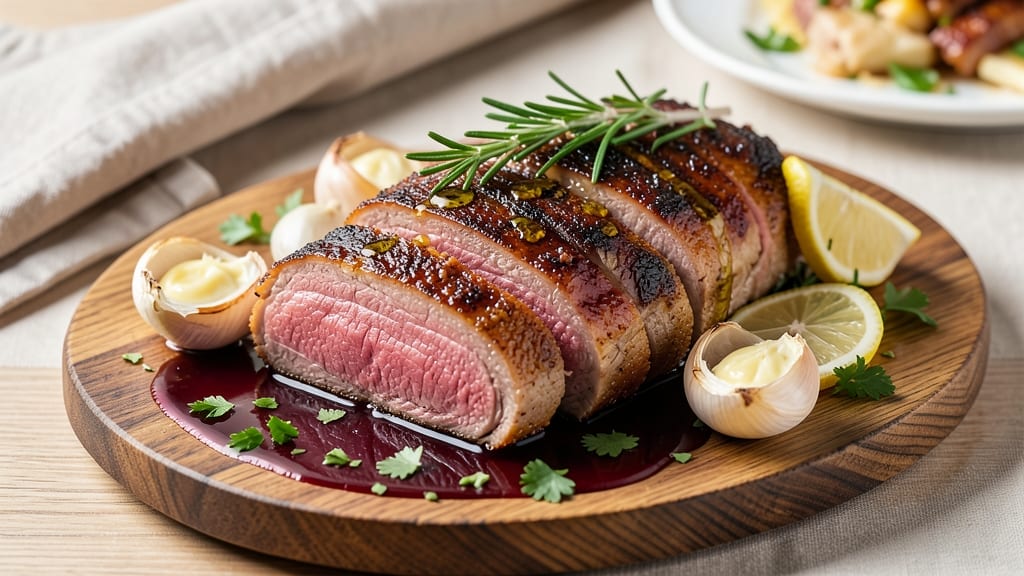
This arts Italian roast beef recipe delivers the kind of slice-perfect richness that turns weeknight dinners into special occasions. 🔥 The secret lies in slow-braising the beef with aromatic herbs, garlic, and a splash of red wine, allowing the flavors to meld into tender, melt-in-your-mouth perfection.
After years of perfecting this technique, I’ve developed a method that ensures juicy, evenly cooked beef every time—no guesswork, no dry slices.
The beauty of this recipe is its versatility and restaurant-quality results at home. You’ll start with a simple marinade of olive oil, garlic, rosemary, and thyme, letting the beef absorb the flavors overnight for maximum depth.
Then, it’s all about low-and-slow cooking—just 3 hours at 300°F—until the beef is so tender it falls apart with just a fork. The key is patience; this isn’t a dish you can rush, but the reward is worth every minute.
What you’ll end up with is a juicy, perfectly seasoned roast that’s rich, flavorful, and impossible to resist. The crust is slightly caramelized, while the inside remains tender and moist, making every slice a masterpiece.
This is the kind of dish that pairs beautifully with polenta, roasted root vegetables, or a simple green salad—elevating any meal to something truly memorable.
Whether you’re hosting a dinner party or treating yourself to a special Sunday supper, this Italian roast beef recipe guarantees a showstopping centerpiece that will have everyone asking for seconds. Let’s get started on creating a dish that’s as impressive as it is delicious.
Ingredients for arts italian roast beef
Six ingredients transform humble beef into restaurant-worthy perfection. Nothing fancy—just good technique.
| Ingredient | Amount | Notes |
|---|---|---|
| Beef Chuck Roast 🥩 | 4 lb | Center-cut for even cooking |
| Extra-Virgin Olive Oil 🫒 | ½ cup | High-quality, fruity variety |
| Garlic Cloves 🧄 | 8 cloves | Freshly peeled, smashed |
| Fresh Rosemary 🌿 | ¼ cup | Finely chopped sprigs |
| Fresh Thyme 🌿 | ¼ cup | Leaves only, stems removed |
| Dry Red Wine 🍷 | 1 cup | Bold Cabernet or Merlot |
| Beef Broth 💧 | 2 cups | Low-sodium preferred |
| Tomato Paste 🍅 | 2 tbsp | Smooth, no sugar added |
| Diamond Crystal Kosher Salt 🧂 | 1 ½ tsp | Adjust to taste |
| Freshly Ground Black Pepper 🌶️ | 1 tsp | Coarse grind preferred |
| All-Purpose Flour 🌾 | 1 tbsp | For dusting roast |
| Balsamic Vinegar 🍶 | 1 tbsp | For finishing glaze |
| Honey 🍯 | 1 tbsp | For glaze sweetness |
| Fresh Parsley 🌿 | ¼ cup | Chopped for garnish |
The beef is everything here. Chuck roast delivers that melt-in-your-mouth texture—sirloin stays tough. Look for good marbling at Costco or Whole Foods—the more fat, the juicier the result. Trim excess fat if you prefer, but leave some for flavor. For the wine, Cabernet Sauvignon or Merlot work best—whatever's open in your cabinet. The tomato paste? Muir Glen is my go-to—smooth and consistent. Fresh herbs? Trader Joe's has great pre-washed bundles that save time.
No red wine? Beef broth with 1 tbsp balsamic mimics the depth perfectly. Short on rosemary? Double the thyme—it's doing most of the heavy lifting here. The balsamic vinegar and honey combo creates that signature glossy finish. Substitute maple syrup if you're avoiding honey. For the glaze, reduce the balsamic and honey together until syrupy—about 3 minutes on medium heat. The flour is just for dusting before roasting; don't skip it—it helps create that beautiful crust. If you're prepping ahead, marinate the beef overnight for maximum flavor penetration.
This roast reheats beautifully—350°F for 20 minutes covered with foil. Keeps 4-5 days in the fridge, freezes for 3 months wrapped tightly. I always make double batches—leftovers make amazing sandwiches. For serving, slice against the grain for those perfect, tender pieces. The glaze sets as it cools, so add it right before serving. Garnish with fresh parsley for that restaurant-plate presentation. Store any extra glaze in a small jar—it keeps for 2 weeks in the fridge.
Why You'll Love This Recipe
- Herb-Packed Magic: The rosemary and thyme clinging to that beef? It’s like a flavor hug. The garlic infuses the meat so deeply it melts in your mouth, and the olive oil keeps it juicy without needing a single drop of sauce. Honestly, my picky-eating uncle asked for seconds—high praise.
- Leftovers That Shine: This roast actually tastes better the next day. I’ll slice it thin for sandwiches, toss it into pasta, or serve it cold with crusty bread—every time, it’s a hit. (Yes, even on a Tuesday night.) The chuck roast’s richness holds up perfectly, so you’re not stuck with dry, sad beef.
- Budget Meal, Big Impact: A chuck roast is one of the most affordable cuts that still feels special. You’re not sacrificing quality for savings here—just a simple, well-seasoned roast that feeds a crowd without breaking the bank. Between us, this is how I feed my book club without stress.
Step-by-step instructions for Italian arts roast beef
Here's how to transform a simple chuck roast into melt-in-your-mouth perfection.
🔥 Step 1: Sear and Season the Roast
Heat a Dutch oven over medium-high heat until very hot. Add the 4 lb beef chuck roast and sear on all sides until deeply browned, about 4-5 minutes per side. You're building flavor through the Maillard reaction—don't rush this step. The roast should develop a rich crust that locks in juices during braising.
Remove the roast and dust it lightly with the 1 tbsp all-purpose flour, shaking off any excess. In the same pot, add the 0.5 cup extra-virgin olive oil and let it heat until shimmering. Add the 8 cloves garlic cloves, 0.25 cup fresh rosemary, and 0.25 cup fresh thyme, cooking for 30 seconds until fragrant. Pour in the 1 cup dry red wine and scrape up all the browned bits from the bottom.
🍳 Step 2: Deglaze and Build the Braising Liquid
Return the roast to the pot and add the 2 cups beef broth, 2 tbsp tomato paste, 1.5 tsp diamond crystal kosher salt, and 1 tsp freshly ground black pepper. The liquid should come about halfway up the roast. Bring to a simmer, then reduce heat to low and cover tightly with a lid.
Here's the thing—this isn't just about cooking. The slow braise transforms tough muscle fibers into tender, fork-tender slices. You'll know it's ready when the roast is fork-tender and the sauce has reduced by about 25%, typically after 3-4 hours. I check for doneness by piercing the thickest part with a fork—if it slides in easily with no resistance, it's done.
🥘 Step 3: Finish with the Signature Glaze
Once the roast is tender, carefully remove it from the pot and tent loosely with foil. Strain the braising liquid into a saucepan and simmer over medium heat until reduced by half. Whisk in the 1 tbsp balsamic vinegar and 1 tbsp honey until smooth and glossy. The glaze should coat the back of a spoon—this is your finishing touch that balances richness with acidity.
Return the roast to the pot, spooning the glaze evenly over the top. Let it simmer uncovered for 5 minutes to let the flavors meld. The glaze will thicken slightly and develop a beautiful sheen. Garnish with the 0.25 cup fresh parsley just before serving—it adds freshness that cuts through the richness.
⏰ Step 4: Rest and Slice for Maximum Juiciness
Transfer the roast to a cutting board and let it rest for at least 15 minutes (I prefer 20 minutes if possible). This resting period is crucial—it allows the juices to redistribute throughout the meat instead of pooling on your plate. Don't skip this step, no matter how impatient you are to eat.
Slice the roast against the grain into ¼-inch thick slices. Each slice should be perfectly tender, with a rich, caramelized exterior and moist, flavorful interior. Serve immediately with the reduced glaze spooned over the top. The combination of slow-braised tenderness and the bright glaze makes this roast truly special—it's the kind of dish that tastes even better the next day when flavors have fully melded.
Pro Tips For Making Arts Italian Roast Beef
- SEAR THE ROAST FIRST: I learned this the hard way—skipping the initial sear means you’ll end up with a bland, gray slab instead of that rich, caramelized crust. Heat your Dutch oven or heavy pan until smoking hot, then sear the chuck roast on all sides for 3-4 minutes per side before adding garlic and herbs. The Maillard reaction here is non-negotiable for flavor.
- USE WHOLE GARLIC CLOVES (PEEL LATE): Peeling garlic cloves ahead of time and crushing them releases moisture that steams the roast instead of browning it. Keep them whole until the pan is searing hot, then smash them lightly with the side of your knife—this guarantees they crisp up and infuse the oil properly. (Yes, even if you’re impatient like me.)
- DON’T SKIP THE FAT CAP: That thick layer of fat on a chuck roast isn’t your enemy—it’s your flavor insurance. Trim it down to about ¼-inch if it’s excessive, but leave the rest intact. As the roast cooks, that fat renders into the pan, creating a self-basting sauce that keeps the meat juicy and adds depth. (Your future self will thank you.)
- LOW AND SLOW AFTER SEARING: After the initial sear, resist the urge to crank the heat back up. Transfer the roast to a 275°F (135°C) oven and cook it covered for the bulk of the time—this is where the chuck roast transforms from tough to tender. I was skeptical until I tried it: the meat stays moist, the herbs meld perfectly, and you avoid that dry, overcooked texture. (Sounds weird, but it works.)
Flavor customization for this recipe
Herb-Forward Variations
Swap the rosemary-thyme blend for 1 tbsp each of fresh sage and oregano for a Tuscan-inspired twist. The sage adds earthy depth while oregano brings Mediterranean brightness.
I find this works especially well with a ½ cup white wine reduction instead of red—just replace the Cabernet with Sauvignon Blanc and reduce it by half before adding to the braising liquid. 🌿
Spicy Italian Kick
For heat lovers, add 1 tbsp Calabrian chili paste to the braising liquid along with the tomato paste. The paste's fruity heat cuts through the richness beautifully. I also recommend finishing with ½ tsp crushed red pepper flakes mixed into the glaze.
If you want extra smokiness, char 1 dried arbol chili in a dry pan for 30 seconds, then steep it in the wine before adding to the pot.
Umami Boost Options
Deepening the umami profile transforms this roast into a next-level dish. Add 1 tbsp soy sauce to the braising liquid or substitute ½ cup beef broth with ½ cup mushroom broth. For extra richness, sear 4 oz pancetta until crispy, then add it to the pot with the beef.
The crispy bits add incredible texture and flavor. I also love adding 1 tsp fish sauce to the glaze for an unexpected but delicious depth.
Sweet-Savory Balance
Enhance the glaze with 1 tbsp fig jam or 1 tbsp date syrup instead of plain honey. The fruitiness pairs beautifully with the balsamic vinegar and complements the beef's natural sweetness.
For a caramelized finish, add 2 tbsp brown sugar to the braising liquid during the last 30 minutes of cooking. This creates a sticky, glossy crust that's irresistible. 🍯
Regional Italian Adaptations
For a Roman-style version, add 1 tsp fennel seeds toasted in the olive oil with the garlic. The anise notes add complexity that pairs perfectly with the beef. In Tuscany, they often use ½ cup dry white wine and add ½ cup chopped sun-dried tomatoes to the braising liquid.
For a Neapolitan twist, include 1 tbsp tomato paste mixed with ½ tsp smoked paprika in the braising liquid.
Vegetable-Infused Braise
Add depth by including vegetables in the braising liquid. Try 2 chopped carrots, 2 celery stalks, and 1 small onion chopped and sautéed with the garlic. For a more luxurious version, add ½ cup chopped porcini mushrooms> or 1 cup sliced cremini mushrooms to the pot.
The mushrooms absorb the flavors beautifully and add an earthy dimension that complements the beef. Remove the vegetables before serving if you prefer a cleaner presentation.
Nutrition facts
Frequently asked questions
Can I use a different cut of beef for this recipe?
While chuck roast is ideal for its marbling and tenderness, you can substitute with bottom round roast or brisket—just increase cooking time by 30-60 minutes since these cuts are tougher. Avoid leaner cuts like sirloin or tenderloin; they lack the fat needed for juicy results. For best flavor, stick with cuts that have some natural fat.
What's the best way to reheat leftovers?
Slice the roast and reheat in a skillet with 1 tbsp beef broth over medium-low heat for 3-4 minutes until warmed through. Avoid microwaving—it makes the meat tough. For whole leftovers, wrap tightly in foil and bake at 300°F for 20 minutes. The glaze reheats beautifully too, so add it back just before serving.
Why does my roast turn out dry?
Overcooking is the #1 cause—beef should be fork-tender, not bone-dry. Always use a meat thermometer: 203°F internal temp is perfect. Another culprit is skipping the resting time—juices need 15-20 minutes to redistribute. If your roast is tough, try braising it 1 hour longer next time with an extra ½ cup broth added halfway through.
Can I make this ahead of time?
Yes! This roast tastes even better the next day. Cook it fully, then refrigerate uncovered for 1 hour to thicken the glaze. Store in an airtight container for 4-5 days or freeze for 3 months. Reheat slices in a skillet or warm the whole roast in the oven. The flavors deepen overnight—it's worth the wait!
What sides pair best with this roast?
Classic Italian pairings work beautifully: creamy polenta, roasted root vegetables (carrots, parsnips), or a simple arugula salad with lemon vinaigrette. For heartier meals, serve with crusty bread to soak up the glaze. The acidity of the glaze also cuts through rich sides like mashed potatoes or risotto.