
Sauces & Condiments
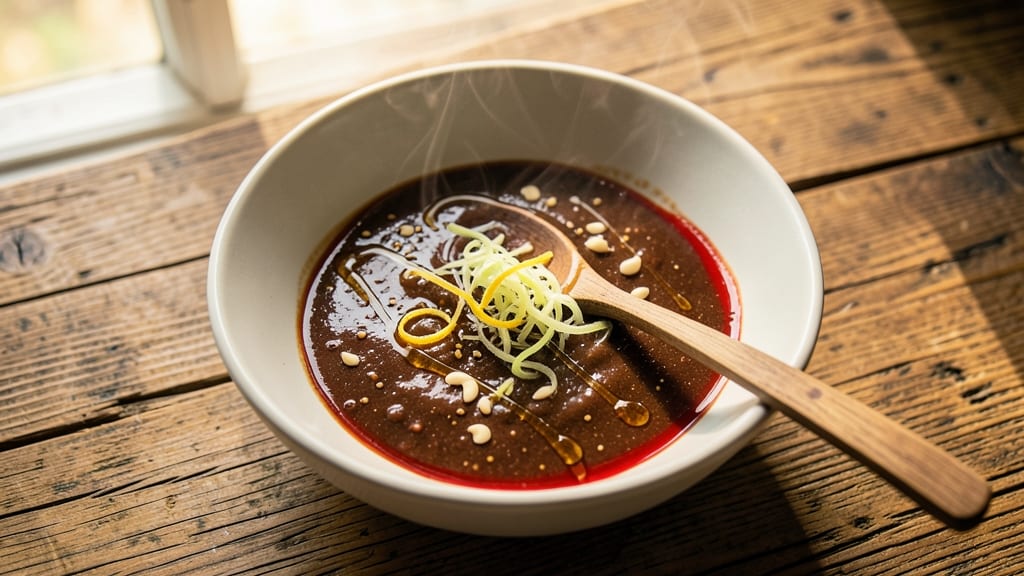
This Asian beef salad dressing recipe transforms simple ingredients into a bold, umami-rich drizzle that elevates any beef salad or marinade. The secret lies in balancing salty soy sauce with bright ginger and aromatic sesame oil, creating a sauce that's both complex and easy to make.
I developed this recipe after years of testing—it's the perfect harmony of savory, spicy, and slightly sweet notes that cling beautifully to greens and beef.
The beauty of this dressing is its versatility. Whisk together just five core ingredients—soy sauce, sesame oil, rice vinegar, honey, and fresh ginger—for a sauce that's ready in minutes.
The ginger adds a subtle kick, while the honey balances the acidity, making it ideal for everything from quick lunches to restaurant-quality beef salads. Unlike store-bought versions, this one stays fresh for up to a week in the fridge, with flavors deepening over time.
What makes this dressing truly special is how it transforms ordinary beef salads into something extraordinary. The sauce clings to greens without overwhelming them, and its rich umami flavor enhances the natural taste of beef.
Whether you're drizzling it over a hearty salad or using it as a marinade, this dressing delivers restaurant-quality results with minimal effort. The best part? You can adjust the sweetness or spice level to suit your taste.
For an extra layer of flavor, consider adding a splash of sriracha or a dash of garlic powder. This dressing is your secret weapon for quick, flavorful meals that taste like they took hours to prepare. Let's get started!
Ingredients for asian beef salad dressing
Five core ingredients plus a few optional extras. This dressing is all about balance—salty, sweet, and spicy.
| Ingredient | Amount | Notes |
|---|---|---|
| Soy Sauce 🍶 | ½ cup | Light or dark variety preferred |
| Sesame Oil 🫒 | 2 tbsp | Toasted sesame oil for aroma |
| Rice Vinegar 🍶 | ¼ cup | White or seasoned variety |
| Honey 🍯 | 2 tbsp | Or maple syrup for vegan option |
| Fresh Ginger 🧄 | 1 ½ tbsp | Finely grated, fresh preferred |
| Garlic Cloves 🧄 | 1 whole | Minced, optional for extra flavor |
| Sriracha 🌶️ | 1 tbsp | Adjust for heat preference |
| Sesame Seeds 🌾 | 1 tsp | Toasted, for garnish |
| Salt 🧂 | ½ tsp | Kosher or sea salt |
| Black Pepper 🌶️ | ¼ tsp | Freshly ground preferred |
The soy sauce is your flavor foundation—Kikkoman or La Choy are solid choices, but any good-quality brand works. For sesame oil, toasted is non-negotiable—regular sesame oil lacks that nutty aroma. I grab mine from the Asian aisle at Trader Joe's or Costco for the best price. Fresh ginger is a must; dried lacks the bright zing. Peel it first, then grate it using the fine side of a box grater. The garlic is optional but adds depth—just one clove keeps it subtle. Pro tip: Toast the garlic in the oil for 10 seconds before adding the rest of the ingredients.
No honey? Maple syrup or agave works just as well—adjust to taste. Short on ginger? Dried ginger at half the amount gets you close, but it won’t be as vibrant. The sriracha is where you can play—skip it for mild, or add more for heat. If you’re out of rice vinegar, apple cider vinegar works in a pinch, though it’ll taste slightly different. For the sesame seeds, toast them in a dry pan for 30 seconds until fragrant—they’ll add texture and extra aroma. And if you’re making this for a crowd, double the batch; it keeps beautifully in the fridge.
This dressing stays fresh for up to a week in an airtight jar in the fridge. The flavors actually deepen over time, so make extra if you can. For leftovers, give it a quick whisk before using—it’ll thicken slightly as it sits. If it separates, just stir it vigorously. Store it in a glass jar with a tight lid to preserve the aroma. And trust me, it’s worth the effort—this is the kind of dressing that makes even a simple beef salad taste like a restaurant dish.
Why You'll Love This Recipe
- 5-Ingredient Magic: I swear by this combo—just stir, taste, adjust. That’s it. No fancy techniques, no waiting for anything to bloom. The ginger and sesame oil do all the heavy lifting while I’m still debating what to have for dinner.
- Umami Bomb: The soy and honey team up like old friends—sweet, salty, and just a little funky. Add that fresh ginger? It’s the kind of dressing that makes you lick the bowl, no exaggeration. (Yes, I’ve been there.)
- Dresses Everything: Slather it on grilled beef, drizzle over greens, or toss with cold noodles—it’s my secret weapon for lazy nights and fancy dinners. Honestly, I keep a jar in the fridge just because it’s that useful.
- Stays Fresh Forever: Make a big batch (I do) and it keeps for weeks in the fridge. No weird texture, no weird smells—just pure, reliable flavor. Between us, this is the dressing that actually improves over time.
Step-by-step instructions for Asian beef salad dressing
This umami-packed dressing comes together in minutes—no cooking required.
Grate the Fresh Ginger and Mince the Garlic
Start by finely grating the 1.5 tablespoons of fresh ginger using a microplane or the smallest holes on a box grater. You want the ginger to be almost paste-like—this ensures it dissolves completely into the dressing. Set it aside in a small bowl.
Next, peel and mince the 1 whole garlic clove into tiny pieces. I like to use the flat side of my chef's knife to press down on the clove while rocking it back and forth—this gives you those perfect minced bits without overworking the garlic. The fresh garlic adds a bright, aromatic punch that balances the richness of the soy sauce.
Whisk Together the Wet Ingredients
In a medium bowl, combine the 0.5 cup soy sauce, 0.25 cup rice vinegar, and 2 tablespoons honey. Give it a quick stir to mix everything together. The soy sauce and rice vinegar will start to create a light sheen on the surface—this is normal and indicates they're beginning to emulsify.
Add the grated ginger and minced garlic to the bowl. Stir again to fully incorporate. The mixture might look slightly cloudy at first, but don't worry—this will clear up as you whisk everything together. The ginger and garlic will infuse the dressing with their signature flavors, creating that perfect balance of spicy, sweet, and umami.
Add the Sriracha and Seasonings
Pour in the 1 tablespoon Sriracha and mix it in thoroughly. Start with a small amount if you're sensitive to heat—you can always add more later. The Sriracha brings a bright, spicy kick that cuts through the richness of the soy sauce and honey.
Add the 0.5 teaspoon salt and 0.25 teaspoon black pepper, then give everything another good stir. At this point, the dressing should be smooth and well combined. Taste it—you'll notice a complex blend of salty, sweet, tangy, and spicy flavors. If it needs more balance, adjust with a touch more honey for sweetness or a splash of rice vinegar for acidity.
Finish with Sesame Oil and Seeds
Drizzle in the 2 tablespoons sesame oil while whisking continuously. The oil will create a silky texture and add a nutty aroma that ties all the flavors together. Whisk until the dressing is completely smooth and emulsified—no streaks of oil should remain.
Finally, sprinkle in the 1 teaspoon sesame seeds and give it one last stir. These toasted seeds add a subtle crunch and visual appeal when drizzled over salads. The dressing is now ready to use—it should coat the back of a spoon with a glossy, velvety finish. Store any leftovers in an airtight container in the fridge for up to 1 week, shaking before use.
Pro Tips For Making Asian Beef Salad Dressing
- STRAIN THE GINGER: Fresh ginger adds depth, but tiny fibers make the dressing gritty—no matter how much you strain. Use a microplane, then press the pulp through a fine-mesh sieve with the back of a spoon. (Yes, it’s tedious, but your mouth will notice the difference.)
- WHISK HOT, NOT COLD: Mixing sesame oil and honey in cold ingredients creates a clumpy mess. Warm the soy sauce, rice vinegar, and ginger juice in a small saucepan until steaming (not boiling), then whisk in the honey and oil. The heat helps emulsify everything smoothly—no lumps, no extra work.
- MEASURE SESAME OIL LAST: A splash too much sesame oil can overpower the dressing. Add it last, just before tossing with the salad or beef, and taste as you go. You can always add more, but you can’t take it out.
- USE AGED SOY SAUCE: Generic soy sauce tastes flat in dressings. Swap it for dark or aged soy sauce—it’s richer, deeper, and cuts through the sweetness better. If you’re in a pinch, add a pinch of white miso paste to regular soy sauce for the same effect. (Trust me, it’s worth it.)
Storing and reheating your leftovers
Fridge Storage Basics
Store your dressing in a clean, airtight glass jar—I use 8-ounce mason jars from Ball—to preserve freshness and prevent absorption of fridge odors. The dressing will thicken slightly as it chills, so give it a quick whisk before using.
For best results, keep it in the back of the fridge where temperatures stay consistently 40°F or below. This ensures the ginger and garlic flavors remain vibrant for up to 1 week. 🧊
Freezing for Long-Term Use
While not ideal for this dressing (texture changes occur), you can freeze it in ice cube trays for up to 3 months. Portion into single-serving cubes, then transfer to a freezer bag with excess air removed.
Thaw overnight in the fridge before using—it’ll be slightly watery, so whisk in 1 tsp toasted sesame oil to restore consistency. I only recommend this for occasional use, as the ginger loses some brightness when frozen. ❄️
Reheating for Smooth Texture
If your dressing thickens too much in the fridge, gently reheat it by placing the jar in a bowl of warm water (not hot) for 1-2 minutes. Stir occasionally until it reaches room temperature—this reactivates the emulsifiers.
Avoid microwaving, as it can break the sauce's delicate balance. For extra richness, add ½ tsp sesame oil after reheating. 🔥
Reviving Separated Dressing
If the dressing separates (oil pooling on top), don’t toss it! Whisk vigorously for 1-2 minutes until fully re-emulsified. For stubborn separation, add 1 tsp rice vinegar and whisk again.
The acidity helps bind the ingredients back together. This happens more often with homemade dressings, but it’s easily fixed—no need to start over! 💫
Garnish Before Serving
Always garnish with toasted sesame seeds right before serving to maintain crispness. Toast 1 tsp seeds in a dry pan for 30 seconds until fragrant, then sprinkle over salads.
This adds visual appeal and a nutty crunch that contrasts beautifully with the smooth dressing. I also like a pinch of freshly cracked black pepper for extra depth. ✨
Adjusting Consistency
If your dressing is too thick, thin it with 1 tsp warm water or rice vinegar. For extra body, whisk in ½ tsp cornstarch mixed with 1 tsp water until smooth. The key is gradual adjustments—add just ¼ tsp at a time to avoid over-thinning.
This dressing is designed to be versatile, so don’t stress if it doesn’t match your first attempt perfectly! 💡
Nutrition facts
Frequently asked questions
Can I make this dressing without honey?
Swap the honey for 2 tablespoons maple syrup or agave nectar for a vegan option. If you prefer less sweetness, reduce to 1 tablespoon and add ½ teaspoon extra rice vinegar to balance flavors. The dressing will still taste rich and umami-packed, just with a slightly different sweetness profile.
How spicy should the dressing be?
Start with 1 tablespoon sriracha for mild heat, but adjust to taste—add up to 2 tablespoons for a spicier kick. For a non-spicy version, omit it entirely and boost flavor with an extra ½ teaspoon garlic powder or ½ teaspoon grated ginger. The dressing works beautifully in both mild and spicy variations.
Can I use this dressing as a marinade for beef?
Yes! This dressing makes an excellent marinade for beef, especially for stir-fry or grilled dishes. Use ½ cup of the dressing per pound of beef, marinate for 30-60 minutes (no longer, as the acidity can over-tenderize). For extra tenderness, add 1 teaspoon cornstarch to thicken slightly. The flavors will penetrate beautifully, giving your beef a savory, aromatic crust.
Why did my dressing separate?
Separation happens when oil and liquid ingredients aren’t fully emulsified. Whisk vigorously for 1-2 minutes to fix it! If it persists, add 1 teaspoon rice vinegar and whisk again. For future batches, ensure all ingredients are at room temperature before mixing, and whisk continuously until smooth. This dressing is forgiving—just a little extra effort brings it back together.
What salads pair best with this dressing?
This dressing shines on Asian-inspired salads like beef and watercress, sesame greens, or shredded cabbage with carrots. It also works well with cucumber salads, edamame salads, or even as a dip for spring rolls. The umami-sweet balance complements both fresh greens and heartier ingredients like grilled beef or tofu.