
Main Courses
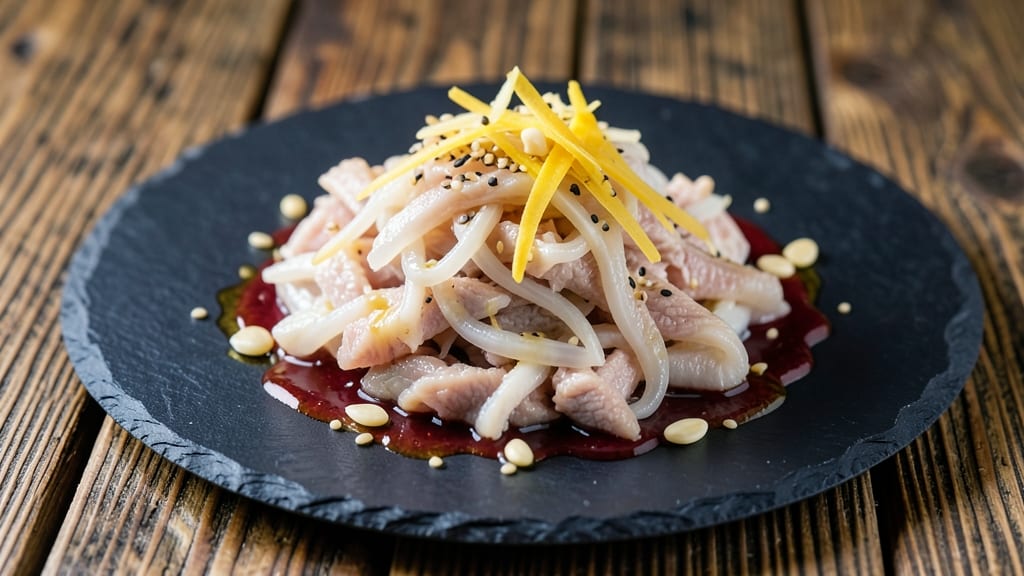
This Asian beef tartare recipe delivers restaurant-quality umami in every bite, blending fresh beef with bold ginger, chili, and sesame flavors. The key lies in proper preparation—using only the freshest cuts and marinating with traditional Asian seasonings to create a dish that's both vibrant and deeply flavorful.
Safety is critical, so we'll cover freezing techniques and handling tips to ensure perfect execution every time.
What sets this recipe apart is the balance of textures and flavors: tender beef, crisp garnishes, and a zesty marinade that packs heat and freshness. The marinade transforms simple beef into an aromatic masterpiece, while garnishes like scallions, sesame seeds, and pickled vegetables add visual appeal and contrasting textures.
This dish is perfect for special occasions or when you want to impress guests with a sophisticated yet approachable meal.
The process begins with selecting the right cut of beef—preferably tender, well-marbled beef that's been flash-frozen for safety. After thawing, the beef is finely chopped and tossed with a marinade of soy sauce, fresh ginger, chili, sesame oil, and garlic.
The result is a dish that's rich, slightly spicy, and bursting with umami, served with crisp garnishes that cut through the richness. Each bite is a harmonious blend of textures and flavors, making this tartare a standout dish.
Presentation is everything with this recipe, so we'll walk you through plating techniques to create a visually stunning dish. Whether you're serving it as an appetizer or a light main course, this Asian beef tartare is sure to leave a lasting impression.
Let's get started on creating a dish that's as beautiful as it is delicious.
Ingredients for asian beef tartare
Fresh beef meets bold Asian flavors—just 14 ingredients for restaurant-style tartare.
| Ingredient | Amount | Notes |
|---|---|---|
| Top-Round Beef 🥩 | 1 ½ lb | Flash-frozen, well-marbled, thawed |
| Fresh Ginger 🧄 | 2 tbsp | Finely grated, peeled |
| Fresh Garlic 🧄 | 4 cloves | Minced, peeled |
| Asian Chili Paste 🌶️ | 1 tbsp | Or sambal oelek for heat |
| Sesame Oil 🫒 | 1 tbsp | Toasted, light variety |
| Light Soy Sauce 🍶 | 3 tbsp | Kikkoman preferred |
| Sesame Seeds 🥜 | 1 tbsp | Toasted, for garnish |
| Scallions 🧅 | 4 whole | Thinly sliced, white/green parts |
| Lime 🍋 | 1 whole | Juiced, seeds removed |
| Pickled Ginger 🧄 | 2 tbsp | Thinly sliced, for garnish |
| Cucumber 🥒 | ½ whole | Peeled, seeded, thinly sliced |
| Kosher Salt 🧂 | 1 ½ tsp | Diamond Crystal preferred |
| Black Pepper 🌶️ | ½ tsp | Freshly cracked |
| Olive Oil 🫒 | 1 tbsp | For dredging beef |
The beef is everything here. Grab top-round or sirloin—both stay tender when flash-frozen. Costco or Whole Foods carry pre-frozen cuts perfect for tartare. Look for bright red meat with good marbling, not gray or slimy. Thaw it overnight in the fridge—never at room temperature. I always buy extra because it disappears fast, and the flavor gets better the next day once everything melds. If you can't find pre-frozen, ask the butcher to flash-freeze a fresh cut for you.
No Asian chili paste? Sambal oelek or sriracha work in a pinch, but taste first—some brands are way hotter. Fresh ginger is ideal, but if you're using dried, reduce to half the amount. The soy sauce matters too—Kikkoman is the gold standard, but any light soy will do. For sesame oil, toasted is non-negotiable—regular oil tastes flat. The cucumber should be crisp, not soggy. If yours is watery, sprinkle with salt and let it drain for 10 minutes. And yes, you can skip the pickled ginger if you hate spicy flavors, but it's worth it for that perfect balance.
This keeps best in the fridge for 1 day—after that, flavors fade fast. Store it in an airtight container with plastic wrap pressed right on top to keep out air. Garnishes like scallions and sesame seeds stay crisp for 2 days if sealed properly. For serving, I like to portion it into small ramekins—looks fancy and keeps everything fresh. If you're prepping ahead, freeze the beef separately and toss it with the marinade only when ready to serve.
Why You'll Love This Recipe
- No-Fuss Prep: I swear by this recipe because it’s the kind of dish where you just dice, mix, and serve—no searing, no braising, no waiting. Top-round beef stays tender when finely chopped, and the ginger and garlic? They’re prepped in minutes with a peeler and knife. Honestly, I’ve made it while scrolling through my phone.
- Umami Bomb: That chili paste and sesame oil combo? It’s what turns this from decent to ridiculously good. The heat lingers, the garlic sings, and the ginger adds this bright, zesty kick that cuts through the richness. (Yes, even on a Tuesday night.)
- Party or Pantry: Serve it as a fancy appetizer with crackers or toss it into rice bowls for a quick weeknight dinner. My roommates and I split a big batch for game night—some ate it straight, others mixed it into noodles. It’s that kind of dish.
- Budget Game-Changer: Top-round beef is lean but affordable, and a little goes a long way when finely chopped. I’ve stretched one pound into four servings, and the leftovers? Perfect for stir-fries or sandwiches the next day. No waste, all flavor.
Step-by-step instructions for Asian beef tartare
Let's transform that flash-frozen top-round beef into a vibrant, umami-packed tartare with bright ginger and chili notes.
Prep and Freeze the Beef for Perfect Texture
Start by cutting the 1.5 lb top-round beef into ¼-inch thick slices against the grain. Arrange them on a plate and freeze for 10 minutes—this ensures clean cuts and prevents the meat from bleeding too much when chopped. While it freezes, use a sharp knife to mince the 4 cloves fresh garlic and finely grate the 2 tbsp fresh ginger. The garlic should be almost paste-like, and the ginger should resemble wet sand.
Here's the thing—freezing the beef isn't just about texture. It also helps break down the fibers slightly, making the final tartare more tender. If you're using pre-frozen beef, skip this step and proceed directly to chopping. But if your beef is fresh, this 10-minute freeze is non-negotiable for the best results.
Chop the Beef into Uniform Bites
After the beef comes out of the freezer, transfer it to a cutting board and chop it into ¼-inch cubes. I like to work in batches—chop about ⅓ of the beef at a time so it doesn't warm up too much. The cubes should be consistent in size, around ½ teaspoon each, for even flavor distribution. Place the chopped beef in a large mixing bowl.
Don't worry if the beef looks a little dry at this stage—it'll absorb all the marinade and come back to life. If you're feeling fancy, you can even use a meat grinder for a more traditional tartare texture, but a sharp knife works just fine. Just make sure every piece is the same size so it cooks evenly in the marinade.
Build the Flavor-Packed Marinade
In a small bowl, whisk together the 3 tbsp light soy sauce, 1 tbsp sesame oil, 1 tbsp asian chili paste, 1.5 tsp kosher salt, and 0.5 tsp black pepper. This marinade is the heart of your tartare—don't skip the chili paste, as it adds that signature heat and depth. Pour this mixture over the chopped beef and use your hands (or a spoon) to gently toss everything together until the beef is fully coated.
Let the beef marinate for 15-20 minutes at room temperature. This isn't just about flavor—it's also about tenderizing the meat slightly. If you're short on time, you can reduce this to 10 minutes, but I promise the extra wait makes a difference. The beef should look glossy and slightly sticky after marinating, which means it's ready for the next step.
Add Aromatics and Garnishes
While the beef marinates, prep the remaining ingredients. Thinly slice the 4 whole scallions (white and green parts separated), juice the 1 whole lime (remove seeds), and peel and thinly slice the 0.5 whole cucumber. If you're using the white parts of the scallions, they'll add a milder, sweeter flavor, while the greens bring a sharper bite. The cucumber adds a refreshing crunch that cuts through the richness of the beef.
After the marinating time is up, add the sliced scallions (white and green parts), lime juice, and cucumber slices to the beef mixture. Gently fold everything together—you want to keep the beef cubes intact but distribute the garnishes evenly. The tartare should look vibrant and colorful at this point, with bright green cucumber and white scallions peeking through.
Plate and Serve with Confidence
Transfer the tartare to a serving platter or divide it among 4 plates (since this recipe serves 4). Sprinkle the 2 tbsp pickled ginger and 1 tbsp sesame seeds on top for garnish. The pickled ginger adds a tangy contrast to the rich beef, while the sesame seeds give a nutty crunch. Serve immediately while everything is fresh and vibrant.
Here's the moment that matters: pair this tartare with steamed rice or crispy rice crackers to soak up all the delicious juices. If you're feeling extra, drizzle a little more sesame oil over the top right before serving. The contrast of textures and temperatures—cool cucumber, tender beef, and crispy crackers—makes this tartare unforgettable. Enjoy it right away, as the flavors will meld even more over time.
Pro Tips For Making Asian Beef Tartare
- Freeze the Beef First: I learned this the hard way—skipping the 30-minute freeze makes the meat tough as boot leather. Toss the raw top-round in a sealed bag and pop it in the freezer right after buying. The cold shock tenderizes it, so when you dice it fine, it stays silky instead of fighting you.
- Grind the Ginger: Peeling and mincing fresh ginger is a hassle, but grating it on the fine side of a box grater makes all the difference. Press it through a strainer to remove fibers—no one wants to bite into a chunk mid-bite. (Yes, even if you’re impatient like me.)
- Balance the Chili Heat: Asian chili paste varies wildly in spice level, so taste before adding all of it. Mix a tiny spoonful with a splash of sesame oil first—if it’s too fiery, dilute it with a bit of soy sauce or lime juice. You can always add more, but you can’t take it out.
- Rest the Meat After Dicing: Don’t rush to toss everything together. Let the diced beef sit uncovered on a plate for 5 minutes—this lets it dry slightly and prevents a soggy tartare. (Your future self will thank you when it holds its shape instead of turning into a beefy puddle.)
Wine and beer pairings for these flavors
Rice Wine Pairings
For this Asian-inspired tartare, a crisp dry Japanese sake like Dassai Junmai (15% ABV) is my go-to choice. The delicate floral notes and subtle sweetness complement the ginger and chili while cutting through the richness of the beef.
Serve it slightly chilled (45-50°F) to enhance its refreshing qualities. 🍶
Light Beer Options
A Japanese lager such as Asahi Super Dry or Sapporo works beautifully with this dish. The clean, crisp profile and mild bitterness balance the umami flavors without overpowering them. For a local alternative, try a Pilsner—its citrusy notes pair wonderfully with the lime and ginger in the tartare.
Red Wine Contrast
If you prefer red wine, a light-bodied Pinot Noir from China's Yantai region offers an interesting contrast. Its bright acidity and red fruit notes harmonize with the chili and soy sauce while standing up to the beef's richness. Avoid heavy Cabernets—they'll clash with the dish's delicate flavors.
Non-Alcoholic Pairings
For a refreshing non-alcoholic option, try Yakult (Japanese fermented milk drink) or Ramune (Japanese soda). The slightly tangy Yakult balances the dish's richness, while the lychee-flavored Ramune adds a fruity contrast. Both are available at most Asian grocery stores or online.
Serving Temperature
No matter your choice, serve all beverages slightly chilled (45-50°F) to complement the cool textures of the tartare. The cold temperature helps refresh your palate between bites, making each mouthful feel even more vibrant. I always keep my drinks in an ice bucket while serving this dish. ❄️
Nutrition facts
Frequently asked questions
Why does the beef need to be flash-frozen for this recipe?
Flash-freezing kills any potential parasites and bacteria while keeping the beef tender. It also prevents bleeding during chopping, giving you clean, uniform pieces. Always use beef that's been properly frozen to 0°F for at least 7 days before serving. This is non-negotiable for food safety with raw dishes.
Can I substitute the beef cut for something else?
For best results, stick with top-round or sirloin—they stay tender when chopped. Avoid tougher cuts like flank steak, as they won't hold up well in tartare form. If you must substitute, try filet mignon, but it's pricier and less flavorful. The key is choosing well-marbled beef that's been properly frozen.
How do I adjust the spice level in this recipe?
Start with the 1 tbsp chili paste as written, then adjust based on your tolerance. For milder heat, reduce to ½ tbsp and add a pinch of sugar to balance. If you love spice, increase to 2 tbsp and add extra lime juice to cool the burn. Always taste before serving—you can't remove heat once added!
What's the best way to serve this tartare if I'm feeding a crowd?
Prep the beef and marinade separately, then combine just before serving. Use ramekins or small bowls for individual portions, and keep garnishes in separate bowls. This keeps everything fresh and makes plating easier. For crowd appeal, serve with rice crackers, cucumber slices, and extra lime wedges on the side.
Can I make this ahead of time?
No—tartare is best served immediately after assembly. The beef can marinate for up to 4 hours in the fridge, but don't add the cucumber or lime until the last 30 minutes to prevent sogginess. Prep garnishes separately and assemble everything just before serving for the freshest experience.