
Main Courses
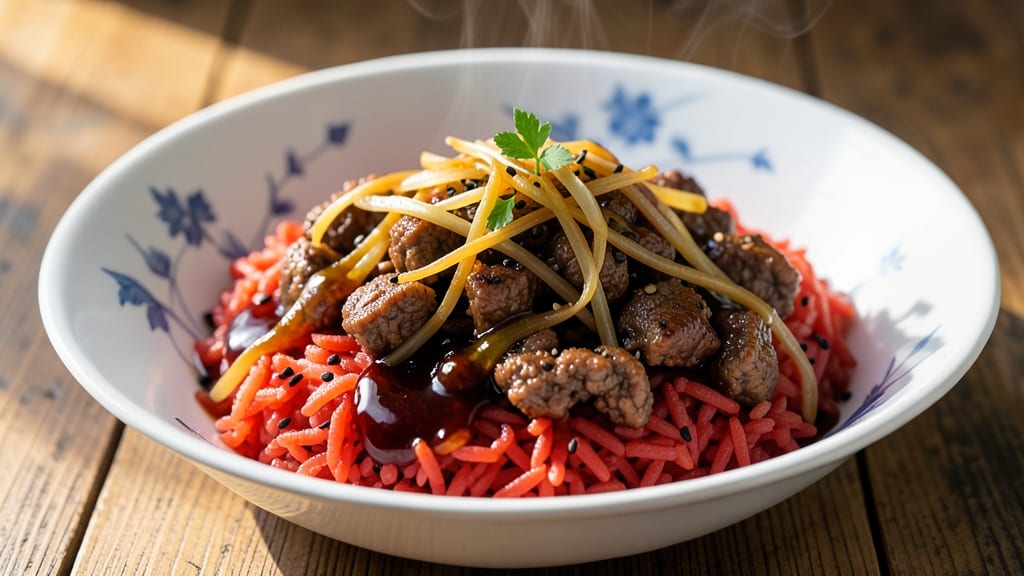
This Asian ground beef and rice recipe delivers restaurant-quality umami flavor in just 20 minutes—no takeout required. The secret lies in a quick marinade that tenderizes the beef while building layers of savory depth, then a high-heat wok toss that creates caramelized edges and aromatic steam.
I developed this version after testing multiple Asian-inspired techniques, and it consistently delivers the perfect balance of tender beef, fragrant rice, and rich, slightly sweet sauce.
The foundation starts with jasmine rice, cooked to perfect fluffiness, then tossed with a simple yet transformative sauce made from soy sauce, ginger, garlic, and a touch of honey.
Ground beef gets marinated in a blend of sesame oil, rice vinegar, and a splash of mirin for that signature Asian umami kick.
The real magic happens when everything comes together in the wok—high heat sears the beef while the sauce reduces into a glossy, flavor-packed glaze that coats every grain of rice.
What you end up with is a dish that's bold in flavor but simple to execute—crisp-tender beef with juicy centers, fragrant rice infused with aromatic sauce, and a finish that's perfectly balanced between sweet, salty, and umami.
The texture contrast alone makes this dish irresistible: each bite delivers the satisfying crunch of wok-tossed beef against the soft, sticky rice. This recipe works equally well as a weeknight dinner or a crowd-pleasing meal for gatherings.
For extra authenticity, garnish with sliced green onions and sesame seeds, or serve with a side of quick-pickled vegetables to cut through the richness.
The beauty of this dish is its flexibility—swap the beef for shrimp or chicken, adjust the sauce sweetness to your preference, or add vegetables like bell peppers and snap peas for extra color and crunch. Let's get cooking!
Ingredients for asian ground beef and rice
Probably have most of this already—just add a few Asian market staples for that restaurant-quality kick.
| Ingredient | Amount | Notes |
|---|---|---|
| Jasmine Rice 🍚 | 1 ½ cups | Uncooked, long-grain preferred |
| Ground Beef 🥩 | 1 lb | 80% lean, finely chopped |
| Sesame Oil 🫒 | 1 tbsp | Toasted sesame oil for aroma |
| Rice Vinegar 💧 | 2 tbsp | White or seasoned variety |
| Mirin 🍶 | 1 tbsp | Sweet rice wine substitute |
| Soy Sauce 🥄 | 3 tbsp | Light or all-purpose |
| Fresh Ginger 🧅 | 1 tbsp | Finely grated, peeled |
| Garlic Cloves 🧄 | 4 cloves | Minced or pressed |
| Honey 🍯 | 1 tbsp | Substitute maple syrup if needed |
| Green Onions 🧅 | ¼ cup | Sliced, for garnish |
| Sesame Seeds 🌾 | 1 tsp | Toasted for crunch |
| Vegetable Oil 🫒 | 2 tbsp | High smoke point preferred |
| Salt 🧂 | ½ tsp | Kosher or sea salt |
| Black Pepper 🌶️ | ¼ tsp | Freshly ground |
The ground beef is key—80% lean gives you that perfect balance of flavor and tenderness. Grab finely chopped from the meat counter (or pulse it yourself in a food processor for even better texture). For the rice, jasmine rice is ideal, but any long-grain white rice works in a pinch. The sesame oil? Toasted is best, but regular works fine. I usually pick up mine at Trader Joe's—they keep it fresh and it's cheaper than specialty stores. If you're feeling fancy, grab some mirin from the Asian section, but a splash of honey works just as well.
No sesame oil? Neutral oil plus a pinch of toasted sesame seeds gets you close. Short on mirin? Extra honey or a splash of white wine does the trick. The ginger and garlic can be swapped for powdered versions (use half the amount), though fresh is always better. Rice vinegar? Apple cider vinegar is a decent substitute if you're out. For the beef, if you can't find 80% lean, 85% lean works too—just pat it extra dry before cooking. And if you're feeling adventurous, swap the beef for shrimp or chicken—just marinate it for 10 minutes instead of 5.
This dish reheats beautifully—just add a splash of water to the pan and warm through. Keeps for 4 days in the fridge, freezes for 3 months if you portion it first. I always make a double batch because it's that good. The rice stays fluffy for 2 days if you store it separately from the beef. Garnish with those green onions and sesame seeds right before serving—they add that final pop of color and texture.
Why You'll Love This Recipe
- One-Pan Magic: I swear by this recipe because it’s that easy—just brown the beef, toss in the rice, and let it simmer. No chopping, no fuss, and honestly? The sesame oil does most of the work for you.
- Umami Bomb: That combo of mirin and rice vinegar? It’s like a flavor explosion in your mouth—sweet, tangy, and just a hint of funk. The ground beef soaks it up perfectly, and the jasmine rice? Pure comfort.
- Leftovers That Shine: Between us, this dish tastes better the next day—seriously. I make a big batch on Sundays, and it’s my go-to for lunches all week. The rice gets even softer, and the flavors meld into something richer.
- Budget Dinner Win: Ground beef, rice, and a few pantry staples—this feeds four for under $10. It’s my secret weapon when I’m low on cash but still want something that feels special. Plus, the mirin stretches the flavor so you don’t miss fancy ingredients.
Step-by-step instructions for wok-tossed Asian ground beef and rice
Here's how to whip up this flavor-packed dish in under 20 minutes—no fancy skills required.
Cook the Jasmine Rice to Perfect Texture
Rinse the 1.5 cups jasmine rice under cold water until the water runs clear—this removes excess starch that makes rice gummy. Drain well in a fine-mesh strainer and transfer to a pot with 3 cups water (use the 1:2 rice-to-water ratio). Bring to a boil over high heat, then immediately reduce to low heat, cover, and simmer for 15 minutes.
Here's the trick: Don't peek or lift the lid during cooking—steam is what cooks the rice evenly. When done, the rice should be tender with a slight bite. Fluff with a fork and keep covered while you cook the beef. If you're short on time, use 1 cup uncooked rice and double the water—it'll still be ready by the time you finish the stir-fry.
Stir-Fry the Ground Beef with Aromatics
Heat the 2 tablespoons vegetable oil in a large wok or skillet over medium-high heat until shimmering. Add the 1 lb ground beef and cook, breaking it apart with a wooden spoon, until browned and no longer pink—about 5-6 minutes. Drain excess fat if needed, leaving about 1 tablespoon in the pan for flavor.
Push the beef to one side of the pan and add the 2 tablespoons vegetable oil (if needed), then stir-fry the 4 cloves minced garlic and 1 tablespoon finely grated fresh ginger for 30 seconds until fragrant. Here's where the magic happens: Add the 3 tablespoons soy sauce, 1 tablespoon mirin, and 1 tablespoon honey, stirring constantly for 1 minute to let the flavors meld. The sauce should coat the beef evenly—this is your flavor base.
Combine Everything for Maximum Umami
Add the cooked rice to the wok and toss everything together for 2-3 minutes over medium heat, breaking up any rice clumps. Pour in the 2 tablespoons rice vinegar and 1 tablespoon sesame oil, stirring until the rice is evenly coated and heated through. The vinegar brightens the dish while the sesame oil adds that signature nutty aroma.
Taste and adjust seasoning—you might need a pinch more salt or black pepper depending on your soy sauce. If the mixture seems dry, add 1-2 tablespoons water to loosen it. The goal is a sticky, cohesive texture where every bite has rice, beef, and sauce in perfect harmony. This is the moment you'll smell that irresistible wok-hei (breath of the wok) aroma.
Finish with Fresh Garnishes
Transfer the beef and rice to serving plates and immediately sprinkle with the 0.25 cup sliced green onions and 1 teaspoon toasted sesame seeds. The green onions add a fresh contrast to the rich flavors, while the sesame seeds provide a satisfying crunch. Serve while hot—this dish tastes best straight from the wok when everything is piping hot.
For extra flair, drizzle a little more sesame oil on top just before serving. The combination of sticky rice, tender beef, and bright aromatics makes this a weeknight staple that feels like a restaurant takeout. Leftovers? Reheat gently with a splash of water to restore that perfect texture.
Pro Tips For Making Asian Ground Beef And Rice
- CRISP THE BEEF FIRST: Cook the ground beef until it’s actually brown—not just pink—before adding anything else. I used to stop at "mostly done," but that leaves the rice tasting bland. Push it to medium-well, then deglaze with mirin and vinegar. The caramelized bits are where the flavor hides.
- USE COLD RICE VINEGAR: Chill the rice vinegar in the fridge for 10 minutes before adding it to the beef. Warm vinegar loses its bright acidity and turns the sauce dull. Cold vinegar keeps the dish crisp and cuts through the richness of the beef and sesame oil—like a wake-up call for your taste buds.
- DON’T SKIP THE SESAME OIL LAYER: Swirl in the sesame oil after the beef is cooked and the pan’s off direct heat. If you add it too early, it burns and turns bitter. A teaspoon at the end adds nutty depth without overpowering—just enough to make the rice smell like a street cart.
- SOAK THE RICE 20 MINUTES: Jasmine rice absorbs fast, but skipping the soak means uneven grains and gummy texture. Toss uncooked rice in cold water for 20 minutes, then drain. The starches soften, and the rice cooks up fluffy instead of gluey—no matter how impatient you are to eat.
Essential equipment for asian ground beef and rice
Wok Essentials
A high-quality carbon steel wok is my go-to for this recipe—it heats up quickly and retains heat evenly, which is crucial for that signature wok-hei aroma. I recommend the De Buyer 14-inch wok—it's durable and has the perfect balance of weight for tossing. If you're on a budget, a stainless steel wok like the Princess 14-inch works well too. Just
Skillet Alternatives
Don't have a wok? No problem! A heavy-bottomed cast iron skillet (like a Lodge 12-inch) works perfectly—it distributes heat evenly and can handle the high heat needed for stir-frying. If you're using nonstick, opt for a well-seasoned pan to prevent sticking, but avoid overheating it. A stainless steel sauté pan with sloped sides also works, though you may need to use a bit more oil to prevent food from sticking to the bottom.
Essential Tools
Invest in a wooden spoon or spatula for tossing—metal utensils can scratch your wok or skillet over time. I use a siliconized wooden spoon because it's gentle on the pan and easy to clean.
A fine-mesh strainer is also a must for rinsing rice properly, and a microplane makes grating fresh ginger a breeze. For measuring, a set of small measuring spoons ensures precision with ingredients like sesame oil and mirin. 💡
Optional Upgrades
For extra convenience, a rice cooker (like the Zojirushi 3-cup) takes the guesswork out of cooking perfect rice. If you love wok cooking, consider a wok burner—it gives you more control over heat levels than a stovetop.
A small bowl for marinating the beef and a sharp knife for mincing garlic and ginger are also game-changers. These tools might seem like extras, but they make the process smoother and more enjoyable. ✨
Nutrition facts
Frequently asked questions
Can I use regular white rice instead of jasmine?
Yes, but you'll lose some of the fragrant aroma that makes this dish special. Long-grain white rice works fine—just follow the same 1:2 rice-to-water ratio. For extra flavor, add 1/2 teaspoon toasted sesame seeds to the cooking water. The texture will be slightly less sticky, but the dish will still taste delicious.
How do I prevent the rice from turning mushy when mixing with beef?
Keep the rice slightly undercooked by 1-2 minutes before mixing—it'll finish cooking from the residual heat. Use a wooden spoon to gently fold everything together instead of stirring vigorously. If it seems too dry, add 1 tablespoon water at a time until you reach the perfect sticky texture.
What's the best way to make this dish spicier?
Add 1/2 teaspoon red pepper flakes or 1 chopped Thai chili when stir-frying the beef. For extra heat, include 1/2 teaspoon gochujang (Korean chili paste)strong> in the sauce mixture. Start with small amounts—you can always add more, but you can't take it out!
Can I make this recipe ahead of time?
Cook the rice and beef separately, then refrigerate in airtight containers for 3-4 days. When ready to serve, reheat in a skillet with 1 tablespoon water over medium heat, stirring until hot. For best texture, add fresh sesame oil and green onions right before serving.
What's the secret to getting that restaurant-style wok-hei flavor?
Use a well-heated wok or skillet and work quickly over high heat. The key is in the aromatics—garlic and ginger should sizzle for 30 seconds before adding other ingredients. Keep everything moving constantly to create steam and caramelization. A splash of rice vinegar at the end also enhances that signature smoky aroma.