
Main Courses
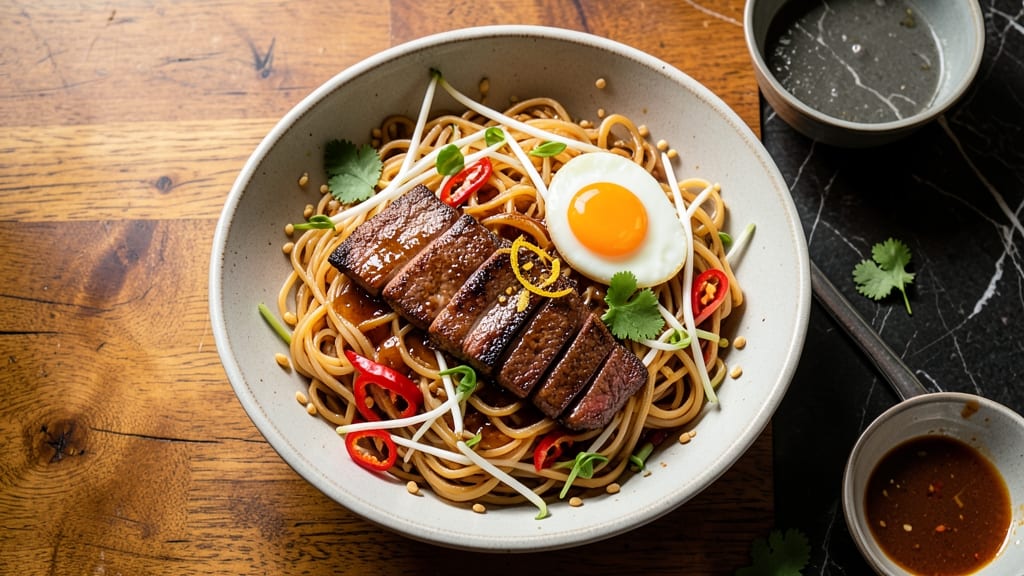
This authentic beef pad Thai recipe delivers the perfect harmony of wok-tossed noodles, tender beef, and a tangy tamarind sauce that balances sweet, spicy, and umami flavors.
The key lies in high-heat stir-frying and the signature Thai ingredients—rice noodles, fish sauce, and lime—that transform this dish into a restaurant-quality experience at home. I’ve perfected the technique over years of testing, ensuring the sauce clings to every strand of noodle while keeping the beef perfectly tender.
The magic happens in the sauce, where tamarind paste and palm sugar create that signature sweet-sour profile, while chili flakes and fish sauce add depth. You’ll need a wok or large skillet for that signature "wok hei" smokiness, but even a well-seasoned pan works.
The dish comes together in under 30 minutes, making it ideal for weeknight dinners or weekend gatherings when you crave bold, flavorful comfort food.
What sets this recipe apart is the texture—chewy rice noodles, crisp-tender beef, and fresh garnishes like bean sprouts, crushed peanuts, and a squeeze of lime. Each bite delivers a perfect balance of flavors and textures, with the sauce coating the noodles just enough to keep them from sticking.
The aroma alone—spicy, tangy, and slightly sweet—will have everyone at the table asking for seconds.
Serve it with a simple cucumber salad to cut through the richness or pair it with a cold Thai iced tea for the full experience. The beauty of this recipe is its versatility: it’s hearty enough for a main course but light enough for lunch. Let’s get cooking!
Ingredients for authentic beef pad thai
Rice noodles, tender beef, and tangy tamarind sauce create this authentic Thai masterpiece.
| Ingredient | Amount | Notes |
|---|---|---|
| Rice Noodles 🍜 | 8 oz | Flat, medium-width, uncooked |
| Flank Steak 🥩 | 1 lb | Thinly sliced against grain |
| Eggs 🥚 | 2 whole | Fresh, room temperature |
| Tamarind Paste 🍯 | ½ cup | Thick, unsweetened |
| Palm Sugar 🍬 | ¼ cup | Or substitute brown sugar |
| Fish Sauce 🐟 | ¼ cup | Red Boat brand preferred |
| Soy Sauce 🍶 | ¼ cup | Light or regular |
| Garlic Cloves 🧄 | 6 cloves | Minced, fresh |
| Lime Juice 🍋 | ½ cup | Freshly squeezed |
| Vegetable Oil 🫒 | ½ cup | High smoke point |
| Bean Sprouts 🌱 | 2 cups | Fresh, rinsed |
| Crushed Peanuts 🥜 | ¼ cup | Unsalted, toasted |
| Fresh Chili Flakes 🌶️ | 1 tbsp | Adjust to taste |
| Cilantro Leaves 🌿 | ¼ cup | Chopped, for garnish |
| Salt 🧂 | 1 tsp | Kosher or sea salt |
The flank steak is non-negotiable for authentic texture—it needs to be thinly sliced against the grain for that signature chew. Ask your butcher to slice it if you can't do it yourself, or freeze it for 30 minutes before slicing. Thai markets often sell pre-sliced beef for pad Thai, but if you're using regular flank steak, look for good marbling. The rice noodles? Thai Kitchen brand is my go-to—they soak perfectly and hold up to wok-tossing. Avoid the pre-cooked kind; you want raw noodles for that perfect chewy texture. For tamarind paste, Mae Ploy is the gold standard, but any thick, unsweetened paste works—just avoid the sweetened kind in jars.
No tamarind paste? Lemon juice plus 1 tbsp molasses gets you close, though it won't be identical. Palm sugar hard to find? Brown sugar works in a pinch, but the flavor won't be quite the same. Fish sauce is essential—Red Boat is the most reliable brand for authentic flavor. If you're avoiding fish sauce, soy sauce plus a splash of vinegar can mimic some of the umami, but nothing beats the real deal. The bean sprouts should be crisp—soak them in ice water for 10 minutes before using if they feel limp. For the peanuts, toast them in a dry pan for 2-3 minutes until fragrant—that aroma is everything. The chili flakes? Adjust to taste, but don't skip them—they're what gives pad Thai its signature kick.
Prep ahead to save time: soak the noodles until just tender (about 20 minutes), then drain and toss with a little oil to prevent sticking. The beef can be sliced and marinated in soy sauce for up to 2 hours ahead. Store leftovers in airtight containers for 3 days in the fridge—the flavors actually improve overnight as everything melds. Reheat gently with a splash of water to keep the noodles from drying out. This dish reheats beautifully, so it's perfect for meal prep. Just add fresh garnishes when serving to keep everything vibrant.
Why You'll Love This Recipe
- No-Soaking Needed: I swear by this trick—just rinse the rice noodles in warm water for 2 minutes, and they’re ready. No waiting, no stress, and they still hold up perfectly when tossed with that tangy tamarind sauce.
- Tamarind Magic: That sticky, sweet-sour tamarind paste? It’s the secret weapon. One spoonful balances the rich flank steak and palm sugar so the flavors sing—like a perfect harmony where nothing tastes out of place.
- Leftover Reinvention: Pad Thai reheats like a dream, but here’s the real win: turn tomorrow’s leftovers into a quick fried rice or wrap them in a tortilla with extra herbs. My kids beg for it the second day.
- Budget-Friendly Protein: Flank steak stretches further than you’d think when sliced thin and marinated in fish sauce and lime. A pound feeds four, and the tamarind and eggs make it feel like a restaurant dish without the price tag.
Step-by-step instructions for authentic beef Pad Thai
Master the wok technique and flavor balance for restaurant-quality Pad Thai at home.
Prepare the Tamarind Sauce Base
In a small bowl, combine the 0.5 cup tamarind paste, 0.25 cup palm sugar, 0.25 cup fish sauce, and 0.25 cup soy sauce. Whisk vigorously until the tamarind paste dissolves completely and the mixture becomes smooth. This sauce is the heart of your Pad Thai—its tangy, salty, and slightly sweet profile will carry the dish.
Taste and adjust the balance: add a pinch more palm sugar if it's too tart, or a splash of fish sauce if it needs more umami depth. The sauce should coat the back of a spoon with a glossy sheen. Set it aside while you prepare the remaining ingredients—this sauce will be your flavor anchor throughout the cooking process.
Cook the Flank Steak and Bean Sprouts
Heat 0.2 tablespoons vegetable oil in a wok or large skillet over high heat until shimmering. Add the 1 lb flank steak (sliced thinly against the grain) and stir-fry for 2-3 minutes until the beef turns a deep, glossy brown and is nearly cooked through. Remove the steak and set aside—it will finish cooking when combined with the noodles.
In the same wok, add the remaining 0.3 tablespoons vegetable oil and swirl to coat. Toss in the 2 cups bean sprouts and stir-fry for 1-2 minutes until they just begin to wilt but still retain a vibrant green color. The high heat ensures they stay crisp rather than turning mushy. Remove the sprouts and set aside with the beef.
Scramble the Eggs and Cook the Noodles
In the same wok, reduce the heat to medium and add the 2 whole eggs. Scramble them quickly for 30-45 seconds until they're just set but still slightly runny—this texture is crucial for authentic Pad Thai. Remove the eggs and set aside.
Return the wok to high heat and add 0.2 tablespoons vegetable oil. Add the 8 oz rice noodles and toss vigorously for 1-2 minutes until they're pliable and just beginning to soften. Immediately pour in 2 cups hot water (just boiled) and stir constantly for 30 seconds until the noodles absorb the water and become tender. Drain any excess water and return the noodles to the wok.
Combine Everything with the Sauce
Pour the tamarind sauce over the cooked noodles and toss vigorously for 1-2 minutes until the noodles are fully coated and the sauce clings to them. Add the cooked beef, bean sprouts, and scrambled eggs back to the wok. Toss everything together for another 1-2 minutes until the beef is heated through and the flavors meld.
Push the noodles to one side of the wok and add the 6 cloves minced garlic. Stir-fry for 10-15 seconds until fragrant—this adds a final layer of aromatic depth. Finish with the 0.5 cup lime juice, 1 tbsp fresh chili flakes, and 1 tsp salt, tossing everything together until evenly distributed. The lime brightens the dish, while the chili flakes add a subtle kick.
Serve with Garnishes and Crushed Peanuts
Transfer the Pad Thai to serving plates and immediately garnish with the 0.25 cup chopped cilantro leaves and 0.25 cup crushed peanuts. The peanuts add a satisfying crunch and nutty contrast to the tender noodles and savory beef. Serve while hot, with additional lime wedges on the side for squeezing over each bite.
Each bite should deliver a perfect balance of textures—chewy noodles, tender beef, crisp sprouts, and crunchy peanuts—all harmonized by the tangy, umami-rich sauce. The dish should be vibrant, flavorful, and authentically Thai, with every element working together in perfect proportion.
Pro Tips For Making Authentic Beef Pad Thai
- STIR-FRY STEAK FAST: Slice flank steak thin—about ⅛-inch thick—and freeze it for 20 minutes first. This keeps it from shrinking into tough, chewy strips while you stir-fry. I used to skip this, and my beef always ended up rubbery. Trust me, the cold shock makes a real difference.
- SOAK NOODLES JUST ENOUGH: Rice noodles only need 10-15 minutes in warm water—no longer, or they’ll turn mushy. Drain them well and toss with a splash of oil to prevent sticking. I learned this the hard way after serving a bowl of glue-like noodles to hungry friends.
- TEMPER EGGS LIKE A PRO: Heat oil until it shimmers (not smoking) and crack eggs in one at a time. Let them sit 5 seconds before stirring—this gives them time to set slightly on the bottom for that classic runny-yet-firm texture. Rushing this step means scrambled eggs, not silky ribbons.
- BALANCE TAMARIND AND SUGAR: Start with half the tamarind paste called for, taste, then adjust. Palm sugar should melt into the sauce, not sit as gritty crystals. I was skeptical until I tried it—now I never overdo either, or the dish tastes like dessert or vinegar.
Troubleshooting great authentic beef pad thai
Sauce Too Thin?
If your tamarind sauce feels too watery, reduce it by simmering over low heat for 3-5 minutes while stirring constantly. For extra thickness, whisk in 1 tbsp cornstarch mixed with 1 tbsp water and cook until it reaches a syrupy consistency.
The sauce should coat the back of a spoon without dripping—this ensures every noodle strand gets that signature sticky coating. 💡
Noodles Turning Mushy
Overcooking rice noodles is the #1 mistake. Soak them in hot water for exactly 20-25 minutes (check package instructions), then drain immediately. Toss them with 1 tsp oil to prevent sticking while prepping other ingredients.
If they start to soften too much during cooking, add 1-2 tbsp cold water to the wok and toss vigorously—the high heat will revive their chewy texture. ❄️
Beef Overcooked or Tough
Flank steak must be sliced thinly against the grain (about ⅛-inch thick) and cooked for only 2-3 minutes at high heat. If using pre-sliced beef, check for marbling—fat keeps it tender.
For extra tenderness, marinate the beef in 2 tbsp soy sauce for 30 minutes before cooking. Remove it from the wok when it's 80% cooked—it finishes in the sauce. 🥩
Eggs Too Dry
Scrambled eggs in Pad Thai should be just set but still slightly runny—this texture is essential! Use high heat and scramble for 30-45 seconds max. If your eggs turn out dry, add 1 tsp water to the wok while scrambling.
For extra creaminess, whisk the eggs with 1 tbsp water before cooking. The runny edges create that signature "wet" texture. 🥚
Lacking Tangy Flavor
Tamarind paste is non-negotiable for authentic flavor. If your sauce tastes flat, boost the tang with 1 tbsp lime juice or ½ tsp vinegar. For extra depth, add ½ tsp white pepper or a pinch of ground coriander to the sauce.
The balance should be sweet (palm sugar), salty (fish sauce), and sour (tamarind/lime). Taste as you go—adjust one component at a time. 🍋
Peanuts Not Crunchy
Freshly toasted peanuts are a game-changer. Heat ¼ cup crushed peanuts in a dry pan over medium heat for 2-3 minutes until fragrant and lightly golden.
Let them cool completely before adding to the dish—this prevents them from turning greasy. Store extra peanuts in an airtight container to maintain crunch. 🥜
Nutrition facts
Frequently asked questions
Why is tamarind paste essential for authentic Pad Thai?
The tangy, complex flavor of tamarind paste creates the signature sweet-sour balance that defines Pad Thai. It's impossible to replicate perfectly with substitutes like lemon juice—tamarind's unique depth comes from its natural acidity and subtle bitterness. Look for thick, unsweetened paste in Asian markets for the best results.
Can I make this recipe without a wok?
A heavy-bottomed skillet or even a large frying pan works perfectly. The key is maintaining high heat for quick cooking—this prevents the noodles from turning mushy. Just make sure your pan is well-seasoned or properly oiled to achieve that signature "wok hei" smokiness.
How do I adjust the spice level?
Start with the 1 tbsp chili flakes called for, then adjust to taste. For milder heat, reduce to ½ tbsp or omit entirely. For extra spice, add fresh chili slices or a dash of sriracha when serving. Remember, the sauce can be adjusted before cooking, while the garnishes let you customize each serving.
What's the best way to store leftovers?
Let the Pad Thai cool completely, then store in an airtight container in the fridge for up to 3 days. Reheat gently with a splash of water to prevent drying—microwaving without moisture will make the noodles rubbery. For best texture, add fresh garnishes when reheating.
Can I substitute chicken or tofu for the beef?
Yes! For chicken, use 1 lb boneless thighs sliced thinly. For tofu, press and slice 1 block firm tofu into matchsticks, then pan-fry until crispy. Both work well, though beef's rich flavor is traditional. Adjust cooking time—chicken needs 3-4 minutes while tofu cooks in 2 minutes at high heat.