
Soups & Stews
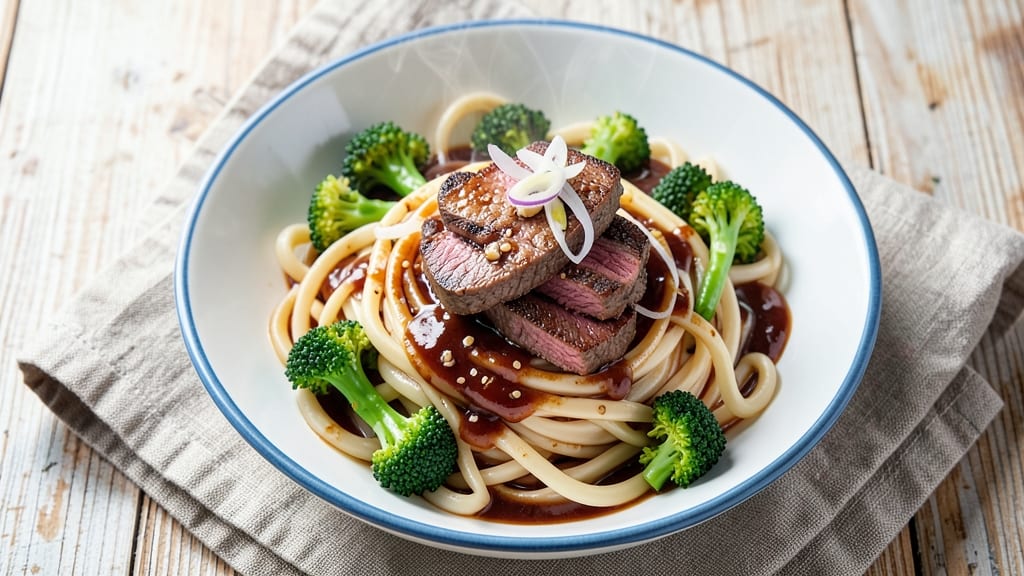
This beef and broccoli udon noodles recipe delivers restaurant-quality results with silky noodles and crisp-tender beef that practically melts in your mouth. The secret lies in marinating the beef just right—enough to infuse flavor without overpowering its natural richness—and stir-frying everything at high heat for that perfect texture contrast.
I've perfected this dish after years of testing, ensuring every bite balances savory, slightly sweet, and umami notes harmoniously.
The foundation starts with properly cooked udon noodles—fresh or dried, but always boiled to al dente perfection before tossing with the beef and broccoli. While the beef develops its signature caramelized crust, the broccoli stays crisp-tender, retaining its vibrant green color and satisfying bite.
A simple yet flavorful sauce ties everything together, creating a silky coating that clings to every strand of noodle and piece of beef.
What you'll end up with is a dish that's both comforting and elegant—warm, aromatic, and packed with texture. The beef remains juicy inside while developing a subtle crust, the broccoli adds freshness, and the udon noodles provide that satisfying chewy yet tender bite.
This recipe is designed to impress without requiring advanced techniques, making it perfect for weeknight dinners or special occasions.
Serve immediately for the best experience, as the noodles absorb the sauce beautifully when hot. Pair with steamed greens or a simple side salad to round out the meal. The combination of textures and flavors makes this dish incredibly satisfying, and the leftovers reheat wonderfully for lunch the next day.
Ingredients for beef and broccoli udon noodles
Silky noodles, crisp-tender beef, and vibrant broccoli come together in this restaurant-style stir-fry masterpiece.
| Ingredient | Amount | Notes |
|---|---|---|
| Udon Noodles 🍜 | 8 oz | Fresh or dried, al dente cooked |
| Flank Steak 🥩 | 1 lb | Thinly sliced against grain |
| Broccoli Florets 🥦 | 4 cups | Fresh, cut into bite-sized pieces |
| Garlic Cloves 🧄 | 4 cloves | Minced for marinade |
| Vegetable Oil 🫒 | 2 tbsp | High smoke point preferred |
| Soy Sauce 🍶 | ½ cup | Light or all-purpose |
| Sesame Oil 🫒 | 1 tbsp | Toasted, for finishing |
| Ginger Root 🌿 | 1 tbsp | Freshly grated |
| Brown Sugar 🍯 | 2 tbsp | Light or dark |
| Cornstarch 🌾 | 1 tbsp | For beef marinade |
| Green Onions 🧅 | 3 whole | Thinly sliced for garnish |
| Sesame Seeds 🌰 | 1 tbsp | Toasted, for garnish |
| Salt 🧂 | 1 tsp | Kosher or sea salt |
| Black Pepper 🌶️ | ½ tsp | Freshly ground |
The beef is everything here—flank steak gives you that perfect balance of tenderness and chew. Slice it thinly against the grain (about 1/8-inch thick) for maximum tenderness. Costco or Whole Foods carry pre-sliced versions, but if you're slicing yourself, keep the knife sharp and work quickly. The udon noodles? Fresh is ideal, but dried works too—just check the package for cooking time. They should be al dente when done, not mushy. Broccoli's the unsung hero here—pick florets with vibrant green stems, not yellowing ones. The florets should snap when bent, not feel rubbery.
No flank steak? Sirloin or ribeye work too—just slice it thin. Short on soy sauce? Coconut aminos or tamari are great swaps. The sesame oil is purely for flavor here—don't cook with it. For the marinade, if you're out of cornstarch, arrowroot powder works 1:1. The brown sugar adds depth, but honey or maple syrup can stand in if needed. Broccoli stems too tough? Peel and slice them—they're packed with flavor. And if you're worried about overcooking the beef, work in batches—don't overcrowd the pan.
This dish reheats beautifully—microwave with a splash of water to revive the texture. Keeps 3-4 days in the fridge, 2 months frozen. I always double the sauce and freeze it separately—just thaw and toss. The noodles are best fresh, but you can par-cook and freeze them before stir-frying. Garnishes like sesame seeds and green onions can wait until serving—they add freshness that reheating can't replicate.
Why You'll Love This Recipe
- No-Fuss Prep: I swear, the hardest part is slicing the flank steak thin—that’s the only step requiring patience. Once you’ve got those strips, toss in the broccoli florets (no need to chop them tiny), and let the garlic sizzle in oil until the kitchen smells like heaven. The udon? Just boil water, dump them in, and done.
- Umami Bomb: That first bite—chef’s kiss—where the garlic’s punch meets the beef’s savory depth and the broccoli’s slight crunch. Honestly, the soy-ginger sauce ties it all together so well, it’s the kind of dish that makes you pause mid-chew to appreciate how good it is. (Yes, even on a Tuesday night.)
- Lunchbox Hero: Between us, this is my go-to for meal prep because it reheats like a dream. Toss leftover udon and beef into a container, and it’s still hearty the next day—no soggy noodles here. My kids actually ask for it, which is basically a parenting win.
- Budget Power Move: Flank steak stretches further than you’d think when sliced thin, and broccoli florets keep this dish nutritious without breaking the bank. I’ll be real: I’ve made this for $12 and fed four people and saved enough for dessert. That’s not nothing.
Step-by-step instructions for beef and broccoli udon noodles
Here's how to create a restaurant-style stir-fry with perfectly tender beef and chewy udon noodles.
Prepare the Beef Marinade and Slice the Steak
In a small bowl, combine the 1 tablespoon cornstarch, 2 tablespoons brown sugar, ½ cup soy sauce, 1 tablespoon freshly grated ginger root, ½ teaspoon black pepper, and 1 teaspoon salt. Mix until the cornstarch dissolves completely, creating a smooth marinade. This mixture is your secret weapon for tender, flavorful beef.
Place the 1 lb flank steak in a resealable plastic bag and pour the marinade over it. Seal the bag and massage the marinade into the meat, ensuring every inch is coated. Let it sit at room temperature for 15 minutes while you prepare the remaining ingredients. The acidity in the soy sauce and the cornstarch will break down the tough muscle fibers, guaranteeing tender results.
Cook the Udon Noodles to Al Dente Perfection
Bring a large pot of water to a rolling boil and add the 8 oz udon noodles. Cook according to package instructions, but remove them 1 minute before they're fully done—this ensures they finish cooking in the hot stir-fry and maintain their chewy texture. Drain the noodles and immediately rinse them under cold water to stop the cooking process. Toss them with 1 tablespoon sesame oil to prevent sticking and keep them silky.
Here's the thing—udon noodles are delicate. Overcooking them turns them mushy, while undercooking leaves them raw. The 1-minute early removal trick is crucial for achieving that perfect al dente texture that holds up when tossed with the beef and vegetables.
Stir-Fry the Beef to Crisp-Tender Perfection
Heat 2 tablespoons vegetable oil in a large wok or skillet over high heat until shimmering. Add the marinated steak in a single layer, being careful not to overcrowd the pan. Let the beef sear undisturbed for 1-2 minutes until it develops a deep golden crust on the bottom. This crust is what gives stir-fry its characteristic flavor and texture.
Once the bottom crust forms, use tongs to flip the beef and cook for another 1-2 minutes until it reaches 145°F internally. Remove the beef from the pan and set it aside on a plate. The beef should be slightly charred on the edges but still juicy in the center—this is the perfect balance of textures we're aiming for.
Stir-Fry the Broccoli and Aromatics
In the same pan (no need to clean it—the fond adds flavor), add a bit more vegetable oil if needed and stir-fry the 4 cups broccoli florets over high heat for 3-4 minutes until they turn bright green and just begin to soften. Add the 4 cloves minced garlic and cook for 30 seconds until fragrant—this is where the magic happens, as the garlic releases its pungent aroma.
Return the beef to the pan along with any accumulated juices. Add the cooked udon noodles and toss everything together for 1-2 minutes until the noodles are heated through and coated in the beef juices. The residual heat from the pan will finish cooking the beef to perfection while keeping the noodles chewy.
Finish with Garnishes and Serve Immediately
Remove the pan from heat and drizzle with the 1 tablespoon toasted sesame oil. Toss gently to distribute the oil evenly. Garnish with 3 whole green onions (thinly sliced) and 1 tablespoon toasted sesame seeds. The sesame oil adds a nutty aroma, while the green onions and sesame seeds provide freshness and crunch to contrast the rich beef and chewy noodles.
Serve immediately while everything is hot and the flavors are at their peak. This dish is all about the contrast—silky noodles, crisp-tender beef, and vibrant broccoli all coming together in one perfect bite. The sauce should coat the noodles and beef lightly, enhancing rather than overwhelming the natural flavors of the ingredients.
Pro Tips For Making Beef And Broccoli Udon Noodles
- Slice Steak Against the Grain: Flank steak’s tough fibers run diagonally, so cutting against them (45-degree angle) shortens them and keeps the meat tender. I used to slice with the grain—big mistake. The result? Chewy, rubbery beef that ruined the whole dish. Take the extra 30 seconds to angle your knife properly.
- Blanch Broccoli First: Toss broccoli florets in boiling water for 30 seconds before stir-frying—this softens them just enough to cook through without turning to mush. I learned this the hard way after burning a batch of overcooked, bitter broccoli. Drain and shock in ice water to stop cooking; they’ll finish perfectly in the pan.
- Use High Heat for Crispy Garlic: Sear minced garlic in oil over maximum heat until it’s golden and fragrant—about 30 seconds. Lower heat too soon, and you’ll get raw, pungent garlic. My grandmother swore by this, and she was right: the aroma alone makes the dish. Keep the pan moving to avoid burning.
- Cook Udon Separately: Boil udon noodles in a separate pot until just tender (check package time, usually 4-5 minutes), then drain and rinse briefly in cold water. Tossing them raw into the beef-broccoli mix guarantees gummy, undercooked noodles. The rinse also cuts excess starch, so the sauce clings better. Trust me, this isn’t optional.
Storing and reheating this dish
Fridge Storage Tips
Store your beef and broccoli udon noodles in an airtight container for up to 3-4 days—the flavors actually deepen overnight as the soy sauce and sesame oil meld together.
I always portion it into 2-cup servings for easy reheating. Let the dish cool completely before refrigerating to prevent condensation, which can make the noodles soggy. 🥣
Freezer-Friendly Method
This dish freezes beautifully for up to 2 months—just freeze the components separately. Cook the beef and broccoli, then cool completely before freezing in a single layer on a tray. Once frozen, transfer to ziplock bags with all the sauce.
For the udon noodles, cook them al dente, rinse in cold water, and freeze them separately in a quart-sized freezer bag. Thaw overnight in the fridge before reheating. ❄️
Microwave Revival
For quick reheating, splash 2 tablespoons water into a microwave-safe bowl, add your portion, and cover with a damp paper towel. Heat on 70% power for 2-3 minutes, stir, and continue in 30-second intervals until reaching 165°F.
The water prevents drying out, while the towel traps steam for even heating. Add a drizzle of sesame oil after reheating for freshness. 🔥
Stovetop Perfection
My preferred method is stovetop—it restores the best texture. Heat 1 tablespoon vegetable oil in a wok over medium-high heat, add your portion, and stir-fry for 3-4 minutes until everything is heated through.
The high heat caramelizes any residual juices, giving it that restaurant-quality finish. Toss in a teaspoon of toasted sesame oil at the end for that nutty aroma. 💫
Noodle Preservation
If you're prepping ahead, cook the udon noodles 1 minute less than package instructions, rinse in cold water, and store them in the fridge for up to 2 days.
When ready to serve, toss them directly into the hot pan with the beef and broccoli—the residual heat will finish cooking them perfectly. This trick keeps them chewy and prevents mushiness. 🍜
Garnish Freshness
Save the green onions and sesame seeds for garnishing after reheating—they add vital freshness and crunch that reheating can't replicate. Toast the sesame seeds fresh in a dry pan for 30 seconds before sprinkling on top.
A final drizzle of toasted sesame oil elevates the dish from good to restaurant-quality. ✨
Nutrition facts
Frequently asked questions
Can I use regular spaghetti instead of udon noodles?
While you can substitute, the texture will be different. Udon noodles have a satisfying chew that holds up well to stir-frying, while spaghetti tends to get mushy. If you must use spaghetti, cook it 1 minute less than package instructions, rinse in cold water, and toss it into the hot pan with the beef and broccoli for 1-2 minutes to revive the texture.
How do I prevent the beef from becoming tough?
The key is marinating and slicing correctly. Always slice the beef thinly against the grain (about 1/8-inch thick) and marinate for at least 15 minutes—the cornstarch and soy sauce break down the fibers. Cook the beef over high heat for 1-2 minutes per side only, then remove immediately. Overcooking is the #1 cause of toughness.
Can I make this dish gluten-free?
Yes! Use tamari or coconut aminos instead of soy sauce, and opt for gluten-free udon noodles (made with rice flour). Double-check labels on sesame oil and cornstarch too—some brands contain gluten. The flavor profile will be slightly different but still delicious. For extra umami, add 1 teaspoon gluten-free fish sauce to the marinade.
Why does my broccoli turn gray or mushy?
Broccoli turns gray when overcooked or when exposed to too much moisture. Stir-fry it over high heat for only 3-4 minutes until bright green and just tender. Avoid adding water or covering the pan—steam makes it soggy. If using pre-cut broccoli, choose florets with vibrant green stems and snap, not rubbery ones.
Is this dish spicy? Can I make it milder?
This recipe isn't spicy by default, but if you want to adjust, reduce the black pepper to 1/4 teaspoon or omit it entirely. For a milder flavor, use light soy sauce instead of regular. If you enjoy heat, add 1/2 teaspoon chili flakes or a dash of sriracha to the marinade. Always taste as you go!