
Main Courses
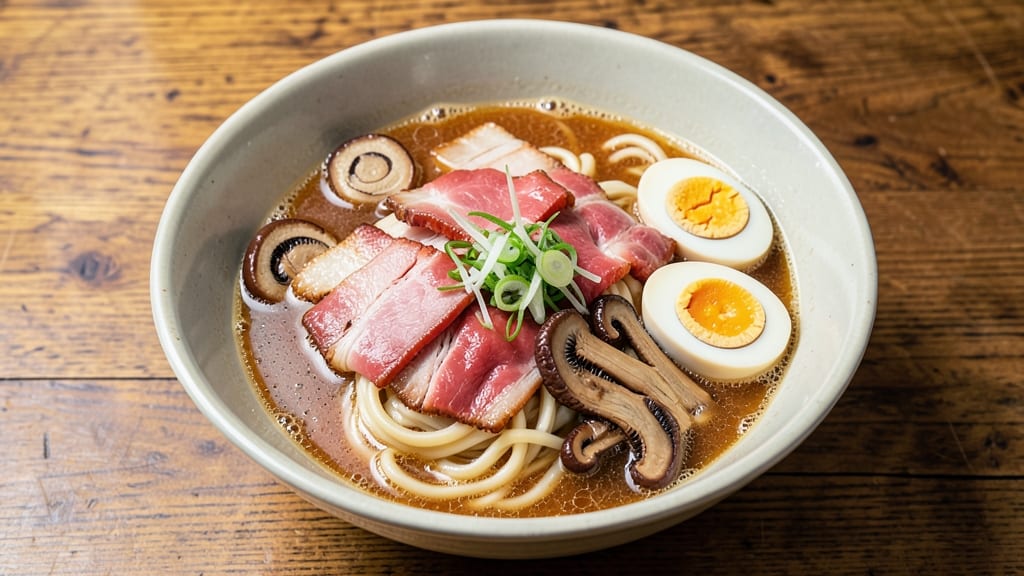
This authentic Japanese beef ramen recipe delivers the rich, umami-packed flavors of a Tokyo izakaya in your own kitchen. The secret lies in a slow-simmered beef broth infused with kombu and shiitake mushrooms, creating depth that rivals any restaurant version.
Every component—from silky ramen noodles to marbled chashu pork—comes together to create a bowl that’s both comforting and deeply satisfying.
The broth is the heart of this dish, built through a 12-hour simmer that extracts maximum flavor from beef bones, aromatics, and umami-rich ingredients. While it works, the noodles achieve their signature chewiness through proper al dente cooking, and the chashu transforms tough pork shoulder into tender, melt-in-your-mouth slices.
Traditional toppings like ajitsuke tamago (marinated soft-boiled eggs) and crisp menma add layers of texture and flavor that elevate each bite.
What sets this recipe apart is the attention to authenticity—from the precise cut of beef for chashu to the balance of salt and fat in the broth.
The result is a bowl where every spoonful delivers complex, harmonious flavors: the deep richness of the beef broth, the satisfying bite of the noodles, and the contrast of crisp toppings. This isn’t just ramen; it’s a restaurant-quality experience you can recreate at home.
The process may require patience, but the reward is a dish that feels like a labor of love—steaming bowls of ramen that bring the soul-warming essence of Japanese comfort food to your table.
Whether you’re serving a crowd or treating yourself, this recipe delivers the authentic taste of Japan in every slurp.
Ingredients for authentic japanese beef ramen
Rich broth, marbled pork, and silky noodles—this is your authentic ramen ingredient lineup.
| Ingredient | Amount | Notes |
|---|---|---|
| Beef Bones (marrow and knuckle) 🦴 | 3 lb | For deep umami broth |
| Shiitake Mushrooms (dried) 🍄 | ½ cup | Rehydrated for umami depth |
| Kombu Seaweed 🌊 | 1 sheet | For natural broth enhancement |
| Pork Shoulder (chashu) 🐖 | 2 lb | Marbled fat preferred |
| Ramen Noodles (fresh or dried) 🍜 | 1 package | 250g per serving preferred |
| Ajitsuke Tamago (marinated soft-boiled eggs) 🥚 | 4 whole | Store-bought or homemade |
| Menma (bamboo shoots) 🌿 | 1 package | Crisp, canned variety |
| Green Onions 🧅 | 1 whole | Thinly sliced for garnish |
| Sesame Oil 🫒 | 1 tbsp | Toasted for aroma |
| Soy Sauce 🍶 | ½ cup | Kikkoman preferred |
| Mirin 🍶 | ¼ cup | Sweet rice wine |
| Sake 🍶 | ¼ cup | Dry variety preferred |
| Garlic Cloves 🧄 | 6 cloves | Minced for aromatics |
| Ginger (fresh) 🌿 | 2 inches | Thinly sliced, peeled |
| Salt 🧂 | 2 tbsp | Diamond Crystal preferred |
The beef bones are non-negotiable for that deep, restaurant-quality broth. Look for marrow and knuckle bones at your local Asian market—they deliver the most flavor. Costco often carries them pre-packaged, but if you're buying whole, ask the butcher to cut them for you. Dried shiitake mushrooms are a must—they infuse the broth with umami magic. Soak them in hot water for 20 minutes before using. Kombu adds that signature seaweed depth, so don't skip it. For the pork shoulder, marbling is key—ask your butcher for the fattest cut available. If you can't find it fresh, frozen works too, just thaw it properly.
No Asian market nearby? Substitute beef broth for the bones (though it won't be as rich), and swap dried shiitake for fresh (use half the amount). Kombu can be tricky to find—seaweed snacks from the international aisle work in a pinch, but they won't be as potent. For the pork, if you can't find shoulder, pork belly with the fat rendered gives a similar texture. The ramen noodles? Fresh is ideal, but high-quality dried like Nissin or Sapporo Ichiban works too—just cook them al dente. Store-bought ajitsuke tamago is fine, but if you're feeling ambitious, marinate soft-boiled eggs in soy sauce, mirin, and sake for 24 hours.
The broth keeps for 5 days in the fridge or 3 months frozen—make extra, you'll want leftovers. Pork shoulder can be pre-cooked and sliced ahead, storing in the fridge for 3 days or freezing for 2 months. Ramen noodles? They're best fresh, but you can refrigerate uncooked dried noodles for 1 month in an airtight container. Garnishes like green onions and sesame oil should be added fresh when serving—they make all the difference in that final presentation.
Why You'll Love This Recipe
- One-Pot Magic: I swear by this broth—just toss in beef bones, kombu, and shiitake, then let them simmer. No straining, no extra pots, and that deep umami flavor? It builds itself while you prep the chashu or chop veggies.
- Rich Without Effort: Between the marrow bones melting into the broth and the dried shiitake soaking up water like a sponge, you get layers of savory depth with almost no work. Honestly, the first sip makes me forget I didn’t spend hours on it.
- Leftovers That Shine: This broth actually improves the next day—more concentrated, more complex. I’ll make a big batch on Sunday, store it in jars, and reheat it for quick lunches all week. The chashu gets better too, slicing up perfectly cold or reheated.
- Budget Feast: Beef knuckles and pork shoulder stretch across multiple meals—no waste here. Dried shiitake and kombu are cheap staples that punch way above their price. I’ve fed four people for under $20, and everyone’s still licking their bowls.
Step-by-step instructions for authentic Japanese beef ramen
Here's how to build a rich, layered ramen with deep umami flavors and silky texture.
Prepare the Beef Bones and Pork Shoulder
Start by thoroughly cleaning the 3 lb beef bones under cold water to remove any bone fragments or debris. Pat them completely dry with paper towels—this ensures maximum surface area for browning. In a large Dutch oven, place the bones in a single layer and roast uncovered in a 400°F oven for 20 minutes until they develop a deep golden crust. This step is crucial for developing the rich, caramelized foundation of your broth.
While the bones roast, prepare the 2 lb pork shoulder by patting it dry and seasoning generously with 2 tbsp salt on all sides. Let it sit at room temperature for 30 minutes before cooking. This resting period ensures even cooking and prevents tough meat. Once the beef bones are browned, remove them from the oven and set aside. In the same Dutch oven, add 1 tbsp sesame oil over medium-high heat and sear the pork shoulder until it develops a deep brown crust on all sides—about 8-10 minutes per side. This step builds layers of flavor that will infuse the broth.
Build the Umami-Packed Broth
Return the browned beef bones to the Dutch oven and add 2 quarts cold water. Bring to a simmer over medium heat, then reduce to a gentle low boil. Skim off any foam that rises to the surface during the first 10 minutes—this ensures a clear, clean broth. Add the 1 sheet kombu seaweed and 0.5 cup dried shiitake mushrooms (previously rinsed and soaked for 20 minutes in warm water). Simmer uncovered for 3 hours, maintaining a gentle simmer. The kombu and shiitake will infuse the broth with deep umami and natural sweetness.
After 3 hours, remove the kombu sheet and shiitake mushrooms. Add the seared pork shoulder to the broth and continue simmering for another 2 hours, or until the pork is fork-tender and easily pulls apart. Strain the broth through a fine-mesh sieve into a clean pot, discarding the bones and pork. The broth should now have a rich, deep color and a complex, layered flavor—this is your foundation for the ramen.
Enhance the Broth with Aromatics and Seasonings
Return the strained broth to the Dutch oven and bring it back to a gentle simmer. Add the 6 minced garlic cloves, 2 inches thinly sliced ginger, 0.5 cup soy sauce, 0.25 cup mirin, and 0.25 cup sake. Simmer for 15 minutes to allow the aromatics to infuse and the flavors to meld. Taste the broth and adjust seasoning if needed—you're aiming for a balance of saltiness, sweetness, and umami. The broth should be rich but not overpowering.
In a separate small pot, bring 2 cups water to a boil and add the 1 package menma (bamboo shoots). Simmer for 5 minutes to rehydrate and soften slightly, then drain and set aside. Thinly slice the 1 whole green onion for garnish. The menma will add a subtle crunch and earthy flavor to each bowl of ramen.
Cook the Noodles and Assemble the Ramen
Bring a separate pot of water to a rolling boil and cook the 1 package ramen noodles according to the package instructions for fresh or dried noodles—typically 3-5 minutes for al dente texture. Drain the noodles, reserving 1 cup of pasta water, and rinse briefly under cold water to stop the cooking process. This ensures the noodles hold their shape when assembled with the hot broth.
To assemble each bowl, place a generous serving of noodles in a deep ramen bowl. Ladle 1½ cups of the hot broth over the noodles, then add 1 whole ajitsuke tamago (marinated soft-boiled egg) and a portion of the menma. Drizzle with a small amount of the reserved pasta water to adjust the consistency of the broth if needed—this helps create a silky, clinging sauce. Garnish with the thinly sliced green onions and a drizzle of toasted sesame oil for aroma and depth of flavor.
Pro Tips For Making Authentic Japanese Beef Ramen
- Blister the Kombu: Tear the kombu into rough strips and sear them dry in the broth pot first—no oil needed. I learned this the hard way: skipping this step means you’re missing that deep umami punch that makes the difference between "okay broth" and "wow, this is rich." Let it crisp for 30 seconds until it smells like the ocean, then remove it immediately (you’ll strain it out later).
- Parboil the Knuckle: Give the beef knuckles a 10-minute head start in boiling water before adding them to the broth pot. This loosens the connective tissue and cuts the rendering time by nearly half—no more waiting hours for the marrow to soften. Drain and rinse them afterward to keep the broth clear.
- Soak Shiitake Wet: Rehydrate dried shiitake in cold water for 20 minutes, then slice them before cooking—never after. The mushrooms will absorb way less broth this way, and you’ll get that meaty texture without a soggy mess. Save the soaking water for the broth; it’s packed with flavor.
- Render Chashu Low: Cook the pork shoulder at 160°F (71°C) in the broth, not high heat. I used to rush it, and the fat would turn greasy instead of silky. The low-and-slow method guarantees tender slices that fall apart—just like in a proper ramen shop. Use a meat thermometer; 195°F (90°C) internal temp is your target.
Creative variations of authentic japanese beef ramen
Tokyo-Style Chashu
Swap the pork shoulder for 2 lb beef chuck roast, marbled with fat, and follow the same braising method. Use 1 tbsp sake, 1 tbsp mirin, and 1 tsp grated ginger in the marinade.
Simmer the beef in the broth for 3 hours until fork-tender, then slice thinly against the grain. The result is a richer, beefier version of chashu with deeper umami. 🥩
Spicy Miso Ramen
Add 2 tbsp white miso paste and 1 tbsp gochujang to the broth during the final 15-minute simmer. This fusion twist brings heat and fermented depth. Garnish with thinly sliced jalapeños and extra menma for crunch. For extra richness, top with a drizzle of chili oil before serving.
Vegetarian Mushroom Ramen
Replace the beef bones with 4 lb shiitake stems and 2 lb king oyster mushrooms, simmered for 8 hours in kombu-infused water. Add 1 block firm tofu (pressed and cubed) to the broth for the last 30 minutes.
Use the same pork marinade on the tofu cubes for a meaty texture. Serve with extra mushrooms and a side of pickled ginger for brightness.
Sapporo Miso Ramen
This Hokkaido classic uses 1 cup red miso paste instead of soy sauce in the broth. Add it during the final 30 minutes of simmering. For toppings, include corn kernels (a Sapporo staple) and butter (yes, butter!) drizzled over the top.
The miso adds a deep, fermented richness that pairs perfectly with the silky noodles.
Summer Light Broth
For hot weather, reduce the broth by half after simmering and add 1 cup cold water plus 2 tbsp rice vinegar and 1 tsp sugar for brightness. Use thin wheat noodles instead of ramen noodles, and top with cucumber slices and shredded nori for a refreshing, lighter version.
This style is perfect for summer months when you want something cooling but still deeply flavorful. 🌿
Korean-Inspired Kimchi Ramen
Add ½ cup kimchi juice and 2 tbsp gochugaru (Korean chili flakes) to the broth during the final simmer. Top with kimchi (chopped), fried egg, and sesame seeds. The tangy, spicy kimchi adds a bold contrast to the rich beef broth.
For extra depth, stir in 1 tbsp doenjang (fermented soybean paste) during the last 10 minutes of cooking.
Nutrition facts
Frequently asked questions
Can I make this beef ramen recipe without a Dutch oven?
Use a large stockpot with a tight-fitting lid instead. For browning bones and pork, sear them in batches in a skillet over medium-high heat until deeply browned, then transfer everything to the stockpot. The key is maintaining a gentle simmer—just monitor the broth level and add water as needed to keep it covered. A slow cooker works too, but you'll need to adjust simmering times (typically 6-8 hours instead of 3-4 hours).
How do I store and reheat the broth without losing flavor?
Store the cooled broth in airtight containers in the fridge for up to 5 days or freeze for 3 months. For reheating, place the broth in a saucepan over low heat and warm gently—never microwave directly, as this can create a skin and dull the flavors. Add a splash of water or sake to restore richness if needed. For the best texture, reheat just until steaming, then adjust seasoning with a pinch of salt or soy sauce before serving.
What’s the best way to make the pork shoulder extra tender?
The secret is patience and proper technique! After searing, braise the pork shoulder in the broth for the full 2 hours—this breaks down collagen into gelatin, creating melt-in-your-mouth texture. For extra tenderness, add a 1-inch piece of kombu and 1 tbsp soy sauce to the braising liquid. After cooking, let the pork rest for 30 minutes before slicing to retain juices. Slice thinly against the grain for maximum tenderness and texture contrast.
Can I substitute any of the umami ingredients (shiitake, kombu) if I can’t find them?
Yes, but with trade-offs. For dried shiitake, use ½ cup fresh shiitake mushrooms (sautéed first) or 1 tbsp soy sauce + 1 tsp dashi powder for umami. Kombu can be replaced with 1 tsp kelp powder or ½ tsp nori flakes, though the flavor won’t be identical. For depth, add 1 tbsp fish sauce or 1 tsp MSG (optional) to the broth. The broth will still be delicious but may lack the nuanced layers of a traditional recipe.
Why does my broth look cloudy or have a strong meaty smell?
Cloudiness usually means the broth needs more skimming or a longer simmer. For a clearer broth, strain it through a cheesecloth-lined sieve after simmering. A strong meaty smell often comes from overcooking or insufficient skimming—reduce heat to a gentle simmer and skim foam for the first 15 minutes. If the smell persists, add 1 tbsp soy sauce or 1 tsp mirin to balance it. For extra richness, add a 1-inch piece of ginger or 1 star anise pod during the final 30 minutes of simmering.