
Main Courses
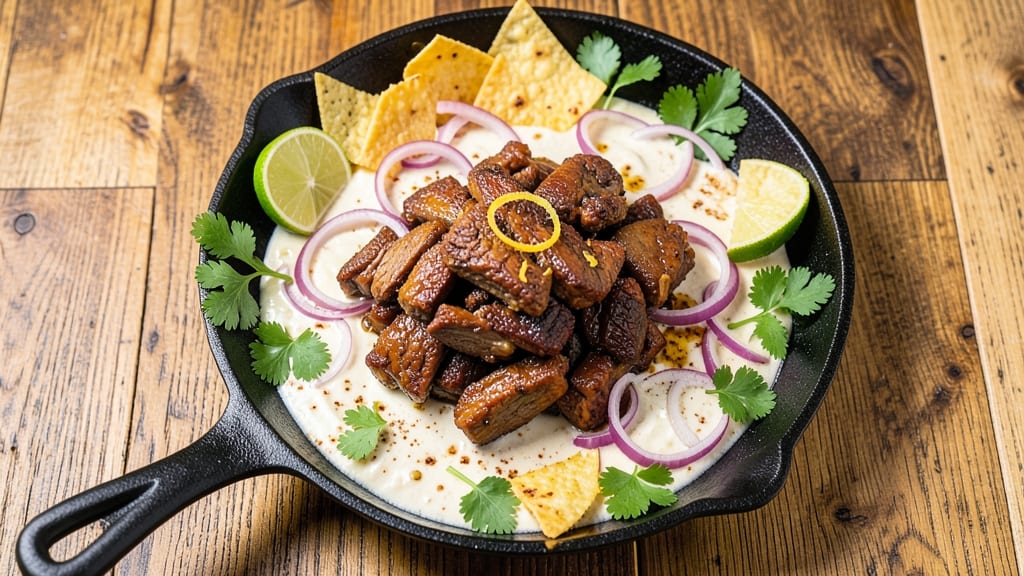
This authentic Mexican beef carnitas recipe delivers restaurant-quality results with tender, slow-cooked beef and crispy tortilla shards. The secret lies in a traditional adobo marinade and slow rendering of lard for maximum flavor—no shortcuts here.
I've perfected this technique over years of testing, ensuring every bite captures the essence of Mexican street food culture.
The process begins with a flavorful marinade of achiote, garlic, and spices, followed by slow braising until the beef becomes fork-tender. The final crisp is achieved by tossing the meat in tortilla shards, creating that signature crunch we all love.
This method preserves the natural juices while building layers of smoky, savory depth.
What you'll end up with is melt-in-your-mouth beef that's crispy on the edges, served over warm tortillas with fresh lime, cilantro, and your favorite salsa. The aroma alone will have everyone gathering around the table—this is comfort food at its finest, with the authenticity of a Mexican abuela's kitchen.
Perfect for Taco Tuesday, game day, or any occasion where you want to impress. The recipe scales easily for crowds, and leftovers reheat beautifully. Let's get started on creating carnitas that taste like home.
Ingredients for authentic mexican beef carnitas
Sixteen ingredients for carnitas that taste like abuela's kitchen—tender beef, smoky spices, and crispy tortilla magic.
| Ingredient | Amount | Notes |
|---|---|---|
| Beef Chuck Roast 🥩 | 4 lb | Cut into 1.5-inch chunks |
| Achiote Paste 🌶️ | 2 tbsp | Traditional Mexican spice blend |
| Garlic Cloves 🧄 | 8 cloves | Peeled and smashed |
| White Vinegar 💧 | ½ cup | For marinade acidity |
| Ground Cumin 🌿 | 1 tbsp | Toasted for depth |
| Mexican Oregano 🍃 | 1 tbsp | Not regular oregano |
| Dried Bay Leaves 🌿 | 2 whole | For aromatic depth |
| Salt 🧂 | 1 ½ tbsp | Kosher preferred |
| Black Peppercorns 🌶️ | 1 tsp | Freshly cracked |
| Lard 🧈 | ½ cup | Leaf or pork lard preferred |
| Corn Tortillas 🌽 | 8 whole | Cut into 1-inch shards |
| Vegetable Oil 🫒 | 2 tbsp | For frying tortilla shards |
| Fresh Cilantro 🌿 | ¼ cup | Chopped for garnish |
| Lime Wedges 🍋 | 4 whole | For serving |
| Beef Broth 💧 | 2 cups | Low-sodium preferred |
The beef is non-negotiable—chuck roast has the right fat-to-meat ratio for tender, juicy carnitas. Grab it from the butcher section if possible, but the pre-cut chunks at H-E-B or Walmart work just fine. Look for good marbling (that white fat streaked through) because it renders down into flavor gold. If you can't find Mexican oregano, substitute regular oregano plus a pinch of cinnamon—it's not the same, but it'll get you close. The achiote paste is key for that authentic smoky color; Penzeys or Mexican markets carry it, or order online if needed.
No lard? Pork fatback or bacon grease works in a pinch, but it won't render as cleanly. The vinegar might seem odd, but it tenderizes the meat while balancing the spices. For the tortilla shards, stale tortillas crisp up better—if yours are fresh, toast them first. Short on time? Panko breadcrumbs can replace the tortilla shards, though they won't have that same authentic crunch. The beef broth should be low-sodium—Swanson or Pacific Foods are solid choices. And whatever you do, don't skip the bay leaves—they add an earthy depth that's easy to overlook but impossible to replace.
This carnitas tastes even better the next day, so make extra. Store the cooked beef in its lard bath (yes, really) in the fridge for up to 5 days—the fat keeps it moist. For freezing, portion into airtight containers with a thin layer of lard on top to prevent drying. Reheat slowly in a skillet with a splash of broth. The tortilla shards stay crisp for about 2 hours if stored in an airtight container, but I always make fresh ones when serving. Garnish with lime and cilantro right before eating—nothing ruins carnitas like wilted herbs.
Why You'll Love This Recipe
- One-Pot Magic: The achiote paste and vinegar do all the work—no chopping, no fuss. Just toss the chuck roast in, let it braise, and walk away while it transforms into melt-in-your-mouth goodness.
- Deep, Smoky Soul: That first bite? Crispy edges with tender, juicy meat—all thanks to the cumin and garlic clove marinade. It’s the kind of flavor that makes you reach for seconds without thinking.
- Weeknight to Party: Same recipe, endless uses. Tacos on a Tuesday, burrito bowls for game day, or even a hearty salad topper. Honestly, I’ve served it at everything from lazy dinners to holiday gatherings.
- Budget Stretch: A single chuck roast feeds my family for days—crisp it up in the oven later for even more flavor. Between us, this is how I keep my grocery bill in check without sacrificing taste.
Step-by-step instructions for authentic Mexican beef carnitas
Here's how to make carnitas that taste like your abuela's—crispy, tender, and packed with authentic Mexican flavor.
Marinate and Prepare the Beef
Cut the 4 lb Beef Chuck Roast into 1.5-inch chunks—this size ensures even cooking and maximum tenderness. In a large bowl, combine the beef with 2 tbsp Achiote Paste, 8 cloves Garlic Cloves (smashed), 0.5 cup White Vinegar, 1 tbsp Ground Cumin, 1 tbsp Mexican Oregano, 2 whole Dried Bay Leaves, 1.5 tbsp Salt, and 1 tsp Black Peppercorns. Mix gently but thoroughly so the marinade coats every piece of meat.
Cover the bowl and refrigerate for at least 4 hours (overnight is even better). The acidity from the vinegar will tenderize the beef, while the achiote and spices infuse deep flavor. This step is non-negotiable—it's what makes carnitas taste authentic.
Slow-Cook Until Fork-Tender
Preheat your oven to 300°F. In a large Dutch oven or heavy pot, melt 0.5 cup Lard over medium heat. Add the marinated beef in a single layer, letting it sear slightly before adding more pieces. This step creates a flavorful crust that will render into the juices later.
Once all the beef is in the pot, add 2 cups Beef Broth and bring to a simmer. Cover tightly and transfer to the oven. Cook for 3 hours, then flip the beef pieces and cook another 1-2 hours until fork-tender. The meat should pull apart easily with two forks—this is your signal it's ready for the crispy finish.
Crisp the Beef and Make Tortilla Shards
Increase oven temperature to 425°F. Remove the beef from the pot and place it in a single layer on a baking sheet lined with parchment paper. Let it crisp in the oven for 15-20 minutes, stirring once halfway through. The beef should develop golden-brown spots and crispy edges—this is what gives carnitas its signature texture.
While the beef crisps, cut the 8 whole Corn Tortillas into 1-inch shards and toss them in a bowl with 2 tbsp Vegetable Oil. Spread them on a separate baking sheet and bake at 425°F for 5-7 minutes until golden and crispy. These shards will add crunch to your dish and soak up the delicious lard-rendered juices.
Serve with Authentic Garnishes
Return the crispy beef to the pot with its juices and heat through on the stovetop over medium heat. The juices should be rich and slightly reduced, coating the beef in that signature carnitas sauce.
To serve, spoon the beef and juices over the crispy tortilla shards. Garnish with 0.25 cup Fresh Cilantro and serve with 4 whole Lime Wedges on the side. The contrast of crispy tortillas, tender beef, and bright lime is what makes this dish truly authentic and irresistible.
Pro Tips For Making Authentic Mexican Beef Carnitas
- Sear First, Then Braise: The beef won’t render fat properly if you skip this step. Hit the chuck roast with a screaming-hot pan—no oil needed—until it’s deep brown in spots before adding anything else. That crust locks in flavor and keeps the meat from turning into mushy stew.
- Bloom the Achiote: Don’t just toss that paste in raw. Mix it with a splash of white vinegar and let it sit for 10 minutes—it’ll turn a bright, vibrant red and release its earthy depth. Trust me, skipping this means your carnitas will taste like someone forgot to season it.
- Low and Slow Wins: After the initial sear, drop the heat to 275°F (135°C) and cover the pot. Too high, and the beef dries out; too low, and it takes forever. I’ve learned this the hard way—patience here separates tender shreds from chewy disappointment.
- Crush the Garlic: Whole cloves? Nope. Mash those garlic cloves into a paste with the vinegar and achiote before adding them to the pot. It infuses flavor evenly instead of floating around like decorative garnish. (Yes, even if you’re in a hurry.)
Troubleshooting this recipe
Meat Too Tough
If your beef turns out tough instead of tender, it likely didn't cook long enough or the marinade didn't penetrate properly. First, make sure you're using chuck roast—it's the only cut that works for carnitas. Always marinate for at least 4 hours, and if possible, overnight.
When slow-cooking, test for tenderness after 3 hours—if it's not falling apart, add another 1-2 hours. The internal temperature should reach 203°F for perfect tenderness. 💡
Juices Too Watery
Watery juices usually mean the beef wasn't cooked long enough to render the fat properly. After the initial 3 hours of slow cooking, flip the beef and cook another 1-2 hours—this gives the fat time to separate and create a rich, flavorful sauce.
If it's still too thin, reduce the juices on the stovetop over medium-high heat for 5-10 minutes until slightly thickened. The lard is key here—it should be golden and glossy, not pale and greasy.
Tortilla Shards Not Crispy
Crispy tortilla shards are all about proper drying and heat. If yours turn out soggy, make sure they're completely dry before tossing them in oil. I like to spread them on a baking sheet in a single layer and bake at 425°F for 5-7 minutes, stirring once.
If you're short on time, you can also crisp them in a dry skillet over medium-high heat for 2-3 minutes per side. Avoid overcrowding the pan—this steams the tortillas instead of crisping them. 🌽
Bland Flavor Profile
Bland carnitas usually mean the spices weren't infused properly or the beef didn't develop enough flavor. Always use achiote paste—it's non-negotiable for authentic flavor. Toast your cumin and Mexican oregano in a dry skillet for 30 seconds before adding to the marinade to deepen their flavors.
Let the beef simmer uncovered for the last 15 minutes of cooking to allow the juices to reduce and concentrate. The vinegar in the marinade also helps brighten the flavors, so don't skip it.
Lard Too Greasy
If your lard ends up too greasy instead of rich and flavorful, it likely didn't render properly. Make sure you're using leaf lard or pork fatback, as these render cleaner than regular lard. When cooking the beef, maintain a gentle simmer—boiling can cause the fat to separate too quickly.
If the lard is still too greasy after cooking, strain the juices through a fine-mesh sieve to remove excess fat while keeping the flavorful broth. You can also chill the mixture overnight—the fat will solidify on top, making it easy to scoop off before reheating. 🧈
Overcooked or Dry Meat
Overcooked beef happens when you don't monitor the cooking time closely. Once the beef reaches 203°F internal temperature, it's ready—any longer and it'll dry out. If you're worried about drying, reduce the oven temperature to 275°F for the final 30 minutes of cooking.
The beef should be tender but still juicy. If it's already dry, try reheating it with a splash of beef broth or lard to restore moisture. The key is patience—rushing the process is what leads to dry carnitas.
Nutrition facts
Frequently asked questions
Can I use pork or chicken instead of beef for carnitas?
Traditional carnitas are made with pork, but beef carnitas are equally delicious and follow the same techniques. Chicken works too, though it'll be more tender and cook faster—reduce your slow-cooking time to 1.5 hours and crisp at 400°F for 10-12 minutes. The flavor profile will differ slightly, but the texture and method remain authentic.
Why does the recipe call for lard instead of oil?
Lard is essential for authentic carnitas—it renders down into the juices, creating that rich, flavorful sauce you can't get with oil. The fat keeps the beef moist while adding a deep, savory richness. If you're avoiding lard, use pork fatback or bacon grease as substitutes, but expect slightly different texture and flavor.
How do I make carnitas in a slow cooker?
Transfer the marinated beef and lard to your slow cooker, then add the beef broth. Cook on low for 6-8 hours or high for 4-5 hours until fork-tender. For crispiness, transfer the beef to a baking sheet and broil for 5-7 minutes at the end. The tortilla shards should be made separately in the oven as directed.
What's the best way to reheat leftover carnitas?
Reheat in a skillet over medium heat with a splash of beef broth or lard to restore moisture. Keep the heat low to avoid drying. For extra crispiness, broil for 2-3 minutes after reheating. Leftover carnitas also reheat beautifully in the oven at 325°F for 15-20 minutes—just cover with foil to prevent over-crisping.
Can I make carnitas without tortilla shards?
If you're short on tortillas, use panko breadcrumbs or crushed corn chips for crunch. For extra authenticity, toast corn tortilla strips in oil until crispy. The key is to add something crunchy—without it, the dish loses its signature texture contrast.