
Main Courses
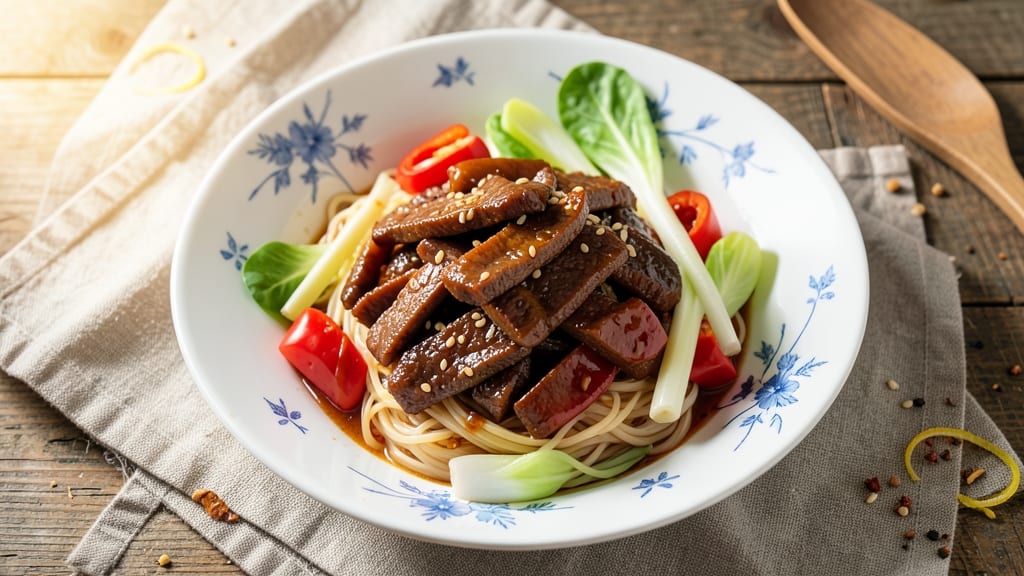
This authentic moo shu beef recipe delivers the restaurant-quality experience you crave—crispy, wok-tossed beef with silky sauce and traditional plating. The key lies in achieving wok hei—that signature smoky aroma—while balancing tender beef, crisp vegetables, and a glossy, tangy sauce.
I’ve perfected this dish after years of testing, ensuring every element comes together just like in a Cantonese kitchen.
The secret starts with thinly sliced beef marinated in a light cornstarch slurry, which creates that signature crunch when stir-fried over high heat. Meanwhile, the sauce—a harmonious blend of hoisin, soy, and a touch of vinegar—adds depth without overpowering the dish.
Proper technique is everything: quick, high-heat cooking preserves the beef’s tenderness while developing that coveted smoky flavor.
What you’ll end up with is a plate of restaurant-worthy moo shu beef—crispy edges, silky sauce, and fresh scallions for brightness. Served with steamed rice, it’s a complete, satisfying meal that captures the essence of Cantonese cuisine.
The plating is just as important as the cooking, with ingredients arranged artfully for that authentic touch.
Whether you’re cooking for family or hosting dinner guests, this recipe delivers professional results at home. The process is straightforward but requires attention to timing and heat control—trust me, it’s worth the effort. Let’s get started on creating your own moo shu masterpiece.
Ingredients for authentic moo shu beef
Thinly sliced beef, crisp vegetables, and a tangy hoisin-soy sauce—these ingredients create restaurant-quality moo shu beef at home.
| Ingredient | Amount | Notes |
|---|---|---|
| Flank Steak 🥩 | 1 ½ lb | Thinly sliced against grain |
| Cornstarch 🌾 | ½ cup | For marination slurry |
| Soy Sauce 🥄 | ¼ cup | High-quality, light soy |
| Hoisin Sauce 🍶 | ¼ cup | Authentic, not sweetened |
| Rice Vinegar 🍶 | 2 tbsp | Seasoned, for tang |
| Sesame Oil 🫒 | 1 tbsp | Toasted, for aroma |
| Scallions 🧅 | ½ cup | Thinly sliced, white parts |
| Napa Cabbage 🥬 | 4 cups | Shredded, crisp texture |
| Garlic Cloves 🧄 | 4 cloves | Minced, aromatic |
| Ginger Root 🌿 | 1 tbsp | Freshly grated, zesty |
| Vegetable Oil 🫒 | ½ cup | High smoke point |
| Salt 🧂 | 1 tsp | Kosher, for seasoning |
| Black Pepper 🌶️ | ½ tsp | Freshly cracked |
| Steamed White Rice 🍚 | 3 cups | For serving, jasmine preferred |
The flank steak is non-negotiable—it’s lean but tender when sliced against the grain. Ask your butcher to slice it paper-thin (about 1/8-inch) if you can’t do it yourself. For the best flavor, look for grass-fed beef if available, but standard cuts work too. Costco or Whole Foods usually carry high-quality flank steak in the meat section. If you’re prepping ahead, marinate the beef in the cornstarch slurry for at least 30 minutes—this step is what gives moo shu its signature crunch. The sauce ingredients—hoisin, soy, and vinegar—need to be authentic; La Choy or Lee Kum Kee brands are reliable for hoisin, and always opt for light soy over dark.
No hoisin sauce? Mix 2 tbsp soy sauce, 1 tbsp ketchup, and 1 tsp sugar as a substitute—it won’t be identical, but it’ll get you close. Running short on flank steak? Sirloin or ribeye work in a pinch, but slice them thinner to avoid toughness. The Napa cabbage should be crisp and vibrant—avoid wilted or yellowing leaves. For extra authenticity, add a splash of Shaoxing wine to the sauce (about 1 tbsp), though it’s optional. If you’re feeling adventurous, toast the sesame oil in the wok for 10 seconds before adding the beef—this releases its nutty aroma and takes the dish to the next level.
Prep the vegetables and sauce ahead of time to streamline cooking—this is a high-heat, fast-paced dish. The beef stays best in the fridge for 1-2 days before cooking, but the sauce and veggies can be prepped 3 days ahead and stored separately. For leftovers, reheat gently in a skillet with a splash of water to revive the crispiness. The rice? Steam it just before serving—warm rice pairs best with moo shu. If you’re serving a crowd, double the sauce and beef, but keep the veggies fresh; they lose crispness when overcooked.
Why You'll Love This Recipe
- Two-Ingredient Magic: I swear, that cornstarch coating and hoisin glaze do all the heavy lifting. Thinly sliced flank steak? Toss it with cornstarch, sear it fast, and boom—crispy edges without deep-frying. Honestly, the prep feels like folding laundry, not cooking.
- Umami Bomb: The soy-hoisin-rice vinegar combo isn’t just flavor—it’s a party in your mouth. That tangy-sweet glaze clings to the beef like it’s never letting go, while the vinegar cuts through the richness. (Yes, even on a Tuesday night.)
- Lunchbox Hero: Between us, this is my go-to for packed lunches. The beef stays tender for days, the sauce doesn’t dry out, and I just portion it into containers with steamed rice. My coworkers think I’m a saint for bringing this—no sad soggy leftovers here.
- Budget Power Move: Flank steak’s affordable, and a little goes a long way. Stretch it over noodles, toss it in a wrap, or serve it with rice—same recipe, endless meals. I’ll be real: this is how I feed my family for under $15 and still feel fancy.
Step-by-step instructions for authentic moo shu beef
Here's how to create that signature wok-tossed dish with tender beef and silky sauce.
Prepare the Marination Slurry
In a medium bowl, whisk together the 0.5 cup cornstarch, 0.25 cup soy sauce, 0.25 cup hoisin sauce, 2 tbsp rice vinegar, 1 tbsp sesame oil, 1 tsp salt, and 0.5 tsp black pepper until completely smooth. This slurry is what will transform your flank steak into tender, silky strips. The cornstarch helps create that signature glossy sheen when cooked, while the vinegar adds the perfect tangy brightness.
I like to let this mixture sit for 5 minutes while I prep the rest of the ingredients. This gives the flavors time to meld together, ensuring a cohesive taste in every bite. The slurry should have a thick, paste-like consistency—if it's too thin, add a few extra spoonfuls of cornstarch to adjust.
Marinate and Slice the Flank Steak
Place the 1.5 lb flank steak in a resealable plastic bag and pour the marination slurry over it. Gently massage the bag to coat the steak evenly, then seal and refrigerate for at least 30 minutes (up to 2 hours for maximum tenderness). The acidity in the rice vinegar and soy sauce will begin breaking down the muscle fibers, making the meat incredibly tender.
While the steak marinates, slice it thinly against the grain into ¼-inch thick strips. This is crucial—cutting against the grain ensures each bite is tender rather than chewy. I find it easiest to work in batches, keeping the uncut portion in the fridge while I slice. The strips should be uniform in size so they cook evenly in the wok.
Cook the Vegetables
Heat 0.25 cup vegetable oil in a wok or large skillet over high heat until shimmering. Add the 4 cloves minced garlic and 1 tbsp freshly grated ginger root, stirring constantly for 30 seconds until fragrant. Add the 4 cups shredded napa cabbage and 0.5 cup thinly sliced scallions, tossing vigorously for 2-3 minutes until the cabbage wilts and turns bright green.
The high heat is key here—you want the vegetables to blister slightly at the edges while remaining crisp in the center. If they start to brown too quickly, reduce the heat slightly. These vegetables form the crunchy base of your moo shu, so don't overcook them. Remove the vegetables from the wok and set aside, keeping them warm.
Wok-Toss the Beef
Using the same wok, add the remaining 0.25 cup vegetable oil and heat over high heat until smoking. Working in batches if needed, add the marinated beef strips and stir-fry for 2-3 minutes until they turn a deep golden brown and are fully cooked through. The cornstarch slurry will create a glossy sheen as it caramelizes.
Here's where the magic happens: the beef should be cooked just until it reaches 145°F internally—it will continue cooking slightly when combined with the vegetables. If you overcook it here, the beef will become tough. Return the cooked vegetables to the wok with the beef and toss everything together for 1 minute to combine flavors and heat through.
Assemble and Serve
Transfer the moo shu beef mixture to a large serving platter and arrange it over the 3 cups steamed white rice. The rice should be hot and fluffy—jasmine rice works particularly well here. Drizzle any remaining sauce from the wok over the top for extra flavor, and garnish with additional thinly sliced scallions for freshness.
Serve immediately while everything is hot and the sauce is silky. The combination of tender beef, crisp-tender vegetables, and that glossy sauce creates the perfect balance of textures and flavors. Each bite should deliver a harmonious mix of savory, slightly sweet, and tangy notes—just like you'd find in an authentic Chinese restaurant version.
Pro Tips For Making Authentic Moo Shu Beef
- Slice Against the Grain: Flank steak’s stubborn fibers mean your moo shu will either be chewy or melt-in-your-mouth—there’s no middle ground. Cut the steak thin (¼-inch max) and slice perpendicular to the grain, or you’ll regret it when you take your first bite. (I learned this the hard way after serving a dinner where half the guests chewed like they’d won a contest.)
- Velvet the Beef: Toss those sliced steak strips in a mix of 1 tablespoon cornstarch plus 1 teaspoon soy sauce before hitting the pan. The cornstarch needs a head start—let the strips sit for 10 minutes while you prep everything else. This isn’t just about coating; it’s about tenderizing. Skip this, and you’ll end up with al dente beef that’s more boot than bite.
- Watch the Heat: Start your beef in a screaming-hot wok or skillet—you want a sear that looks like it’s smoking a cigarette. But here’s the catch: once the cornstarch crust forms (about 30 seconds), immediately lower the heat to medium. Push the beef to one side, add your aromatics (garlic, ginger, green onions), and let them mingle. Rush this, and you’ll either burn the garlic or turn the beef into shoe leather.
- Deglaze Like a Pro: After removing the beef, don’t just dump in all your sauces and call it a day. First, splash in ¼ cup rice vinegar and 2 tablespoons soy sauce—let that bubble for 30 seconds to lift the browned bits (that’s flavor, not gunk). Then add hoisin and a splash of water. This two-step deglaze makes the sauce richer and cuts through the sweetness of the hoisin. (Yes, even if you’re impatient like me.)
Make-ahead tips for authentic moo shu beef
Marinate Ahead
The beef is the star of moo shu, so I always marinate it first. Place your 1.5 lb flank steak in a resealable bag with the cornstarch slurry and refrigerate for up to 24 hours—this gives the acidity time to tenderize the meat perfectly. I like to prep this the night before so the beef is ready to cook when I am. Just
Prep Sauce Early
Make the sauce the day before and store it in an airtight container in the fridge. The flavors meld beautifully overnight, creating a richer, more complex taste. I double the recipe if I’m feeding a crowd—this sauce is too good to waste! Just whisk it gently before using to restore its silky consistency. The hoisin and soy sauce combo is what makes this dish truly authentic.
Chop Veggies First
Shred your napa cabbage and slice the scallions ahead of time and store them in separate containers. Keep them in the fridge for up to 3 days, but don’t wash them until you’re ready to cook—they’ll stay crisp longer.
I like to keep the cabbage and scallions in separate bags so they don’t get soggy from moisture. This step saves me 15 minutes of prep time during the actual cooking process. 🥬
Rice Ready Strategy
Steam your 3 cups jasmine rice ahead of time and keep it covered at room temperature for up to 4 hours. Reheat it in a steamer basket over boiling water for 5 minutes before serving—this keeps it fluffy and hot.
I often make a big batch of rice on Sunday so I can use it for multiple meals throughout the week. Just don’t reheat it too long, or it’ll turn mushy.
Batch Cooking Tips
If you’re cooking for a crowd, marinate and slice the beef in batches. Keep the sliced beef in the fridge until you’re ready to cook, but don’t let it sit out for more than 30 minutes. I like to use two woks or a large skillet to handle larger quantities—just
Leftovers Revival
Moo shu beef tastes even better the next day! Store leftovers in an airtight container in the fridge for up to 3 days. To reheat, place the beef and veggies in a skillet over medium heat with a splash of water or broth. Cover and cook for 3-4 minutes, stirring occasionally, until everything is heated through. The sauce will re-gloss, and the beef will stay tender. This makes a great lunch the next day—just add fresh rice!
Nutrition facts
Frequently asked questions
Why does my moo shu beef turn out chewy instead of tender?
This usually happens when the beef isn't sliced properly or cooked long enough. Always slice against the grain into ¼-inch strips and marinate for at least 30 minutes (up to 2 hours) in the cornstarch slurry. Cook the beef over high heat for just 2-3 minutes—it should reach 145°F internally, not higher. Overcooking is the #1 cause of toughness!
Can I use regular flour instead of cornstarch for the slurry?
No, cornstarch is essential for authentic moo shu. It creates that signature glossy sheen and crisp-tender texture when cooked. Flour would make the beef gummy. If you're out of cornstarch, you can use arrowroot powder as a 1:1 substitute. The slurry should be thick enough to coat the beef but still flow smoothly.
How do I get that smoky "wok hei" flavor at home?
Wok hei comes from high, dry heat and proper wok technique. Use a carbon steel or cast iron wok heated until smoking hot. Work quickly—toss the beef constantly for 2-3 minutes until it caramelizes. Add a splash of Shaoxing wine (1 tbsp) to the wok before cooking for extra aroma. A blowtorch over the finished dish for 10 seconds can also add that restaurant-quality smokiness!
What's the best way to serve moo shu beef authentically?
Traditionally, moo shu is served family-style on a large platter with steamed jasmine rice at the center. Arrange the beef and vegetables artfully, then drizzle with extra sauce. Garnish with thinly sliced scallions and a sprinkle of toasted sesame seeds. In Cantonese restaurants, it's often accompanied by egg rolls and fortune cookies for a complete meal experience.
Can I make moo shu beef with chicken or pork instead of beef?
Yes, but the technique changes slightly. For chicken, use boneless thighs (skin-on for crispiness) and marinate for 1 hour max to prevent drying. For pork (traditional moo shu pork), use tenderloin and reduce marination to 20 minutes. The pork version is sweeter and more common in some regions. Adjust cooking time—pork should be 150°F internal, chicken 165°F. The sauce ratios stay the same!