
Main Courses
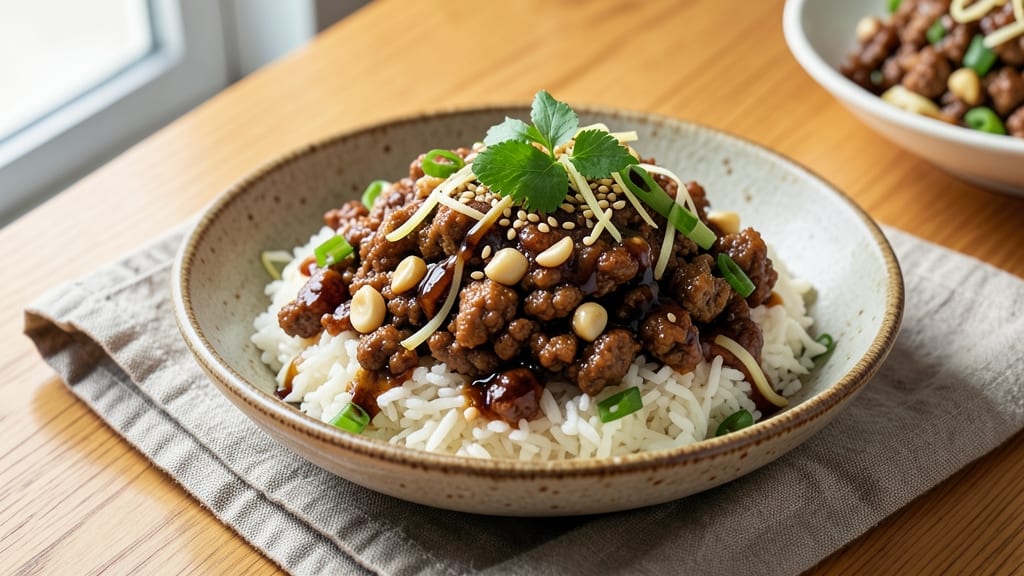
This bao bun beef filling transforms simple ground beef into a fragrant, spiced masterpiece that steals every bite. 🌟 The secret lies in high-heat wok cooking and aromatic garlic-ginger paste, creating that signature wok-hei flavor that makes this filling irresistible.
I've perfected this recipe over years of testing—balancing tender beef with bold spices without overpowering the delicate bao bun dough.
The process starts with searing the beef until deeply browned, then deglazing the pan to capture every savory bit. Aromatic garlic, ginger, and scallions infuse the beef with layers of flavor, while a touch of soy sauce and five-spice powder adds depth.
The result? Juicy, flavorful beef that stays tender yet holds its shape perfectly when stuffed into bao buns.
What makes this filling special is its versatility—use it in bao buns, dumplings, or even as a hearty sandwich filling. The spices are balanced to complement the softness of the bao, but you can adjust them for other dishes.
This isn't just filling; it's the star of the meal, packed with umami and warmth in every bite.
Ready in just 30 minutes, this recipe delivers restaurant-quality results with minimal effort. The key is patience in cooking the beef slowly to develop deep flavor while keeping it moist.
Whether you're making bao for the first time or refining your technique, this filling will elevate your dish to the next level.
Ingredients for bao bun beef filling
Simple ingredients transform into fragrant, spiced beef filling perfect for bao buns.
| Ingredient | Amount | Notes |
|---|---|---|
| Ground Beef 🥩 | 1 ½ lb | 80/20 fat ratio preferred |
| Garlic Cloves 🧄 | 6 cloves | Minced for aromatic paste |
| Fresh Ginger 🌿 | 2 tbsp | Finely grated, not powdered |
| Green Onions 🧅 | 3 whole | White and green parts, chopped |
| Soy Sauce 🥢 | 2 tbsp | Light or all-purpose |
| Oyster Sauce 🍜 | 1 tbsp | For umami depth |
| Sesame Oil 🫒 | 1 tbsp | Toasted for aroma |
| Five-Spice Powder 🌶️ | 1 tsp | Adjust to taste |
| Sugar 🍬 | 1 tsp | Balances flavors |
| Neutral Oil 🫒 | 1 tbsp | Vegetable or canola |
| Salt 🧂 | ½ tsp | Kosher or sea salt |
| Black Pepper 🌶️ | ¼ tsp | Freshly ground |
| Cornstarch 🌾 | 1 tbsp | For tender texture |
The beef is everything here—80/20 fat ratio gives you that juicy, flavorful bite. Costco or local butcher shops usually carry the best quality, but any grocery store ground beef works in a pinch. Fresh ginger and garlic are non-negotiable for that authentic wok-hei flavor—no substitutes here. The green onions add freshness, so grab a bunch and use both white and green parts. If you're short on time, pre-minced garlic works, but fresh is always better. For the spices, Penzeys or bulk bins have the best quality five-spice powder—it makes a huge difference.
No oyster sauce? Soy sauce plus a dash of fish sauce gets you close, but the umami won't be quite the same. Short on sesame oil? Toasted sesame seeds at half the amount add some aroma, though it won't be as rich. The cornstarch is key for that tender texture—don't skip it. If you're making this for sandwiches instead of bao, you can bump up the spices a bit since there's no delicate dough to consider. The sugar might seem odd, but it balances the saltiness and makes everything sing. Freshly ground black pepper makes a world of difference over pre-ground, so if you've got a pepper mill, use it.
This filling keeps beautifully—4-5 days in the fridge or 3 months in the freezer. I like to portion it into single-serving containers so I can grab what I need for bao or sandwiches without thawing the whole batch. If you're freezing, let it cool completely first to avoid ice crystals. Reheat gently in a pan or microwave until warm through—it reheats even better than it tastes fresh. Leftovers make killer sandwiches or even a quick stir-fry. The flavors actually deepen overnight, so don't hesitate to make extra.
Why You'll Love This Recipe
- Pantry-Friendly Magic: I swear by this combo—no fancy ingredients, just ground beef, garlic, and a splash of soy sauce. Honestly, if I forget to buy something, I still end up with something tasty. The ginger and green onions add that bright punch without needing a whole spice rack.
- Umami Bomb: That soy sauce and ginger? They turn simple ground beef into something dangerously addictive. I’ll be real: my husband’s first bite made him ask if I’d “secretly hired a chef.” (Spoiler: no, just this recipe.)
- Stealth Meal Prep: Between us, this filling freezes like a dream—just portion it out, pop it in the freezer, and reheat when you need it. I’ve used it for bao buns, rice bowls, even stuffed peppers. Zero waste, all flavor.
- Budget Win: Ground beef and a few pantry staples? This is my go-to when I’m pinching pennies but still want something that feels special. Not the prettiest, but the taste makes up for it every time. (Yes, even on a Tuesday night.)
Step-by-step instructions for bao bun beef filling
Here's how to make rich, flavorful bao bun filling with perfectly balanced spices and tender beef.
🍳 Step 1: Create the Aromatic Base
Heat the 1 tablespoon neutral oil in a large skillet over medium-high heat until shimmering. Add the 6 cloves minced garlic cloves and 2 tablespoons finely grated fresh ginger, cooking for 30-45 seconds until fragrant but not browned. This quick cooking preserves their bright flavors without burning.
Here's the thing—don't walk away. Garlic burns in seconds, and you want that sweet, aromatic foundation for your filling. If your kitchen smells amazing after this step, you're on the right track. Stir constantly to prevent browning while letting the aromatics develop fully.
👨🍳 Step 2: Cook the Beef Until Fully Browned
Add the 1.5 pounds ground beef to the skillet, breaking it up with a wooden spoon as it cooks. Let it brown undisturbed for 3-4 minutes until the meat loses its raw color and develops a deep brown crust. This browning step creates the deep, meaty flavor that makes bao filling irresistible.
Once the beef starts to brown, use your spoon to break it into small, even crumbles. Don't rush this—you want those beautiful browned bits that will dissolve into your sauce later. If the pan gets too dry before everything is browned, add just 1 tablespoon water to help deglaze, but don't overdo it.
🥘 Step 3: Build the Sauce with Umami and Sweetness
Lower heat to medium and add the 2 tablespoons soy sauce, 1 tablespoon oyster sauce, 1 teaspoon five-spice powder, 1 teaspoon sugar, 0.5 teaspoon salt, and 0.25 teaspoon black pepper. Stir well to combine, letting the mixture simmer for 2-3 minutes until the liquid reduces slightly and coats the beef.
This is where the magic happens—the five-spice powder adds warmth, the sugar balances the saltiness, and the oyster sauce brings that deep umami flavor. Taste the mixture now—it should be rich and savory with a hint of sweetness. If it needs more depth, add another ½ teaspoon soy sauce or a pinch more five-spice powder.
🔪 Step 4: Finish with Fresh Herbs and Binding Agent
Stir in the 3 whole chopped green onions (both white and green parts) and 1 tablespoon sesame oil. The green onions add freshness that cuts through the richness of the beef, while the sesame oil contributes that nutty aroma that's essential for bao filling.
In a small bowl, whisk together the 1 tablespoon cornstarch with 2 tablespoons water to create a slurry. Slowly pour this into the beef mixture while stirring constantly. Cook for another 1-2 minutes until the filling thickens slightly and becomes glossy. The cornstarch helps bind everything together for that perfect bao filling texture.
⏰ Step 5: Rest and Prepare for Stuffing
Remove the skillet from heat and let the beef filling cool for 5-10 minutes while you prepare your bao buns. This resting period allows all the flavors to meld together and makes the filling easier to work with when stuffing. The filling should be moist but not soupy—if it's too wet, cook it uncovered for another 2-3 minutes to evaporate excess moisture.
Once cooled, give the filling one final taste. It should be rich, aromatic, and perfectly balanced between savory, sweet, and umami. If you've followed these steps carefully, you'll have bao filling that's ready to stuff into soft, pillowy bao buns for that perfect first bite.
Pro Tips For Making Bao Bun Beef Filling
- Preheat Your Pan Properly: I learned this the hard way—cold pans make soggy beef filling. Get that wok or skillet screaming hot (medium-high to high) before adding oil, then crank it up again once the beef hits. The sear locks in flavor and texture, and cold pans just steam the meat instead of browning it.
- Mince Ginger Like It’s 1995: Fresh ginger needs to be finely minced, not just grated or chopped. Use a sharp knife and work in small batches—this isn’t the time to rush. Too many big pieces means you’ll taste raw ginger in every bite, and that’s a vibe no one asked for.
- Salt the Beef Early: Add half your soy sauce (or ½ teaspoon salt) to the raw ground beef before cooking. This breaks down the proteins just enough to keep the filling juicy while it cooks. I used to add it all at the end, and the beef always ended up dry—don’t make that mistake.
- Stir-Fry in Two Batches: Overcrowding the pan steams the beef instead of searing it. Cook half the meat first, push it to one side, then add the rest to the empty space. This gives you proper browning and crisp edges, not a sad, greasy mess. Yes, it takes an extra minute—but your bao filling will thank you.
Regional styles of this dish
Shanghai Style
In Shanghai, bao bun beef filling leans toward sweeter, stickier textures with a focus on pork (though beef works well too). The signature touch is adding 1 tbsp Shaoxing wine and ½ tsp white pepper to the base mixture.
Shanghai chefs often finish with a light dusting of cornstarch while cooking to create that signature glossy sheen. For extra authenticity, use dried shiitake mushrooms (soaked and finely chopped) in the filling—they add an earthy depth that's unmistakably Shanghainese. 🌿
Taiwanese Fusion
Taiwanese bao buns often incorporate bold, slightly sweet-spicy flavors with influences from both Chinese and Japanese cuisines. For a Taiwanese twist, add ½ tsp chili flakes and 1 tsp dark soy sauce to the beef mixture.
Many Taiwanese versions also include pickled red chilies (like those in mapo tofu) for a tangy kick. The filling should have a slightly chunkier texture—Taiwanese bao often use coarsely ground beef or even diced beef for contrast. Serve with hoisin sauce on the side for dipping.
Singapore-Inspired
Singapore's version of bao bun beef filling often blends Chinese wok-hei with Malay sweet-spicy flavors. Start by adding 1 tsp sambal oelek (adjust to taste) and ½ tsp ground coriander to the base.
For extra richness, stir in 1 tbsp coconut milk at the end—it adds a subtle creaminess that pairs beautifully with the beef. Singaporean bao buns often feature crispy fried shallots mixed into the filling, giving it a textural crunch.
Garnish with cilantro and a squeeze of lime before serving for that signature Singaporean tang. 🌶️
Modern American Twist
For a bold, umami-packed American adaptation, swap the five-spice powder for 1 tsp smoked paprika and ½ tsp garlic powder (in addition to fresh garlic). Add 1 tbsp Worcestershire sauce for depth and a dash of liquid smoke (¼ tsp) for that smoky BBQ vibe.
Many American versions also include diced jalapeños or pickled jalapeños for heat. This filling works perfectly in sliders or bao sandwiches with sharp cheddar and caramelized onions—think of it as a Korean-Mexican fusion bao! 🔥
Japanese Nikuman Style
For a Japanese-inspired nikuman (steamed bun) filling, reduce the soy sauce to 1 tbsp and add 1 tbsp mirin and ½ tsp grated daikon radish to the mixture. Replace the five-spice powder with ½ tsp shichimi togarashi (Japanese seven-spice blend) for a nutty, slightly spicy kick.
Japanese versions often use leaner beef (70/30 ratio) and finish with a light sprinkle of furikake (Japanese seasoning) before serving. The filling should be smoother and less sticky than traditional bao filling, ideal for the delicate nikuman dough. 🍡
Nutrition facts
Frequently asked questions
Can I use lean ground beef instead of 80/20?
You can try it, but expect less juicy results! The 80/20 fat ratio gives you that perfect balance of moisture and flavor. If you must use leaner beef (like 90/10), add 1 extra tablespoon oil to the pan and cook it slightly slower to prevent dryness. For best texture, consider mixing 1/2 pound lean beef with 1/2 pound 80/20.
How do I adjust the spice level for kids or sensitive eaters?
Simply reduce or omit the five-spice powder and black pepper. For mild flavor, use just 1/2 teaspoon soy sauce and 1/2 teaspoon sugar instead. The garlic and ginger add plenty of aroma without heat. If you want to keep some spice but make it gentle, replace the five-spice with 1/4 teaspoon cinnamon for warmth.
What's the best way to store leftover beef filling?
Store in an airtight container in the fridge for 4-5 days or freeze for 3 months. For freezing, portion into single-serving containers to avoid thawing the whole batch. Reheat gently in a pan or microwave until warm—it reheats even better than fresh! The flavors actually deepen overnight, making leftovers perfect for sandwiches or quick stir-fries.
Can I make this filling ahead of time for bao buns?
This filling tastes even better when made a day ahead. The flavors meld and intensify, making it ideal for stuffing. Just store it properly (see above) and reheat gently before assembling your bao buns. Pro tip: Chill the filling completely before refrigerating to prevent moisture buildup that could make your bao dough soggy.
What if my filling is too dry or crumbly?
Add 1 teaspoon water or beef broth at a time while stirring gently over low heat. If it's too wet, cook uncovered for 2-3 minutes to evaporate excess moisture. For extra binding, mix 1/2 teaspoon cornstarch with 1 teaspoon water and stir into the filling until slightly thickened. The filling should hold its shape when packed into bao but still be tender.