
Main Courses
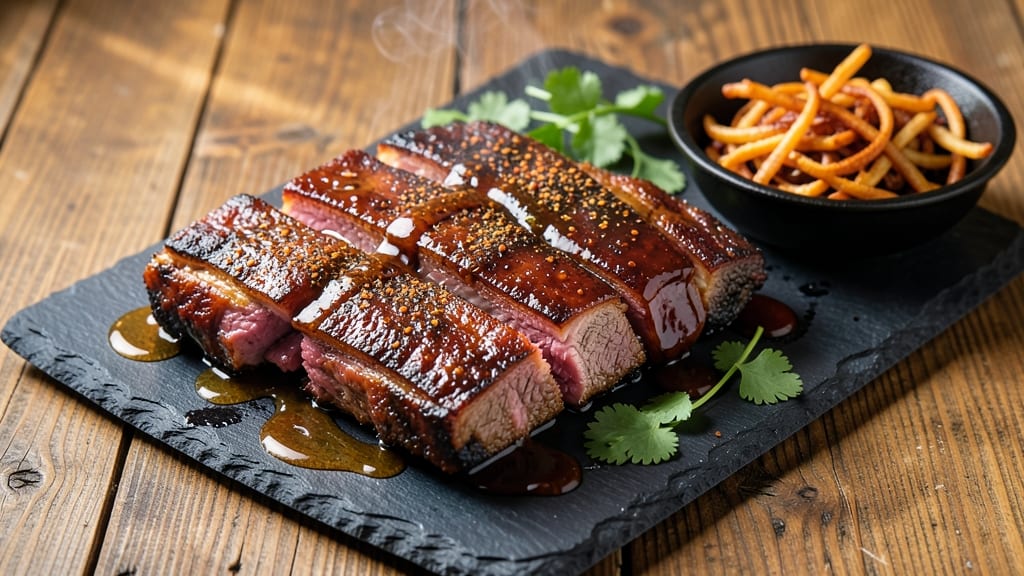
This barbecue beef spare ribs recipe delivers fall-off-the-bone tenderness with a smoky bark that’s become my signature dish at backyard gatherings. 🔥 The key lies in the 3-2-1 method—a slow cook that transforms tough meat into melt-in-your-mouth perfection while developing deep, caramelized flavors.
I’ve perfected this technique over years of pitmaster training, blending classic French precision with the bold traditions of smoke-cooked ribs.
The secret starts with a dry rub that clings to the ribs like armor, locking in moisture while creating that coveted crust. We’ll cook them low and slow—225°F for hours—until the meat pulls away from the bone effortlessly.
This isn’t just a recipe; it’s a restaurant-quality experience you can recreate at home, whether you’re smoking, grilling, or using your oven for a shortcut finish.
By the time you’re done, you’ll have ribs so tender they practically dissolve with the first bite, all wrapped in a glossy, sticky bark that’s sweet, smoky, and irresistibly crispy. The aroma alone will have your guests gathering at the table, and the leftovers?
They’ll disappear just as fast. This is the kind of dish that turns casual cookouts into legendary meals.
Serve with classic sides like tangy coleslaw or buttery cornbread to round out the experience. Whether you’re hosting a crowd or treating yourself to a solo feast, these ribs deliver unmatched satisfaction—every time. Let’s get cooking!
Ingredients for barbecue beef spare ribs
Four pounds of meaty ribs plus a dry rub that clings like armor—this is where smoky magic begins.
| Ingredient | Amount | Notes |
|---|---|---|
| Beef Spare Ribs 🥩 | 4 lb | Bone-in, meaty ends preferred |
| Brown Sugar 🍯 | ½ cup | Light or dark variety |
| Smoked Paprika 🌶️ | 2 tbsp | High-quality for smoky depth |
| Chili Powder 🌶️ | 1 tbsp | Medium heat preferred |
| Garlic Powder 🧄 | 1 tbsp | Freshly ground preferred |
| Onion Powder 🧅 | 1 tbsp | For balanced flavor |
| Ground Black Pepper 🌶️ | 1 tbsp | Freshly cracked for bite |
| Kosher Salt 🧂 | 1 tbsp | Diamond Crystal preferred |
| Mustard Powder 🍯 | 1 tsp | Yellow or Dijon preferred |
| Apple Cider Vinegar 🍎 | ¼ cup | For tangy balance |
| Yellow Mustard 🍯 | ¼ cup | For sticky bark |
| Honey 🍯 | ¼ cup | Wildflower preferred |
| Beef Broth 💧 | 1 cup | Homemade or quality store-bought |
| Wood Chips 🌳 | 1 package | Hickory or cherry preferred |
| Wood Chips 🌳 | 1 package | Hickory or cherry preferred |
The ribs are non-negotiable—meaty ends are key for that fall-off-the-bone texture. Costco or local butcher shops often have the best quality, but grocery stores work too. Look for ribs with good marbling—the white fat between the muscles means more flavor. If you can't find spare ribs, baby back ribs will work, but they'll be leaner and cook faster. Trim off any excess silver skin or membrane on the bone side before applying the rub—it's a game-changer for tenderness. The 4 lb package is perfect for 4 servings, but if you're feeding a crowd, double it.
No smoked paprika? Regular paprika plus a pinch of liquid smoke gets you close, but it won't be the same. The mustard powder and apple cider vinegar might sound odd, but they're what give that glossy, sticky bark its signature tang. Trader Joe's has a great yellow mustard for this. For the rub, I always toast the spices in a dry skillet for 30 seconds first—it deepens the flavor. The honey can be swapped for maple syrup if you're avoiding it, but honey's floral notes complement the smokiness beautifully. If you're short on time, pre-made BBQ rubs work, but they lack the custom balance of this recipe.
The dry rub keeps for 3 months in an airtight container, so make extra. Store the ribs uncovered in the fridge for 24 hours before cooking—they'll dry out slightly, which helps the rub cling better. For the wood chips, soak them in water for 30 minutes before using to prevent flare-ups. Leftovers? They're even better the next day—3-4 days in the fridge, or freeze for up to 3 months. Wrap tightly in foil or butcher paper to preserve that smoky flavor. Reheat slowly in a 250°F oven with a splash of beef broth to keep them moist.
Why You'll Love This Recipe
- One-Pan Magic: I swear by this recipe because it’s that easy—just ribs, a dry rub of brown sugar and smoky spices, and a slow cooker or oven. No basting, no flipping, no stress. The chili powder and garlic powder do all the heavy lifting while I sip my coffee.
- Sweet-Spicy Crunch: Between us, that caramelized brown sugar crust with a kick of chili powder? It’s the kind of flavor that makes people ask for seconds before I even finish serving. The smoked paprika adds this deep, earthy warmth that sticks with you—like a hug from a grill master.
- Tailgate to Tuesday: Honestly, these ribs work everywhere. Pack them for a football game, reheat them for a lazy dinner, or freeze half for when you’re too tired to cook. The rub stays bold even after reheating, so they’re always the star of the meal—no matter the occasion.
- Budget-Friendly Feast: A full pack of spare ribs feeds my family of four (plus leftovers for lunch) without breaking the bank. The spices cost pennies, and the sugar gives that restaurant-quality glaze without fancy ingredients. Best part? The leftovers taste just as good cold in sandwiches the next day.
Step-by-step instructions for perfectly smoked beef spare ribs
Here's the foolproof method for ribs that fall apart with a perfect smoky bark every time.
🔥 Step 1: Prep the Ribs and Season Generously
Start by removing the membrane from the bone side of the beef spare ribs. Slide a butter knife under the tough, silvery skin and gently pry it away from the bone—this ensures maximum tenderness. Pat the ribs completely dry with paper towels; moisture is the enemy of that perfect bark we're after.
In a large bowl, combine the 0.5 cup brown sugar, 2 tbsp smoked paprika, 1 tbsp each of chili powder, garlic powder, onion powder, and ground black pepper, 1 tbsp kosher salt, and 1 tsp mustard powder. Rub this mixture all over the ribs, pressing firmly so the spices adhere. Let them sit at room temperature for 30 minutes—this helps the seasoning penetrate and creates that sticky bark later.
🔥 Step 2: Set Up Your Smoker for Low-and-Slow Cooking
Fill your smoker with 1 package wood chips (hickory or cherry) and preheat to 225°F. I like to use a water pan in the smoker to maintain moisture—add 1 cup beef broth to it before lighting up. The ribs should go in fat-side up so the rendered fat bastes the meat as it cooks.
Here's the thing—don't open that smoker door for at least 2 hours. Every time you peek, you lose heat and extend cook time. The ribs are done when they reach 195-203°F internally, but the real test is tenderness. You'll know they're ready when they pull apart easily with tongs and the bone slides out like butter.
🥘 Step 3: Build the Sticky Glaze in the Last Hour
About 1 hour before the ribs are done, mix together 0.25 cup apple cider vinegar, 0.25 cup yellow mustard, and 0.25 cup honey in a small bowl. This becomes our sticky glaze that creates that beautiful bark. Once the ribs hit 195°F, brush this mixture generously over all surfaces.
Return them to the smoker and let them smoke uncovered for the final 30-45 minutes. Watch closely—they'll develop a deep mahogany bark that's both sticky and crispy. If the glaze burns before the ribs are done, just brush on another thin layer. The combination of the vinegar's acidity, mustard's tang, and honey's sweetness creates that perfect balance of flavors.
⏰ Step 4: Rest and Serve with Confidence
When the ribs reach 203°F and are fork-tender, remove them from the smoker and wrap tightly in aluminum foil. Let them rest for 10-15 minutes—this crucial step allows the juices to redistribute. Don't skip it; the meat will be more tender and won't dry out as you serve.
Slice between the bones and serve immediately. Each bite should deliver that perfect combination of smoky, sweet, and tangy flavors with meat that practically melts in your mouth. For extra presentation, arrange the ribs on a platter with any leftover glaze drizzled over the top. Pair with classic BBQ sides like coleslaw and cornbread for the full experience.
Pro Tips For Making Barbecue Beef Spare Ribs
- TRIM THE FAT CAP: After years of overcooking ribs because of that stubborn fat layer, I learned to slice off the thickest fat cap before seasoning—it’s the part that never renders properly and turns your ribs greasy instead of crispy. Use kitchen shears for speed, and don’t skip this if you want that clean, caramelized bark.
- BARK BEFORE BRAISE: My ribs used to turn out soggy because I rushed the dry rub. Instead of slapping on the brown sugar, smoked paprika, and chili powder right before cooking, let them sit uncovered in the fridge for at least 4 hours (overnight is better). The sugar draws out moisture first, so when you hit the heat, you get that perfect crust instead of sticky ribs.
- WATCH THE SUGAR BURN: Brown sugar is delicious but will burn if you’re not careful. After the first 20 minutes on the grill or in the oven, keep an eye on those ribs—if the sugar’s turning black before the meat’s tender, brush it off with a damp paper towel and reapply a thin layer of dry rub. Trust me, you don’t want to taste charred sugar with your beef.
- USE A MEAT THERMOMETER: I used to guess when ribs were done, and they either fell apart or tasted dry. For beef spare ribs, pull them at 195–203°F—the connective tissue breaks down at that temp, but going past 203°F risks toughness. If your thermometer isn’t hitting 195°F after 3 hours, wrap them in foil with a splash of apple cider vinegar and let them rest 30 more minutes.
Flavor customization for these flavors
Sweet Heat Variations
For a spicier kick, add 1 tsp cayenne pepper or 1 tbsp chipotle powder to the dry rub. I love using Penzeys chipotle powder—it brings deep, smoky heat that pairs perfectly with the sweetness.
If you prefer a milder heat, swap the cayenne for ½ tsp smoked paprika plus ½ tsp cinnamon for warmth without the burn. 🌶️
For a sweet-and-spicy twist, brush the ribs with a mix of ¼ cup molasses and 1 tbsp hot sauce (like Tabasco) during the last hour of cooking. The molasses caramelizes beautifully, creating a glossy, slightly sticky bark with a slow-building heat that lingers.
Smoky Depth Adjustments
If you want more intense smoke flavor, use a blend of hickory and cherry wood chips—hickory for boldness, cherry for fruity undertones. For a lighter smoke profile, try apple or pecan wood instead.
I once used mesquite wood for a competition entry, and it gave the ribs an earthy, almost coffee-like depth that won first place. 🌳
For a nutty, toasty variation, add 1 tbsp coffee grounds to the dry rub. The coffee enhances the smokiness and adds a subtle bitterness that balances the sweetness. Just
To amplify the tangy element, replace half the apple cider vinegar with rice vinegar or balsamic vinegar. The balsamic adds a complex, slightly fruity depth that works beautifully with the honey glaze. I’ve also used 1 tbsp Worcestershire sauce in the glaze for an extra umami punch—it’s a game-changer for depth. 🍯 For a richer, meatier flavor, add 1 tbsp soy sauce or 1 tbsp fish sauce to the glaze. The soy sauce brings a savory note that complements the smokiness, while fish sauce adds a funky, umami complexity. Use sparingly—just 1 tsp is enough to make a difference without overpowering. For a Texas-style twist, add 1 tsp coriander and ½ tsp cumin to the rub. This gives the ribs a slightly earthy, almost Middle Eastern-inspired flavor that’s become a signature in Central Texas BBQ joints. Serve with pickled jalapeños for extra heat and crunch. 🌶️ Inspired by Carolina-style BBQ, swap the honey for peach preserves in the glaze and add 1 tsp black pepper** to the rub. The peach adds a fruity sweetness that’s lighter than honey, and the extra black pepper gives it a sharp, almost peppery finish. This style is perfect for those who prefer a slightly tangier, fruit-forward bark.Tangy and Umami Boosters
Regional Style Twists
Nutrition facts
Frequently asked questions
How long do beef spare ribs take to cook at 225°F?
With the 3-2-1 method, these ribs typically need 3 hours to reach 195°F, then 2 hours to finish at 203°F, and 1 hour for the glaze. Total cook time: 6-7 hours. The key is patience—rushing leads to dry meat.
Can I cook beef spare ribs in the oven instead of a smoker?
Use a 275°F oven with a water pan for moisture. Cook for 4-5 hours until tender, then apply the glaze and broil for 5-10 minutes to create bark. For extra smoke flavor, add wood chips in a foil pouch near the ribs.
Why do my ribs turn out tough instead of tender?
Overcooking is the #1 culprit—ribs are done at 203°F, not when they look "done." Also, skip the membrane (it blocks heat) and pat ribs completely dry before seasoning. If using baby backs, reduce cook time by 1-2 hours—they’re leaner.
What’s the best way to reheat leftover ribs?
Wrap ribs in foil with 1 tbsp beef broth and reheat at 250°F for 30 minutes. Avoid microwaving—they’ll dry out. For extra flavor, brush with a mix of apple cider vinegar and honey before reheating. Leftovers stay tender for 3-4 days.
How do I know when the ribs are fully cooked?
Use the pull test: ribs should separate easily with tongs and the bone slide out like butter. The internal temp should hit 203°F, but the real test is tenderness. If they’re still firm at 203°F, wrap them in foil with ½ cup beef broth and cook another 30 minutes.