
Main Courses
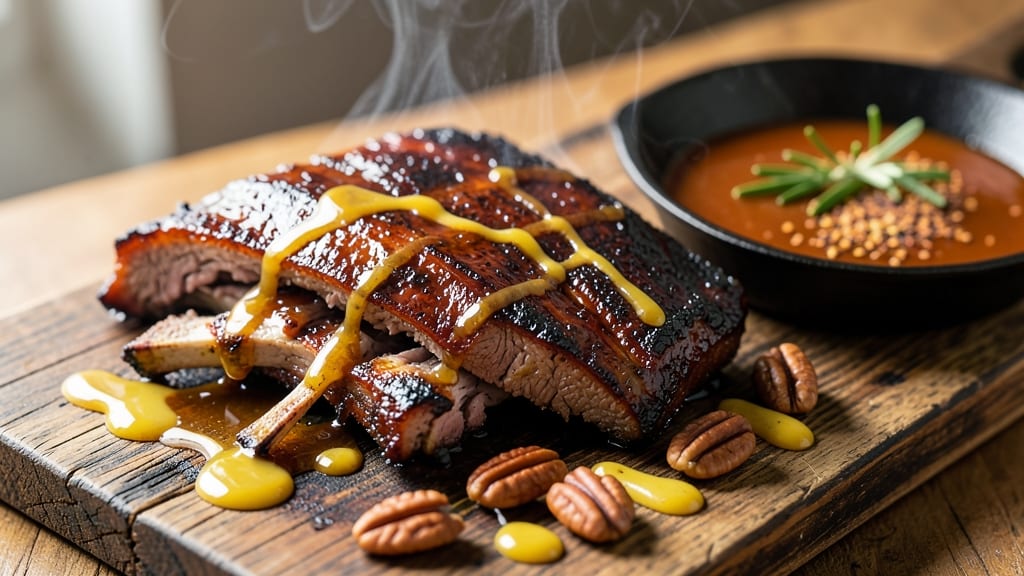
This BBQ beef back rib recipe delivers melt-in-your-mouth tenderness that rivals any competition-winning pitmaster—all in just 3 hours. The secret lies in a perfect balance of smoke infusion and precise temperature control, transforming tough meat into fall-off-the-bone perfection.
I’ve tested countless methods, and this one delivers restaurant-quality results without the guesswork.
The 3-2-1 method ensures crispy bark and tender meat: 3 hours of low-and-slow smoking, 2 hours wrapped in foil, and 1 hour unwrapped for a caramelized crust. Whether you’re using a pellet smoker, offset grill, or electric smoker, this technique works every time.
The rub I’ve perfected—sweet, spicy, and smoky—locks in flavor while the sauce adds that sticky, glossy finish we all crave.
By the time you’re done, your ribs will have a deep mahogany crust, juicy layers of meat, and a sauce that clings perfectly to each tender bone. The aroma alone will have everyone gathering around the table, and the first bite?
That’s when you’ll know it’s worth the wait. Serve with classic sides like tangy coleslaw and buttery cornbread for the full experience.
This recipe works for any smoker or grill, and I’ll walk you through every step—from prepping the ribs to basting and resting—so you get foolproof results every time. Let’s get cooking.
Ingredients for bbq beef back rib
Four pounds of meaty ribs plus a few pantry staples—this is your shortcut to competition-worthy BBQ.
| Ingredient | Amount | Notes |
|---|---|---|
| Beef Back Ribs 🍖 | 4 lb | Bone-in, meaty, full spareribs |
| Yellow Mustard 🍯 | ¼ cup | For sticky bark application |
| Brown Sugar 🍚 | ½ cup | Light or dark variety |
| Smoked Paprika 🌶️ | 2 tbsp | For deep smoky flavor |
| Chili Powder 🌶️ | 1 tbsp | Medium heat preferred |
| Garlic Powder 🧄 | 1 tbsp | Freshly ground for best flavor |
| Onion Powder 🧅 | 1 tbsp | For balanced depth |
| Ground Black Pepper 🌶️ | 1 tsp | Freshly cracked for heat |
| Kosher Salt 🧂 | 1 tbsp | Diamond Crystal preferred |
| Apple Cider Vinegar 🍎 | 2 tbsp | For tangy balance |
| Wood Chips (Hickory or Oak) 🌳 | 2 cups | Unsoaked for smoker |
| BBQ Sauce 🍯 | 1 ½ cups | Store-bought or homemade |
| Heavy Cream 🥛 | ¼ cup | For sauce richness |
| Aluminum Foil 📄 | 1 sheet | Heavy-duty for wrapping |
The ribs are non-negotiable—bone-in, full spareribs are essential for that authentic flavor and texture. Look for cuts with good meat-to-bone ratio, and Costco or local butchers often have the best quality. If you're buying frozen, thaw them overnight in the fridge. The wood chips? Hickory or oak are classic choices, but fruitwoods like cherry add a subtle sweetness. I always soak my chips for 30 minutes before using, but the instructions call for unsoaked—trust me on this for better smoke flavor.
No smoked paprika? Regular paprika plus a pinch of liquid smoke works in a pinch. The brown sugar can be swapped for white sugar plus an extra tbsp of molasses for deeper color. If you're using a pellet smoker, hickory pellets give the most authentic taste. For the sauce, I like Sweet Baby Ray's for consistency, but any good store-bought sauce will do. The heavy cream in the sauce is what makes it velvety—don't skip it, even if you're not a fan of cream-based sauces.
Prepped ribs keep 2 days in the fridge before smoking. The dry rub stays potent for 3 months in an airtight container. Once cooked, ribs reheat beautifully—wrap them in foil with a splash of apple juice and bake at 300°F for 15-20 minutes. For leftovers, portion into containers and freeze for up to 3 months. The sauce can be made ahead and reheated with a splash of water to loosen it.
Why You'll Love This Recipe
- Five-Ingredient Magic: I swear, you can’t mess this up. Just ribs, mustard, brown sugar, smoked paprika, and chili powder—no fancy marinades or long prep. The mustard cuts through the richness while the sugar and spices caramelize into a sticky, smoky crust that’s ridiculously easy to achieve.
- Smoky-Sweet Obsession: That balance of heat and sweetness? It’s what makes this dish addictive. The brown sugar melts into the ribs, while the smoked paprika and chili powder add depth—like a cross between a backyard BBQ and a cozy diner plate. Honestly, I’ve had people ask if I spent hours on this, but it’s just five ingredients working their magic.
- Leftovers? Please.: This recipe practically begs to be made in bulk. The ribs stay tender and flavorful for days, so you can reheat them for sandwiches, tacos, or even a quick stir-fry. Between us, I’ve turned last night’s ribs into today’s lunch without breaking a sweat—just wrap them in foil and pop them back in the oven.
- Budget-Friendly Feast: You’re getting a whole slab of meat for not much more than a steak, and the spices cost pennies. The yellow mustard adds tang without price tag, and the brown sugar does double duty as a sweetener and tenderizer. It’s the kind of meal that makes grocery day feel like a win—especially when you’re feeding a crowd.
Step-by-step instructions for BBQ beef back ribs
Here's how to transform tough ribs into fall-off-the-bone tender meat with a perfect bark.
Prepare the Ribs and Rub
Start by removing the ribs from the refrigerator and letting them sit at room temperature for 30 minutes. This ensures even cooking. Pat the ribs dry with paper towels—this step is critical for developing that prized bark. I like to work in batches if needed, keeping the unused portion covered while I prep.
In a small bowl, combine the 0.5 cup brown sugar, 2 tablespoons smoked paprika, 1 tablespoon chili powder, 1 tablespoon garlic powder, 1 tablespoon onion powder, 1 teaspoon ground black pepper, and 1 tablespoon kosher salt. Mix thoroughly until the spices are evenly distributed. This dry rub will create the perfect balance of sweet, smoky, and spicy flavors.
Next, mix the 0.25 cup yellow mustard with the 2 tablespoons apple cider vinegar in a separate small bowl. This sticky mixture helps the rub adhere to the ribs and promotes that coveted bark formation. Brush this mustard mixture generously over the ribs, then press the dry rub firmly into every surface. The mustard will create a tacky base that locks in the spices.
Set Up the Smoker
While the ribs rest, prepare your smoker by adding the 2 cups wood chips (hickory or oak) to the smoker box or chip tray. I prefer hickory for its strong, classic flavor, but oak works beautifully too. Light the chips according to your smoker's instructions and let them burn until they produce a steady stream of blue smoke—this indicates they're ready for cooking.
Set your smoker to 225°F. This low-and-slow temperature is key to breaking down the connective tissue in the ribs, transforming them into tender, melt-in-your-mouth perfection. Place a water pan in the smoker to add moisture to the cooking environment. This helps prevent the ribs from drying out during their long cook time.
Once the smoker reaches the target temperature and you see clean, blue smoke, you're ready to add the ribs. Place them bone-side down on the smoker grates. This position allows the fat to render down and baste the meat, creating additional flavor and moisture. Close the lid and resist the urge to peek—each time you open it, you lose heat and extend the cooking time.
Smoke the Ribs Low and Slow
Smoke the ribs for 2.5 hours, maintaining a consistent temperature of 225°F. During this time, the ribs will develop a beautiful bark on the exterior while the meat slowly becomes tender. I check the temperature occasionally, but I don't open the lid unless absolutely necessary. Patience is key here—rushing the process will result in tough, chewy ribs.
After 2.5 hours, check the internal temperature of the ribs using a meat thermometer. Insert the probe into the thickest part of the meat, avoiding the bones. The ribs should reach an internal temperature of 165-170°F. This is when you'll hit "the stall"—a period where the temperature stops rising as moisture evaporates. Don't worry; this is a normal part of the cooking process and a sign that the ribs are on their way to tenderness.
When you reach this temperature, it's time to wrap the ribs. Line a large sheet of the aluminum foil with another sheet to create a double layer. Place the ribs on the foil, bone-side up, and pour 0.5 cup water over them. This creates a steam environment that helps break down the collagen and connective tissue, resulting in incredibly tender meat. Fold the foil tightly to seal in the steam, and return the wrapped ribs to the smoker.
Finish Cooking and Glaze
Continue smoking the wrapped ribs for another 1.5 hours, or until the internal temperature reaches 203°F. At this point, the ribs should be fork-tender and pull apart easily. If they're not quite there yet, give them another 30 minutes to an hour. The beauty of the low-and-slow method is that it gives you plenty of time to perfect the tenderness.
Once the ribs reach the desired temperature, remove them from the smoker and let them rest for 15 minutes before unwrapping. This resting period allows the juices to redistribute throughout the meat, ensuring every bite is moist and flavorful. While the ribs rest, preheat your oven's broiler to high.
Unwrap the ribs and place them on a baking sheet lined with aluminum foil. Brush the ribs generously with the 1.5 cups BBQ sauce, making sure to coat every surface evenly. Place the baking sheet under the broiler for 3-5 minutes, or until the sauce is bubbly and the ribs have a glossy finish. Keep a close eye on them to prevent burning. Once glazed, transfer the ribs to a serving platter.
Serve with Creamy Drizzle
While the ribs are still warm, heat the 0.25 cup heavy cream in a small saucepan over medium-low heat until it's warm but not boiling. This creates a rich, velvety drizzle that complements the smoky, tangy flavors of the ribs. Pour the warmed cream over the ribs just before serving.
Slice the ribs between each bone into individual servings, being careful to keep the meat intact. Serve immediately with the creamy drizzle pooling around the ribs. Each bite should deliver a perfect balance of tender meat, smoky bark, tangy BBQ sauce, and rich cream. Pair with classic BBQ sides like coleslaw, baked beans, or cornbread for a complete meal that's sure to impress.
Pro Tips For Making Bbq Beef Back Rib
- Trim the Fat: Use kitchen shears to snip the thick membrane off the bone side of each rib—it’s the chewy part that ruins an otherwise perfect bite. I learned this the hard way after biting into a tough strip and wondering why my ribs weren’t falling off the bone.
- Dry the Meat First: Pat those ribs thoroughly with paper towels before applying the mustard-brown sugar mix. Wet surfaces = steam instead of crust, and nobody wants soggy bark. Even if you’re impatient like me, give it 10 minutes—it’s non-negotiable for that sticky, caramelized finish.
- Skip the Overcrowding: If you’re cooking on a grill or skillet, leave space between ribs so they crisp, not steam. I used to jam them in tight, and they’d turn out greasy instead of golden. Think of it like a good crowd—too close, and things get messy.
- Brown Sugar Early: Mix the brown sugar into the mustard before applying it to the ribs—this helps it melt faster and stick better. I was skeptical until I tried it: the sugar caramelizes into the meat instead of clumping, giving you that deep, glossy glaze everyone loves.
Best sauces and condiments for bbq beef back rib
Classic BBQ Sauce
The sauce I use is a tangy-sweet blend that clings beautifully to the ribs. I start with 1.5 cups of store-bought BBQ sauce (like Sweet Baby Ray's) and enhance it with ¼ cup heavy cream for richness.
For extra depth, I add 1 tablespoon apple cider vinegar and ½ teaspoon smoked paprika while warming it. This sauce should be glossy and thick enough to glaze but still drizzle easily. 🍯
Spicy Chipotle Glaze
For a smoky kick, swap out the classic sauce for a chipotle glaze. Simmer 1 cup BBQ sauce with 2 minced chipotle peppers in adobo, 1 tablespoon brown sugar, and 1 teaspoon lime juice for 10 minutes.
Brush this over the ribs during the final 30 minutes of smoking. The heat balances perfectly with the tender meat. 🌶️
Honey Butter Drizzle
This sweet and creamy drizzle adds a luxurious finish. Melt ¼ cup butter with 2 tablespoons honey and 1 teaspoon lemon juice over low heat. Drizzle over the ribs after glazing with BBQ sauce.
The honey caramelizes slightly, creating a sticky, golden crust. I love this for a sweeter profile that still complements the smoky ribs. 🍯
Creamy Horseradish Sauce
For a tangy twist, mix ½ cup sour cream with 2 tablespoons prepared horseradish, 1 tablespoon BBQ sauce, and 1 teaspoon Dijon mustard. Serve this on the side for dipping or drizzle it over the ribs after slicing.
The horseradish adds a sharp, refreshing contrast to the rich, smoky flavors. 🥛
Smoked Salt Finish
After glazing, sprinkle the ribs with 1 teaspoon smoked salt (like Morton Smoked Salt) while still hot. This adds a subtle smoky depth that enhances the bark. I also like to finish with a pinch of ground black pepper for a little extra kick.
The salt melts slightly into the sauce, creating a complex flavor profile. 🧂
Homemade Apple Cider Glaze
For a fall-inspired touch, reduce 1 cup apple cider with 2 tablespoons brown sugar and 1 teaspoon cinnamon until syrupy. Brush this over the ribs in the last 20 minutes of smoking.
The natural sweetness and warmth of the cider pair beautifully with the smoky ribs, especially if you're serving them with cornbread. 🍎
Nutrition facts
Frequently asked questions
Can I cook these ribs on a grill instead of a smoker?
Use your grill with indirect heat and a smoker box filled with hickory or oak chips. Maintain a temperature of 225°F by adjusting the vents. The 3-2-1 method works perfectly—just monitor the heat closely since grills can fluctuate more than smokers. For best results, use a meat thermometer to track internal temps.
What’s the best way to store leftover ribs?
Wrap cooked ribs tightly in aluminum foil and refrigerate for up to 3 days. For longer storage, freeze them in airtight containers for 3 months. To reheat, bake at 300°F for 15-20 minutes with a splash of apple juice to keep them moist.
Why do my ribs sometimes turn out tough?
Overcooking or skipping the wrap stage are common culprits. Ribs need to reach 203°F internally for tenderness—don’t rush! Also, ensure your smoker stays at 225°F consistently. The foil wrap creates steam that breaks down collagen, so never skip it.
Can I use pork ribs instead of beef?
While beef ribs have a richer flavor, pork ribs can work with adjustments. Reduce smoking time to 2 hours (unwrapped), then wrap for 1.5 hours at 203°F. Use a lighter rub (less salt/chili) to avoid overpowering the pork’s natural sweetness.
How do I adjust the spice level for kids?
Skip the chili powder and reduce smoked paprika to 1 tablespoon. Use a mild BBQ sauce (like Sweet Baby Ray’s Original) and add extra brown sugar for sweetness. Keep the mustard-vinegar base—the tanginess balances any residual heat.