
Main Courses
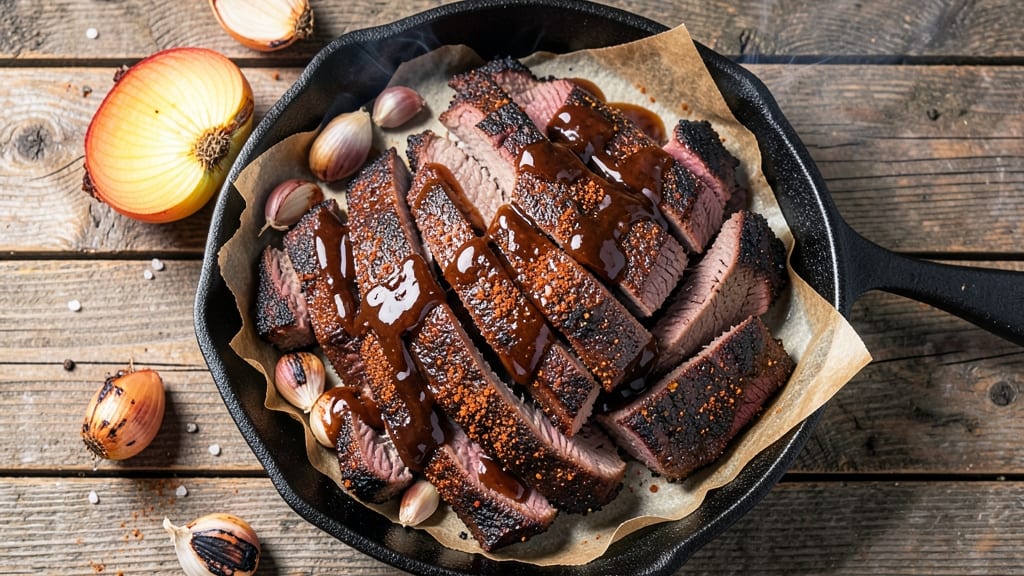
This BBQ beef brisket recipe grill transforms tough cuts into melt-in-your-mouth perfection with just 12 hours of dedicated attention. I learned the hard way that patience is everything—rushing the process means rubbery meat, and nobody wants that. The secret lies in low-and-slow cooking, where smoke and heat work together to break down collagen into rich, tender goodness.
What sets this recipe apart is the bark—a crispy, caramelized crust that forms naturally as the brisket cooks. We'll use a simple dry rub of salt, pepper, and smoked paprika to build that flavor foundation, then let the grill do the rest.
The key is maintaining a consistent temperature around 225°F, which might sound intimidating, but your grill's temperature gauge will be your best friend here.
By the time you pull that brisket from the grill, it should be so tender that a fork slides right through it. The meat will have developed a deep, smoky flavor with layers of complexity that come from hours of slow cooking.
This isn't just dinner—it's an experience that turns your backyard into a BBQ destination.
The best part? Leftovers are even better the next day, making this recipe perfect for feeding a crowd or meal prepping for the week. Serve with classic sides like cornbread and coleslaw to complete the meal. Let's get started on creating that perfect brisket.
Ingredients for bbq beef brisket recipe grill
Twelve hours of smoky magic starts with these simple, high-impact ingredients.
| Ingredient | Amount | Notes |
|---|---|---|
| Beef Brisket 🥩 | 6 lb | Whole packer cut, fat cap intact |
| Yellow Onion 🧅 | 1 whole | Cut into wedges for grill |
| Garlic Cloves 🧄 | 8 cloves | Smashed for rub adhesion |
| Kosher Salt 🧂 | ½ cup | Diamond Crystal preferred |
| Smoked Paprika 🌶️ | 2 tbsp | High-quality for smoky flavor |
| Ground Black Pepper 🌶️ | 1 ½ tbsp | Freshly cracked for bite |
| Granulated Garlic 🧄 | 1 tbsp | For even flavor distribution |
| Wood Chips 🌳 | 2 cups | Hickory or oak preferred |
| Apple Cider Vinegar 🍎 | 2 tbsp | For spritzing during cook |
| Beef Stock 🍲 | 1 cup | For spritzing, optional |
| Yellow Mustard 🟡 | 2 tbsp | For bark enhancement |
| Butter 🧈 | 4 tbsp | Unsalted, for final basting |
| Fresh Rosemary 🌿 | 2 sprigs | For aroma during cook |
The brisket is non-negotiable—packer cuts with fat cap are essential for that melt-in-your-mouth texture. Costco and local butchers usually have the best selection. Look for good marbling and avoid lean cuts, which won't render enough fat for moisture. I always buy a full 6-pound packer cut, even if I'm feeding fewer people—the leftovers are worth it. For the wood chips, Traeger or Butcher's Brand are my go-tos, but any quality hickory or oak will work. The fat cap is your friend—don't trim it unless you're a masochist.
No smoked paprika? Regular paprika plus a pinch of liquid smoke works in a pinch, but nothing beats the real deal. The apple cider vinegar is key for spritzing—it helps create that beautiful bark. Substitute lemon juice if you're out, but it won't be quite the same. For the rub, I always double-check my spices: if your paprika smells stale, toss it. The beef stock for spritzing can be swapped for water plus a bouillon cube, but real stock adds depth. And if you're feeling fancy, add a sprinkle of brown sugar to the rub for extra caramelization—just don't overdo it.
This brisket gets better as it rests, so plan ahead. Wrap it tightly in butcher paper or foil and let it sit for at least 1 hour before slicing. Store leftovers in the fridge for up to 5 days—they reheat beautifully. For freezing, slice it first and portion into meal-sized containers. The fat cap keeps everything juicy, but if you want to remove it for serving, do it after resting. And trust me, the first slice is always the best—save it for yourself.
Why You'll Love This Recipe
- Minimal Prep, Maximum Impact: I swear by this—just slice the brisket, toss in whole garlic cloves and onion chunks (no dicing!), then sprinkle salt and paprika. That’s it. The grill does all the work while I sip my beer and pretend I’m a pitmaster.
- Smoky-Sweet Magic: Between us, the smoked paprika and kosher salt turn tough brisket into something tender and addictive. The onions caramelize right on the grill, adding this deep, sweet crunch that makes every bite worth it.
- Weeknight or Crowd-Pleaser: Honestly, this feeds my family of five or doubles for a potluck with zero stress. Leftovers? Even better—shred it for tacos, sandwiches, or just reheat with a splash of BBQ sauce. It’s my go-to for lazy Sundays or unexpected company.
- Budget Beef That Lasts: A whole brisket stretches across meals, and the ingredients? Basic pantry staples. I’ve made this on $15 and fed six people—no fancy rubs, no stress. Plus, the flavor gets better the next day, so you’re basically getting double the value.
Step-by-step instructions for smoky grilled beef brisket
This method delivers melt-in-your-mouth tenderness with a perfect bark—no shortcuts, just pure technique.
Prepare the Brisket Rub and Season Generously
In a small bowl, combine the 0.5 cup kosher salt, 2 tablespoons smoked paprika, 1.5 tablespoons ground black pepper, 1 tablespoon granulated garlic, and the 8 smashed garlic cloves. Mix thoroughly until the salt crystals dissolve and the spices create a fine, even powder. This dry rub is your flavor foundation—don't skip the garlic cloves, they'll stick to the meat and infuse deep flavor.
Pat the 6 lb beef brisket completely dry with paper towels, then apply the rub all over, pressing firmly so it adheres. Pay special attention to the fat cap—this helps render fat during cooking. Let the brisket sit at room temperature for 1 hour while you prep the grill. Here's the thing—room temperature meat cooks more evenly, preventing cold spots that can lead to uneven doneness.
Set Up the Grill for Low and Slow Smoking
Fill the smoker box with the 2 cups wood chips (hickory or oak) and soak them in water for 30 minutes before using. Preheat your grill to 225°F—this low temperature is crucial for tenderizing the tough brisket fibers. Place the 2 sprigs fresh rosemary on the grill grates near the brisket for subtle aroma infusion during cooking.
Position the brisket fat-side up on the grill grates. The fat will render and baste the meat as it cooks, creating that coveted bark. Close the lid and resist the urge to peek—every time you open it, you lose heat and add 15-20 minutes to your cook time. I know it's tempting, but patience is key here. Smoke the brisket undisturbed for 4-5 hours, then check the internal temperature with a meat thermometer.
Monitor and Spritz for Perfect Moisture
When the internal temperature reaches 165°F (about 4-5 hours in), you'll hit "the stall"—the temperature stops rising as moisture evaporates. This is normal, but here's where the magic happens: mix 2 tablespoons apple cider vinegar and 1 cup beef stock in a spray bottle. Spritz the brisket generously every 30 minutes during this phase to maintain moisture and prevent drying.
Continue cooking until the internal temperature reaches 200-205°F (about 8-10 hours total). The brisket should be fork-tender with a deep mahogany bark. If the bark starts to darken too much, tent loosely with aluminum foil. The goal is that crispy exterior with melt-in-your-mouth tenderness underneath—this is where the real test of your patience pays off.
Wrap and Finish for Maximum Tenderness
Once the brisket reaches 200°F, remove it from the grill and wrap it tightly in butcher paper (not foil). The paper allows the bark to stay crisp while the meat continues cooking through the stall. Return the wrapped brisket to the grill and cook until the internal temperature reaches 205°F (about 1-2 more hours).
Remove the brisket from the grill and let it rest for 1 hour wrapped in the butcher paper. This resting period is non-negotiable—it allows the juices to redistribute throughout the meat. During this time, melt the 4 tablespoons butter in a small saucepan over low heat and mix in 2 tablespoons yellow mustard. This butter baste will elevate your brisket to restaurant-quality.
Slice and Serve with Confidence
Unwrap the brisket and slice it against the grain into ¼-inch thick slices. The grain direction will be visible—you'll see lines running through the meat. Use a sharp carving knife and cut perpendicular to these lines for maximum tenderness. Arrange the slices on a serving platter and brush each piece with the butter-mustard mixture.
Serve immediately with the juices pooled on the platter. Each bite should deliver that perfect balance of smoky bark, tender meat, and rich flavor. The brisket should be so tender it practically falls apart with a gentle pull. This is the moment you've been waiting for—smoky, fall-off-the-bone perfection that's worth every hour of the cook.
Pro Tips For Making Bbq Beef Brisket Recipe Grill
- Trim the Fat Cap: The thick fat layer on brisket is your friend—leave about ¼ inch intact. I used to cut it all off, thinking it was "unhealthy," but that fat renders down into flavor gold. If you’re worried about flare-ups, just move the brisket away from direct heat for 10 minutes while it crisps.
- Sear Over Direct Heat: Start with the grill or grill pan screaming hot—you’re not cooking here, you’re building a crust. Sear the brisket fat-side down first for 5 minutes straight, then flip. I skipped this once and ended up with mushy edges instead of that smoky bark everyone talks about.
- Salt the Night Before: Generously coat the brisket with kosher salt (about 1.5 teaspoons per pound) and let it sit uncovered in the fridge for 12–24 hours. Sounds weird, but it pulls moisture to the surface, making the crust crispier and the meat juicier. (Yes, even if you’re impatient like me.)
- Slice Against the Grain: Brisket’s muscle fibers run diagonally—cutting perpendicular to them turns tough meat into tender slices. Use a sharp knife and take your time; I once rushed this and ended up with chewy, stringy bites. A meat thermometer (203°F internal) is your real guide, not time.
Serving suggestions for leftovers
Classic BBQ Sides
The perfect brisket deserves classic Southern sides that complement its rich, smoky flavor. I always serve creamy coleslaw made with 1 cup mayonnaise, ¼ cup apple cider vinegar, 2 tablespoons sugar, and ½ cup shredded cabbage—the tangy crunch cuts through the richness beautifully.
For a heartier option, cornbread with 1 cup buttermilk, 1 cup cornmeal, and 2 eggs adds a sweet, crumbly contrast that soaks up any leftover juices. 🥗
Don't overlook baked beans—they're a brisket's best friend. My go-to recipe uses 1 lb dried navy beans, 1 cup BBQ sauce, ½ cup brown sugar, and 1 onion, simmered for 3 hours until thick and glossy.
The smoky-sweet balance makes every bite irresistible. Pro tip: Add a splash of bourbon for depth if you're feeling fancy.
Fresh Vegetable Pairings
For a lighter touch, grilled asparagus with lemon zest and olive oil adds a bright, fresh element to the meal. Toss 1 bunch asparagus in 2 tablespoons olive oil, 1 teaspoon lemon zest, and salt, then grill for 8-10 minutes until tender-crisp.
The charred edges contrast perfectly with the brisket's smokiness. 🌿
Another favorite is roasted sweet potato wedges—toss 2 lbs sweet potatoes in 2 tablespoons olive oil, 1 teaspoon smoked paprika, and ½ teaspoon cayenne, then roast at 425°F for 25 minutes.
The caramelized edges and natural sweetness make them a crowd-pleaser, especially with a sprinkle of fresh parsley before serving.
Drink Pairings
No brisket feast is complete without the right drink. A light lager like Peroni or Leffe Blonde cleanses the palate between rich bites, while a dry Riesling from Washington State adds a crisp, fruity contrast. For something stronger, a bourbon old-fashioned with orange bitters complements the smoky flavors beautifully. 🍺
If you're serving this at a backyard BBQ, iced sweet tea with lemon slices is a must—its Southern charm pairs perfectly with the brisket's deep, smoky notes. For a non-alcoholic option, sparkling water with lime keeps things refreshing without overpowering the meal.
Serving Presentation
Presentation matters almost as much as flavor. I like to arrange the brisket slices on a wooden cutting board with the juices pooled in the center, then garnish with fresh rosemary sprigs and crispy fried onions.
The rustic look makes it feel like a true backyard feast. For a more elegant touch, serve on a slate board with gold-rimmed plates—the contrast of dark meat against light porcelain is striking. ✨
Don't forget the side dishes—present them in individual bowls or a large platter with small scoops for easy serving. If you're grilling outdoors, use heat-resistant ceramic dishes that can go straight from grill to table.
And always keep a small bowl of extra BBQ sauce on hand for guests to add to their liking—it's a simple touch that elevates the experience.
Nutrition facts
Frequently asked questions
How do I know when my brisket is done?
Use a meat thermometer to check the internal temperature—it should reach 203-205°F in the thickest part. The probe should slide in like butter, and the bark should be deep mahogany with crispy edges. If it's still firm at 200°F, wrap it in butcher paper and cook another 30-60 minutes.
Can I cook brisket on a regular grill without a smoker?
Use a two-zone fire—place wood chips on one side and let them smolder. Move the brisket between hot and smoky sides every 30 minutes to maintain 225°F. Spritz with apple cider vinegar and beef stock to keep it moist. For extra smoke, wrap aluminum foil around the wood chips to create a makeshift smoker box.
What's the deal with \"the stall\" and how do I handle it?
The stall happens around 165°F when moisture evaporates, causing the temperature to plateau. This is normal! Spritz the brisket every 30 minutes with apple cider vinegar and beef stock to break the stall. Wrapping it in butcher paper at 200°F helps push through it faster. Patience is key—don't rush it!
How do I store and reheat leftovers?
Store sliced brisket in an airtight container in the fridge for up to 5 days or freeze for 3 months. To reheat, place slices in a skillet over medium-low heat with a splash of beef stock or BBQ sauce until warmed through (5-10 minutes). Microwaving works too, but it can dry out the meat. Leftovers are even better the next day!
What if my brisket turns out too dry?
Dry brisket usually means it cooked too fast or wasn't spritzed enough. Next time, maintain 225°F consistently, wrap it in butcher paper at 200°F, and spritz every 30 minutes. If it's already dry, try slicing thinly and serving with extra BBQ sauce or gravy made from the drippings. The fat cap helps retain moisture, so never trim it before cooking!