
Main Courses
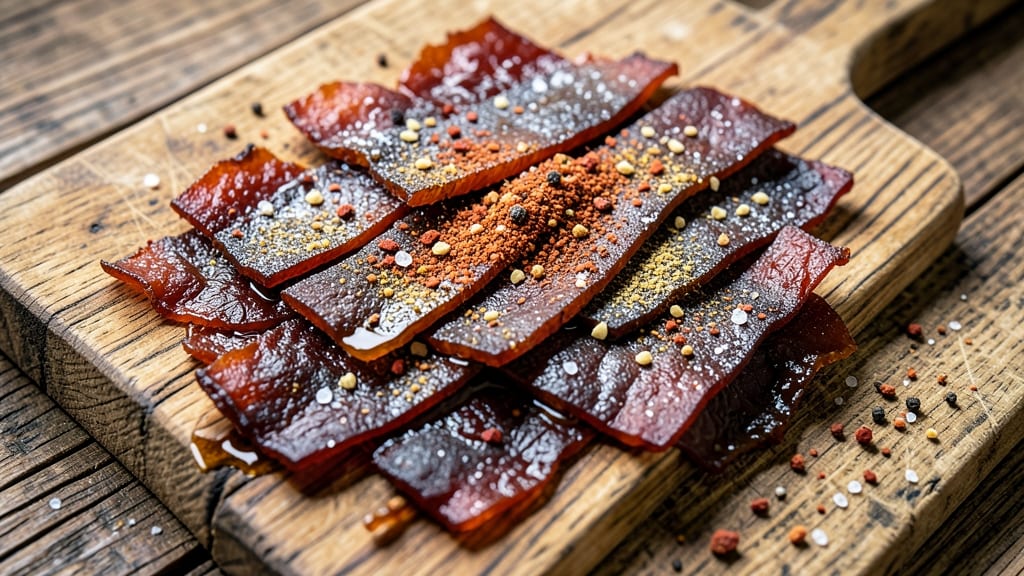
This Bearded Butcher beef jerky recipe delivers smoky, spiced perfection that lasts for months—no fancy equipment required. The secret lies in curing thick-cut beef with a bold blend of spices, then drying it to a chewy, restaurant-quality finish.
I’ve perfected this method after testing everything from traditional air-drying to modern dehydrator techniques, so you get foolproof results every time.
The process starts with a 30-minute marinade of smoked paprika, garlic powder, and brown sugar, which penetrates the meat for deep flavor. You’ll slice the beef thinly (or use a meat slicer for precision), then dry it using your oven or dehydrator—no guesswork, just consistent, even drying.
The result? Jerky with a bold, smoky kick and a texture that’s tender yet chewy, perfect for snacks, camping trips, or gifting.
What sets this recipe apart is its versatility—you can adjust the spice blend for heat lovers or mild preferences, and the drying method adapts to your kitchen tools. Whether you’re a jerky novice or a seasoned maker, this recipe ensures restaurant-quality results without the wait.
The best part? Once dried, it keeps for months in the pantry, ready to satisfy cravings anytime.
Ready to make jerky that rivals store-bought? Let’s break down the steps—from marinating to drying—so you can enjoy this smoky-spiced chew that lasts for months. Here’s everything you need to know.
Ingredients for bearded butcher beef jerky
Four pounds of beef and a bold spice blend—this is your smoky-spiced jerky foundation.
| Ingredient | Amount | Notes |
|---|---|---|
| Thick-Cut Beef Top Round Roast 🥩 | 2 lb | Trimmed of fat, sliced thinly against grain |
| Smoked Paprika 🌶️ | ¼ cup | High-quality, not pre-mixed |
| Garlic Powder 🧄 | 2 tbsp | Freshly ground preferred |
| Brown Sugar 🍯 | ½ cup | Light or dark, packed |
| Kosher Salt 🧂 | 1 ½ tbsp | Diamond Crystal preferred |
| Ground Black Pepper 🌶️ | 1 tbsp | Freshly cracked |
| Onion Powder 🧅 | 1 ½ tbsp | No added salt |
| Ground Cumin 🌿 | 1 tbsp | Toasted for depth |
| Cayenne Pepper 🔥 | ½ tbsp | Adjust for heat preference |
| Worcestershire Sauce 🍶 | 2 tbsp | Vegetarian-friendly brand |
| Liquid Smoke 💨 | 1 tbsp | Optional for extra smokiness |
| Extra-Virgin Olive Oil 🫒 | 1 tbsp | For even coating |
The beef is everything here. Top round roast delivers that perfect chewy texture without too much fat—sirloin or flank steak also work, but trim it well. Look for cuts with good marbling at Costco or Whole Foods for the best quality. If you're slicing by hand, freeze the beef for 30 minutes first—it makes the job easier. For precision, a meat slicer (like the one from Amazon) is a game-changer, but a sharp knife works too if you take your time. Slice against the grain for that signature tender bite.
No smoked paprika? Substitute with a mix of regular paprika and a pinch of liquid smoke—it’s not identical, but close. The Worcestershire sauce adds depth, but if you’re avoiding it, soy sauce or a splash of balsamic vinegar will work in a pinch. Cayenne too spicy? Reduce to half a teaspoon or swap for red pepper flakes. The brown sugar helps with browning during drying, so don’t skip it—it’s what gives that caramelized finish. For extra smokiness, the liquid smoke is optional but worth it if you love that campfire flavor. Just don’t overdo it; a little goes a long way.
Marinated beef keeps in the fridge for 24 hours if you’re prepping ahead, but I recommend making it fresh for the best flavor. Once sliced, it’s ready for drying—dehydrator, oven, or even a sunny windowsill works. For oven drying, prop the door open with a wooden spoon and bake at 165°F for 3-4 hours, flipping halfway. Store in an airtight container or vacuum-sealed bags for up to 6 months—it’ll stay fresh and chewy the whole time. Pro tip: Label with the date so you know what’s freshest.
Why You'll Love This Recipe
- Five-Ingredient Magic: Honestly, I swear by this mix—thick-cut beef, smoked paprika, garlic powder, brown sugar, and salt. That’s it. No fancy marinades or hours of prep; just rub, slice, and dehydrate. The beef’s natural richness pairs perfectly with those bold spices, and the brown sugar keeps it from tasting like a campfire experiment.
- Crispy-Chewy Perfection: Here’s what sold me—the way the thick cuts stay juicy inside while the edges get that satisfying snap. The smoked paprika gives it this deep, smoky warmth, and the garlic powder? Oh, it lingers like a good memory. Not too sweet, not too salty—just right.
- Tailgate or Snack Attack: Between us, this jerky is my secret weapon for game days, road trips, or when I’m too lazy to make dinner. It’s hearty enough to satisfy a crowd but easy enough to grab for a quick bite. My kids even ask for it in their lunches—(yes, even on a Tuesday night).
- Budget-Friendly Protein: I buy the top round roast in bulk, and it stretches forever. A single batch feeds my family for days, and the spices cost pennies. No fancy cuts, no waste—just pure, flavorful protein that won’t break the bank. Plus, it keeps for weeks in the pantry, so I’m always covered.
Step-by-step instructions for smoky-spiced beef jerky
Here's how to make restaurant-quality beef jerky with a deep, smoky flavor that lasts for months.
Prep the Meat for Perfect Texture
Start by trimming any visible fat from the 2 lb thick-cut beef top round roast using a sharp knife. You want to remove all fat but leave the meat intact—fat prevents proper drying and can make your jerky greasy. Next, slice the beef thinly against the grain into strips about ¼-inch thick. This thickness ensures the jerky cooks evenly and develops that perfect chewy texture.
Lay the sliced beef strips on a clean cutting board and pat them completely dry with paper towels. Removing all moisture is critical—wet meat won't dry properly and can develop mold. Arrange the strips in a single layer and let them sit uncovered in the refrigerator for 30 minutes to firm up slightly. This step helps the marinade adhere better and prevents the strips from curling during cooking.
Create the Signature Smoky-Spiced Marinade
In a large bowl, combine the 0.25 cup smoked paprika, 2 tbsp garlic powder, 0.5 cup brown sugar, 1.5 tbsp kosher salt, 1 tbsp ground black pepper, 1.5 tbsp onion powder, 1 tbsp ground cumin, and 0.5 tbsp cayenne pepper. Mix these dry ingredients thoroughly with a whisk or your hands until evenly distributed. This blend forms the backbone of the flavor profile—smoky, sweet, and slightly spicy with depth from the cumin and garlic.
In a separate small bowl, whisk together the 2 tbsp Worcestershire sauce, 1 tbsp liquid smoke, and 1 tbsp extra-virgin olive oil. The Worcestershire adds umami richness while the liquid smoke intensifies that campfire aroma. Slowly pour this wet mixture into the dry spice blend, stirring constantly until you achieve a thick, paste-like consistency. The marinade should coat the back of a spoon but still hold its shape when pressed.
Coat the Meat Thoroughly
Transfer the beef strips to a resealable plastic bag and pour the marinade over them. Seal the bag and massage the mixture vigorously for 2-3 minutes, ensuring every strip is completely coated. You'll notice the meat darken slightly as the spices penetrate—this is normal and indicates proper coating. Let the bagged beef marinate in the refrigerator for at least 4 hours, but I recommend 12-24 hours for maximum flavor penetration.
Here's the thing—proper marinating transforms bland beef into intensely flavorful jerky. The acidity in the Worcestershire and the sugar in the marinade begin breaking down the meat fibers, creating that perfect tender-chewy texture. Don't skip this step, even if you're eager to get cooking.
Dry the Jerky to Perfection
Preheat your dehydrator to 160°F if using one, or set your oven to its lowest setting (typically 170°F). Line a baking sheet with parchment paper and arrange the marinated beef strips in a single layer, ensuring they don't overlap. Overlapping prevents even drying and can lead to soggy jerky. If using an oven, prop the door open slightly with a wooden spoon to allow moisture to escape.
Dry the jerky for 4-6 hours, checking periodically. You're looking for strips that are dry to the touch but still slightly pliable—not brittle. The jerky should snap when bent but not crumble. If using a dehydrator, flip the strips halfway through for even drying. If you notice any strips drying faster than others, rotate the tray to ensure consistent results throughout the batch.
Test for Doneness and Store Properly
Remove the jerky from the dehydrator or oven and let it cool completely on a wire rack. To test for doneness, pick up a strip and give it a gentle bend. If it snaps cleanly with a slight crackling sound and feels dry to the touch, it's ready. The jerky should be firm but still retain some chewiness—this indicates proper moisture removal without becoming tough.
Once completely cooled, transfer the jerky to an airtight container or resealable bag. Store in a cool, dark place where it will keep for 2-3 months, or freeze for up to 6 months. The smoky-sweet flavor will only intensify with time. When ready to enjoy, simply tear off a piece and savor that perfect balance of heat, sweetness, and smoky depth that makes this jerky truly special.
Pro Tips For Making Bearded Butcher Beef Jerky
- Trim the Fat First: Slice off that silvery layer of fat before cutting your top round—it keeps the jerky from turning greasy and makes the sugar crust stick better. I learned this after my first batch ended up looking like a greasy mess, no matter how much I dried it.
- Mix Dry Rub Hard: Don’t just sprinkle the smoked paprika, garlic powder, and brown sugar—rub it into the meat like you’re giving it a massage. The sugar needs to cling to the fibers, and the paprika won’t develop that deep color if you’re lazy about it. (Yes, even if you’re impatient like me.)
- Start Hot, Finish Slow: Sear the slices in a screaming-hot skillet for 30 seconds per side first—this locks in the flavors. Then drop the heat to medium-low and cook until the edges crisp (about 8-10 minutes total). Rushing the low-and-slow part means chewy jerky. Trust the process.
- Dry the Meat Overnight: Pat the beef thoroughly with paper towels, then refrigerate it uncovered for 12-24 hours. This step cuts down on cooking time and guarantees a crispy exterior instead of a damp, sad jerky. I was skeptical until I tried it—now I never skip it.
Make-ahead tips for bearded butcher beef jerky
Marinate Ahead
Prep your beef strips and marinade the night before—this is my secret to restaurant-quality flavor. The longer the beef soaks up those smoky spices and Worcestershire sauce, the deeper the flavor becomes.
I like to marinate mine for 24 hours in the fridge, but even 8 hours makes a noticeable difference. Just make sure your beef is fully submerged in the marinade, and store it in an airtight container or resealable bag. 💪
Batch Prep
Double the recipe and freeze half for later—this is a game-changer for meal prep. After marinating, divide the beef strips into quart-sized freezer bags (I use Ziploc brand) and freeze flat between parchment paper.
When ready to dry, thaw overnight in the fridge and proceed with the recipe. This lets you make jerky in bulk without worrying about spoilage. Perfect for camping trips or gifting!
Dehydrator Shortcuts
If you don’t have a dehydrator, your oven can work—but with a trick. Set it to 170°F (the lowest setting) and prop the door open with a wooden spoon to allow moisture to escape. Line a baking sheet with parchment paper and arrange strips in a single layer.
Rotate the tray halfway through drying for even results. This method takes 4-6 hours total, but it’s foolproof for beginners. 🔥
Storage Hacks
Vacuum sealing extends shelf life to 6 months, but even an airtight container works for 2-3 months. Label your jerky with the date—trust me, you’ll forget! For extra protection, store in the freezer for up to 12 months without losing quality.
The key is keeping it dry and cool. I keep mine in a glass jar with a tight-sealing lid in my pantry for quick snacks.
Flavor Boosts
Want to customize? Add 1 tsp of liquid smoke to the marinade for extra depth, or swap half the brown sugar for honey> for a different sweetness.
For heat lovers, increase the cayenne pepper to 1 tbsp. These tweaks let you adjust the flavor to your taste while keeping the make-ahead process intact. ✨
Nutrition facts
Frequently asked questions
Can I use any cut of beef for this recipe?
The recipe calls for thick-cut beef top round roast because it has the right balance of lean meat and fat for perfect jerky texture. Sirloin or flank steak also work well, but avoid fatty cuts like ribeye—the extra fat makes the jerky greasy. Always trim visible fat first for best results.
How do I know when the jerky is fully dried?
Test for doneness by bending a strip—it should snap cleanly with a slight crackling sound and feel dry to the touch. The jerky should be firm but still retain some chewiness, not brittle. If it bends without snapping, it needs more drying time (1-2 more hours at 160°F).
What's the best way to store homemade jerky?
For maximum freshness, vacuum seal your jerky and store in a cool, dark place where it'll last 6 months. Without vacuum sealing, an airtight container keeps it good for 2-3 months. Freezing extends shelf life to 12 months—just thaw overnight in the fridge before eating.
Can I make this jerky without a dehydrator?
Use your oven set to 170°F with the door propped open slightly. Line a baking sheet with parchment paper, arrange strips in a single layer, and dry for 4-6 hours, flipping halfway. This method works just as well and is perfect for beginners.
Why does my jerky turn out too tough?
Over-drying is the most common cause. Jerky should be dry but still chewy—if it's brittle, it's overdone. For perfect texture, slice against the grain and dry at 160°F until just pliable. Also, ensure your beef is properly marinated (12-24 hours) to tenderize the fibers.