
Soups & Stews
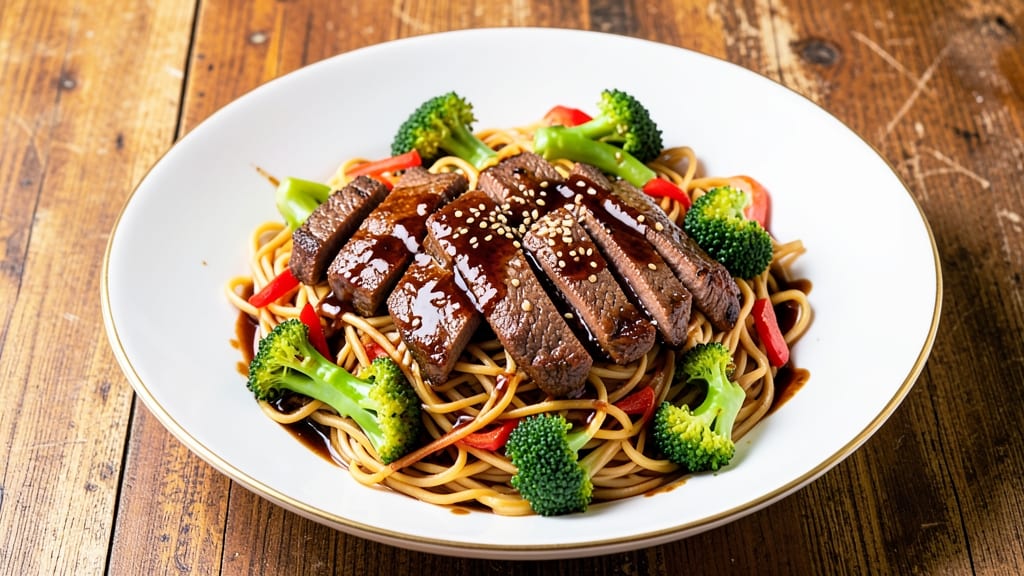
This beef and broccoli chow mein recipe delivers restaurant-quality wok-tossed noodles with perfectly seared beef and crisp-tender broccoli in just 25 minutes. The secret lies in high-heat stir-frying and a savory soy-oyster sauce that coats every noodle and bite of beef with rich, umami depth.
I developed this version after years of testing—it's the one that finally convinced even my pickiest eaters to go back for seconds.
What sets this recipe apart is the balance of textures: silky wheat noodles that hold their shape, crispy-tender broccoli with vibrant green florets, and quick-seared beef strips that stay juicy despite the high heat.
The sauce is where the magic happens—a perfect marriage of soy sauce, oyster sauce, garlic, and a touch of brown sugar that creates that signature chow mein flavor without being overly sweet.
We're talking about the kind of dish that transforms a simple weeknight dinner into something that feels like a special occasion.
The technique is straightforward but critical: start with properly prepped ingredients (thinly sliced beef, blanched broccoli, and perfectly cooked noodles) and work in batches to maintain high heat in your wok or large skillet.
This ensures everything gets that signature wok-tossed crunch while staying tender inside. The result is a dish that's packed with flavor, satisfyingly textured, and ready to serve in under half an hour—no takeout required.
This recipe serves 4 generously, making it perfect for feeding a crowd or meal prepping for busy weeks. The leftovers reheat beautifully, though I won't guarantee they'll last that long in your house.
Serve it over steamed rice for extra heartiness or keep it as-is for a satisfying noodle bowl. Let's get cooking!
Ingredients for beef and broccoli chow mein
Restaurant-quality wok-tossed noodles start with these carefully chosen ingredients.
| Ingredient | Amount | Notes |
|---|---|---|
| Flank Steak 🥩 | 1 lb | Thinly sliced against grain |
| Wheat Egg Noodles 🍜 | 8 oz | Fresh or dried, cut into 3-inch pieces |
| Broccoli Florets 🥦 | 4 cups | Cut into bite-sized pieces |
| Oyster Sauce 🍶 | 3 tbsp | High-quality, unsweetened preferred |
| Light Soy Sauce 🥄 | 2 tbsp | Low-sodium preferred |
| Sesame Oil 🌰 | 1 tbsp | Toasted, for finishing |
| Garlic Cloves 🧄 | 4 cloves | Minced, for sauce |
| Fresh Ginger 🌿 | 1 tbsp | Minced, peeled |
| Brown Sugar 🍯 | 1 tbsp | Light, for balance |
| Cornstarch 🌾 | 1 tbsp | For velveting beef |
| Vegetable Oil 🫒 | ½ cup | High smoke point |
| Green Onions 🧅 | 3 whole | Sliced, for garnish |
| Sesame Seeds 🌰 | 1 tbsp | Toasted, for garnish |
| Diamond Crystal Kosher Salt 🧂 | ½ tsp | For seasoning |
| Ground Black Pepper 🌶️ | ¼ tsp | Freshly ground |
The beef selection is critical—flank steak delivers that signature chow mein texture when sliced thinly against the grain. Ask your butcher to slice it for you if you're unsure; otherwise, freeze it for 30 minutes before slicing for cleaner cuts. For the noodles, fresh egg noodles hold their shape best, but dried wheat noodles work in a pinch. Broccoli should be bright green and crisp—avoid florets with yellow stems. I always buy organic broccoli crowns and cut them myself for the freshest texture. The oyster sauce is where the umami magic happens—Lee Kum Kee or Kikkoman are my go-tos, but any high-quality brand will do.
No oyster sauce? Substitute with 2 tbsp hoisin sauce plus 1 tbsp soy sauce, though the flavor won't be identical. For the garlic and ginger, fresh is non-negotiable—dried powders lack the complexity. The cornstarch isn't just for thickening; it's what creates that signature velvet texture in the beef. If you're short on time, blanch the broccoli for 1 minute first to soften it slightly before stir-frying. The sesame oil should be toasted, not the flavored kind—it adds a completely different dimension. And yes, you can use peanut oil if sesame isn't available, but the flavor will differ slightly.
This dish reheats beautifully—microwave with a splash of water to revive the noodles' texture. Store leftovers in an airtight container for up to 3 days in the fridge, though I've never had any last that long. The sauce can be prepped ahead and stored separately for 5 days. For meal prep, portion the cooked noodles and beef separately, then toss with fresh sauce and veggies when reheating. The garnishes—green onions and sesame seeds—should always be added fresh at serving time for maximum brightness.
Why You'll Love This Recipe
- One-Pan Magic: I swear by this recipe—just toss the flank steak, broccoli, and noodles into one hot wok, and let the oyster sauce work its magic. No dirty dishes, no fuss, and the aroma alone makes the kitchen feel like a tiny Chinese bistro.
- Umami Bomb: That combo of oyster sauce and light soy on tender flank steak? It’s dangerously good. The broccoli stays crisp, the noodles soak up the flavor, and honestly, I’ve never tasted beef and broccoli this balanced before.
- Lunchbox Hero: Between us, this is my go-to for meal prep. Toss it in containers, and it reheats like a dream—still chewy noodles, still that perfect sauce clinging to the beef. My kids (and my husband) will eat it cold straight from the fridge. Yes, even on a Tuesday.
- Budget Stretch: Flank steak is affordable, and a single batch stretches for days—packed lunches, quick dinners, or even a lazy weekend brunch. I’ll be real: it’s my secret weapon for feeding a crowd without breaking the bank. The leftovers? Just as good the second time.
Step-by-step instructions for wok-tossed beef and broccoli chow mein
Master this classic stir-fry with precise timing and technique for perfect texture and flavor.
Velvet the Beef for Tender Bites
In a medium bowl, combine the 1 lb flank steak sliced against the grain, 1 tbsp cornstarch, 0.5 tsp Diamond Crystal kosher salt, and 0.25 tsp ground black pepper. Toss until the steak is evenly coated. Let it marinate for 15 minutes at room temperature—this ensures even cooking and prevents toughness.
Heat 0.25 cup vegetable oil in a wok or large skillet over medium-high heat until shimmering. Add the marinated beef in a single layer and sear undisturbed for 1-2 minutes until the underside develops a deep golden crust. Flip and repeat on the second side. Remove the beef and set aside—it should be caramelized but still slightly pink inside at this stage.
Stir-Fry Aromatics and Broccoli
In the same wok, add the remaining 0.25 cup vegetable oil and swirl to coat. Add the 4 cloves minced garlic and 1 tbsp minced fresh ginger, stirring constantly for 20-30 seconds until fragrant but not browned. Immediately add the 4 cups broccoli florets and stir-fry for 2-3 minutes until bright green and just tender-crisp.
Real talk: Don't overcrowd the pan. If needed, work in batches to maintain high heat. The broccoli should retain its vibrant color and slight crunch—this is key for authentic chow mein texture. Season lightly with 0.25 tsp Diamond Crystal kosher salt at this stage to enhance natural sweetness.
Build the Sauce and Combine Ingredients
Reduce heat to medium and add 3 tbsp oyster sauce, 2 tbsp light soy sauce, 1 tbsp brown sugar, and 1 tbsp sesame oil. Stir for 1 minute until the sauce begins to thicken slightly. Return the seared beef to the wok and toss everything together for 2 minutes—this allows the beef to finish cooking while absorbing the flavorful sauce.
Here's where it gets critical: The sauce should coat the ingredients but remain glossy, not sticky. If it thickens too much, add 1-2 tablespoons hot water to maintain the perfect consistency. The beef should now be fully cooked with no pink remaining, and the broccoli should be tender-crisp with vibrant color.
Cook the Noodles to Al Dente
While the beef and broccoli cook, prepare the 8 oz wheat egg noodles according to package instructions for al dente texture. Drain immediately and rinse under cold water for 10 seconds to stop cooking. Toss with 1 tsp sesame oil to prevent sticking and keep them separate.
I always use a colander with holes large enough to drain quickly but not so large that noodles slip through. The rinse is crucial—it prevents the noodles from becoming mushy when tossed with the hot beef mixture. Drain thoroughly before proceeding to the final step.
Toss and Finish with Garnishes
Return the wok to high heat and add the drained noodles. Toss vigorously for 2-3 minutes until everything is evenly coated and heated through. The noodles should be hot but still holding their shape—this is the hallmark of perfect chow mein texture.
Remove from heat and finish with 3 sliced green onions and 1 tbsp toasted sesame seeds. Serve immediately while everything is piping hot. The dish should have three distinct textures: tender beef, crisp broccoli, and chewy noodles, all bound together by a glossy, savory-sweet sauce. For maximum flavor, serve with extra sesame seeds and green onions on the side.
Pro Tips For Making Beef And Broccoli Chow Mein
- Slice Thin, Slice Fast: Flank steak’s tough when it’s thick—cut it against the grain into ¼-inch strips, then freeze them for 20 minutes before cooking. The cold shock keeps them from curling up like sad little question marks in your stir-fry.
- Blanch Broccoli First: Toss broccoli florets in boiling water for 30 seconds, then shock in ice water. This stops the cooking, keeps them bright green, and ensures they stay crisp when they hit the wok later—no more soggy, limp florets ruining the texture.
- Salt the Noodles Wrong: Don’t rinse wheat egg noodles after cooking—they’ll turn mushy when tossed in the sauce. Instead, drain them, give a quick shake in the colander, then immediately coat with a tiny bit of oil. They’ll absorb the sauce better and stay chewy.
- Deglaze Like a Pro: After searing the beef, don’t just splash in soy sauce—scrape up those browned bits with a wooden spoon first. Those bits pack flavor, and skipping them means your sauce will taste flat, no matter how much oyster sauce you add.
Perfect pairings for these flavors
Side Dish Synergy
Pair your chow mein with steamed jasmine rice—it soaks up the rich sauce beautifully. I always serve 1 cup dry jasmine rice per person cooked separately, then mix in a splash of the chow mein sauce at the table.
For extra flair, add ½ cup sliced scallions and a sprinkle of toasted sesame seeds to the rice before serving. 🍚
Crispy Garnishes
Add crispy fried shallots or won ton strips for texture contrast. I like Kallo brand fried shallots (available in Asian markets) for their delicate crunch. For won tons, use store-bought wrappers and fry until golden—just 30 seconds per side—then sprinkle over the finished dish.
These elements elevate the dish from homemade to restaurant-quality.
Dipping Sauces
Serve with sweet chili sauce or spicy sriracha mayo on the side. For the chili sauce, mix 2 tbsp sweet chili sauce with 1 tsp lime juice.
For sriracha mayo, blend 2 tbsp mayo with 1 tsp sriracha—adjust heat to taste. These sauces cut through the richness and add customizable spice levels. 🌶️
Drink Pairings
A jasmine iced tea or light lager complements the dish perfectly. For tea, steep 2 tbsp jasmine tea bags in 4 cups hot water for 5 minutes, then chill.
A crisp Asahi Super Dry beer balances the savory flavors without overpowering them. For wine lovers, a dry Pinot Grigio offers refreshing acidity that cleanses the palate between bites.
Meal Prep Add-Ons
If meal prepping, store components separately: noodles, beef, broccoli, and sauce. Reheat noodles in a dry pan for 2-3 minutes, then toss with the other ingredients and fresh sauce.
For extra protein, add hard-boiled eggs or crispy tofu—both reheat well and add satisfying texture. Keep garnishes separate until serving to maintain freshness. ✨
Nutrition facts
Frequently asked questions
Can I use regular beef instead of flank steak?
Yes, but choose cuts that stay tender when cooked quickly. Sirloin or ribeye work well—just slice them thinly against the grain and marinate with cornstarch for 10-15 minutes before cooking. Avoid tougher cuts like chuck roast, as they won't tenderize properly in the stir-fry.
Why does my broccoli turn gray or mushy?
Overcooking or low heat causes this. Stir-fry broccoli for just 2-3 minutes over high heat until bright green and tender-crisp. If using frozen broccoli, thaw and pat dry first. For extra crunch, blanch florets for 1 minute in boiling water before stir-frying.
How do I make the sauce less sweet?
Reduce the brown sugar to ½ tbsp or omit it completely. For extra umami depth, add 1 tsp fish sauce or ½ tsp white pepper to the sauce. The oyster sauce already provides natural sweetness, so less sugar is often better. Taste as you go!
Can I make this gluten-free?
Yes! Use tamari or gluten-free soy sauce (replace both soy and oyster sauce with 3 tbsp gluten-free tamari plus 1 tbsp coconut aminos). For noodles, choose rice noodles or gluten-free wheat noodles. The texture will differ slightly, but the flavors remain delicious.
What's the secret to crispy noodles?
Cook noodles al dente, rinse with cold water for 10 seconds, and toss immediately with 1 tsp sesame oil before adding to the wok. High heat and constant tossing prevent sogginess. For extra crunch, add 1 tsp cornstarch to the noodles before cooking.