
Soups & Stews
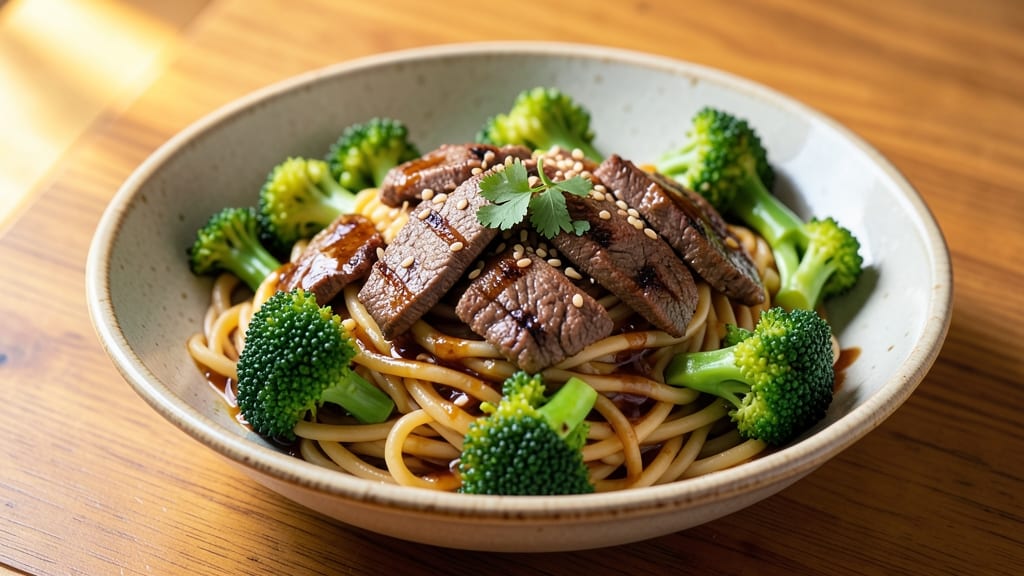
This beef and broccoli noodle stir fry delivers restaurant-quality flavor in just 30 minutes with minimal ingredients and one pan. The secret lies in properly searing the beef for tender yet flavorful bites while balancing sweet, savory, and aromatic elements in the sauce.
I've perfected this technique over countless weeknight dinners, ensuring every component comes together perfectly without overcrowding the pan.
The dish starts with thinly sliced beef that develops a caramelized crust from high-heat searing, then absorbs the rich soy-ginger sauce. Broccoli florets maintain their vibrant green color while achieving crisp-tender texture through quick stir-frying.
Wide egg noodles provide the perfect base, soaking up the flavorful sauce while remaining al dente. This method creates a harmonious balance where each ingredient shines without competing for attention.
What you'll end up with is a one-pan stir fry that's packed with protein-rich beef, nutrient-dense broccoli, and comforting noodles, all coated in a glossy sauce that's both sweet and savory.
The aroma alone will have everyone gathered around the table, and the first bite delivers that perfect combination of textures and flavors. This recipe transforms a simple weeknight dinner into something special with minimal effort.
Serve immediately over steamed rice for extra heartiness or enjoy as-is for a satisfying meal. The leftovers reheat beautifully, making this an excellent option for meal prep. Let's create this flavorful stir fry that brings restaurant-quality results to your home kitchen.
Ingredients for beef and broccoli noodle stir fry
Restaurant-quality beef and broccoli stir fry starts with these carefully selected ingredients.
| Ingredient | Amount | Notes |
|---|---|---|
| Flank Steak 🥩 | 1 ½ lb | Thinly sliced against grain |
| Egg Noodles 🍜 | 12 oz | Wide egg noodles preferred |
| Broccoli Florets 🥦 | 4 cups | Fresh, cut into bite-sized pieces |
| Sesame Oil 🫒 | 1 tbsp | For aroma, not cooking |
| Vegetable Oil 🫒 | 2 tbsp | High smoke point |
| Low-Sodium Soy Sauce 🥢 | ½ cup | Kikkoman preferred |
| Oyster Sauce 🍶 | 2 tbsp | Lee Kum Kee brand |
| Fresh Ginger 🌿 | 1 tbsp | Finely minced |
| Garlic Cloves 🧄 | 4 cloves | Minced finely |
| Honey 🍯 | 1 tbsp | For sauce sweetness |
| Cornstarch 🌾 | 1 tbsp | For sauce thickening |
| Sesame Seeds 🌰 | 1 tbsp | Toasted for garnish |
| Green Onions 🧅 | 3 whole | Sliced thinly |
| Salt 🧂 | ½ tsp | Diamond Crystal preferred |
| Black Pepper 🌶️ | ¼ tsp | Freshly cracked |
The beef selection is critical. Flank steak delivers the perfect balance of tenderness and texture when sliced thinly against the grain. Look for well-marbled cuts at your local butcher or Costco for the best quality. If pre-sliced beef is convenient, Trader Joe's carries excellent vacuum-sealed packages that save time. For the broccoli, choose bright green florets with tight buds—avoid any that feel rubbery or wilted. Fresh ginger and garlic should be vibrant and aromatic; if they smell musty, replace them immediately. Kikkoman soy sauce and Lee Kum Kee oyster sauce are industry standards for authentic flavor, though any quality brand will work in a pinch.
No sesame oil? Toasted peanut oil provides a similar aromatic profile, though with a different flavor note. Substitute low-sodium tamari for soy sauce if gluten-free is required. Fresh ginger can be swapped for 1 teaspoon ground ginger, but the texture and depth will differ. For the honey, maple syrup works equally well if you prefer a vegan option. The cornstarch can be replaced with arrowroot powder at the same ratio. If you're short on time, frozen broccoli works perfectly—just thaw and pat dry before cooking. The egg noodles should be wide and sturdy to hold up to stir-frying; barley noodles make an excellent gluten-free alternative.
Prep the beef and broccoli first—they should sit at room temperature for 15-20 minutes before cooking for even searing. Store the oyster sauce and soy sauce in the fridge after opening to preserve freshness, though they'll last 6-12 months unopened. The sesame seeds keep indefinitely in a cool, dark place, so toast them fresh before serving to maximize flavor. Leftovers reheat beautifully in a steamer basket over boiling water for 2-3 minutes, preserving that crisp-tender texture. Portion into airtight containers with parchment paper between layers to prevent sticking, and they'll keep for 4-5 days in the refrigerator.
Why You'll Love This Recipe
- 20-Minute Protein Fix: Honestly, I slice that flank steak thin while it marinates—no fancy prep. The noodles cook in the same pan, so I’m done before the broccoli even wilts.
- Umami Bomb: That sesame oil finish? It’s the secret weapon. The beef stays juicy, the broccoli gets a little char, and the noodles soak up all the savory sauce—every bite’s a flavor punch.
- Lunchbox Legend: Between us, this is my go-to for meal prep. Toss leftovers in containers, and they reheat like a takeout dream—no soggy noodles, just restaurant-quality bites all week.
- Budget Powerhouse: Flank steak stretches far, broccoli’s cheap, and a splash of sesame oil makes it feel fancy. I feed four for under $15, and no one complains. (Yes, even on a Tuesday night.)
Step-by-step instructions for beef and broccoli noodle stir fry
Master this wok-style stir fry with precise timing and technique for tender beef and vibrant vegetables.
Prep the Flank Steak for Perfect Texture
Slice the 1.5 lb flank steak thinly against the grain into ¼-inch strips. This ensures each bite remains tender despite the quick cooking. Pat the slices dry with paper towels—removing excess moisture prevents them from steaming instead of searing. Arrange the sliced beef on a plate and season with 0.5 tsp salt and 0.25 tsp black pepper, tossing gently to coat evenly.
Let the seasoned beef rest for 10 minutes at room temperature. This step is critical for even cooking—cold meat releases juices that dilute your sauce and creates uneven doneness. While it rests, prepare the remaining ingredients: finely mince the 4 cloves garlic cloves and 1 tbsp fresh ginger, then slice the 3 whole green onions thinly on the bias for garnish.
Cook the Beef in Stages for Maximum Flavor
Heat a 14-inch cast-iron skillet or wok over high heat until smoking, then add 2 tbsp vegetable oil. Swirl to coat the surface evenly. Working in two batches (to avoid overcrowding), add half the beef strips and cook undisturbed for 1-2 minutes until the edges develop a deep brown crust. Stir and repeat with the remaining beef, transferring the cooked portions to a plate as you go.
Here's the thing—don't walk away during this step. The beef needs that initial sear to lock in juices and build flavor. If it looks crowded, reduce heat slightly to prevent steaming. Once all beef is cooked, remove the skillet from heat and set aside. The residual heat will keep the beef warm while you prep the vegetables.
Stir-Fry Broccoli Until Crisp-Tender
Return the skillet to medium-high heat and add the 4 cups broccoli florets in a single layer. Stir-fry for 3-4 minutes until the edges turn bright green and just begin to soften. You want them to retain a slight crunch—overcooking releases moisture that dilutes your sauce. Season lightly with 0.25 tsp salt during cooking to enhance natural sweetness.
Push the broccoli to one side of the skillet, creating space for the aromatics. Add 1 tbsp vegetable oil, then the minced garlic and ginger. Cook for 30 seconds until fragrant—this releases their essential oils and forms the flavor base. If the garlic starts to brown too quickly, reduce heat slightly to prevent burning.
Build the Sauce with Precision Timing
In a small bowl, whisk together the 0.5 cup low-sodium soy sauce, 2 tbsp oyster sauce, 1 tbsp honey, and 1 tbsp cornstarch. This mixture should be smooth and free of lumps. Return the skillet to high heat and pour the sauce directly over the broccoli and aromatics. Stir vigorously for 1-2 minutes until the sauce thickens slightly and coats the vegetables.
Add the cooked beef back to the skillet and toss everything together for 30 seconds to distribute the sauce evenly. The cornstarch will create a glossy sheen and help thicken the sauce as it cooks. Taste and adjust seasoning—you might need a splash more soy sauce if it tastes too sweet, or a pinch of salt if it needs balance.
Finish with Noodles and Garnish
Bring a separate pot of water to a boil and cook the 12 oz egg noodles according to package instructions until al dente (typically 4-5 minutes). Drain immediately and rinse briefly with cold water to stop cooking. Add the noodles to the skillet with the beef and broccoli mixture, tossing gently to coat everything in the sauce.
Stir in 1 tbsp sesame oil for aroma and finish with the sliced green onions and 1 tbsp toasted sesame seeds. The sesame oil should infuse the dish with nutty depth while the seeds add texture. Serve immediately while the noodles are still hot—this stir fry is best enjoyed straight from the wok when everything is at peak texture and temperature.
Pro Tips For Making Beef And Broccoli Noodle Stir Fry
- Slice Thin, Slice Fast: Flank steak’s trick is in the cut—slice against the grain into strips just ¼-inch thick. I used to eyeball it and end up with chewy, overworked beef. Now I run the knife through once, then flip the stack and slice again for perfect tenderness every time.
- Blanch Broccoli First: Toss broccoli florets in boiling water for 30 seconds, then shock in ice water. This stops the cooking process so they stay bright green and crisp when they hit the pan later. Skipping this means soggy, limp broccoli—no one wants that.
- Don’t Crowd the Pan: Cook the beef in batches if your wok’s too small. I learned this after a greasy, steamed mess where the meat just sat there. A hot pan needs space to sear—start with half the beef, push it to the sides, and let it crisp before adding more.
- Finish with Sesame Oil: Add a teaspoon of sesame oil after everything’s cooked, right when you toss in the noodles. It’s not just flavor—it’s the aroma that makes the dish sing. Drizzle it in, stir once, and stop. Overdoing it turns the whole thing bitter.
Wine and beer pairings for this recipe
Light-Bodied Whites
A crisp Sauvignon Blanc from New Zealand or Loire Valley is my go-to pairing—its bright acidity and citrus notes cut through the rich beef and umami sauce beautifully. Look for bottles with 12-13% ABV to complement without overwhelming.
I love Kim Crawford Sauvignon Blanc or Oyster Bay Sauvignon Blanc for their zesty balance. The grapefruit and green apple flavors echo the broccoli's freshness while standing up to the soy sauce. 🍷
Rosé for Versatility
Dry Provence-style rosé offers surprising depth with its red fruit undertones and subtle earthiness. Choose a chilled bottle (around 50°F) to highlight its floral aromas. Whispering Angel or Miraval rosés provide enough body to handle the beef's richness while keeping the palate clean.
The pale color won't clash with the dish's vibrant presentation, making it a crowd-pleaser for warm-weather meals.
Asian-Inspired Sakes
For something different, try a dry junmai sake like Dassai 23 or Kubota Junmai. The clean, slightly nutty profile enhances the stir fry's umami elements without competing.
Serve it well-chilled (around 40°F) to emphasize its crisp finish. If you prefer something lighter, a sparkling sake adds effervescence that refreshes the palate between bites. 🍶
Beer Pairings
A light lager like Peroni or Asahi Super Dry works surprisingly well—their subtle malt sweetness complements the honey in the sauce. For hop lovers, a session IPA with 4-5% ABV (like Green Flash Hop Head) adds bitterness that balances the dish's richness.
Avoid heavy stouts or dark ales that would overpower the delicate flavors. A cold pilsner (around 45°F) keeps the meal feeling fresh and light.
Non-Alcoholic Options
For non-drinkers, a sparkling yuzu soda (like San Pellegrino Aranciata) mirrors the citrus notes in Sauvignon Blanc. Alternatively, jasmine green tea served iced provides floral complexity that pairs beautifully with the ginger and garlic.
Both options keep the meal feeling special without alcohol. The tea's delicate aroma also helps cleanse the palate between bites. ✨
Nutrition facts
Frequently asked questions
Can I use ground beef instead of flank steak?
While it's possible, flank steak delivers the best texture for stir fry—its lean fibers create tender, flavorful bites when sliced thinly. Ground beef will work in a pinch, but it lacks the satisfying chew and can make the dish feel heavier. If using ground beef, brown it thoroughly first to develop flavor, then proceed with the recipe as written.
How do I prevent the beef from getting chewy?
Slicing against the grain is critical—this shortens the muscle fibers for tender bites. Also, never overcrowd the pan when searing; cook in batches if needed. The beef should cook for just 1-2 minutes per batch until browned but still pink inside. Removing it from heat immediately after searing preserves its juices.
Can I make this dish ahead of time?
While the noodles are best cooked fresh, you can prep the beef and broccoli mixture up to 1 day ahead. Store in an airtight container in the fridge, then reheat in a skillet over medium heat for 3-4 minutes with a splash of water or broth. Add fresh noodles when serving to maintain texture. For longer storage, freeze the cooked components (without noodles) for up to 3 months.
What if my sauce is too thin?
Stir in ½ teaspoon cornstarch mixed with 1 teaspoon water and simmer for 1 minute to thicken. Alternatively, mash a small piece of bread into the sauce or add 1 tablespoon oyster sauce for body. The sauce should coat the back of a spoon without being gluey. Taste as you go—adjust sweetness with honey or saltiness with soy sauce.
Can I use gluten-free noodles?
Opt for rice noodles or chickpea-based noodles that hold up to stir-frying. Cook them according to package instructions (they're often quicker than egg noodles) and rinse with cold water to stop cooking. The dish's flavor balance will work perfectly—just ensure your soy sauce is tamari-based if avoiding gluten entirely.