
Soups & Stews
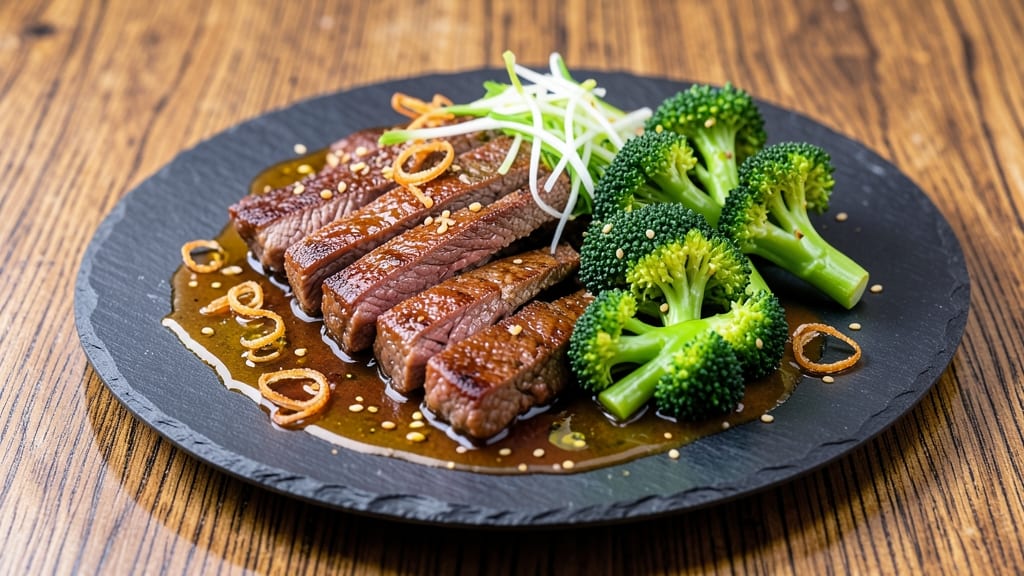
This beef and broccoli recipe transforms simple ingredients into a restaurant-quality dish with velvety soy-ginger sauce and crisp-tender broccoli—all in under 30 minutes. The secret lies in high-heat searing for the beef and precise stir-fry timing to maintain that signature wok-hei flavor.
I’ve perfected this technique through countless weeknight dinners, ensuring every bite delivers the perfect balance of savory, umami, and freshness.
What sets this recipe apart is the three-step cooking process: first, searing the beef until it develops a caramelized crust, then blistering the broccoli for just 2 minutes to preserve its vibrant color and crisp texture, and finally, deglazing the pan with a homemade soy-ginger sauce that thickens into a glossy, flavorful coating.
No shortcuts here—this is the real deal, adapted for home kitchens without sacrificing authenticity.
The result is a dish where tender strips of beef glisten with a glossy sauce, and bright green broccoli florets stay crisp enough to bite into.
The sauce, made with just 5 simple pantry staples, is rich yet balanced—sweet from the honey, tangy from the rice vinegar, and aromatic from fresh ginger and garlic. It’s the kind of meal that elevates a simple weeknight dinner into something special, with minimal effort and maximum flavor.
Whether you’re feeding a family or meal prepping for the week, this recipe scales effortlessly. The sauce can be made ahead and reheated, while the beef and broccoli cook quickly when needed.
Serve it over steamed rice for the full experience, or enjoy it as-is for a satisfying, protein-packed meal. Let’s get started—your taste buds will thank you.
Ingredients for beef and broccoli recipe ingredients
Simple yet transformative ingredients create restaurant-quality beef and broccoli with velvety sauce and crisp florets.
| Ingredient | Amount | Notes |
|---|---|---|
| Flank Steak 🥩 | 1 lb | Thinly sliced against grain |
| Broccoli Florets 🥦 | 2 cups | Fresh, cut into bite-sized pieces |
| Extra-Virgin Olive Oil 🫒 | 2 tbsp | High smoke point preferred |
| Sesame Oil 🌱 | 1 tbsp | For aroma, not cooking |
| Fresh Ginger 🧄 | 2 tbsp | Finely grated, aromatic |
| Garlic Cloves 🧄 | 4 cloves | Minced, fresh preferred |
| Low-Sodium Soy Sauce 🍶 | ½ cup | Kikkoman preferred |
| Rice Vinegar 🍶 | 2 tbsp | Seasoned preferred |
| Honey 🍯 | 1 tbsp | Wildflower preferred |
| Cornstarch 🌾 | 1 tbsp | For sauce thickening |
| Vegetable Oil 🫒 | ½ cup | For stir-frying |
| Diamond Crystal Kosher Salt 🧂 | ½ tsp | Adjust to taste |
| Freshly Ground Black Pepper 🌶️ | ¼ tsp | For seasoning |
| Toasted Sesame Seeds 🌱 | 1 tbsp | For garnish |
| Green Onions 🧅 | 2 whole | Sliced, for garnish |
The flank steak is non-negotiable for this dish—its lean yet tender texture sears beautifully and absorbs the sauce perfectly. Look for USDA Choice or Prime cuts at your local butcher or high-end grocery store like Whole Foods or Trader Joe's. If you can't find flank steak, sirloin works in a pinch, though it may be slightly less tender. Always slice against the grain for maximum tenderness, and trim any visible fat—it can make the sauce greasy. For the broccoli, bright green florets are key; avoid anything yellowing or rubbery. Store-bought broccoli crowns work fine, but if you're cutting your own, keep the stems intact for structure.
No sesame oil? Toasted peanut oil or even a splash of toasted sesame paste works, though the flavor will differ slightly. Substituting brown sugar for honey adds depth if needed, though the natural sweetness of honey balances the tangy rice vinegar beautifully. For a lower-sodium option, reduce the soy sauce to 3 tbsp and add an extra 1/2 tsp of Diamond Crystal kosher salt to the sauce. Fresh ginger and garlic are ideal, but if you must use powdered, reduce to half the amount—it lacks the same aromatic punch. The cornstarch is crucial for thickening; arrowroot powder works too, but cornstarch gives that classic glossy finish.
Prep the sauce ahead of time—it keeps for up to 5 days in the fridge and reheats beautifully. Store the beef and broccoli separately in airtight containers for up to 2 days before cooking. For meal prep, portion the sauce into ice cube trays, then transfer to a freezer bag for up to 3 months. When reheating, add a splash of water to the sauce to restore its velvety texture. Garnish with toasted sesame seeds and green onions right before serving—this adds freshness and visual appeal. The dish tastes even better the next day as flavors meld.
Why You'll Love This Recipe
- Foolproof Slice-and-Sear: I swear by the flank steak here—thinly sliced, no fancy butchering required. Toss it in the fridge for 20 minutes before cooking, and those stubborn fibers soften like magic. Honestly, the hardest part is waiting for the pan to heat up.
- Umami Bomb Combo: That first hit of sesame oil sizzling with olive oil? Instant flavor explosion. The ginger’s bright zing cuts through the richness, while the broccoli stays crisp-tender instead of soggy. (Yes, even my picky husband stops mid-conversation to eat more.)
- Lunchbox Hero: Pack the leftovers in rice bowls the next day—still packed with flavor, no sad desk lunches. Or double the batch for date night: serve over noodles, drizzle with extra sesame oil, and suddenly you’re a chef. My college dorm freezer had nothing on this.
- Budget Powerhouse: Flank steak stretches further than you’d think when sliced thin, and broccoli’s one of those veggies that’s always on sale. Fresh ginger lasts weeks in the freezer, so you’re not scrambling for substitutions. Between us, this is how I feed my family for under $15.
Step-by-step instructions for beef and broccoli with velvety soy-ginger sauce
Transform tender flank steak and crisp broccoli into a restaurant-quality dish with this precise technique.
Prep and Marinate the Flank Steak
Remove the 1 lb flank steak from the refrigerator and pat it completely dry with paper towels. This step is critical—any moisture on the surface will prevent proper searing. Using a sharp knife, slice the steak thinly against the grain into ¼-inch thick strips. Place the sliced steak in a shallow dish.
In a small bowl, combine 0.5 cup low-sodium soy sauce, 2 tbsp rice vinegar, 1 tbsp honey, 2 tbsp finely grated fresh ginger, and 0.25 tsp freshly ground black pepper. Pour this marinade over the steak, ensuring each piece is fully coated. Cover and refrigerate for at least 30 minutes (up to 2 hours for deeper flavor). The marinade will tenderize the beef while infusing it with aromatic complexity.
Stir-Fry the Broccoli to Perfect Crisp-Tender Texture
Heat 0.5 cup vegetable oil in a large wok or skillet over medium-high heat until the oil shimmers but doesn't smoke. Add the 2 cups broccoli florets in a single layer, ensuring they don't overcrowd the pan. Stir-fry for 3-4 minutes until the florets turn a vibrant bright green and develop a slight blistering on the edges—this indicates they're crisp-tender with a satisfying crunch.
Remove the broccoli with a slotted spoon and set it aside on a plate. Leave the oil in the pan; we'll use it for the beef. The residual heat will help maintain the oil's temperature for searing. If the oil appears dark or smoky, discard it and add 1 tbsp fresh extra-virgin olive oil to maintain a clean, high-heat cooking environment.
Sear the Marinated Beef to a Deep Brown Crust
Working in batches if necessary, add the marinated steak strips to the hot wok in a single layer. Avoid overcrowding—the beef needs space to develop that golden-brown crust. Let the strips sear undisturbed for 1-2 minutes until they develop a deep brown color on one side. Flip and sear the other side for another 1-2 minutes. The beef should be 80% cooked at this stage—it will finish cooking in the sauce.
Remove the beef with a slotted spoon and set it aside with the broccoli. The residual marinade in the pan will form the base of our sauce, so don't wipe out the wok. If the beef releases too easily, it needs more time—push down gently with a spatula to ensure proper contact with the hot surface.
Build the Velvety Soy-Ginger Sauce
Reduce the heat to medium-low and add 4 cloves minced garlic to the wok. Sauté for 30 seconds until fragrant—don't let it brown, or it will turn bitter. Stir in 1 tbsp cornstarch and cook for 1 minute, allowing it to toast slightly and remove any raw starch taste.
Gradually pour in 0.5 cup low-sodium soy sauce (reserving any leftover marinade from the beef) and 1 tbsp sesame oil. Bring the mixture to a gentle simmer, then add the reserved beef and broccoli back to the wok. Toss everything together for 2-3 minutes until the sauce thickens and coats the beef and broccoli evenly. The sauce should cling to the ingredients like silk, with a glossy sheen.
Finish and Garnish for Restaurant-Quality Presentation
Remove the wok from heat and stir in 1 tbsp toasted sesame seeds and 2 whole sliced green onions. The sesame seeds add a nutty crunch, while the green onions contribute a fresh, bright contrast to the rich sauce. Taste and adjust seasoning—add a splash of rice vinegar if the dish needs more brightness or a touch of honey if it's too salty.
Serve immediately over steamed jasmine rice or noodles, ensuring each bite delivers tender beef, crisp broccoli, and that velvety soy-ginger sauce. The dish should balance sweet, salty, umami, and aromatic notes in every forkful, with the broccoli offering a satisfying crunch against the silky beef.
Pro Tips For Making Beef And Broccoli Recipe Ingredients
- Slice Against the Grain: Flank steak’s fibers run long, and cutting them crosswise makes every bite tender. Grab your knife and angle those slices diagonally—no, not just any angle, but the one that follows the muscle’s natural path. I used to ignore this and ended up with chewy, disappointing mouthfuls.
- Blanch Broccoli First: Toss florets in boiling water for 30 seconds, then shock in ice water. This stops cooking, keeps them bright green, and prevents them from turning to mush when they hit the pan later. (Yes, even if you’re in a hurry—this takes 2 minutes and changes everything.)
- Use Ginger Zest, Not Paste: Fresh ginger’s zest adds bright, citrusy notes that jarred paste can’t match. Peel off the outer skin, then use a microplane to scrape just the thin yellow layer—about 1 teaspoon. No microplane? A sharp knife works, but don’t go overboard; you’re not peeling potatoes here.
- High Heat, Then Low: Sear the steak in a screaming-hot pan with olive oil until deeply browned—this builds flavor. Once it’s cooked through (3-4 minutes per side for medium-rare), pull it out and let it rest while you finish the broccoli. Crowding the pan later? That’s how you steam the meat instead of searing it.
Regional styles of these flavors
American Wok-Hei Style
This is the classic approach you’ll find in Chinese-American restaurants, where high heat and quick cooking create that signature "wok-hei" or "breath of the wok" flavor. The key here is using a carbon steel wok (like Mauviel or De Buyer) preheated until it’s nearly smoking hot.
I start by searing the beef in batches to avoid overcrowding, then toss in the broccoli just before adding the sauce. The secret? Don’t overcook the broccoli—it should stay bright green and crisp with just a slight blister. Serve immediately over jasmine rice for that authentic takeout experience. 🔥
Japanese Teriyaki Twist
For a lighter, sweeter take, swap the soy-ginger sauce for a teriyaki glaze made with mirin, sake, and Japanese soy sauce (shoyu). Thinly slice the beef even more—about ⅛-inch thick—and marinate it in the teriyaki mixture for 10 minutes max (longer marinating can make it mushy).
Use shirataki noodles or udon instead of rice, and garnish with pickled ginger and sesame seeds. The teriyaki version is less umami-heavy and more balanced, with a glossy, sticky finish. 🍶
Korean Bulgogi Fusion
Transform this dish into bulgogi-style beef and broccoli by marinating the beef in a mix of gochujang (Korean chili paste), soybean paste (doenjang), brown sugar, and pear juice (for tenderness).
Cook the beef in a cast-iron skillet until caramelized, then toss with broccoli and a sauce made from the marinade reduced with a splash of rice vinegar. Top with toasted sesame seeds and thinly sliced scallions.
The result is a sweet-spicy, sticky dish that’s far from the original but just as addictive. 🌶️
Southern BBQ Broccoli
Give it a Southern twist by swapping the soy-ginger sauce for a smoky BBQ glaze made with ½ cup BBQ sauce (like Sweet Baby Ray’s), 1 tbsp apple cider vinegar, and 1 tsp smoked paprika. Sear the beef as usual, then toss with broccoli and the glaze.
Finish with crumbled bacon and chopped cilantro for a dish that’s bold, smoky, and packed with umami. This version is a crowd-pleaser at family gatherings—especially if you serve it over cornbread instead of rice. 🍖
Vegetarian "Beef" Option
For a plant-based take, replace the beef with extra-firm tofu or shitake mushrooms. Press and slice the tofu into strips, then pan-fry until crispy. Use the same soy-ginger sauce but add 1 tbsp mushroom powder for depth.
The broccoli stays the same, and the dish still delivers that crisp-tender texture and savory sauce. Garnish with toasted cashews for crunch. It’s surprising how well this works—even meat lovers won’t miss the beef! 🌱
Nutrition facts
Frequently asked questions
Can I use a different cut of beef instead of flank steak?
Sirloin or ribeye work well, but slice them thinner (⅛-inch) since they're more tender. For leaner options, try top round—just marinate it 30-45 minutes longer to prevent toughness. Avoid fatty cuts like ribeye; excess fat can make the sauce greasy. Always slice against the grain for maximum tenderness.
Why does my broccoli turn mushy instead of staying crisp?
Overcrowding the pan or cooking too long are the usual culprits. Use medium-high heat and stir-fry for just 2-3 minutes—the florets should stay bright green with slight blistering. Cook in batches if needed, and avoid covering the pan (steam makes broccoli soggy). For extra crispness, add broccoli after searing the beef, using the residual heat.
Can I make this recipe without sesame oil?
Yes! Swap it for 1 tsp toasted peanut oil or ½ tsp toasted sesame paste (thinned with water). The flavor will differ slightly, but it won’t ruin the dish. For a nut-free option, skip it entirely—the sauce will still taste rich and savory. Sesame oil adds aroma, but it’s not essential for the sauce’s structure or flavor.
How do I adjust the sauce to be less salty?
Reduce the soy sauce to ¼ cup and add 1 tbsp honey or 1 tsp rice vinegar to balance flavors. For extra depth without salt, stir in 1 tsp fish sauce (if using) or ½ tsp miso paste. Always taste as you go—small adjustments make a big difference! The sauce should coat the back of a spoon but remain glossy, not sticky.
Can I prep this ahead of time for meal prep?
Store the marinated beef and raw broccoli separately in airtight containers for up to 2 days. Make the sauce ahead and refrigerate it—reheat with a splash of water to restore thickness. Cook the beef and broccoli fresh when ready, then toss with the reheated sauce. For longer storage, freeze the sauce in ice cube trays for up to 3 months.