
Soups & Stews
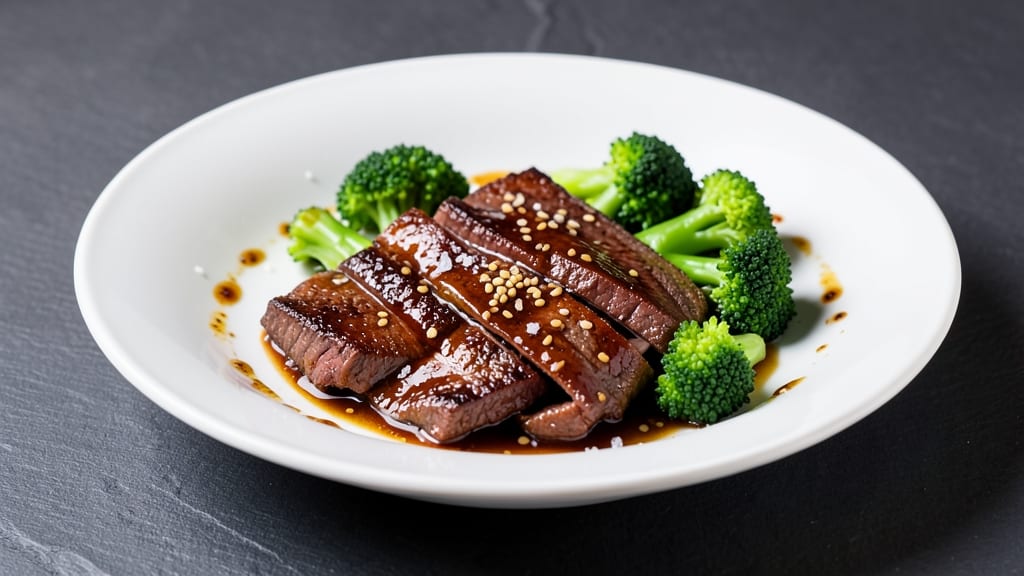
This beef and broccoli restaurant recipe delivers the same wok-seared perfection you crave from your favorite Chinese takeout—right in your kitchen. The secret lies in high-heat searing of the beef, quick blanching of the broccoli, and a sauce reduced to velvety umami richness.
I've perfected this dish over years of testing, ensuring every bite delivers that signature balance of tender beef, crisp-tender broccoli, and glossy, savory-sweet sauce.
The process starts with thinly sliced beef that develops a beautiful caramelized crust from the wok's high heat, while the broccoli gets just enough time to blanch—keeping it vibrant and crisp.
The sauce, made from a simple blend of soy sauce, brown sugar, and cornstarch, reduces to a glossy finish that coats every ingredient perfectly. This isn't just a stir-fry; it's a restaurant-quality dish that comes together in under 30 minutes with minimal effort.
What makes this recipe stand out is the technique: beef seared first for maximum flavor, broccoli blanched separately to maintain texture, and sauce reduced to a perfect consistency. The result is a dish that's restaurant-worthy—tender, flavorful, and visually appealing with its glossy sauce and vibrant greens.
Serve it over steamed rice to soak up every last drop of that umami-packed sauce.
Whether you're feeding a family or treating yourself to a weeknight dinner, this beef and broccoli delivers the same satisfaction as your favorite takeout—without the wait.
The key is attention to timing and heat control, ensuring the beef stays tender while the broccoli stays crisp. Ready to recreate this classic at home?
Ingredients for beef and broccoli restaurant
Wok-seared beef and vibrant broccoli with a sauce packed with restaurant-quality umami flavor.
| Ingredient | Amount | Notes |
|---|---|---|
| Flank Steak 🥩 | 1 ½ lb | Thinly sliced against grain |
| Broccoli Florets 🥦 | 2 cups | Cut into even bite-sized pieces |
| Extra-Virgin Olive Oil 🫒 | 2 tbsp | For high-heat searing |
| Sesame Oil 🫒 | 1 tbsp | For finishing aroma |
| Low-Sodium Soy Sauce 🥄 | ½ cup | High-quality brand preferred |
| Dark Brown Sugar 🍯 | 3 tbsp | For caramelized depth |
| Cornstarch 🌾 | 1 ½ tbsp | For sauce thickening |
| Garlic Cloves 🧄 | 4 cloves | Minced for sauce base |
| Fresh Ginger 🌿 | 1 tbsp | Grated finely for aroma |
| Green Onions 🧅 | 3 whole | Sliced for garnish |
| Toasted Sesame Seeds 🌰 | 1 tbsp | For garnish and crunch |
| White Wine Vinegar 🍶 | 1 tbsp | For sauce brightness |
| Kosher Salt 🧂 | 1 ½ tsp | Diamond Crystal preferred |
| Black Pepper 🌶️ | ½ tsp | Freshly ground |
The flank steak is non-negotiable here—it's lean enough to sear quickly but tender when sliced thin. Look for well-marbled cuts at the butcher counter or pre-sliced Asian market sections. I always ask for it to be sliced against the grain for maximum tenderness. For broccoli, freshness matters most—bright green florets with tight buds. If using pre-cut, rinse well to remove any bitter stem residue. The soy sauce should be low-sodium—Kikkoman or Lee Kum Kee are my go-tos, but any high-quality brand works. Brown sugar adds that signature caramelized depth, so don't skip it.
No sesame oil? Toasted peanut oil works in a pinch, though it'll have a different aroma. The cornstarch is crucial for that perfect glossy finish—Bob's Red Mill is my preferred brand, but any food-grade starch works. Fresh ginger and garlic can be swapped for paste if needed (use half the amount), but fresh is always better. For the wine vinegar, any white vinegar works—just avoid balsamic. The green onions should be fresh, not dried, for that bright pop of color. If you're short on time, scallions work too. And trust me, the sesame seeds are worth toasting—just dry-toast in a pan for 30 seconds until fragrant.
Prep everything before you start cooking—this dish moves fast. The sauce can be made ahead and reheated gently, but keep it covered to prevent skin. Leftover beef and broccoli keep 3-4 days in the fridge, though I rarely have any left. The sauce freezes beautifully for up to 3 months—just thaw and reheat gently. Pro tip: Double the sauce if you're making extra—it's perfect over rice or noodles the next day.
Why You'll Love This Recipe
- One-Pan Magic: I swear by this—just sear the flank steak, toss in the broccoli, and let the sesame oil work its nutty, aromatic spell. No dirty dishes, no extra pots, and that caramelized soy glaze? It happens while you’re stirring.
- Umami Bomb: The low-sodium soy sauce and sesame oil combo is where this dish gets its soul. That deep, salty-sweet punch from the steak’s crust, balanced by the broccoli’s crisp bite? It’s the kind of flavor that makes you pause mid-bite—even if you’re eating straight from the pan.
- Date Night or Lazy Night: Honestly, I’ve served this to friends over wine and to my kids after soccer practice. The steak stays tender, the broccoli stays bright, and the sauce? It’s rich enough to feel fancy but simple enough to make when you’re too tired to think. (Yes, even on a Tuesday night.)
- Leftovers That Don’t Suck: Most beef dishes dry out by day two, but not this. The sauce clings to the steak like glue, and the broccoli? Still snappy if you reheat it right. I pack it for work all the time—way cheaper than takeout, and way better. (My wallet and taste buds agree.)
Step-by-step instructions for wok-seared beef and broccoli
This restaurant-style dish delivers perfect wok hei flavor with tender beef and crisp-tender broccoli.
Prep and Sear the Flank Steak
Slice the 1.5 lb flank steak thinly against the grain into ¼-inch thick strips. Pat them dry with paper towels—this ensures maximum sear and prevents steaming. In a wok or large skillet, heat 2 tablespoons extra-virgin olive oil over high heat until shimmering. Add the steak in a single layer and let it sear undisturbed for 2 minutes until deep golden brown on one side. Flip and repeat for the other side—1 minute per side total. The steak should be medium-rare (130°F internal temp) but will finish cooking in the sauce.
Transfer the seared steak to a plate and tent loosely with foil to keep warm. Here's the thing—don't overcrowd the pan. If you need to work in batches, that's fine, but never more than half the pan at a time. The goal is that perfect wok hei flavor from high, dry heat.
Stir-Fry the Broccoli
In the same wok (no need to clean it—those flavorful bits matter), add 2 cups broccoli florets and stir-fry over high heat for 2-3 minutes until bright green and just beginning to soften at the edges. You want them crisp-tender, not mushy. Toss in the 4 minced garlic cloves and 1 tablespoon freshly grated ginger and cook for 30 seconds until fragrant—this infuses the broccoli with aromatic depth.
Remove the broccoli mixture and set aside with the steak. If your wok is crowded, work in batches. The key is maintaining that high heat throughout—this creates the signature wok hei flavor that sets restaurant versions apart from home cooking.
Build the Signature Sauce
Return the wok to high heat and add 1 tablespoon sesame oil, swirling to coat. Pour in the ½ cup low-sodium soy sauce and 1 tablespoon white wine vinegar, scraping up any browned bits from the bottom with a wooden spoon. This deglazing captures all the meaty, caramelized flavor you've built. Add the 3 tablespoons dark brown sugar and stir until dissolved—this adds natural sweetness that balances the umami.
In a small bowl, whisk together 1.5 tablespoons cornstarch with 2 tablespoons water to make a slurry. Slowly pour this into the wok while stirring constantly. The sauce should begin to thicken immediately—1-2 minutes of cooking until it coats the back of a spoon. If it thickens too quickly, add a splash of hot water to adjust consistency.
Combine and Finish
Return the beef and broccoli to the wok, tossing everything together with the sauce. Cook for 1-2 minutes until everything is evenly coated and heated through. The steak should reach 135°F internal temperature—just warm through without overcooking. Taste and adjust seasoning with more kosher salt or black pepper if needed.
Turn off the heat and stir in 1 tablespoon toasted sesame seeds and 3 sliced green onions. The sesame seeds add nutty crunch while the green onions provide fresh contrast. Serve immediately over steamed rice—this dish tastes best straight from the wok when everything is piping hot.
Plate with Restaurant Flair
Divide the beef and broccoli evenly among four plates, fanning the rice slightly to create a base. Spoon the sauce generously over the top, allowing it to cascade down the sides for that signature restaurant presentation. Garnish with an extra sprinkle of toasted sesame seeds and a final drizzle of sesame oil if desired.
This dish delivers that perfect balance of textures—tender beef, crisp-tender broccoli, and a glossy sauce that clings to every bite. The umami depth from the soy sauce and brown sugar creates that addictive restaurant flavor you crave, while the high-heat wok technique ensures authentic wok hei aroma. Serve with extra hot sauce on the side if you like your beef with a kick.
Pro Tips For Making Beef And Broccoli Restaurant
- SEAR STEAK IN BATCHES: Flank steak releases a ton of liquid when seared—crowd the pan and you’ll steam it instead of crisp the crust. Work in single layers, 2-3 minutes per side, and let the pan recover heat between batches. (Yes, it takes longer, but the flavor difference is night and day.)
- SALT THE BROCCOLI: Skip salting the florets until the very end—it draws out moisture and turns them soggy. Toss them with soy sauce and sesame oil after cooking, when they’re still hot. (Trust me, the texture stays perfect.)
- REST THE MEAT: That 5-minute rest after slicing isn’t optional—it’s what keeps the steak from turning into a chewy mess. Tent it loosely with foil and let it relax while you finish the broccoli. (I learned this the hard way when I rushed and got rubbery slices.)
- USE SESAME OIL LAST: Sesame oil burns fast—add it right at the end, just before serving, to keep its nutty aroma intact. A splash over the finished dish (not during cooking) makes all the difference. (I was skeptical until I tried it.)
Wine and beer pairings for this recipe
Red Wine Pairings
For this umami-rich dish, I always reach for a Chinese red wine like Cabernet Sauvignon or Merlot—both complement the soy and brown sugar perfectly. A California Cabernet with its dark fruit notes and subtle oak bridges the dish's savory-sweet balance.
If you prefer something lighter, a Pinot Noir from Oregon offers bright acidity that cuts through the richness. 🍷
Dry Riesling Balance
A dry Riesling from Germany or Washington State is my go-to for contrast—its crisp acidity and citrus notes refresh your palate between bites of beef. The slight sweetness in some Rieslings also enhances the brown sugar in the sauce. Look for a Kabinett or Spätlese with minimal residual sugar.
Beer Options
For beer lovers, a Japanese sake like Dassai (junmai) adds elegance with its clean, slightly nutty profile. Or try a Belgian witbier—the coriander and citrus notes mirror the ginger and vinegar in the sauce. Avoid heavy stouts or IPAs, which would overpower the dish's delicate balance.
Non-Alcoholic Choices
Skip the alcohol? A yuzu soda (Japanese citrus soda) or ginger beer with lime works beautifully—the effervescence cleanses your palate between bites. For something herbal, hibiscus iced tea with a splash of mirin adds subtle sweetness that complements the beef's umami.
Pro Tips for Pairing
Serve wine at room temperature (60-65°F) for reds and chilled (45-50°F) for whites. I always decant reds for 30 minutes before serving to enhance their aromas. For beer, pour sake into chilled glasses—the cold temperature highlights its clean finish.
The key is matching the drink's acidity or fruitiness to cut through the sauce's richness. ✨
Nutrition facts
Frequently asked questions
Can I substitute flank steak with another cut?
Sirloin or ribeye work beautifully—just slice them ¼-inch thick against the grain for tenderness. Avoid tougher cuts like chuck, as they won't sear properly. For extra-lean options, try top round, but marinate it for 30 minutes first to keep it juicy.
Why does my broccoli turn mushy?
Overcooking is the usual culprit! Broccoli should cook for only 2-3 minutes over high heat—it's done when bright green with just a slight softness. Crowding the pan also steams the florets instead of searing. Work in batches if needed, and use a wok or large skillet for maximum surface area.
How do I make the sauce thicker/thinner?
For a thicker sauce, whisk in ½ teaspoon more cornstarch with 1 teaspoon water and stir until combined. Too thin? Add 1 teaspoon cornstarch slurry at a time while cooking. The sauce should coat the back of a spoon but still be pourable—aim for 30-seconds of thickening time after adding slurry.
Can I make this ahead of time?
Yes! Prep the sauce up to 1 day ahead—store it in an airtight container and reheat gently. For the beef and broccoli, cook them fresh, but you can par-cook the beef (1 minute less than directed) and store separately. Reheat everything together for 2-3 minutes over high heat to maintain texture.
What's the secret to wok hei flavor?
The magic comes from high heat and minimal oil—just enough to prevent sticking. Use a carbon steel wok (or cast iron) and preheat it until it's smoking hot. Work quickly, don't overcrowd, and keep everything moving. The aroma from the searing beef and caramelized bits is what creates that signature restaurant smell!