
Soups & Stews
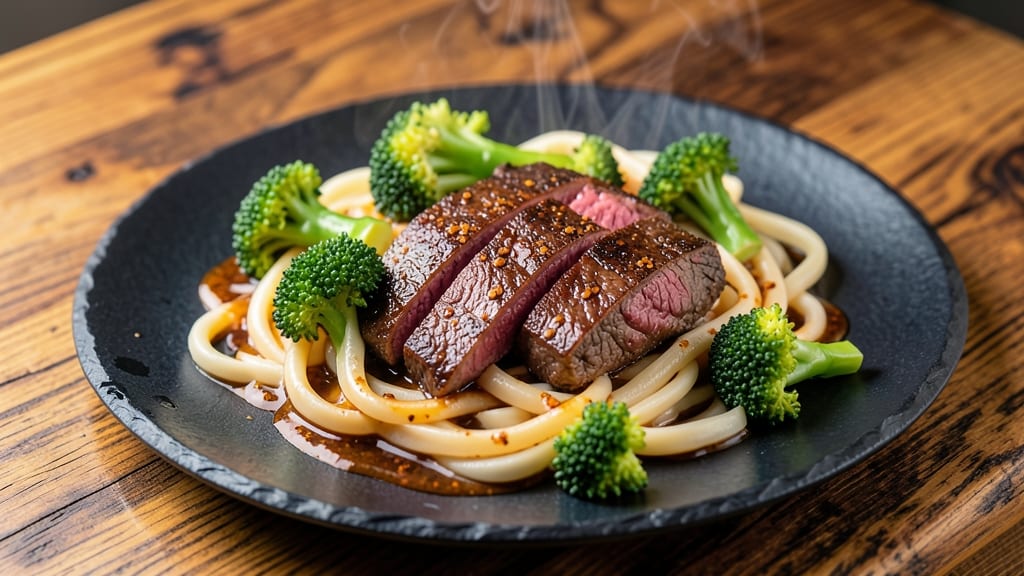
This beef and broccoli udon recipe delivers restaurant-quality silkiness in every bite—tender beef, crisp-tender broccoli, and perfectly chewy udon noodles all coated in a savory-sweet sauce.
The secret lies in the stir-fry technique: high heat for the beef creates that signature caramelized crust, while blanching the broccoli preserves its vibrant color and satisfying crunch.
I've perfected this dish after countless attempts to balance the textures and flavors just right, ensuring each component shines without overpowering the others.
The foundation of this recipe is proper preparation: thinly sliced beef marinated in soy sauce and cornstarch for maximum tenderness, udon noodles cooked just shy of al dente for that signature chewy texture, and broccoli blanched to maintain its vibrant green hue and crisp bite.
The sauce—made with a simple blend of soy sauce, oyster sauce, and a touch of brown sugar—ties everything together with its rich umami depth and subtle sweetness.
What sets this dish apart is the balance: the beef remains tender yet flavorful, the broccoli stays crisp, and the noodles maintain their signature chewiness without becoming mushy.
By following this method, you'll achieve a dish that's both comforting and sophisticated—a perfect weeknight dinner that feels like a special occasion.
The high heat searing of the beef develops a beautiful crust while keeping the interior juicy, and the quick stir-fry ensures the broccoli retains its vibrant color and satisfying crunch.
The result is a harmonious blend of textures and flavors that makes this udon dish a standout in any meal rotation.
Serve this beef and broccoli udon immediately, as the textures and flavors are best enjoyed fresh. Garnish with sliced green onions and sesame seeds for added freshness and visual appeal.
This recipe is designed to be both approachable for home cooks and impressive enough for dinner guests, making it a versatile addition to your culinary repertoire.
Ingredients for beef and broccoli udon
Restaurant-quality textures start with these carefully chosen ingredients—each playing a precise role in the dish's harmony.
| Ingredient | Amount | Notes |
|---|---|---|
| Udon Noodles 🍜 | 8 oz | Fresh or dried, cooked al dente |
| Flank Steak 🥩 | 1 lb | Thinly sliced against grain |
| Broccoli Florets 🥦 | 4 cups | Large florets for texture |
| Soy Sauce 🍶 | ½ cup | Kikkoman preferred quality |
| Oyster Sauce 🦪 | 2 tbsp | High-quality, not powdered |
| Brown Sugar 🍯 | 1 tbsp | Light or dark variety |
| Cornstarch 🌾 | 1 tbsp | For beef marinade |
| Sesame Oil 🫒 | 1 tbsp | Toasted for aroma |
| Green Onions 🧅 | 3 whole | Sliced thin for garnish |
| Sesame Seeds 🌰 | 1 tbsp | Toasted lightly |
| Garlic Cloves 🧄 | 4 cloves | Minced for marinade |
| Ginger Root 🌿 | 1 tbsp | Freshly grated |
| Vegetable Oil 🫒 | 2 tbsp | High smoke point |
| Salt 🧂 | 1 tsp | Kosher or sea salt |
| Black Pepper 🌶️ | ½ tsp | Freshly ground |
The flank steak is non-negotiable for this dish—its lean yet tender texture transforms when sliced thinly against the grain. Look for well-marbled cuts at specialty Asian markets or your local butcher, as this ensures maximum juiciness during the quick sear. I prefer to slice it myself (about 1/4-inch thick) for consistent cooking, but pre-sliced packages from Trader Joe's work in a pinch. The udon noodles should be fresh or high-quality dried—avoid pre-cooked varieties, as they lose their signature chew. For the broccoli, vibrant green florets are essential; larger pieces hold their texture better during the brief blanch. The soy sauce should be Kikkoman or equivalent—lower-quality brands add bitterness that overpowers the delicate balance of flavors.
No flank steak? Sirloin or ribeye can substitute, but slice it thinner to compensate for the slightly tougher texture. Fresh udon unavailable? Martini or other premium dried brands work well—just soak according to package instructions and rinse with cold water to stop cooking. The sauce components are flexible: vegetable-based oyster sauce works for vegetarian versions, though the umami depth differs slightly. For the cornstarch marinade, arrowroot powder is a 1:1 substitute if needed. The sesame oil should be toasted, not regular—La Choy or Kadoya brands are reliable. For extra heat, add a dash of chili crisp or red pepper flakes, but the original balance is intentionally mild to let the beef and broccoli shine.
Prep the beef marinade first—it needs at least 30 minutes to tenderize properly. Store any unused marinade in the fridge for up to 5 days (though I rarely have leftovers). The broccoli should be blanched no more than 2 minutes before stir-frying to maintain crispness—overcooking turns it mushy. This dish reheats beautifully: 3-4 days in the fridge or 3 months frozen. For freezing, portion into single servings before adding sauce to prevent sogginess. The garnishes (green onions and sesame seeds) can be prepped ahead and stored in the fridge for up to 1 week, though they're best used fresh for maximum brightness.
Why You'll Love This Recipe
- One-Pan Magic: I swear by this for nights when I’d rather not wash a million dishes. Sear the flank steak, toss in the broccoli florets, and let the soy and oyster sauces work their sauce magic—all while the udon cooks right in the same pot. Chef’s kiss for lazy days.
- Umami Bomb: The combo of soy sauce’s deep saltiness and oyster sauce’s rich, slightly sweet depth? It’s like a flavor hug for your taste buds. Thinly sliced flank steak soaks up every drop, and the broccoli adds that perfect crunch to cut through the richness.
- Lunchbox Hero: Between us, this is my go-to for meal prep. The udon holds up for days in the fridge—just reheat with a splash of water—and the beef stays tender. Pack it cold or warm, and you’ve got a satisfying lunch that doesn’t require a thermos.
- Budget Win: Flank steak stretches far when sliced thin, and udon noodles are cheaper than you’d think. Broccoli’s a pantry staple, and a little oyster sauce goes a long way. Honestly, it’s the kind of dish that makes me feel fancy without breaking the bank.
Step-by-step instructions for beef and broccoli udon
Master this fusion dish with perfectly tender beef, crisp-tender broccoli, and silky udon noodles.
🍳 Step 1: Prepare the Beef Marinade and Cook Udon
In a small bowl, combine the 1 lb flank steak with the 0.5 cup soy sauce, 2 tbsp oyster sauce, 1 tbsp brown sugar, 1 tbsp cornstarch, 1 tbsp sesame oil, 4 minced garlic cloves, 1 tbsp freshly grated ginger root, 1 tsp salt, and 0.5 tsp black pepper. Using your hands, massage the marinade into the steak until fully coated. Let it sit at room temperature for 15 minutes—this ensures even flavor penetration and proper searing.
While the beef marinates, cook the 8 oz udon noodles according to package instructions until al dente. Drain immediately and rinse under cold water to stop cooking. Toss the noodles with 1 tbsp sesame oil to prevent sticking and keep them warm. The noodles should be silky but still hold their shape when tossed.
🔥 Step 2: Sear the Beef to Perfection
Heat 2 tbsp vegetable oil in a wok or large skillet over high heat until shimmering. Working in batches if needed, add the marinated beef and sear for 2-3 minutes per side until the exterior develops a deep caramelized crust and the internal temperature reaches 145°F. Remove the beef from the wok and set aside—it will continue cooking slightly from residual heat.
Here's the thing—don't overcrowd the pan. If you're working with a large wok, you can cook all the beef at once, but if your pan is small, cook in batches. The goal is to achieve a Maillard reaction on the meat's surface, which creates that irresistible savory depth. If the beef releases easily from the pan without sticking, you're on the right track.
🥘 Step 3: Stir-Fry the Broccoli and Build the Sauce
In the same wok, add a bit more vegetable oil if needed and stir-fry the 4 cups broccoli florets over high heat for 3-4 minutes until the edges turn bright green and slightly charred. Remove the broccoli and set aside with the beef. The broccoli should retain a satisfying crunch while being tender enough to pierce easily with a fork.
Reduce the heat to medium, then pour in the remaining marinade from the beef (about 2 tbsp). Let it simmer for 1-2 minutes until it thickens slightly and coats the back of a spoon. This step creates the signature silky-saucy texture that clings beautifully to the noodles. If the sauce is too thick, add 1-2 tablespoons of water to achieve the perfect consistency.
🍽️ Step 4: Assemble and Garnish
Return the beef and broccoli to the wok and toss everything together with the cooked udon noodles. Stir-fry for an additional 1-2 minutes just to meld all the flavors. The noodles should be evenly coated with the savory sauce, and the beef should be fork-tender with a slightly crisp exterior.
Divide the beef and broccoli udon among four serving plates. Garnish each portion with thinly sliced green onions and toasted sesame seeds. The sesame seeds add a delightful nutty crunch that contrasts perfectly with the silky noodles and tender beef. Serve immediately while everything is hot and the flavors are at their peak.
Pro Tips For Making Beef And Broccoli Udon
- USE HIGH HEAT FOR BEEF: Flank steak needs that sear to stay tender, not tough. Crank the pan to medium-high, let it sit for 30 seconds until smoking, then add oil—this guarantees a crust that locks in flavor and moisture. I used to rush this and ended up with chewy strips every time.
- TRIM BROCCOLI STEMS THIN: Those thick stems take forever to cook and turn to mush. Slice them lengthwise into 1/4-inch strips—this cuts cooking time in half and keeps them crisp. Yes, it looks fussy, but your udon will thank you.
- SALT THE UDON WATER LATE: Add salt only after the water boils, then wait 2 minutes before adding noodles. This keeps them from sticking together while cooking, and they’ll hold their shape better in the sauce. I learned this the hard way—gloppy udon is no one’s idea of a good time.
- SAVE THE BEEF BROTH: After searing the steak, don’t toss that golden crust—deglaze the pan with a splash of water or dry sherry (if you’re fancy). Strain it into your sauce for depth. It’s not much, but it makes the difference between “good” and “restaurant-quality.”
Health benefits of beef and broccoli udon
Protein Powerhouse
This dish delivers a high-quality protein punch with the 1 lb flank steak providing about 40 grams of protein per serving. Flank steak is lean yet packed with iron and zinc, essential for muscle repair and immune function.
The cornstarch marinade not only tenderizes but also helps create a caramelized crust during searing, locking in those protein benefits while adding depth of flavor. 💪
Fiber-Rich Broccoli Boost
The 4 cups broccoli florets contribute 5 grams of fiber per serving, supporting digestive health and keeping you full longer.
Broccoli is also rich in vitamin C (about 85% of your daily needs per serving) and vitamin K, which plays a key role in blood clotting and bone health. The quick 3-4 minute stir-fry preserves these nutrients while adding that satisfying crunch.
Balanced Carbs from Udon
The 8 oz udon noodles provide complex carbohydrates for sustained energy, with about 45 grams per serving. Unlike white rice, udon contains some protein (around 10 grams per serving) and B vitamins like thiamine and riboflavin, which support metabolism.
Cooking them al dente ensures they maintain their signature chewiness while being easier to digest than overcooked noodles.
Umami Flavor Benefits
The sauce ingredients—soy sauce, oyster sauce, and brown sugar—create a rich umami profile that enhances digestion. Soy sauce contains isoflavones, plant compounds linked to heart health, while oyster sauce provides B12 and iron from its seafood base.
The 1 tbsp sesame oil adds healthy fats and antioxidants, giving the dish both nutritional benefits and that signature nutty aroma.
Low-Calorie Comfort
At around 450 calories per serving, this dish offers a balanced, satisfying meal without excessive calories. The high-heat stir-fry technique means minimal added fat—just 2 tbsp vegetable oil—compared to heavier stir-fry dishes that use more oil.
The broth-like sauce from the marinade reduction adds flavor without significant calories, making it a guilt-free comfort dish. ✨
Meal Prep Nutrition
This recipe stores well for 3-4 days in the fridge or 3 months frozen, retaining most of its nutritional benefits. The protein-rich beef and fiber-packed broccoli make it ideal for meal prep—just reheat gently to preserve texture and nutrients.
For extra nutrition, consider adding edamame or shiitake mushrooms to the stir-fry for additional plant-based protein and vitamins.
Nutrition facts
Frequently asked questions
Can I use dried udon noodles instead of fresh?
Dried udon works perfectly—just soak them according to package instructions (usually 5-7 minutes) until al dente. Rinse with cold water immediately to stop cooking, then toss with 1 tbsp sesame oil to prevent sticking. The key is to avoid overcooking, as dried udon can become mushy if left too long in hot water.
How do I keep the beef tender when stir-frying?
The secret is in the marinade and technique! Thinly slice the beef against the grain and marinate for at least 30 minutes with cornstarch to tenderize. Use high heat and cook in batches to avoid steaming—this creates a caramelized crust while keeping the inside juicy. A meat thermometer helps: remove beef at 145°F internal temp.
What if I don't have oyster sauce?
No problem! Substitute with 1 tbsp soy sauce + 1 tbsp hoisin sauce for depth, or use 2 tbsp vegetarian oyster sauce (though the umami flavor will differ slightly). For a simpler option, add 1 tsp fish sauce + 1 tsp brown sugar to mimic the savory-sweet balance. The dish will still taste delicious, just with a slightly different profile.
Can I make this dish ahead of time?
Yes, but with a few key adjustments. Cook the udon and beef separately, then refrigerate in airtight containers for up to 3 days. Reheat the beef and broccoli separately in a pan with a splash of water, then toss with the noodles and fresh sauce. For freezing, portion the cooked components (without sauce) for up to 3 months—just thaw overnight in the fridge before reheating.
Why does my broccoli turn mushy?
Overcooking is the most common culprit! Broccoli should only stir-fry for 3-4 minutes over high heat—it should stay vibrant green and slightly crisp. If using pre-cut florets, trim any woody stems first. For extra texture, blanch the broccoli for 1 minute before stir-frying, then shock in ice water to stop cooking. This preserves the crunch while ensuring tender centers.