
Main Courses
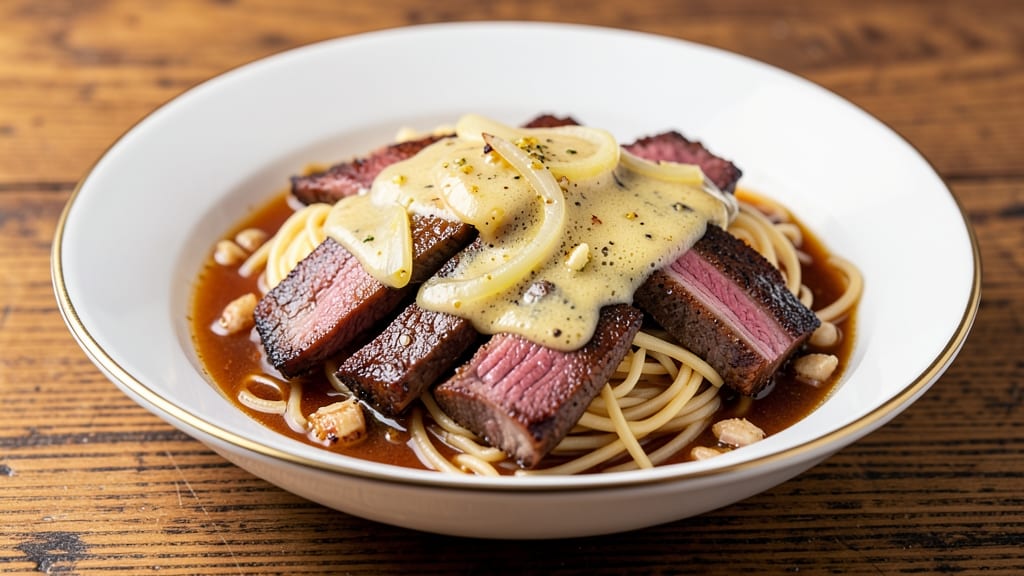
This beef and butter noodles recipe delivers restaurant-quality comfort in one foolproof bowl. The secret lies in searing thick-cut beef strips until deeply caramelized, then simmering them in a rich, aromatic broth until tender.
Every bite combines tender beef, velvety butter sauce, and perfectly al dente noodles—transforming a simple weeknight meal into something special.
The process starts with high-heat searing to develop deep flavor, followed by a slow simmer that infuses the broth with beefy richness. A splash of butter at the end creates that signature velvety finish while keeping the dish balanced.
I’ve perfected this technique over years of testing, ensuring the beef stays juicy and the noodles maintain their bite—no mushy strands here.
What makes this recipe stand out is the harmony of textures: crisp edges on the beef, tender yet firm noodles, and a sauce that clings perfectly without overwhelming.
The aroma alone—warm beef, garlic, and butter—will have everyone gathering at the table. Whether you're feeding a family or treating yourself, this dish delivers satisfaction in every spoonful.
Ready in under 45 minutes, it’s perfect for busy weeknights without sacrificing restaurant-quality results. The key is patience during the searing and simmering—trust the process, and you’ll end up with a dish that tastes like it took hours to prepare. Let’s get cooking!
Ingredients for beef and butter noodles
Thick beef strips, rich butter, and al dente noodles create this restaurant-style comfort dish.
| Ingredient | Amount | Notes |
|---|---|---|
| Thick-Cut Beef Strips 🥩 | 1 ½ lb | Ribeye or sirloin, 1/2-inch thick |
| Spaghetti Noodles 🍝 | 12 oz | Fresh or high-quality dried |
| Unsalted Butter 🧈 | ¾ cup | European-style preferred for flavor |
| Garlic Cloves 🧄 | 6 cloves | Minced, fresh preferred |
| Yellow Onion 🧅 | 1 whole | Thinly sliced, sweet variety |
| Beef Broth 💧 | 4 cups | Homemade or high-quality store-bought |
| Dry Sherry 🍷 | ¼ cup | Or substitute with beef broth |
| Soy Sauce 🥢 | 2 tbsp | Light or dark variety |
| Sesame Oil 🫒 | 1 tsp | For aroma, toasted sesame preferred |
| Diamond Crystal Kosher Salt 🧂 | 1 ½ tsp | Adjust to taste, don't oversalt |
| Freshly Ground Black Pepper 🌶️ | ½ tsp | Cracked peppercorns preferred |
| Green Onions 🧅 | 2 whole | Thinly sliced, for garnish |
| Toasted Sesame Seeds 🌱 | 1 tbsp | Optional garnish |
The beef selection is critical here—ribeye or sirloin strips with visible marbling deliver the best flavor. Look for cuts that are 1/2-inch thick at the butcher counter, as thinner slices will overcook. Whole Foods Market or local butcher shops often carry ideal cuts for this dish. If using frozen beef, thaw it overnight in the fridge to ensure even cooking. The noodles should be fresh or high-quality dried—avoid pre-cooked varieties that turn mushy. I prefer De Cecco or Barilla for their consistent texture.
No sherry on hand? Substitute with an extra 1/4 cup beef broth—it won't change the flavor profile dramatically. For the soy sauce, light soy adds more depth, while dark soy gives a richer color. The sesame oil should be toasted—Trader Joe's carries excellent options at a reasonable price. If you're sensitive to gluten, ensure your soy sauce is tamari. The garlic and onions can be prepped ahead—they'll keep in the fridge for 3 days if stored in airtight containers. For a quicker prep, use jarred minced garlic, though fresh is always preferred.
This dish reheats beautifully—simmer gently for 5-7 minutes to restore the butter's richness. Store leftovers in the fridge for 3-4 days, covered with a tight lid to preserve the aromatics. The butter sauce separates slightly when chilled, so give it a quick stir before reheating. For meal prep, portion into individual containers with a small pat of butter on top—it keeps the noodles from sticking. The flavors actually improve the next day as everything melds together, making this an ideal make-ahead dish for busy weeknights.
Why You'll Love This Recipe
- One-Pot Magic: I swear by this—just sear the beef in butter, toss in onions and garlic, then dump the noodles right in the same pan. No extra dishes, no stress, and honestly? The flavor just clings to everything like it’s meant to be there.
- Buttery Beef Bliss: That moment when the beef strips caramelize in butter? It’s like a hug in a bowl. The onions and garlic soften just enough to melt into the noodles, but the beef stays tender with a crispy edge—pure satisfaction in every bite.
- Leftover Goldmine: Between us, this dish tastes better the next day. The noodles soak up all the beefy, buttery juices, and reheating it is a 30-second microwave win. I make a double batch on Sundays just for this reason.
- Budget-Friendly Feast: Thick-cut beef strips stretch further than you’d think, and butter—well, it’s the star here. A single onion and a head of garlic cover the whole dish, and spaghetti? Cheap as can be. Feeds four for under $15, and everyone’s happy.
Step-by-step instructions for rich beef and butter noodles
Master this technique and you'll transform simple ingredients into a velvety beef broth that clings perfectly to al dente noodles.
Sear the Beef Strips for Deep Flavor
Pat the 1.5 lb thick-cut beef strips completely dry with paper towels—this ensures maximum browning. Heat a heavy skillet over medium-high heat and add 0.5 cup of the unsalted butter (reserve the remaining 0.25 cup). Once the butter foams, add the beef strips in a single layer and let them sear undisturbed for 3-4 minutes until a deep golden crust forms.
The key here is patience—don't move the beef until you see those caramelized edges. Flip once and sear the other side for another 3-4 minutes. Remove the beef and set aside on a plate, leaving all the rendered fat in the pan. This fat is the foundation of your rich sauce, so don't wipe it out. If the pan gets too hot, reduce to medium heat to prevent burning.
Build the Aromatic Base
In the same skillet (with all that delicious beef fat), add the 1 whole yellow onion and 6 cloves minced garlic. Cook over medium heat for 5-6 minutes until the onions soften and turn translucent, then golden at the edges. You should smell that sweet onion aroma—this is when you know they're ready.
Stir in the 0.25 cup dry sherry and let it simmer for 2 minutes until reduced by half. This step deglazes the pan, capturing all those browned bits that hold so much flavor. Add 2 tbsp soy sauce and 1 tsp sesame oil, stirring to combine. The soy sauce will deepen the umami, while the sesame oil adds a subtle nutty aroma that ties everything together.
Develop the Beef Broth Sauce
Pour in the 4 cups beef broth and bring to a gentle simmer. Return the seared beef strips to the pan and add 1.5 tsp diamond crystal kosher salt and 0.5 tsp freshly ground black pepper. Let the mixture simmer uncovered for 20-25 minutes, stirring occasionally, until the beef is fork-tender and the sauce has reduced by about one-third. You'll know it's ready when the sauce coats the back of a spoon and the beef pulls apart easily.
Here's where attention to detail matters: if the sauce reduces too quickly, add 1-2 tablespoons of hot water to maintain the right consistency. The goal is a velvety, clinging sauce—not watery, not thick. Taste and adjust seasoning, adding a pinch more salt if needed. Real talk: this is the moment that makes or breaks the dish.
Cook the Noodles to Al Dente Perfection
While the beef simmers, cook the 12 oz spaghetti noodles in a separate pot of heavily salted boiling water (it should taste like the sea) for 1 minute less than the package instructions. Fresh noodles will cook faster—test one for doneness by biting into it. When it's al dente (firm to the bite with a slight resistance), drain and reserve 1 cup of pasta water. This starchy water is liquid gold for balancing the sauce.
Don't rinse the noodles—those surface starches help the sauce cling. Add the drained noodles to the beef and sauce, tossing gently to coat. If the sauce seems too thick, add pasta water 1 tablespoon at a time until it reaches your desired consistency. The noodles should be fully coated in that rich, buttery beef sauce without being soggy.
Finish and Garnish for Restaurant Quality
Remove the skillet from heat and stir in the remaining 0.25 cup unsalted butter, letting it melt into the sauce. This final touch adds luxurious richness and helps balance the flavors. Divide the noodles among 4 plates, garnishing each with thinly sliced green onions and 1 tbsp toasted sesame seeds. The sesame seeds add a subtle crunch and visual appeal that takes this dish from home-cooked to restaurant-worthy.
Serve immediately while the noodles are still al dente and the sauce is hot. Each bite should deliver tender beef, silky sauce, and perfectly cooked noodles. The beef should be so tender it nearly falls apart at the touch, while the noodles maintain that pleasant bite. This is comfort food at its finest—rich, satisfying, and deeply flavorful.
Pro Tips For Making Beef And Butter Noodles
- SEAR THE BEEF IN BATCHES: Thick-cut strips pile up and steam instead of brown. Split them into two batches—crowding kills that crust. Your pan will thank you later, and so will your taste buds.
- DON’T OVERCOOK THE ONIONS: I used to let those onions caramelize until they were sticky and dark, thinking it added depth. Wrong. They turn bitter and cloying. Keep them golden, not brown—just enough to soften, not to disappear.
- SALT THE PASTA WATER LIBERALLY: Unsalted butter’s flavor needs a partner. Taste that pasta water before draining—if it’s bland, add another pinch of salt. You’re not just seasoning the noodles; you’re seasoning the whole dish.
- STIR IN COLD BUTTER: Tossing in melted butter at the end makes the sauce greasy and heavy. Let it cool slightly first, then fold it in while the noodles are still hot—it coats evenly and keeps everything silky, not soggy. (Yes, even if you’re impatient like me.)
Regional styles of beef and butter noodles
Japanese Beef Donburi Style
Transform this dish into a Japanese-inspired beef donburi by swapping the beef broth for dashi stock (or substitute with 4 cups beef broth + 1 tsp dashi powder).
Use thinly sliced ribeye (about 1/4-inch thick) seared in 1 tbsp sesame oil instead of butter, then simmer with 1 tbsp mirin, 1 tbsp sake, and 1 tsp sugar for a glossy, umami-rich sauce.
Serve over steamed short-grain rice instead of noodles, and garnish with pickled ginger, shredded nori, and thinly sliced scallions. 🍚
Korean Beef Jjajangmyeon Twist
For a Korean-inspired version, replace the beef broth with 2 cups black bean paste (jjajang) mixed with 2 cups beef broth. Use ground beef (or thinly sliced sirloin) cooked with 1 tbsp gochujang (Korean chili paste), 1 tbsp soy sauce, and 1 tsp sugar.
Toss with udon noodles instead of spaghetti, and top with green onions and sesame seeds. The result is a rich, slightly sweet, and savory dish with a satisfying chew. 🌶️
Italian Beef and Butter Pasta
Give it an Italian flair by using pappardelle noodles (or fettuccine) and a tomato-based sauce. After searing the beef, deglaze with 1/4 cup dry white wine, then add 1 cup crushed San Marzano tomatoes, 2 tbsp heavy cream, and 1 tbsp grated Parmesan.
Finish with fresh basil and black pepper for a creamy, herby twist. The butter remains key—add 1/4 cup at the end for that signature richness. 🍝
Chinese Beef Chow Fun
For a Chinese-inspired version, swap the spaghetti for dried rice noodles (chow fun) and use thinly sliced flank steak. Cook the beef with 1 tbsp oyster sauce, 1 tbsp hoisin sauce, and 1 tsp five-spice powder.
Toss with steamed rice noodles and finish with crispy fried shallots and cilantro. The texture is chewier and the flavors are bold and aromatic—perfect for a quick weeknight meal. 🥢
American Classic Beef Stroganoff
Turn this into a beef stroganoff by adding 1/2 cup sour cream and 1/4 cup beef broth at the end. Use egg noodles instead of spaghetti, and season with 1 tsp Dijon mustard and 1 tsp paprika.
Garnish with chopped parsley and a sprinkle of fresh dill for a creamy, comforting dish that’s a staple in American comfort food. 💛
Spicy Thai Beef Noodle Bowl
For a Thai-inspired version, add 1 tbsp red curry paste and 1 tbsp fish sauce to the beef while simmering. Use rice noodles and top with thinly sliced jalapeños, cilantro, and crushed peanuts.
The heat from the curry paste and the nutty crunch of peanuts elevate this dish into a vibrant, flavor-packed bowl. 🌶️✨
Nutrition facts
Frequently asked questions
Can I use ground beef instead of thick-cut strips?
Ground beef works but won't give the same restaurant-quality texture. For best results, stick with 1/2-inch thick ribeye or sirloin strips that develop a deep crust when seared. If you must use ground beef, brown it first in batches to remove excess moisture, then proceed with the recipe. The dish will be more tender but less flavorful.
How do I prevent the noodles from getting mushy?
Cook the noodles 1 minute less than package instructions and drain immediately. Reserve 1 cup pasta water to adjust sauce consistency, but never rinse the noodles—surface starch helps the sauce cling. Toss them with the beef sauce right after draining while still hot for that perfect al dente bite.
Can I make this dish ahead of time?
Assemble the dish (without the final butter) and refrigerate for up to 3 days. Reheat gently on the stove with a splash of beef broth to restore moisture. For the best texture, add fresh butter and garnishes just before serving. The flavors actually improve overnight as everything melds together.
What's the best way to reheat leftovers?
Gently reheat on low-medium heat, adding 1-2 tablespoons of beef broth to prevent drying. Cover the pan to trap steam and stir frequently. The butter sauce may separate slightly—just stir vigorously to re-emulsify. Never microwave—it turns the noodles rubbery and the sauce greasy.
Can I substitute chicken or pork for the beef?
You can try, but the flavor profile changes significantly. Chicken breast will be too lean and dry, while pork requires longer cooking. For best results, stick with beef. If you must substitute, use pork tenderloin cut into strips and reduce cooking time by 5-7 minutes—it cooks faster than beef.