
Main Courses
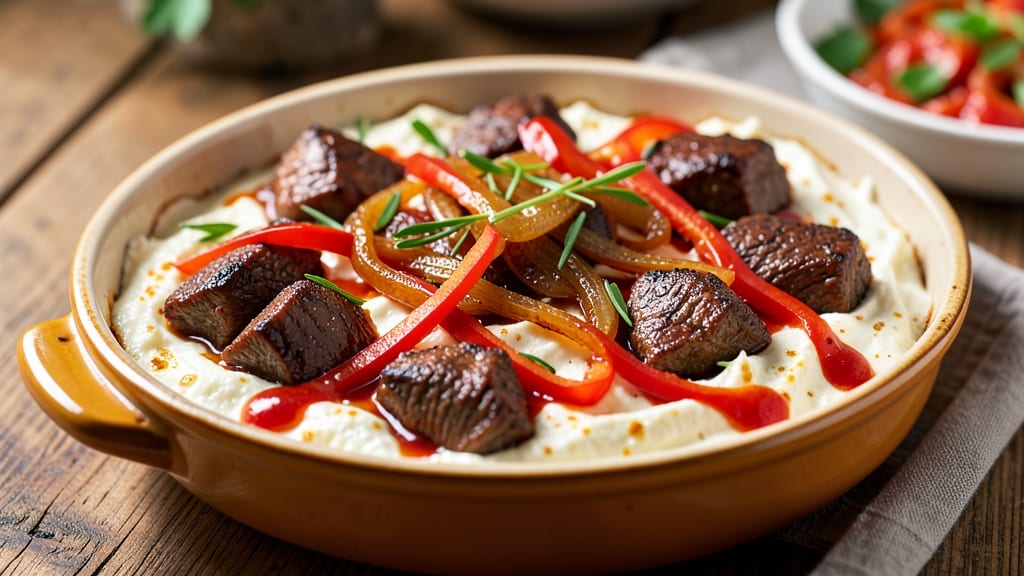
This beef and cottage cheese recipe flips the script on comfort food by blending tender beef with velvety cottage cheese for a rich, creamy dish that surprises at every bite.
The secret lies in slow-braising the beef until fork-tender, then blending it with cottage cheese to create a luxurious sauce that coats each forkful. What starts as a savory protein becomes something entirely unexpected—silky, satisfying, and packed with depth.
What makes this recipe work is the balance of textures and flavors: the beef provides hearty substance, while the cottage cheese adds a subtle tang and creamy richness that rounds out the dish.
You'll start with a simple sear and braise, then transform the beef into a decadent sauce using just a handful of pantry staples. The result is a main course that feels indulgent without being overly heavy.
Serve this dish over buttery mashed potatoes or creamy polenta to soak up every last bit of that luscious sauce. For a complete meal, pair it with roasted green beans or a crisp arugula salad—both will complement the dish's creamy-savory profile.
The plating is simple yet impressive: a generous dollop of sauce over the protein, garnished with fresh herbs for a pop of color.
This recipe delivers restaurant-quality comfort food with minimal effort, proving that cottage cheese can be a star ingredient when used thoughtfully. The technique is straightforward, but the result is anything but ordinary—creamy, satisfying, and perfect for a cozy weeknight dinner or a special occasion. Let's get cooking!
Ingredients for beef and cottage cheese
Rich, velvety cottage cheese meets tender beef for a creamy-savory masterpiece.
| Ingredient | Amount | Notes |
|---|---|---|
| Chuck Roast 🥩 | 2 lb | Cut into 1-inch cubes |
| Large-White Onion 🧅 | 1 whole | Chopped into wedges |
| Garlic Cloves 🧄 | 6 cloves | Smash with knife blade |
| Large Carrots 🥕 | 3 whole | Cut into thick chunks |
| Beef Broth 💧 | 3 cups | Low-sodium preferred |
| Tomato Paste 🍅 | 2 tbsp | Squeeze tube or canned |
| Large Russet Potatoes 🥔 | 2 whole | Peeled and cubed |
| Large Eggs 🥚 | 2 whole | For mashed potatoes |
| Unsalted Butter 🧈 | ½ cup | Cold for mashed potatoes |
| Large Cottage Cheese 🧀 | 2 cups | Full-fat for creaminess |
| Heavy Cream 🥛 | ½ cup | For blending sauce |
| Salt 🧂 | 1 ½ tsp | Kosher or sea salt |
| Ground Black Pepper 🌶️ | 1 tsp | Freshly ground preferred |
| Fresh Thyme 🌿 | ¼ cup | Stems removed, chopped |
| Fresh Parsley 🌿 | 0.1 cup | Chopped for garnish |
The chuck roast is non-negotiable here—its marbling and connective tissue dissolve into pure tenderness. Costco or Walmart usually have it pre-cut, but if you're buying a whole roast, look for good marbling and ask the butcher to cube it for you. The potatoes should be starchy (like Russets) for that buttery mash. For the cottage cheese, full-fat is key—it blends smoother and adds richness. I grab the 16-ounce tubs at Kroger since they're consistent and affordable. Fresh thyme and parsley make a difference, but dried will work in a pinch (use half the amount).
No chuck roast? Short ribs or beef stew meat work well—just adjust cooking time. Substituting low-fat cottage cheese? Add 2 tbsp cream cheese to compensate for the lack of fat. Running out of heavy cream? Half-and-half or whole milk will work, but the sauce won't be as luscious. The tomato paste can be skipped if you dislike its intensity, but it adds depth. For extra umami, add 1 tsp Worcestershire sauce (ensure it's vegetarian if needed). The beef broth? Homemade is best, but low-sodium store-bought works fine—just add a pinch of salt to taste.
This dish tastes even better the next day as flavors meld. Store the braised beef mixture in the fridge for up to 5 days—it reheats beautifully. The mashed potatoes should be made fresh when serving, but you can prep them ahead and reheat with extra butter. For the cottage cheese sauce, blend it just before serving to maintain texture. If making ahead, store the blended sauce separately and reheat gently on the stove, stirring in extra cream if needed. Garnish with fresh herbs right before serving—they add that restaurant-quality touch.
Why You'll Love This Recipe
- One-Pot Magic: I swear by this recipe when I’m too tired to dirty multiple pans. Chuck roast and onions caramelize together while the carrots soften—no chopping small, no fussing over layers. Just toss everything in, let it simmer, and the cottage cheese (yes, really) folds in at the end for that creamy surprise.
- Deep Umami Hug: That beef broth reduces into a glossy sauce that clings to tender beef, while the garlic and onions build layers of warmth. The cottage cheese? It’s the secret—melted just enough to soak up all the rich flavors without overpowering. Honestly, it’s the kind of dish that makes me slow down and savor every bite.
- Lunchbox Hero: Between us, this is my go-to for meal prep. The beef stays juicy for days, and I portion it with crusty bread or over rice—even my picky teen asks for seconds. (Yes, even on a Tuesday.) The cottage cheese adds protein, so it’s filling enough to keep energy up all afternoon.
- Budget Stretch: Chuck roast is affordable, and this recipe feeds four for under $15. The cottage cheese isn’t just a garnish—it cuts the cost of fancy sauces while adding texture. Plus, leftovers reheat beautifully, so you’re not scrambling for dinner later. My wallet and my taste buds thank me.
Step-by-step instructions for beef and cottage cheese mash-up
This savory-creamy combination starts with rich beef and ends with velvety cottage cheese mash.
Sear and Braise the Chuck Roast
Heat a Dutch oven over medium-high heat and add the 2 lb chuck roast cut into 1-inch cubes. Sear undisturbed for 3-4 minutes until deeply browned on all sides. This step develops intense flavor through the Maillard reaction.
Remove the beef and set aside. In the same pot, add the 1 whole large-white onion chopped into wedges, 6 smashed garlic cloves, and 3 whole large carrots cut into thick chunks. Cook for 5 minutes until softened. Stir in 2 tbsp tomato paste and cook for another 2 minutes until it darkens slightly.
Return the beef to the pot, pour in 3 cups beef broth, and bring to a simmer. Cover and transfer to a 325°F oven for 2.5-3 hours until the beef is fork-tender. The liquid should reduce to a rich, thick sauce.
Prepare the Cottage Cheese Mash
While the beef braises, peel and cube the 2 whole large russet potatoes. Boil them in salted water for 15-20 minutes until tender. Drain well and return to the pot.
Add the 2 whole large eggs and 0.5 cup cold unsalted butter to the warm potatoes. Mash vigorously with a potato masher until smooth. Stir in 2 cups large cottage cheese, 0.5 cup heavy cream, 1.5 tsp salt, and 1 tsp ground black pepper until completely combined and creamy.
The mixture should be velvety with no lumps. If it's too thick, add 2-3 tablespoons of the reserved beef cooking liquid to reach your desired consistency.
Combine and Finish
Remove the beef from the braising liquid and shred it using two forks. Return the shredded beef to the pot and stir in 0.25 cup chopped fresh thyme. Keep the pot warm over low heat.
Divide the cottage cheese mash among four serving bowls. Ladle the beef mixture over the top, allowing the rich sauce to coat the creamy base. Garnish with 0.1 cup chopped fresh parsley just before serving.
Serve immediately while the beef is still warm and the cottage cheese mash maintains its luxurious texture. The contrast of tender beef against the cool, creamy mash creates a satisfying balance of textures and flavors.
Pro Tips For Making Beef And Cottage Cheese
- SEAR CHUCK ROAST HARD: Chuck roast needs a deep, dark crust to stay juicy. Don’t be gentle—hit it with high heat for 4-5 minutes per side until it’s golden brown. I used to rush this, and the meat always turned out dry. Let the pan get screaming hot first, then walk away and let it work.
- CHOP ONIONS SMALL: Cottage cheese soaks up liquid, so you need enough onion flavor to shine through. Dice that white onion into ¼-inch pieces—no big chunks. I learned this the hard way when my first batch tasted bland. Think "soup consistency," not "salad topping."
- ADD COTTAGE CHEESE LATE: Stirring in cottage cheese too early makes it watery and grainy. Wait until the beef is nearly done and the broth has reduced by half—then fold it in gently. The heat should just warm it through, not cook it. Cold cheese in hot liquid curdles, and nobody wants that.
- SIMMER CARROTS UNTIL TENDER: Those big carrots need 20-25 minutes of simmering to soften properly. Don’t skip this—half-cooked carrots make the whole dish feel underdone. If they’re still crisp after the beef is ready, toss them in a splash of broth and let them finish under the lid. Patience here makes the dish.
Common mistakes when making this recipe
Overcooking the Beef
The beef should be tender but still hold its shape—overcooking turns it into dry, stringy shreds. I’ve ruined this dish by letting it braise too long, so keep an eye on it after 2.5 hours.
Test with a fork: the meat should pull apart easily but not fall apart completely. If it’s still tough, add ¼ cup warm broth and let it cook another 30 minutes—don’t just crank the heat. 🌡️
Skipping the Sear
That rich, browned crust from searing is where all the flavor lives! If you skip it, your dish will taste bland. Sear the beef cubes in batches if needed, but don’t rush—let them develop a deep, golden crust on all sides.
A cast-iron Dutch oven is ideal for this step, but a heavy stainless steel pot works too. Pro tip: Pat the beef dry before searing for better browning.
Using Low-Fat Cottage Cheese
Low-fat cottage cheese will make your sauce grainy and less creamy. The fat in full-fat cottage cheese is what creates that velvety texture. If you only have low-fat on hand, blend in 2 tbsp cream cheese or 1 tbsp heavy cream to compensate.
Trust me, your dish will thank you for the extra richness. 🧀
Not Adjusting Seasoning Mid-Cook
Braising reduces the liquid, so flavors intensify—but that doesn’t mean you can skip tasting. After 2 hours, remove a small piece of beef and taste it plain. If it’s bland, add ½ tsp salt or a pinch of Worcestershire sauce to the pot.
The cottage cheese mash also needs seasoning adjustments—taste it before blending, and add more salt or pepper if needed. Don’t be afraid to tweak!
Blending the Cottage Cheese Too Early
If you blend the cottage cheese sauce before serving, it can turn grainy or separate. Instead, stir it into the warm beef mixture just before plating—this keeps it smooth and creamy.
For extra silkiness, heat the cottage cheese gently with 2 tbsp of the beef braising liquid before blending. The warmth helps emulsify it perfectly. 🥄
Ignoring the Resting Time
Letting the beef rest for 10-15 minutes after braising keeps it juicy. Skipping this step means you’ll slice into dry, flavorless meat. Use that time to finish your sides or garnish the dish. Patience here makes all the difference—your guests (and your taste buds) will notice the difference immediately. ⏳
Nutrition facts
Frequently asked questions
Can I use ground beef instead of chuck roast?
Ground beef works but won't have the same rich, tender texture. For best results, use 80/20 ground chuck and cook it in a skillet until browned before adding to the braising liquid. You may need to reduce the braising time to 1-1.5 hours since ground beef cooks faster. The dish will be more saucy than fork-tender.
How do I make this recipe vegetarian?
Replace the beef with 2 cups cooked lentils or mushrooms (like cremini or portobello). For the braising liquid, use vegetable broth instead of beef broth, and add 1 tsp soy sauce or 1 tbsp balsamic vinegar for depth. The cottage cheese mash remains the same, creating a creamy, umami-rich vegetarian main.
Can I make this dish ahead of time?
Yes! Braise the beef and make the cottage cheese mash up to 2 days ahead. Store them separately in the fridge. Reheat the beef mixture gently on the stove, then blend the cottage cheese mash with 1 tbsp warm broth before combining. For best texture, serve within 4 hours of reheating.
What are the best sides for this creamy dish?
Light, crisp sides balance the richness perfectly. Try roasted asparagus with lemon zest, a simple arugula salad with olive oil and shaved Parmesan, or crusty sourdough bread to soak up the sauce. For a heartier meal, add steamed green beans with garlic and almonds.
Why does my cottage cheese sauce look grainy?
Graininess usually means the cottage cheese wasn't warm enough when blended. Heat it gently with 2 tbsp beef broth before blending, or stir in 1 tbsp heavy cream for silkier texture. Also, avoid overmixing—just combine until smooth. The sauce should be velvety, not lumpy!